Categories
News/Blog

Study from UBC researchers explores pet surrender and rehoming

A new study on why pet guardians surrender their companion animals highlights the complex, difficult circumstances behind these decisions and points to practical ways to keep more pets in their homes.

Rather than single causes, the research identifies patterns—such as financial hardship, new pet guardianship challenges, and behavioural incompatibilities—that shape different pathways to surrender. The findings show that many guardians seek help before turning to shelters, indicating that earlier, more accessible support could make a critical difference.

“Many people struggle long before they contact a shelter. Providing support earlier in the process could prevent rehoming altogether, which would help people keep their cherished pets and reduce the number of animals that enter shelters. Some key recommendations would be to tailor support to different situations, offer support earlier, and expand accessibility of community-based services that support people and their pets.”

The research suggests that more accessible community-based services like affordable veterinary care, behavioural support, and short-term pet assistance can strengthen the human-animal bond and reduce the number of animals entering the already-overcrowded shelter and rescue system.

Read the research
Support the VHS’s pet assistance
Categories
News/Blog

Proposed changes to Alberta’s animal protection laws leave “sport” animals vulnerable 

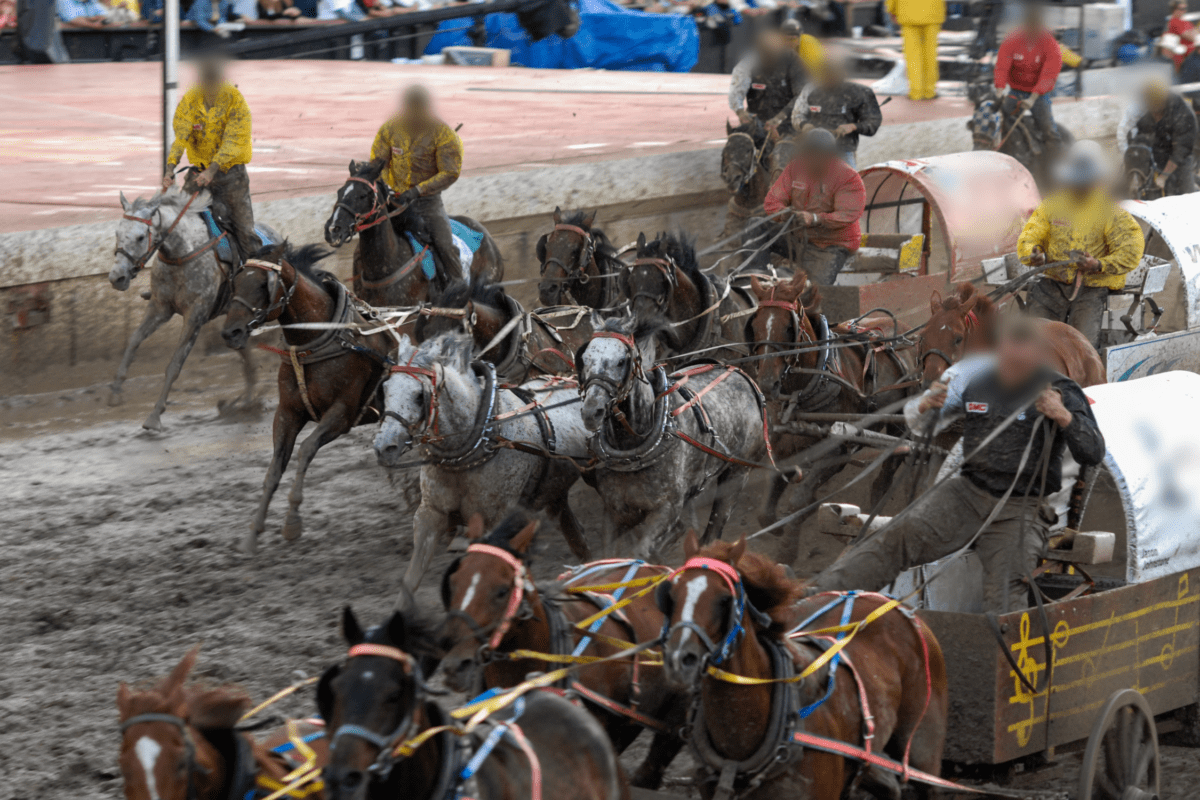
Cover image: Calgary Stampede chuckwagon races. Jo-Anne McArthur / We Animals Media.

Update

The Alberta government passed the Animal Protection Amendment Act (Bill 22). The update includes some meaningful changes to protect animals, but sadly, the Bill passed with an exemption that leaves animals vulnerable to distress during sporting activities. Please see the Current Campaigns page for more ways you can help animals used in rodeo and other sporting events.

  • Alberta is proposing its first major update to animal protection laws in more than 20 years.  
  • The changes signal a growing recognition that stronger protections are needed to prevent animal suffering and hold offenders accountable. 
  • While some proposed changes in the Animal Protection Amendment Act (Bill 22) include meaningful improvements to be celebrated, animals used in sporting events, such as rodeos, are left vulnerable. 

Alberta residents: Learn more below, then email your MLA and Alberta Minister of Agriculture, Minister RJ Sigurdson (AGRIC.Minister@gov.ab.ca), to express your concern and seek stronger protections for animals used in sporting activities.

Find my MLA
Email Minister Sigurdson
Learn more
Tips for your email

Current laws & proposed changes

Under the existing Animal Protection Act in Alberta, which has had no major updates in more than 20 years, it is illegal to cause an animal to be in distress, with exemptions for some animal use industries. 

Now, Alberta is proposing a major update. This signals important progress—but one of the proposed changes would allow distress resulting from the use of animals in a sporting activity that is carried out in accordance with “reasonable and generally accepted practices”, expanding the types of industries exempted. 

This concerning change could allow sporting industries that use animals to effectively make their own rules and allow harmful practices that cause significant suffering, such as in rodeo events. 

This change may also make it harder to hold people accountable or enforce rules while setting a risky example that other jurisdictions might follow. Removing the proposed exemption for allowing distress in sporting activities is a critical step toward ensuring animals are protected. 

If you are a resident of Alberta, or have friends and family who are residents, share this information and contact your MLA and the Minister of Agriculture, who is sponsoring the Bill, to request changes to better protect animals. The legislation is moving quickly! Don’t hesitate to speak up for animals. 

A persistent loophole

Vague language, like “reasonable and generally accepted practices” often allows industries to set their own standards when no external standards exist, even when those practices may cause harm. It may also limit enforcement action when there are no clear guidelines on what a generally accepted practice is.  

Animals used in sporting activities should not be subjected to distress or cruel practices for entertainment. Closing this loophole by removing the exemption for causing distress in sporting activities is a critical step toward ensuring animals are protected.  

Limited public input

While the province consulted with a range of stakeholders, including industry representatives and enforcement agencies, there was no formal public comment period for the Animal Protection Amendment Act (Bill 22). This has left many concerned individuals in a rush to contact their MLAs to request amendments before the bill progresses further. 

The legislation is still in early stages, and there remains an opportunity to strengthen protections for animals. However, the timeline for public input is unclear, and the process appears to be moving quickly. 

Don’t hesitate! Contact your MLA and Minister Sigurdson and express your concerns before the legislation progresses and amendments can no longer be made.  

Find my MLA
Email Minister Sigurdson

Tips for requesting amendments by email

To request amendments to the Animal Protection Amendment Act (Bill 22), consider: 

  • Raising concern about vague exemptions like “reasonable and generally accepted practices” that can result in significant animal suffering.
  • Requesting the removal of the proposed distress exemptions for animals used in sporting activities. 
  • Calling for clear, enforceable protections that address the risks associated with rodeo and other animal-based sporting activities. 
    • For example, prohibiting the most dangerous and inhumane rodeo events, handling practices, and tools that cause animal suffering.

As the bill moves forward, decision-makers have an opportunity to build on these improvements and deliver legislation that fully reflects the public’s expectation for strong, enforceable animal protection laws. 

By contacting your MLA or encouraging friends or family who are Alberta residents to do so, you are taking direct action to strengthen protections for animals.  
Categories
News/Blog

Progress for renters with pets in Quebec

Quebec’s housing tribunal rules no-pet clause in rental lease violates Charter rights | CBC News

A recent ruling by Quebec’s housing tribunal has found the no-pet clause of a rental lease to be in violation of the province’s Charter of Human Rights and Freedoms.

Renters in Quebec have stronger grounds to challenge no-pet clauses in leases, marking important progress for those who are denied housing simply because they share their homes with companion animals.

“A recent ruling by Quebec’s housing tribunal has found a rental lease’s no-pet clause to be in violation of the province’s Charter of Human Rights and Freedoms, marking a significant advancement in the protection of tenants’ rights when it comes to the issue of pets.”

“This is the first time the no-pet clause has been challenged based on Quebec Charter rights, specifically articles 1 and 5 that pertain to privacy and the right to personal freedom.”

Advocacy for renters with pets

The Montreal SPCA has been fighting to ban no-pet clauses in rental housing for more than a decade.

“More than half of Quebec families now include a pet, according to the SPCA, and challenges with finding housing that allows pets is one of the main reasons animals are surrendered to local shelters.”

By separating animals from the guardians who love them, no-pet clauses cause harm to both humans and animals. They also disproportionately impact individuals living on a lower income, who are far more likely to rent rather than own their homes. An end to these clauses would be a huge win for animal well-being and equity.

What does this mean for current clauses?

“The tribunal’s decision does not automatically invalidate all no-pet clauses across Quebec. However, … this case sets a precedent and means these clauses can now be challenged on these grounds.”

Where B.C. stands on no-pet clauses

Ontario is currently the only province in Canada where no-pet clauses are officially banned. The clauses are still allowed in British Columbia.

Last year, Vancouver City Council voted to push for more pet-friendly housing by asking the Province to eliminate no-pet clauses, and reviewing local housing policies to make sure renters aren’t punished for having a companion animal. The VHS’s Executive Director, Amy Morris, spoke in support of the motion before it was passed.

Read article
Categories
News/Blog

Parrots still imported and bred in Canada as experts warn of growing crisis

Eastern Ontario parrot rescue launches pilot project to address growing crisis

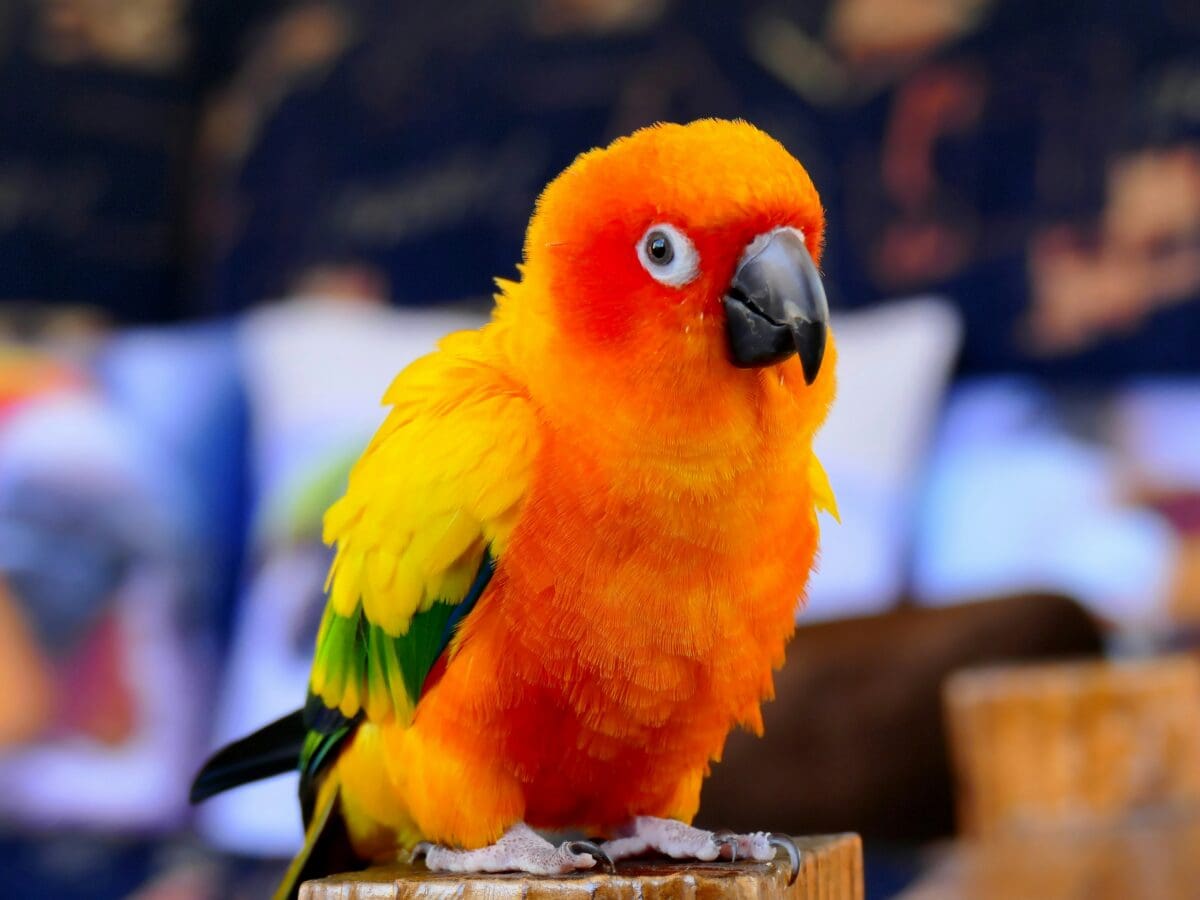
Parrots are one of the most popular pets in Canada, but animal rescues say there aren’t enough resources to support the birds that can often outlive their owners.

Experts are warning of a growing crisis around the care of aging parrots in Canada, a recent CTV News story warns.

Parrots are exotic, undomesticated animals with complex needs who can live up to 80 years or longer. This means they often outlive their original guardians, or the circumstances that enabled a family to care for them.

A rescue in Ontario is pointing to a large demand for rescue services for birds who were bred and sold in the 70’s and 80’s. Still, parrots continue to be bred and imported for the pet trade, exacerbating the long-term strain on a system that is already struggling to keep up.

The VHS and animal allies are calling on the B.C. government to update the Controlled Alien Species regulation to prioritize animal welfare when determining which species can be kept, bred, and traded, and supporting a ban on the import of exotic species whose complex needs cannot be fully met in human care.

Read the article
Take action for exotic animals
Categories
News/Blog

UBC VegFest helps the next generation help animals

What if choosing lunch could help spare animals from suffering? On March 4, that hopeful vision came to life at the very first UBC VegFest!

The VHS’s PlantUniversity program partnered with the student club Vegans of UBC to showcase more than 25 local plant-based businesses and organizations right on campus. The event was hosted in collaboration with UBC’s student union, AMS, and supported by TMRW Foods, Vegan Supply, and SEEDS Sustainability Program.

Thousands of students and members of the surrounding community sampled delicious foods, met passionate vendors, and learned how plant-based choices can support their health, protect the environment, and reduce animal suffering in factory farms.

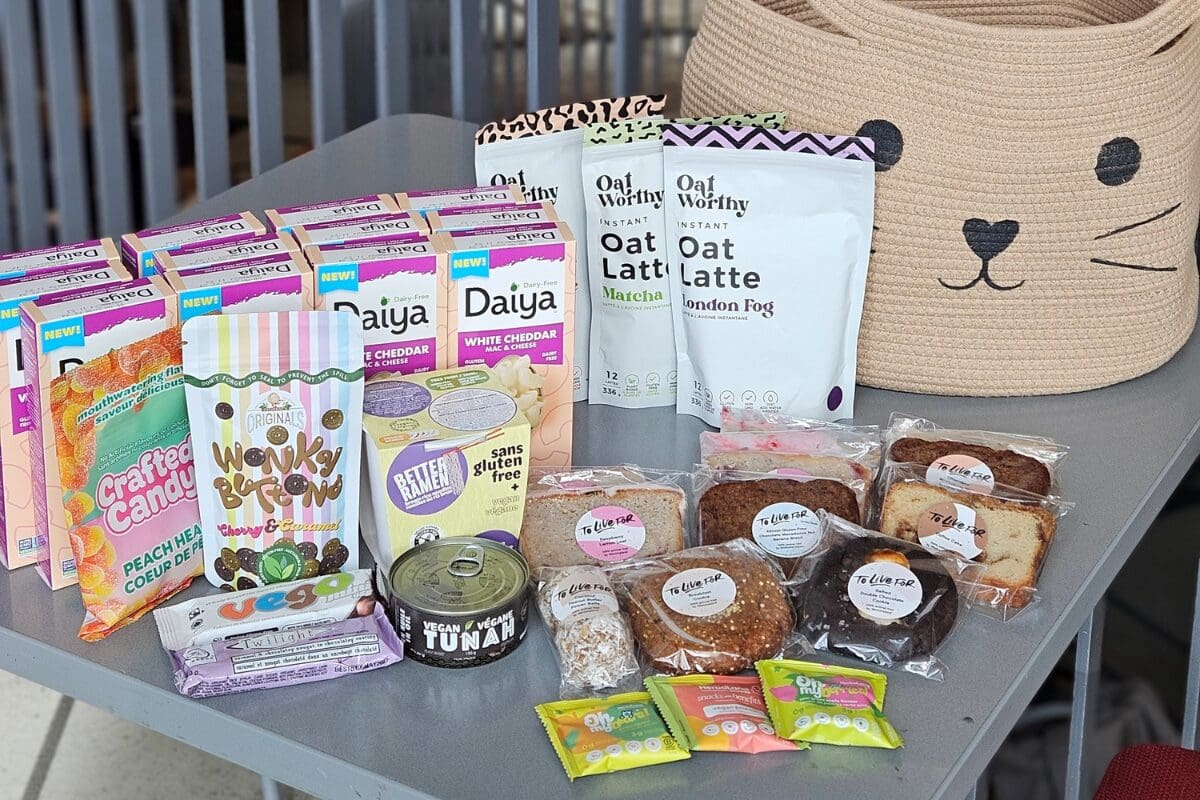
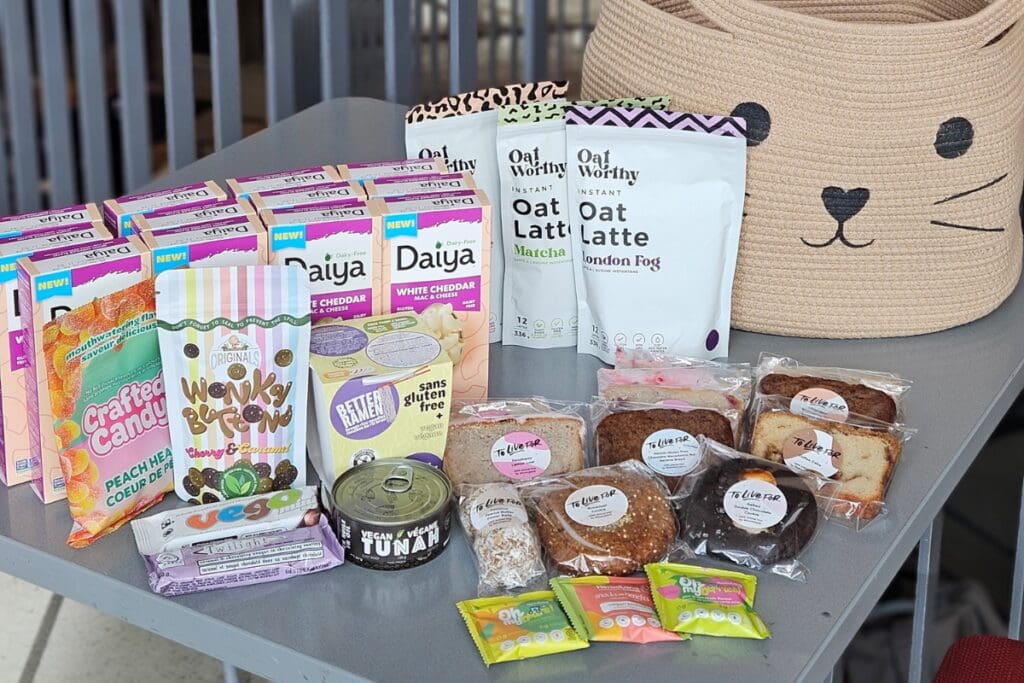
A basket next to plant-based items such as boxed mac and cheese, chocolate, loaves, and vegan tuna.
The winner of the UBC VegFest early bird draw showed off her gift basket, with items generously donated by Daiya, Oatworthy, Vegan Supply, To Live For, Gusta, Nuts For Cheese, and the Progressive Non-Animal Research Society.

Events like UBC VegFest are a powerful step toward a kinder food system. Outreach and education like this help to shape the values of future leaders and make compassionate choices more visible and accessible.

“Thank you so much for emphasizing education during the event just as much as yummy foods! I really appreciate this event. It is my favourite I’ve ever attended at UBC and I hope it becomes annual.” -Attendee of UBC VegFest

For young people making independent food choices for the first time, an open and welcoming community that shares the benefits of plant-based eating can help influence habits that last a lifetime.

One attendee called the experience “eye-opening to the options available to support a plant-based diet”.

Thank you to everyone who was involved in this event. Your advocacy helps to plant seeds of change that will grow for years to come.

For a list of organizers and vendors, visit the event page at PlantUniversity.ca.

Categories
News/Blog

Protect ducks and geese from force-feeding for foie gras (Federal e-petition)

Update

This petition is now closed. Thank you to everyone who signed and spoke up for animals. Please go to this page for current campaigns.

  • The Vancouver Humane Society is joining the Canadian Coalition for Farmed Animals and advocates across Canada in calling for a ban on force-feeding ducks and geese for foie gras production.
  • Foie gras is produced by force-feeding ducks and geese until their livers swell up to ten times their normal size, causing a painful condition known as hepatic lipidosis (fatty liver syndrome).
  • Many other nations have banned the production and/or import of foie gras due to the severe animal welfare concerns, including the UK, Argentina, Australia, and India.

TAKE ACTION: Canadian residents can sign the official parliamentary e-petition until January 2, 2026. After you sign, be sure to click the link in the confirmation email so your signature is counted.

View updates

End foie gras production, import, and sale in Canada

Join the Vancouver Humane Society, the Canadian Coalition for Farmed Animals, MP Nathaniel Erskine-Smith, and advocates across Canada in calling to protect ducks and geese from inhumane force-feeding for foie gras.

The petition calls on Canada’s Minister of Agriculture and Agri-Food to:

  • Ban the practice of force-feeding ducks and geese for the production of foie gras;
  • Ban the importation and sale of foie gras produced by such force-feeding;
  • Provide financial assistance and guidance to producers for transitioning to plant-based agriculture.

Sign the federal e-petition on the Parliament of Canada website before January 2, 2026, at 10:28 a.m. PT

Important: After you sign the petition, be sure to check your email and click the confirmation link to ensure your signature is counted.  

View updates (Petition closed)

Categories
News/Blog

George is home safe

When Hannah noticed that her beloved dog George had stopped eating and drinking and had developed a large, hard bump on his lip, she was terrified. Firm lumps that cause behaviour changes like this can be a sign of cancer.

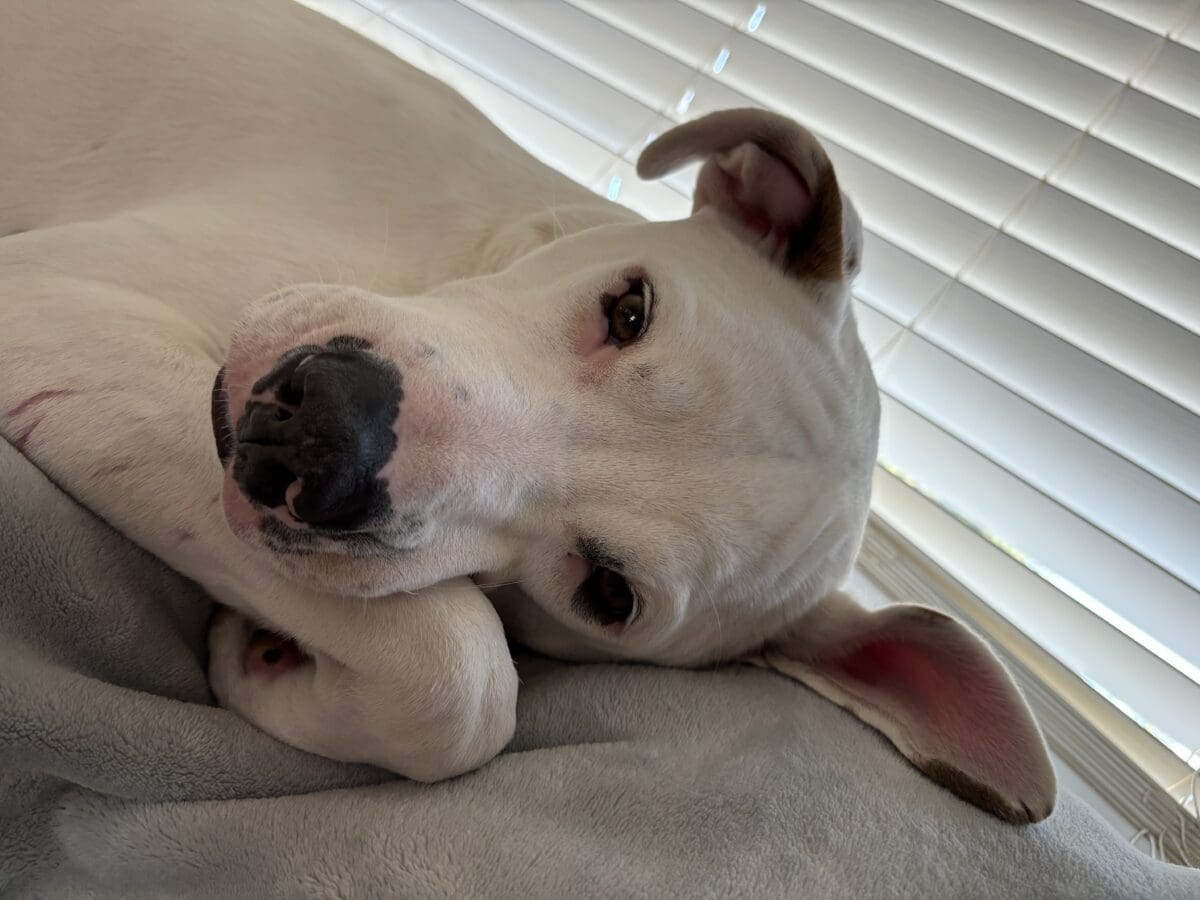
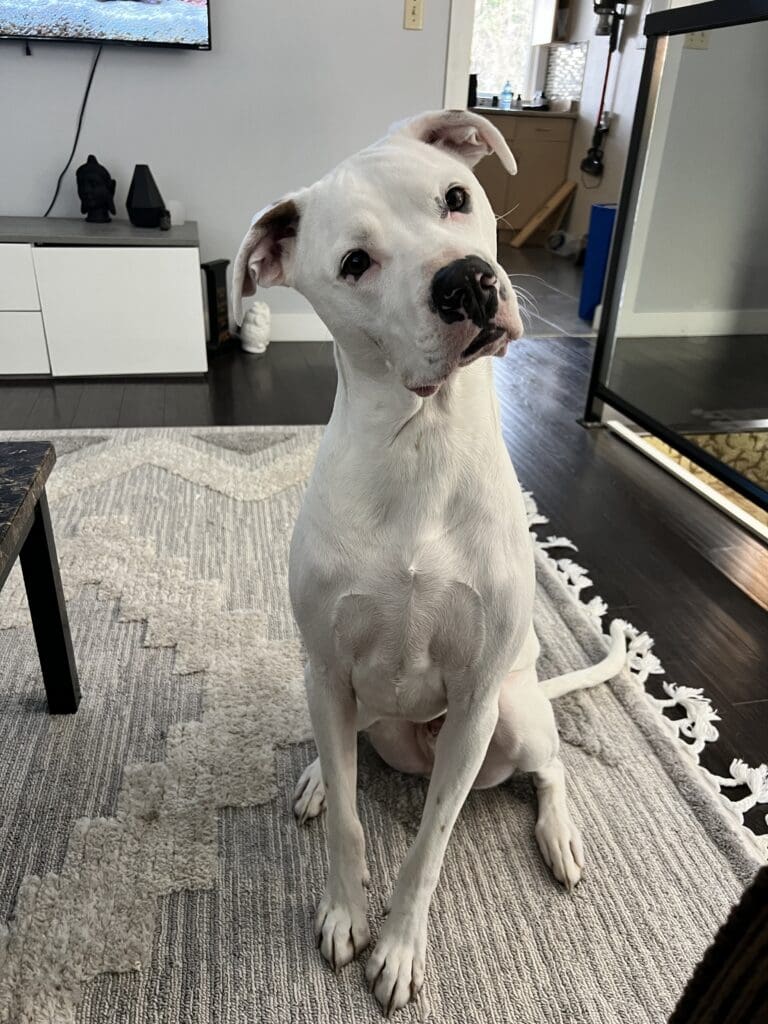
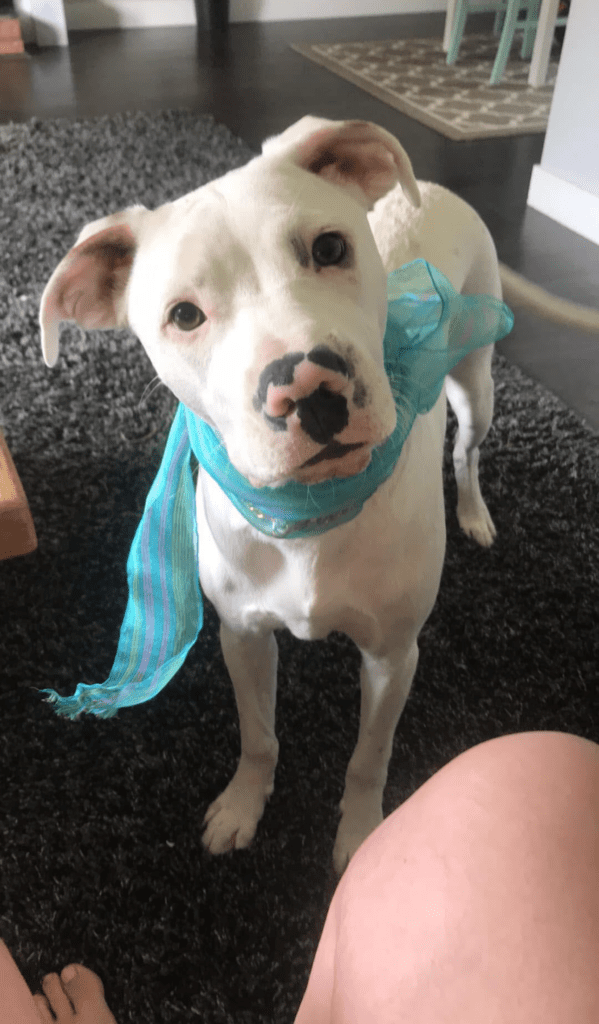
George is a rescued dog from Mexico, found abandoned in a dumpster with his brothers as a puppy. Today, he is a 70-pound lap dog at heart who wants nothing more than to snuggle close to his mom. “He’s the most cuddly boy and always wanting to sleep with mom,” Hannah shared.

Living in a recovery house and doing her best to rebuild her life, Hannah was distraught when she realized she could not afford to have George examined. Hannah reached out to the McVitie Fund for help.  

Thanks to support from our wonderful community, George was able to see a veterinarian. He received an exam, medication for allergies, and antibiotics to treat the concerning bump. George is now on the road to recovery and back where he belongs, curled up beside Hannah. 

“Thank you so much for your help, I seriously appreciate it,” Hannah told the VHS’s McVitie team. She now looks forward to reaching a point in her life when she can give back to help other animals like George.

George’s recovery would not have been possible without the support of generous donors to the McVitie Fund. Could you make a small gift today to help us say yes to more beloved companion animals?

Categories
News/Blog

More than 1,300 pets received life-saving care in 2025

CTV News story

Last year was incredibly challenging for many animal guardians across British Columbia. Rising costs left more people struggling to afford emergency veterinary care for the animals they love. At the same time, shelters and rescues were stretched beyond capacity.

For guardians with nowhere else to turn, the Vancouver Humane Society’s McVitie Fund was a vital lifeline.

In 2025, 1,372 animals received urgent, life-saving veterinary care through the McVitie Fund, nearly double the number helped the year before. Demand has grown dramatically, with more than eleven times as many applications compared to 2020.

Thanks to caring people like you, the program was able to remain open until mid-December and distribute a record-breaking $642,000 in emergency funds.

1,372

animals received life-saving veterinary care through the McVitie Fund in 2025

Your support makes stories like Rafiki’s possible.

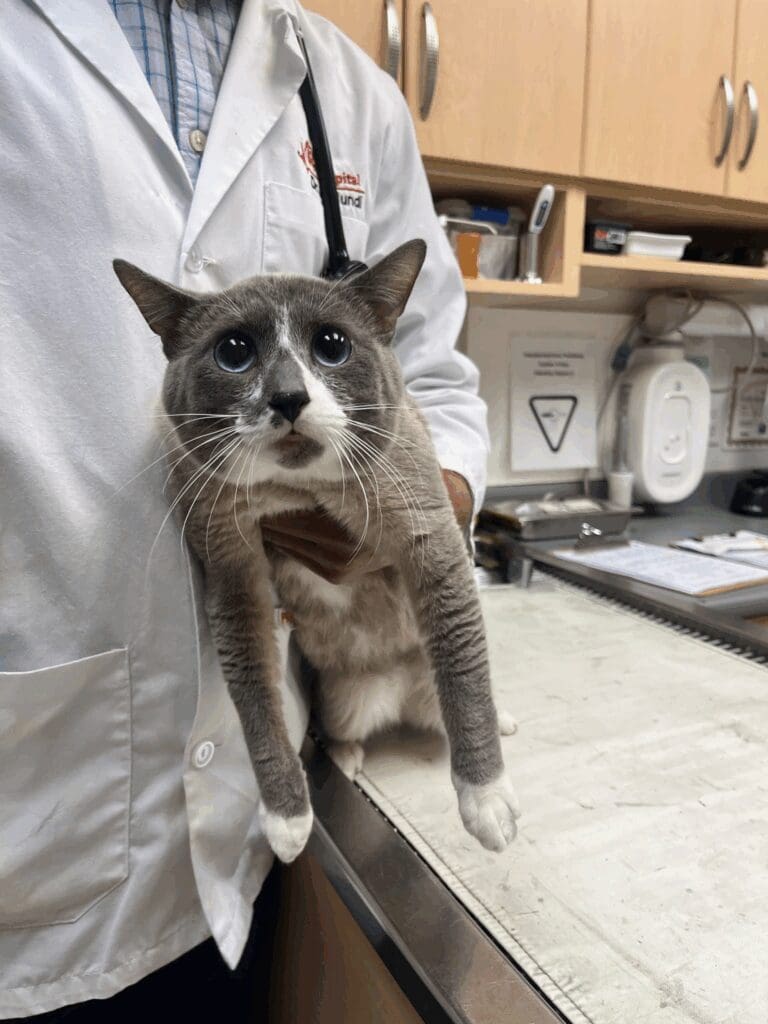
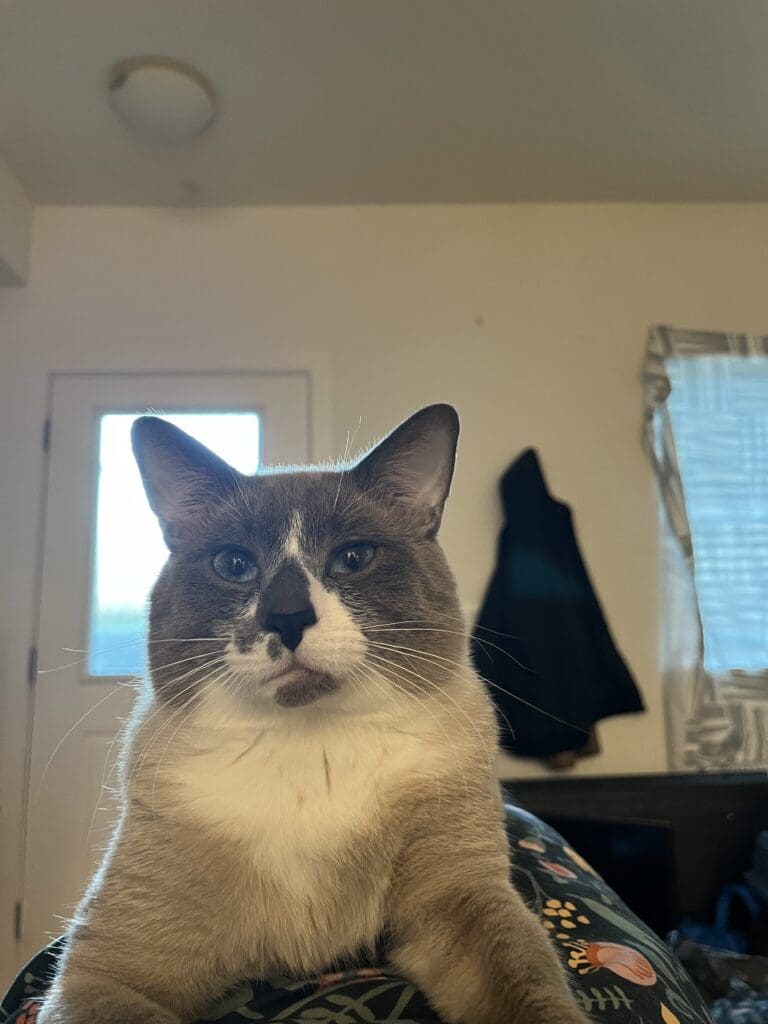
After repeated attempts to treat painful urinary crystals, Rafiki needed emergency surgery. With help from the McVitie Fund, he received the care he needed and is now back home with his guardian, Sarah. “If it wasn’t for you, I don’t know what I would have done. Thank you so much!” Sarah told the VHS. “He’s my baby boy. He means everything to me.”

Rafiki at the vet
Rafiki back home safe

Every dollar makes a difference for families in need of urgent support. Can you donate today to help animals come home safe?

Categories
News/Blog

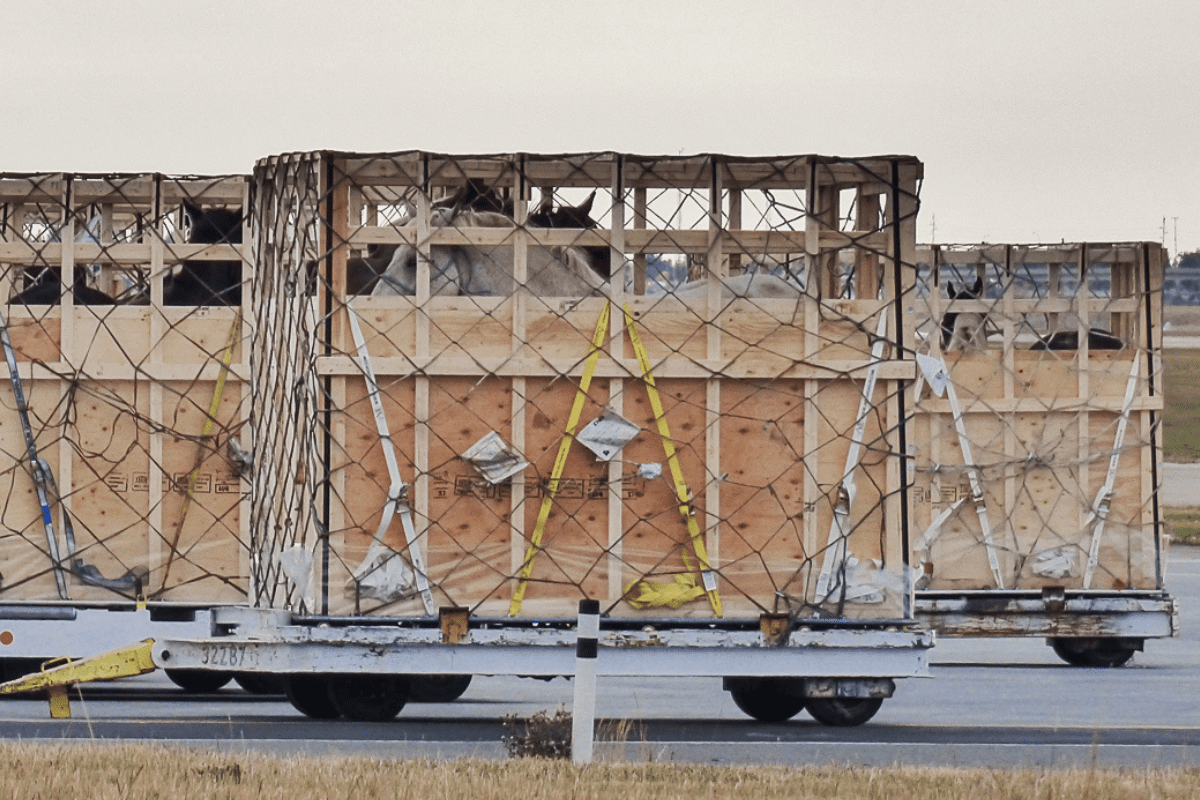
4 years later, renewed calls to end live horse export for slaughter 

Photos: Canadian Horse Defence Coalition

  • December 16, 2025 marks four years since the federal Liberal government promised to ban live horse export for slaughter, yet the commitment remains unfulfilled. 
  • In that time, more than 10,700 horses have been shipped on long, stressful overseas flights, destined for slaughter despite widespread public opposition. 
  • These grueling 20+ hour journeys where horses are confined in cramped crates have led to injuries, extreme exhaustion, miscarriages, and deaths. 
  • Bill C-355, introduced in 2023 to end live horse export for slaughter, passed the House of Commons but stalled in the Senate and died with the 2025 election. 
  • With one of the most vocal Senators who previously blocked the bill now retired, Canadians are calling on the federal government to finally keep its promise and end this inhumane industry for good. 

Take action!

Online

Remind decision-makers that this issue matters to you! Use the talking points below to send a message to your Member of Parliament and the federal Minister of Agriculture. 

Talking points

In person

Attend the candlelight vigil planned in Vancouver on Tuesday, December 16th at Vancouver City Hall – 453 W 12th Ave, 6PM – 7PM.

For more information, visit the Vancouver event facebook page and see the full list of vigils across Canada.

Vancouver vigil
All vigils in Canada


Tell your Member of Parliament and the Minister of Agriculture to prioritize an end to live horse export for slaughter 

Step 1

Use your postal code to find your MP’s contact information and include the federal Minister of Agriculture, Honourable Heath MacDonald. 

Find my MP

Agriculture Minister, Heath MacDonald: aafc.minister-ministre.aac@agr.gc.ca  

Step 2

Use the key points below to help you draft your email. Personalized emails are more impactful, so be sure to use your own words. 

Why you’re writing: 

  • Share that you’re a constituent of the Member of Parliament; 
  • That you’re writing regarding Canada’s inhumane practice of live horse export for slaughter; 
  • That it’s the four year anniversary of the federal government’s promise to end live horse export for slaughter; 
  • That you’re urging the government to follow through on this promise and end the practice once and for all.  

Why the issue matters to you: 

Consider sharing a few of key issues below that most concern you: 

  • Horses are loaded into crowded crates and flown on lengthy and stressful journeys overseas, destined for slaughter. 
  • Horses can legally go 28 hours without food, water, or rest – though investigations show many journeys exceed this already inhumane time limit.  
  • Deaths and injuries are commonplace, with investigations uncovering extreme exhaustion, miscarriages, and even deaths during and soon after the flights. For example, 21 horses died in 13 months between May 2023-June 2024. 
  • More than 10,000 horses have been sent to their deaths since the government promised to ban live horse export for slaughter. 
  • Polling shows a strong majority of Canadians are opposed to live horse export for slaughter. 

Reiterate your request: 

  • That you’re strongly urging them, as your elected representative and the Minister responsible for implementing a ban, to prioritize an end to live horse export for slaughter. 

Ask for a reply: 

  • Thank them for their consideration of your request and ask that they respond to you at their earliest convenience, as this issue is important to you. 
Send a message to your Member of Parliament & Minister of Agriculture

Categories
News/Blog

TAKE ACTION: Support the B.C. government decision to end horse racing funding & call for a safe retirement plan for horses

  • In response to the provincial government announcing the end of government funding for horse racing, Hastings Racecourse has announced they will stop horse racing effective immediately.  
  • While there is industry pushback to the B.C. government’s announcement to end funding for horse racing, the decision did not happen in isolation.
  • This change follows decades of decline in revenue and public support and heavy reliance on public funding. 
  • Hastings Racecourse was the last active race track in B.C., meaning there is no more horse racing in the province.
  • Hastings has seen multiple fatalities in recent seasons, including three known horse deaths in 2025, four in 2024, and eight in 2023. Each loss is a reminder of the inherent risks horses face in the racing industry. 
Follow up with decision-makers

While incredibly grateful for this decision, the VHS recognizes the uncertainty it may create for workers and animals within the industry. The VHS urges the provincial government and industry stakeholders to ensure a just and compassionate transition plan, including: 

  • Support for workers in the horse racing industry faced with this transition; 
  • Safe, secure retirement and rehoming plans for horses. 

Join the VHS in extending our sincere gratitude to Minister Nina Krieger for her leadership in making this decision and encourage meaningful support for workers and animals transitioning away from horse racing. Use the VHS’s quick action tool below to send a letter to the Minister and your Member of the Legislative Assembly (MLA). 

The VHS recently spoke with CBC on this news. Click here to watch the interview!

Send a message
Watch CBC interview