Across North America, we’re seeing meaningful progress to protect animals from medically unnecessary procedures. This is a great sign that awareness and compassion are driving real change.
More governments moving away from harmful procedures
Ontario appears set to push ahead with a ban on declawing cats and debarking and ear cropping dogs, a move animal welfare advocates say is years overdue and doesn’t go far enough.
The Province of Ontario is currently considering a ban on procedures such as declawing, debarking, and ear cropping when they are not medically necessary.
These surgeries, often performed for human convenience rather than animal health, can cause lasting physical and behavioural harm. For instance, debarking removes an important way that dogs communicate, while declawing can cause lasting pain, nerve damage, increased aggression, and difficulties walking normally.
The state of California also recently took action to protect companion animals. A statewide ban on medically unecessary declawing came into effect at the beginning of 2026, reinforcing the growing recognition that removing a cat’s claws—which involves amputating part of each toe—is not a humane solution to scratching.. The state joins others such as New York, Maryland, and Virginia, which have passed similar laws.
Where B.C. stands on medically unecessary procedures for pets
For more than a decade, the College of Veterinarians of B.C. (CVBC) has prohibited cosmetic procedures such as tail docking and ear cropping. In 2023, the CVBC strengthened its protections by also banning declawing and debarking when not medically necessary.
Ontario remains the only province without restrictions on cosmetic procedures for pets; but that could soon change. These developments reflect a broader shift away from practices rooted in convenience and toward policies grounded in the science of animal well-being.
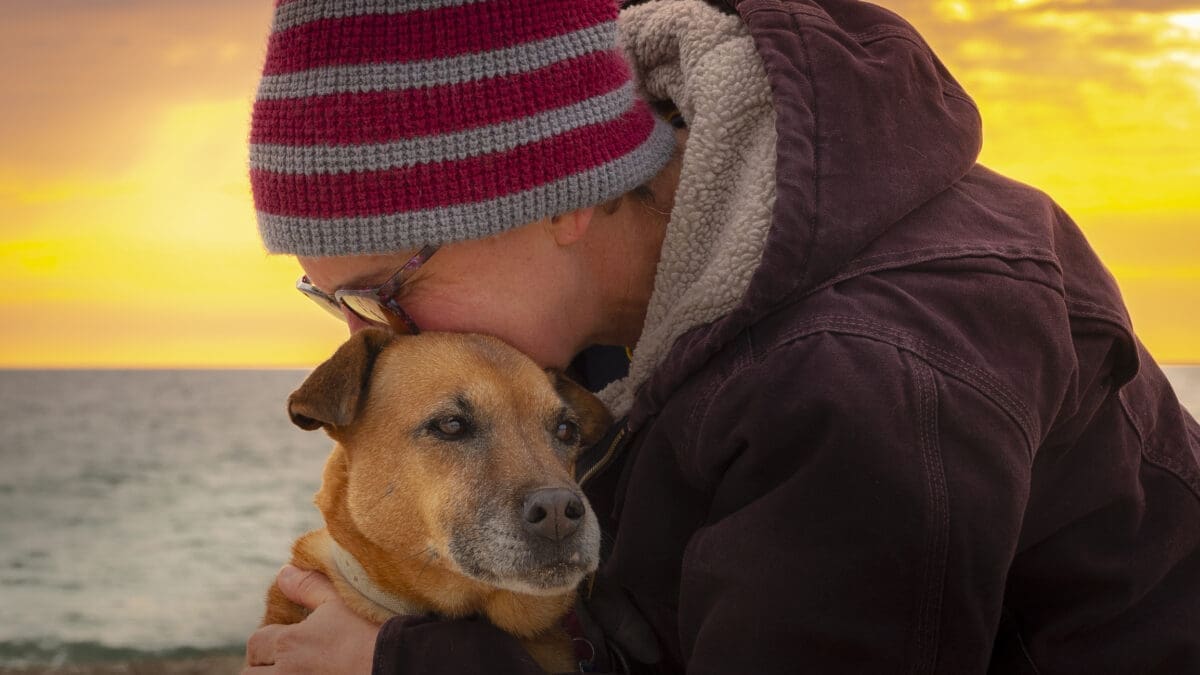
Close up photo of a woman hugging an older brown dog outdoors on the beach
The Vancouver Humane Society is proud to be part of a new province-wide collaborative: the Humane Societies of British Columbia. This initiative brings together seven independent humane societies to make it easier for people across BC to find trusted, local support for their animal family members, all in one place.
HumaneSocietiesBC.ca is a new resource hub that aims to help connect people to local services like veterinary assistance, pet food programs, behaviour support, and emergency care when they’re needed most.
We’ll also be joining together to share timely, life-saving information on pet health and care.
Scientists hope understanding coyote widowhood will someday help humans in their own grief.
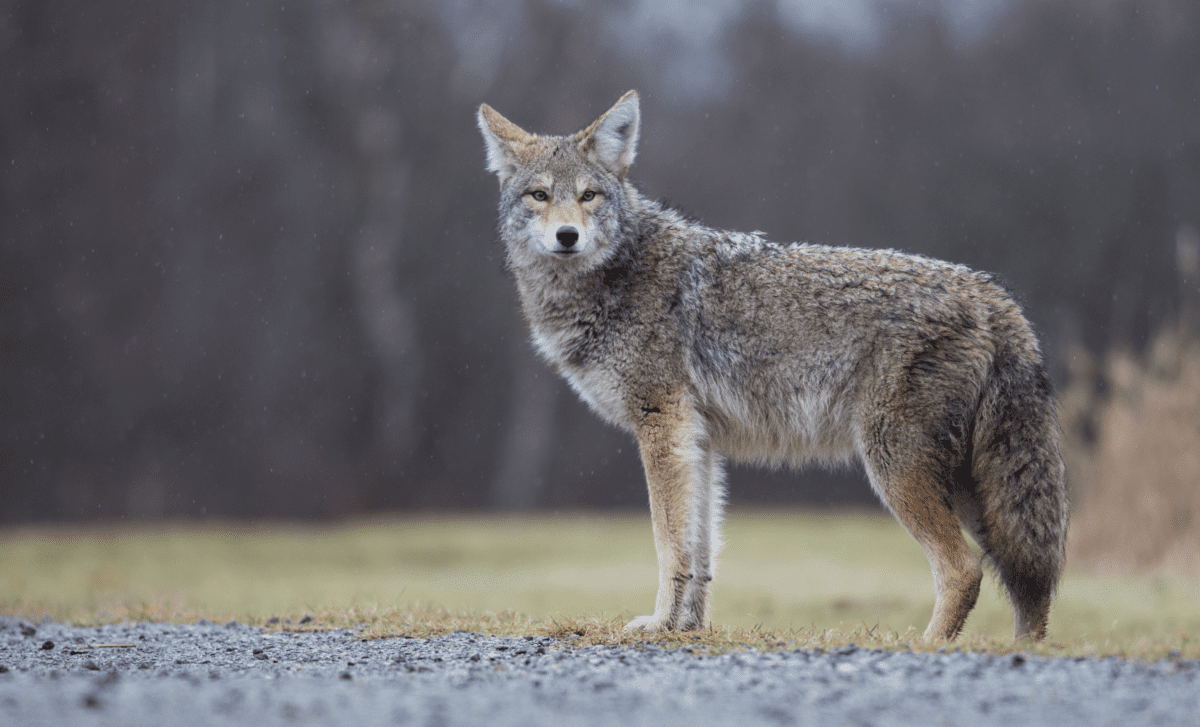
New research around coyote bonds and behaviours shows that coyotes experience grief over the loss of a partner.
A 2012 study previously found that coyotes select one mate for life, offering more evidence of complex social relationships between these animals.
A new study from Rachel Tong and Sara Freeman finds even more evidence of complex emotions tied to these social bonds: coyotes who experience the loss of a partner show the same stress signals in their brains that we see in human grief.
Though it may seem clear to many through common sense and observation that animals experience strong bonds, scientific research like this helps to grow public awareness of animal sentience, which can in turn support stronger protections for animals.
According to the National Geographic article on the study, “Freeman hopes her work can help build compassion for coyotes, which are often regarded as pests and targeted in wildlife killing contests and by frustrated landowners.”
This new year brings new opportunities to make meaningful change for animals! As we prepare to build on last year’s momentum in 2026, here is a look back on how your support saved lives and built progress for a kinder world.
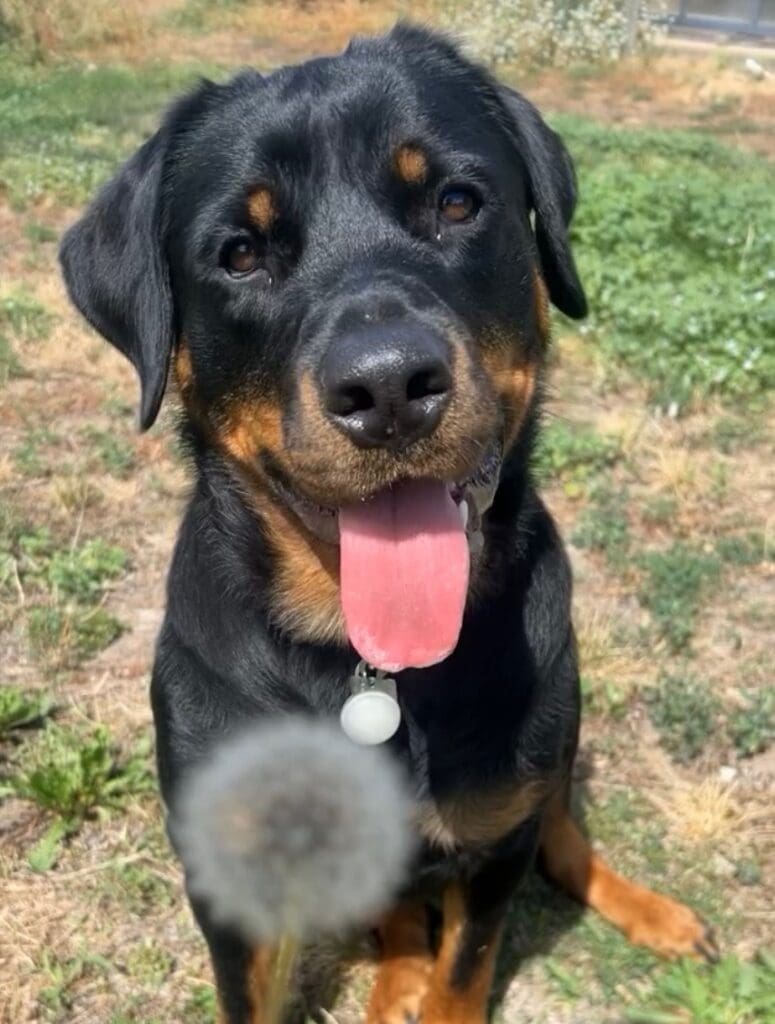
Delilah received support through the McVitie Fund in 2025
Keeping pets safe and healthy
More than 1,300 pets received life-saving care
Last year was tough for many animal guardians. A growing number of British Columbians struggled to keep up with the cost of living and save for emergencies for their animal family members. Meanwhile, shelters and rescues in Canada saw more rescued and surrendered animals flooding through their doors, leaving many organizations at or over capacity. For guardians who had nowhere else to turn, the VHS’s McVitie Fund was a lifeline offering emergency financial assistance for veterinary care.
Last year, 1,372 animals received life-saving care through the McVitie Fund. That’s nearly double the number of animals helped in 2024!
Demand for the program has exploded, with more than eleven times as many applications in 2025 compared to 2020. The surge in demand was featured on CTV News Vancouver in November. Still, despite demand outpacing all expectations, the support of generous animal lovers enabled the program to stay open until mid-December and distribute a record-breaking $642,000 in emergency funds.
Rafiki at the vet
Rafiki back home safe
Thanks to caring people like you, beloved companion animals like Rafiki were able to get the urgent veterinary care they needed to return home to their loving families. After several attempts to resolve an issue with urinary crystals, Rafiki needed life-saving surgery. Thanks to the McVitie Fund, Rafiki was able to get his surgery and return to recover his adoring guardian, Sarah. “If it wasn’t for you, I don’t know what I would have done. Thank you SO much!” Sarah told the VHS. “He’s my baby boy. He means everything to me.”
The VHS’s Executive Director, Amy Morris, spoke to Vancouver City Council in support of two motions to create a kinder city for companion animals, both of which were passed unanimously.
Vancouver City Council voted to push for more pet-friendly housing by asking the Province to eliminate no-pet clauses, and reviewing local housing policies to make sure renters aren’t punished for having a companion animal.
Council also passed a motion to formally consider funding for essential stray cat services, which have been pioneered by the Vancouver Orphan Kitten Rescue Association (VOKRA).
Outreach helped pets in Vancouver’s vulnerable communities
At the VHS’s annual Because They Matter event, staff and volunteers met in Vancouver’s Downtown Eastside community to share veterinary support resources, pet toys, leashes, harnesses, and more essential supplies with animals and their guardians who spend their days on the streets.
The team handed out thousands of pet supplies and hundreds of pamphlets sharing life-saving information about the VHS’s veterinary support programs!
Calling for a more pet-friendly Canada through federal policy change
In 2025, the VHS joined Humane Canada, MP Nathaniel Erskine-Smith, and advocates across Canada in calling for companion animals to be included in emergency planning. A federal e-petition, which aimed to ensure no animal is left behind in emergencies such as wildfires and floods, was signed by almost 7,300 Canadians, including more than 3,000 in B.C.!
The VHS also supported the Protecting Victims Act, which moves to criminalize the distribution of animal sexual abuse images while recognizing animals as victims and tools of coercive control.
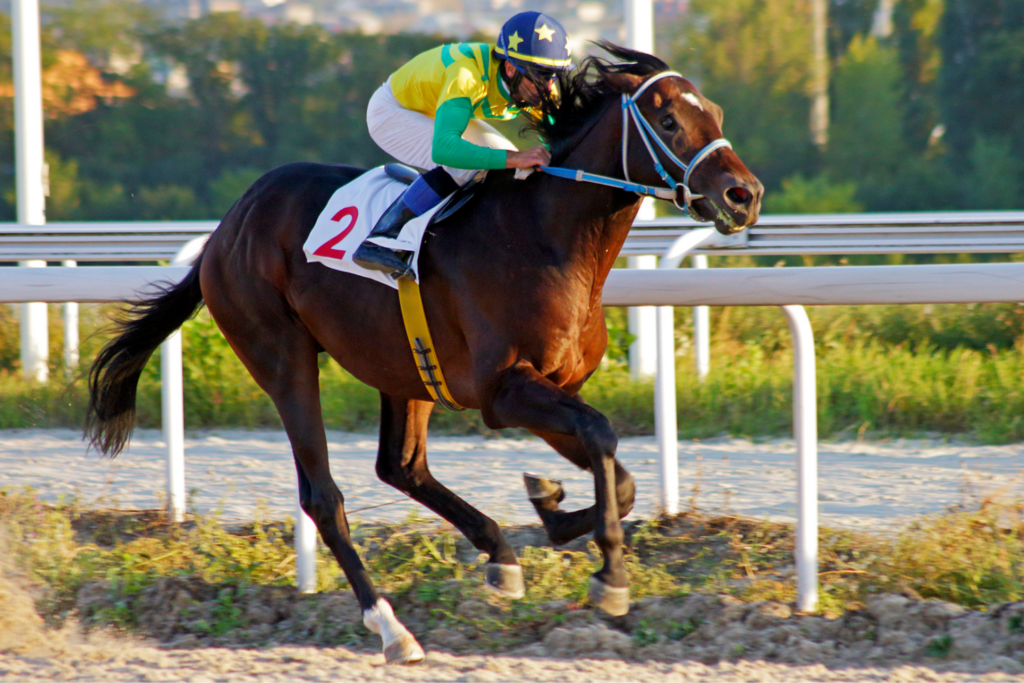
For years, the VHS has been raising awareness about the inherent welfare concerns around horse racing and the risk of injury and death to horses. In particular, the VHS has tracked the high fatality rate at Hastings Racecourse, which was almost double that of the average death rate at tracks with higher safety standards in 2024, and shared reports of tragic horse deaths with local media.
3,374
messages to decision-makers supporting an end to horse racing in 2025
In June, the VHS submitted a report to the City of Vancouver asking that the City not renew the operating agreement at Hastings when it was set to end in 2026, citing welfare concerns, declining attendance, and the track’s reliance on public subsidies to remain operational.
Following declining public support, both of B.C.’s racetracks announced their closure in 2025, saving thousands of horses from being bred into this risky and stressful industry!
Chantelle Archambault from the Vancouver Humane Society discusses the closure of Hastings Racecourse in Vancouver, which was announced this past Friday. Originally aired on The Early Edition from CBC News; shared on The Informed Animal Ally podcast.
Following the track’s closure, the VHS supported the step away from the use of animals in entertainment and called on decision-makers to support a safe retirement for the horses and a transition out of the industry for workers.
Last summer, the VHS’s advocacy around the Stampede rodeo made a stir in Calgary. After support for funding of rodeo events dropped by 16% over the course of the previous year’s campaign, 2025’s messaging about animal welfare was met with stiff corporate opposition.
Three of the VHS’s Calgary Stampede ad campaigns were cancelled by advertising companies after the contracts were signed, leading to media coverage on the censorship of animal welfare messages.
The VHS team ensured animal voices were heard around the Stampede by providing outreach materials at local protests and events around the city and running an in-depth online ad campaign.
The team shared with Calgary and national news outlets about the tragic death of Rider, a horse used in chuckwagon racing and the 110th animal known to have been killed in the Calgary Stampede’s events since the VHS began tracking fatalities in 1986.
A new Mayor and Council were elected in Calgary late last year, opening a new avenue to advocate for change with the municipal government.
Meanwhile, the VHS’s advocacy for animals used in rodeo continued in our home province. In B.C., for the second year in a row, the VHS filmed inhumane and potentially illegal use of electric prods and rough handling of animals at the Coombs rodeo. A cruelty complaint was again filed, leading to a BC SPCA investigation.
5,332
actions calling for an end to inhumane rodeo events
Calling for an end to horse-drawn carriages on Vancouver’s busy streets
In 2025, the VHS shone a light on the risks faced by horses used in carriage rides on busy city streets, and the conversation shifted because of it. Through sustained public outreach, media engagement, and direct advocacy to decision-makers, more people in Vancouver learned why noise, traffic, hard pavement, and constant stimulation from carriage rides are not compatible with horse well-being.
3,063
petition signatures calling to end horse-drawn carriages on busy city streets
While a ban wasn’t achieved last year, the issue stayed firmly in the public eye, building awareness, compassion, and momentum for change.
Thanks to the dedication of animal allies, carriage horse welfare is part of an ongoing, growing movement toward safer, more humane cities.
In 2025, our community came together in powerful ways to protect exotic animals. With the support of thousands of advocates, the VHS ran multiple campaigns calling for stronger protections for exotic, undomesticated animals kept as pets and those used in travelling animal programs.
Advocating for crucial policy changes for farmed animals
In January 2025, the VHS and supporters across B.C. spoke up for stronger provincial regulations to protect farmed animals after shocking footage led to an animal welfare investigation at a Chilliwack slaughterhouse.
1,689
messages sent to protect farmed animals
The VHS also supported calls for a national ban on the production, import, and sale of foie gras, which relies on painfully force-feeding ducks and geese. The federal e-petition received more than 7,200 signatures.
Calling for an end to fur farms
The Vancouver Humane Society joined The Fur-Bearers, MP Gord Johns, and other organizations in urging the federal government to end fur farming across Canada through two federal e-petitions in 2025. Together, the petitions received more than 17,800 signaures, almost 10,000 of which were from B.C. residents!
Photo: We Animals
Speaking up for pigs in Canadian codes of practice
The National Farm Animal Care Council’s Pig Code of Practice provides guidance for the care and handling of pigs raised for meat and breeding on farms across Canada. Last year, this code of practice came under review.
VHS supporters shared crucial feedback during the public input period for the code, using the VHS’s tips sheet to ensure animal well-being is considered in the review process.
Giving Tuesday donors helped farmed animals today and in the future
On Giving Tuesday, the VHS once again partnered with The Happy Herd Farm Sanctuary to raise funds for vital animal supplies to care for rescued animals in a loving forever home, life-saving veterinary support, and advocacy to create meaningful changes for animals.
Incredible allies helped keep animals safe and healthy by donating or shopping at participating businesses, and the first $8,000 in donations were matched by generous local animal lovers.
With the support of the community and matching donors, an amazing $21,612 was donated to help animals in need. Supporters of the Vancouver Humane Society and the Happy Herd’s Giving Tuesday campaign helped provide funds…
…to cover food for all the chickens of the Happy Herd for two years
…AND to reach 100,000 animal allies to advocate for meaningful policy changes to improve animal lives
…AND to cover 12 medical appointments for the cows at the Happy Herd
…AND to feed all the pigs of the Happy Herd for a year and a half
…AND to fund the life-saving veterinary care for 18 pets in need through the VHS’s McVitie Fund.
Saving animals through plant-based advocacy
Helping a new generation of diners choose kinder foods
In fall 2025, the VHS updated the long-running PlantUniversity project to reach a new audience: postsecondary students in the Lower Mainland. The fresh focus of the program aims to make plant-based eating more accessible to young people, many of whom are making their own food purchasing decisions for the first time.
Choosing plant-based more often is one of the most effective ways to reduce suffering while also supporting our planet and personal health.
The PlantUniversity team trained student leaders on how to break down barriers to plant-based eating with their peers, conducted in-class guest lectures, hosted outreach events for students, displayed informational materials on campuses, and created an online resource designed to help students across Canada advocate in their school communities.
A cost-benefit analysis created by the VHS for the City of Vancouver was used to support a recommendation to explore more plant-based options in Burnaby.
This recommendation from the city’s Environment committee prompts municipal staff to explore more plant-forward food options at City facilities, and report back with new ways to promote these sustainable options.
Did you know: If each person in Burnaby ate plant-based just one more day per week, nearly 1.6 million land animals’ lives could be saved each year?
A kinder future for all species
Thank you for making a difference for animals in 2025! Your support is helping to build a more compassionate and humane future. Will you keep the momentum going by taking action on current campaigns to end animal suffering or contributing to vital animal programs and advocacy?
After more than four decades in captivity, a loggerhead sea turtle named Jorge is finally swimming free—an outcome that once seemed almost impossible. His story, shared earlier this year in the National Geographic, highlights both the power of public advocacy and the deep, lasting harms that captive display can cause to wild animals.
Here’s how Jorge the sea turtle prepared for the improbable journey-decades after he was found tangled in a fishing net off the coast of Argentina.
A remarkable return after 41 years in captivity
Jorge was rescued as a young turtle in 1984 after becoming tangled in fishing nets off the coast of Argentina. Instead of being rehabilitated and returned to the ocean—a practice that was uncommon at the time—he was sent hundreds of miles inland to an aquarium in Mendoza. There, he spent more than half his life in a shallow tank, far from the ocean, fed an unnatural diet, and deprived of the complex conditions sea turtles need to thrive.
For decades, Jorge became a local celebrity. But as awareness grew about the impacts of captivity on wild animals, public concern grew as well. Eventually, more than 60,000 people signed a petition calling for Jorge’s release, and environmental lawyers filed a lawsuit to push for his return to the sea.
That advocacy worked.
In 2021, a coalition of researchers, veterinarians, and conservation institutions began a careful three-year rehabilitation process to determine whether Jorge could survive in the wild. Through gradual reintroduction to saltwater, live prey, ocean-like temperatures, and currents, Jorge relearned skills he had almost lost. In April 2025, at roughly 60 years old, he was released into the Atlantic Ocean.
It was his first time swimming freely in open water in four decades.
Satellite tracking showed Jorge travelling north toward the warm waters of Brazil, the region he knew as a young turtle. Against the odds, he is navigating currents, hunting, resting, and behaving like a wild sea turtle once again.
Jorge’s story shows advocacy can change animals’ lives
Jorge’s freedom did not happen by accident. It happened because tens of thousands of people spoke up, signed petitions, applied legal pressure, and refused to accept that lifelong captivity was the only option for a healthy wild animal.
This is a powerful reminder that advocacy matters. Public voices can influence policy decisions, challenge outdated practices, and create opportunities for animals who have long been denied their natural lives. Without sustained public pressure, Jorge would likely still be swimming in circles in a shallow tank instead of enjoying his freedom in his home waters.
Captive display prevents wild animals from thriving
As hopeful as Jorge’s story is, it also underscores a sobering reality: captivity prevented him from living as a sea turtle for most of his life.
During his decades in confinement, Jorge lost essential survival instincts. He did not know how to hunt, navigate open waters, or respond to other animals in his environment. His rehabilitation required years of intensive, expert intervention—resources that are rarely available for most captive animals.
Captive wildlife are unable to engage in many natural behaviours that are crucial to their physical, social and psychological well-being. Even well-intentioned facilities struggle to replicate the vast space, social complexity, sensory stimulation, and choice that animals experience in the wild.
As Jorge’s case shows, captivity can strip animals of the skills they need to survive, leaving them dependent on human care.
Most captive animals will never return to the wild
Jorge is an exception, not the rule.
Many animals who are kept in captivity for long periods are not releasable. Animals accustomed to human interaction, proximity, and feeding often lose their fear of people, struggle to forage independently, or lack the social and survival skills needed in the wild. This is especially true for animals bred in captivity, who may never have learned natural behaviours at all.
Once wild instincts are lost, release can be dangerous or fatal for animals. This is why prevention matters so deeply.
The most effective way to ensure wild animals remain wild is to stop keeping and breeding wild, exotic animals in captivity in the first place. Rather than continuing systems that breed or import animals who cannot be released, we must shift toward models that prioritize animal well-being.
That means transitioning zoos and aquariums away from permanent display of wild animals and toward sanctuary-based models that focus on rescue, rehabilitation, and release of injured or displaced native wildlife. Sanctuaries exist to serve animals—not to use them as attractions—and they recognize that freedom, not entertainment, is the ultimate goal.
Jorge’s journey is inspiring, but it should not distract us from the larger truth it reveals. No animal should have to spend 40+ years in captivity before we finally ask if a small enclosure is the best place for them to thrive.
His story shows us what can happen when advocacy succeeds, and why we must work to ensure fewer animals need such extraordinary intervention again.
Wild animals belong in the wild, and protecting them starts with the choices we make today.
Bill C-16, the Protecting Victims Act, has passed in Canada! Thank you to everyone who supported this historic milestone. You can find more ways to speak up for animals on the VHS’s Current Campaigns page.
Last week, the Government of Canada introduced Bill C-16, the Protecting Victims Act.
This bill that moves to criminalize the distribution of animal sexual abuse images, while recognizing animals as victims and tools of coercive control.
These types images are not only acts of cruelty toward animals—they are also used to groom and exploit children and control victims.
This historic milestone was made possible through years of advocacy from Humane Canada (the federation of humane societies and SPCAs) and Member organizations.
TAKE ACTION: Use the quick message tool from Humane Canada to call on your MP to support the Protecting Victims Act.
Violence against animals and violence against people are deeply connected, a reality that has left children, survivors, and animals without the protections they need. Bill C-16, the Protecting Victims Act, is a crucial step forward that recognizes the violence link and takes action where it is urgently needed.
The bill criminalizes the distribution of animal sexual abuse images, material that has been used to groom, manipulate, and exploit children. It also expands protections for people whose animals are harmed or threatened as a form of coercive control, a tactic widely used in intimate partner violence and criminal harassment.
These measures close long-standing gaps in Canadian law and strengthen safety for the entire family unit.
But Bill C-16 is not yet law. For these protections to take effect, Parliament must pass the legislation. Your voice can help ensure that happens.
Chantelle Archambault from the Vancouver Humane Society discusses the closure of Hastings Racecourse in Vancouver, which was announced this past Friday. Originally aired on The Early Edition from CBC News; shared on The Informed Animal Ally podcast.
On December 5th, Hastings Racecourse announced the immediate end of horse racing at the province’s last track.
The Vancouver Humane Society’s Chantelle Archambault sat down with Stephen Quinn from The Early Edition on CBC Radio to share the VHS’s response, previous advocacy around the racetrack, and what a compassionate retirement for horses would look like. Interview shared with permission.
Stephen: Thoroughbred horse racing at Vancouver’s Hastings Racecourse is ending after more than a century. In fact, it’s been going there for about 130 years. The operator announced on Friday it will no longer run a racing season at the historic facility.
Great Canadian Entertainment, which operates the site, described the move as an extremely difficult decision. It said the decision was made because of a lack of economic feasibility to move forward with another season of horse racing.
Now, the Vancouver Humane Society released a report earlier this year highlighting the need for public subsidies to remain operational.
And joining us now is Chantelle Archambault. She is the Communications Director of the Vancouver Humane Society. Good morning to you, Chantelle.
Chantelle: Good morning. Thank you so much for having me here.
Stephen: Thanks for being with us. Your reaction to the news on Friday that the race course is shutting down after being operational for well over a century?
Chantelle: Yeah, absolutely. I mean, on on the one hand, we’re so grateful for this step toward a future where animals aren’t bred for use risky entertainment activities like horse racing.
The Vancouver Humane Society has been advocating for an end to horse racing at Hastings for many years, given the animal welfare concerns associated with the industry.
And at the same time, we recognize that it brings quite a lot of uncertainty for those connected to the horse racing industry.
We’re very hopeful that all parties, regardless of their perspective on horse racing, share a common priority of ensuring that every horse currently involved in racing is provided with safe, secure, compassionate retirement.
That’s why we’re encouraging both the provincial government and industry stakeholders to prioritize meaningfully supporting both workers and animals in transitioning away from horse racing,
Report on Hastings Racecourse
Stephen: Your organization commissioned a report earlier this year on the history of the Vancouver Hastings Racecourse. What were some of the key findings of that report?
Chantelle: We looked at both the economic and animal welfare impacts of racing.
We found that there were decades of decline at Vancouver’s Hasting Racecourse, and the track was relying on public subsidies to remain operational.
It outlines that there was decline in attendance, revenue, race days.
The race days went down from about 150 a year in the 1980s to about 45 planned for 2025.
Attendance has collapsed from about 1.1 million people in 1982 to about 150,000 in 2022.
In 2023 and 2024, the horse racing industry received about $9 million from slot machining revenue to keep it running.
So there’s been a heavy reliance on public funds to keep this industry going.
And the report also, of course, highlighted the risks that horses face in racing. At least 14 horses died at Hastings in 2023. In 2024, the fatality rate was 1.78 deaths per 1000 starts, which is well above the industry average and nearly double the rate at tracks that have stronger safety rules.
So given that, the racing industry really no longer aligns with the City of Vancouver’s priorities for public access, sustainability, economic resilience. We were recommending an end to horse racing at Hastings Park when the current operating agreement for the racetrack expires, which would have been in 2026.
Stephen: I’m sure the people who work at the track and work with horses would say that they certainly do their best to ensure the health of horses and to make sure that they stay healthy, do they not?
Chantelle: I absolutely am sure they do. It’s impossible to work with animals and not love them and care for them.
But the reality is that there were so many deaths at this track that it seems like it’s an inevitable, inherent part of the racing industry.
What’s next for the horses?
Stephen: So what will happen then to the horses now that they’re no longer competing at the racetrack?
Chantelle: It’s a great question. A responsible transition plan really means developing clear, transparent retirement pathways for every horce that’s racing.
Horses are only able to race for a fraction of their natural lifespan, so this should be a baked in part of the industry, and we are hopeful that it is. Under normal circumstances, any industry that relies on animals should already have a well-developed safety net and in place for animals who age out of the industry.
From our perspective, a good outcome would be for the horses to move out of the racing industry into an environment where they can have positive experiences, bonds, and the freedom to express their natural behaviors.
So some examples of that would be retiring to a sanctuary or therapy horses, in a setting where they can regularly have time to run free.
Declining public support
Stephen: Chantelle, is this something you see just happening here in the Lower Mainland or in British Columbia, or are we seeing a decline in in horse racing operations across North America?
Chantelle: We really only have been looking very closely at British Columbia, but I have heard whisperings that there there is a wider decline across the industry as a whole.
There’s decreasing public support for this industry. I think it’s clear that people are seeing across multiple industries that use animals and put them at risk like this, that there is a decline in public support as people learn more about animal welfare and animal sentience and learn that animals are beings who can feel pain, feel fear, feel stress, and care about their lives.
Stephen: Chantelle, we’ll leave it there this morning. Thank you so much for taking the time. We appreciate it.
Chantelle: Thank you so much for having me.
Stephen: That is Chantelle Archambault, who is the Communications Director at the Vancouver Humane Society, talking about the end of horse racing at Hastings Park after 130 years, and what will happen to the horses and all of the people who work with those horses as well.
The Vancouver Humane Society is partnering with The Happy Herd Farm Sanctuary to make life better for animals this Giving Tuesday!
The joint campaign is raising funds for life-saving work at both local organizations.
Giving Tuesday gifts will go to essential care needs like food and veterinary care for rescued farmed animals at The Happy Herd.
They will also support emergency veterinary care for companion animals in low-income homes across B.C. and vital advocacy to create a brighter future for all animals.
Read the latest story in the Langley Advance Times highlighting some of the animals at The Happy Herd and how you can help.
Vancouver Humane Society partners with Happy Herd to fundraise for the animal farm sanctuary
“At Happy Herd Farm Sanctuary in Aldergrove, the herd is growing and so is the need for support.”
“In recent weeks, the sanctuary has welcomed several new animals, each bringing their own story of survival.”
The sanctuary’s new animals include Cornish cross chickens “Angel and Daisy, who were raised in a horse stall, and Benji, who had been kept alone in a small cage.”
“Casper, a baby rooster, was found abandoned in a cardboard box.”
“He is understandably very scared, but every day his little personality shines through a little more,” said co-founder Diane Marsh.
The Vancouver Humane Society is raising alarms about a dramatic increase in emergency veterinary assistance requests.
The McVitie Fund, which provides life-saving veterinary assistance to low-income B.C. residents, has seen more than 10 times as many applications so far in 2025 compared to 2020.
The rising cost of living as a driving force behind the growing need for help.
The VHS is reaching out to the community to help pets come home safe and calling for long-term solutions so no animal guardian is forced to choose between paying for their basic needs and life-saving pet care.
Read or watch the news story from CTV News Vancouver below.
The Vancouver Humane Society has expressed serious concerns regarding what they describe as an alarming trend in emergency veterinary assistance requests, which have reached unprecedented levels.
“The Vancouver Humane Society has expressed serious concerns regarding what they describe as an alarming trend in emergency veterinary assistance requests, which have reached unprecedented levels.”
“Chantelle Archambault from the Vancouver Humane Society referred to the McVitie Fund as a ‘lifeline for people who have nowhere else to turn.'”
“We’re seeing the cost of living is impacting everyone, and they’re just struggling to keep up,” she added.
“The program is designed to assist those living below the poverty line. Many beneficiaries rely on income sources such as Persons With Disabilities, Income Assistance, Canada Pension Plan, or Old Age Security.”
“Archambault explained that many individuals are left with only $100 to $200 after paying rent, making a large veterinary bill devastating.”
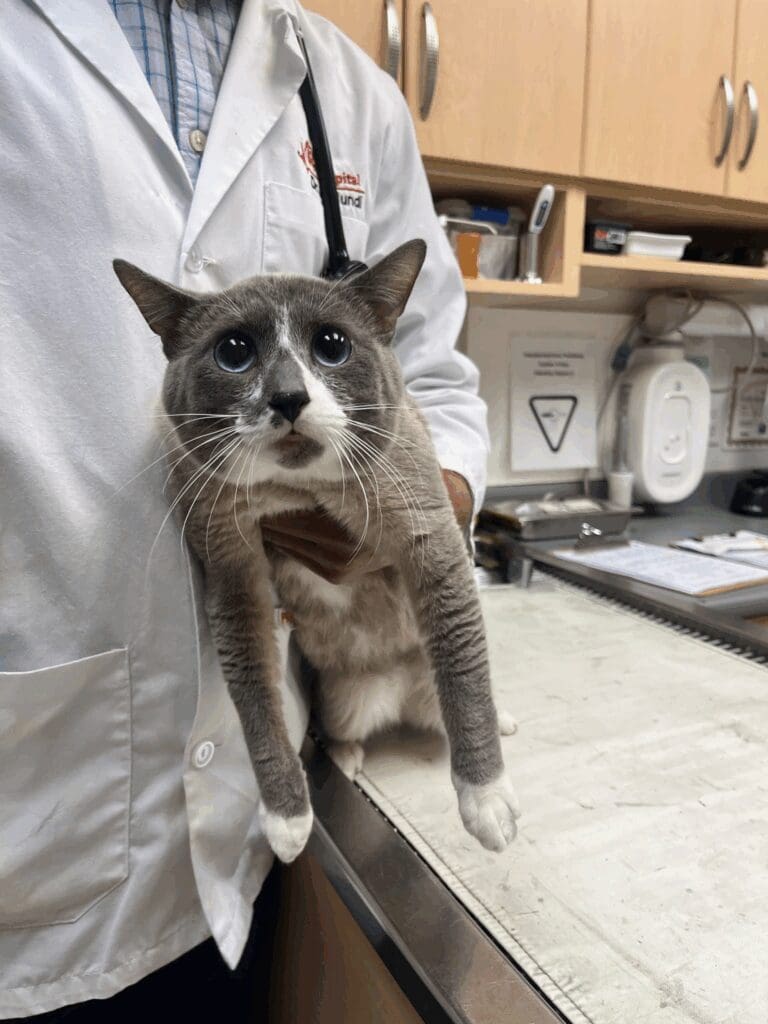
“Sammy” (name changed for privacy), one of the animals helped by the McVitie Fund program this year.
Vancouver, November 17, 2025 — The Vancouver Humane Society (VHS) is raising alarm bells as requests for emergency veterinary assistance reach unprecedented levels in 2025. The organization’s McVitie Fund—which provides life-saving veterinary care for pets in low-income households across B.C.—has already processed more than 2,000 applications this year, surpassing all previous records.
In 2020, fewer than 200 applications were received. By 2024, that number had skyrocketed to around 1,600. Now, with the program exceeding its 2025 budget, the McVitie Fund team is struggling to keep up with the growing need.
“This rapid increase in need for a life-saving community service reflects a heartbreaking reality,” said Chantelle Archambault, VHS’s Communications Director. “More people are being forced to choose between paying rent, feeding themselves, or saving their pets’ lives.”
Most applicants rely on Persons With Disabilities (PWD) income, Income Assistance, Canada Pension Plan (CPP), or Old Age Security (OAS). The program also supports survivors fleeing domestic violence, who can be at specific risk of lacking veterinary care funds—research shows around 99% of domestic violence cases involve financial abuse and around 89% involve pet abuse. Many program applicants report that they are surviving on just $100 to $200 each month after rent.
“It’s no surprise that people are struggling, given the massive increase in cost of living and relative stagnation in government assistance,” Archambault added. Since 2021, consumer prices have ballooned by about 15%. Meanwhile, the provincial support allowance for a single person with disabilities living in the smallest sized unit today is just 8 cents more per month compared to rates effective on May 1, 2021, while their maximum shelter allowance has gone up by $125.
The VHS shared that it is systemic inequities, not personal failings, driving the surge in need. For many living in poverty, pets are their primary source of emotional support and safety. When those families cannot access veterinary care, both the humans and the animals suffer.
The McVitie Fund fills this crucial gap, keeping loved pets in their homes and out of the overcrowded shelter system. Behind each application is a story of unconditional love and resilience.
One cat who received care through the program, Sammy*, was suffering a painful intestinal infection that caused him to stop eating and begin vomiting. His guardian, Michelle*, took him in from a friend who had to go into a shelter. She lives on disability assistance and could not afford treatment.
“He is my boy, and I don’t want to lose him. He loves waking me up in the morning at the most ungodly hour, tapping my face with his paws and bumping his nose on my face. I love him so much,” Michelle told the McVitie Fund program team.
Thanks to the McVitie Fund, Sammy received multiple vet visits, overnight hospitalization, and medication that helped him recover and return home.
“Sammy is just one of the thousands of pets whose lives depend on emergency funding,” said Archambault. “But our resources are stretched thinner every year. Without more support, we may not be able to help every family on a low income that needs emergency assistance.”
The VHS is calling on the community for donations to sustain and expand the McVitie Fund as demand continues to grow, and is encouraging cross-sector collaboration to build long-term solutions that ensure no one has to choose between their own well-being and their animal’s care.