Categories
News/Blog

No more delays for full enforcement of farmed animal transport rules

Success!

2579 individuals used the quick action tool to send an email directly to decision-makers. Thanks to this strong push for action, the CFIA announced that enforcement of new regulations will begin on February 20, 2022. VHS will continue to monitor the situation and advocate for more protections for farmed animals.

Tell the federal government to adequately enforce the farmed animal transport regulations

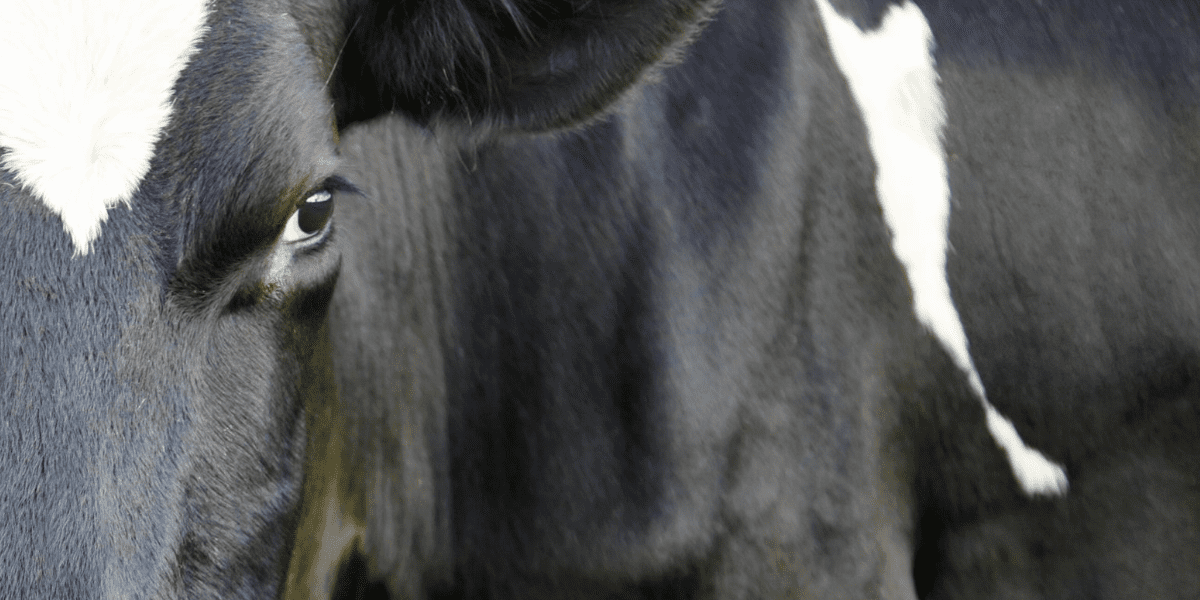
Farmed animals are among the most directly impacted by human activity, with more than 800 million land animals raised and killed for food every year in Canada. Transportation is one of the most stressful activities for farmed animals. Every year in Canada, approximately 14 million animals suffer injuries and 1.6 million die during transport journeys that are often long-distance and in extreme weather conditions.

In February 2019, the federal government announced updates to the farmed animal transport regulations, set to come into force a year later in February 2020. Unfortunately, the new regulations were hardly an improvement on the previous ones that had been in place since 1977. For example, only minor amendments were made to the food, water and rest (FWR) intervals for animals during transport.

Also concerning was the announcement that there would be a two-year delay (until February 2022) for full enforcement of the updated FWR intervals, including issuing large-scale fines, which is known to be the most effective form of enforcement when it comes to changing the actions of companies. This decision was intended to give the industry more time to adjust the shorter FWR intervals and to implement changes to infrastructure and marketing practices needed to meet the requirements. During this time, the Canadian Food Inspection Agency (CFIA) took a soft approach, focusing on educating people about the new requirements.

As the deadline for this two-year delay in full enforcement approaches, it is possible that further delays are being considered. Please join the VHS and other animal protection organizations and advocates in calling on the federal government to prioritize full enforcement of the farmed animal transport rules.

Take action

Please tell the Minister of Agriculture; the Minister of Health; and the President of the Canadian Food Inspection Agency to fully enforce the Transport of Animals regulations, including issuing appropriately sized fines.

This action has now ended

2579 people used this tool to send an email to decision-makers. Thank you for taking action!

Categories
News/Blog

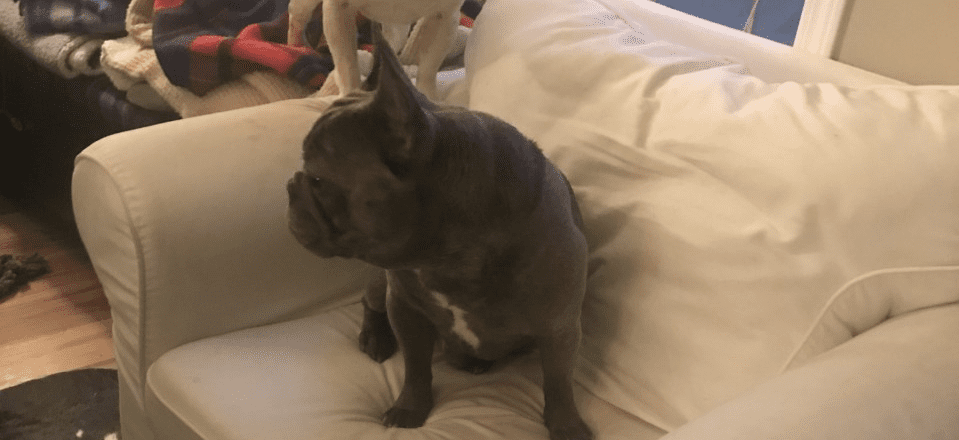
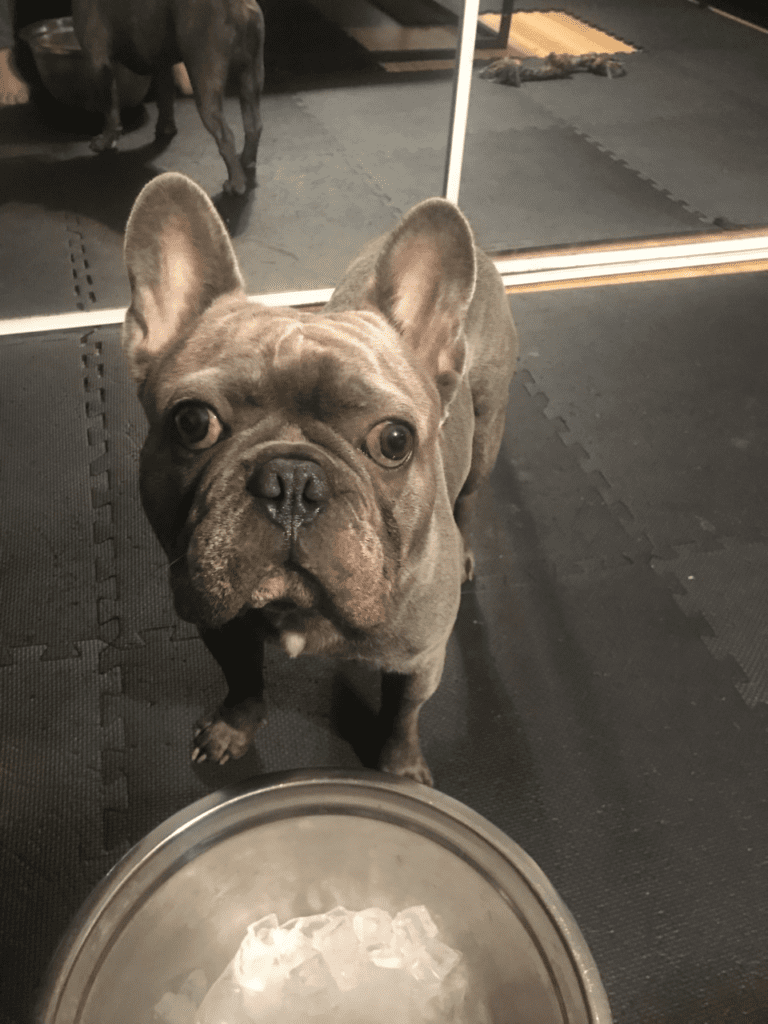
Peanut receives care after flooding leaves him and family trapped at home

Earlier this week, Cultus Lake was hit by flooding and landslides, completely blocking road access into or out of the area. Some households had been given evacuation orders and some people were unable to leave their homes at all.

Two of those left stranded were Sylvie and her dog, Peanut.

“I’ve never seen such destruction in Cultus Lake,” Sylvie said. “There are huge holes in the road and they are filling with water. We’ve had landslides like this here before, but I’ve never seen anything like this before in my life. The parking lot at the community hall is now a big crater!”

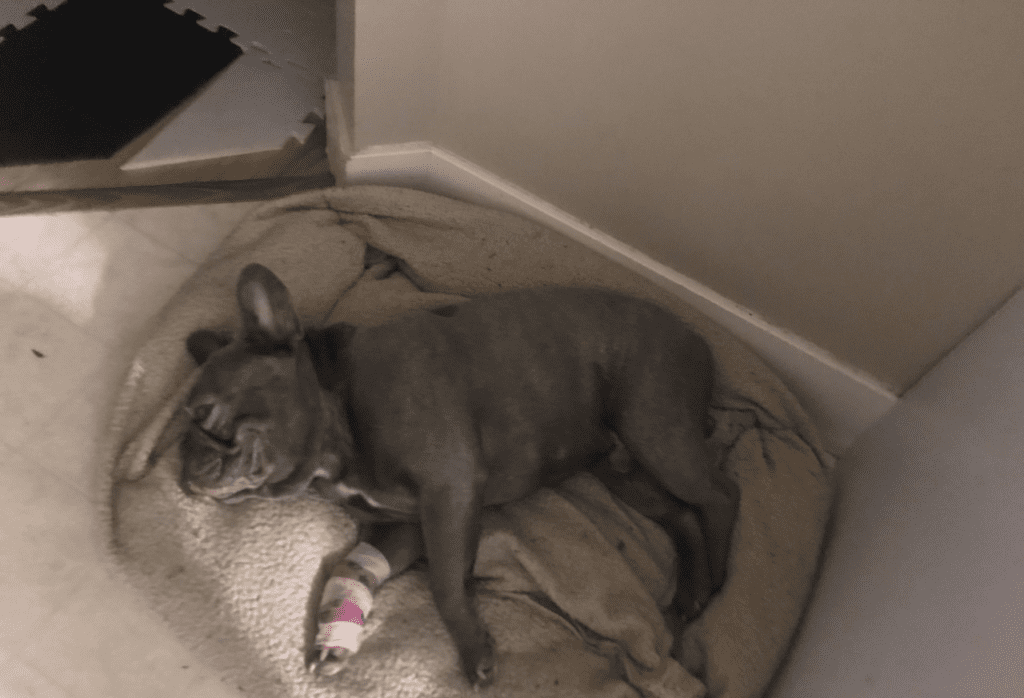
But being homebound would become much more troubling for Sylvie. Peanut soon injured his dewclaw, leaving it bent all the way back. Sylvie said that he seemed like he was in such pain that his eyes and ears were turning red. While she would have normally rushed him to the veterinarian, she now had no way of getting there.

“The lake now has floating wood and debris in it all around the shoreline. At first we couldn’t leave the house at all for resources because it wasn’t safe or possible to leave.”

Sylvie was finally able to get Peanut to the vet yesterday where, with help from Vancouver Humane Society’s Flood Evacuee Veterinary Support fund, he had the claw safely removed and received pain medication.

Many stories like Sylvie and Peanut’s are now emerging; we know that more pet guardians will need assistance in the coming days and weeks. Of the thousands of flood evacuees, more than half of households have pets.

In a time when people are doing their best to ensure their loved ones are safe and healthy, we are working to eliminate the financial barriers that come with unexpected veterinary costs for their animal family members.

Vancouver Humane Society’s Flood Evacuee Veterinary Support is here to help any pet guardians impacted by the flood with costs related to veterinary care, including medications and vet-recommended food that may have been left behind in the evacuation, as well as treatment for illnesses or injuries. Those needing support are asked to reach out through our online form, by email at mcvitie@vancouverhumanesociety.bc.ca, or by phone at 604-336-1390.

We are truly grateful for the support of our community in this time of crisis. If you are able to donate toward veterinary support for flood evacuees, we welcome gifts through the form below. All donations toward our veterinary support fund are currently being matched 100% up to $25,000 by an anonymous donor.

B.C. Flood Evacuee Veterinary Assistance

Categories
Opinion

It’s time to boycott the dairy industry

Article originally published on Daily Hive.

The clock has been ticking in the dairy industry for a while, and a recent public scandal may be the time bomb that draws the dairy milk era to a close.

Footage leaked by Animal Justice shows cows being ruthlessly beaten and tormented allegedly at Cedar Valley Farms, a dairy farm in Abbotsford.

In the heartbreaking video, workers hit cornered cows in the face with canes; mother cows wail hauntingly and are kicked in the face by employees as their babies are roughly grabbed by their fragile legs, tossed into wheelbarrows, and rolled away to the slaughterhouse or to be raised for the same cruel fate.

While this blatant cruelty is the worst I have seen, it’s unfortunately nothing new. Animal abuse and suffering are endemic in the dairy industry. To fully understand why that is, we need to go back to the last headline-making video leak from a BC dairy farm.

In 2014, hidden cameras at Canada’s largest dairy farm in Chilliwack revealed horrific abuses. Video footage showed cows being punched, kicked, and beaten with chains and rakes; left to suffer with open wounds and without desperately needed veterinary care; and lifted up by their necks using chains and tractors.

In the ensuing public outcry, the eight employees involved were fired and many faced animal cruelty charges.

The incident prompted a more in-depth look into the dairy industry as a whole. Soon after, the National Farm Animal Care Council’s (NFACC) Code of Practice, which outlines appropriate treatment of the animals used on farms, was incorporated into legislation in BC. The industry also implemented a system of inspections to ensure farmers were complying with the regulations.

In droves, they weren’t.

Within the first 18 months of the new system being implemented, 27 percent of farms failed the inspections and required corrective action; 10 percent were still deemed non-compliant upon their follow-up inspection. Findings described farms with inadequate space for cows, including during the stressful birthing process; extremely limited access to feed troughs; wet and dirty pens; and cows showing such severe signs of lameness that they had to be euthanized.

At the time, industry leaders placated questioning consumers with supposed reasons for the non-compliance: farm owners simply didn’t know about the regulations or new methods. They floated goals of improved education, spot checks, and the ever-effective “peer pressure” to improve conditions.

It has been seven years since the dairy industry began conducting inspections with the goal of improving consumers’ confidence in the food they purchase. By now, the typical dairy buyer would expect the industry to have ironed out any kinks in their system. The most recent video leak has thrown a wrench directly into that carefully curated trust.

This year’s footage from Cedar Valley Farms is yet another reminder of what happens when sentient animals are treated as commodities for profit – “cash cows” in the most literal sense of the word.

It has revealed to consumers that cruelty is still rampant, that an organic label on an animal-based product doesn’t necessarily indicate an ethical purchase, and that ultimately the dairy industry cannot be trusted to self-regulate.

Consumer trust is hard to build when you can’t know if the animals whose bodies produced the milk were treated with respect. The milk used for commercial dairy products is typically “pooled” in BC, meaning if you purchase products like cheese, yogurt, ice cream, sour cream, or butter from the grocery store, it’s virtually impossible to tell which farm they came from.

There is also increasing awareness about the suffering inherent in the production of dairy. Cows don’t produce milk all the time; they produce it for their young, like humans and any other mammal. In order to ensure a consistent milk supply, the dairy industry repeatedly impregnates cows and removes their calves as early as just after birth. Calves reared without their mothers experience unnatural behavioural changes and drink far less milk from a bottle than they would otherwise. Their mothers experience an increased risk of mastitis when suckling is not allowed. Then, when the cows are no longer productive, they are typically sent to be slaughtered for meat between two and six years old. Their life expectancy outside of the industry is 15 to 20 years.

The dairy industry has been given endless chances to change for the better, and they have failed to do so again and again. Of course they have – there is money to be made in the status quo.

What this industry fails to realize is that humans do not need animal-based dairy. It is not a necessary part of the human diet, and all the nutrients it provides are found in other foods. With the increasing shift toward plant-based eating, there is a wider variety of delicious animal-free alternatives than ever.

Time is up for the dairy industry’s endless journey of supposed self-improvement. In a consumer society, only consumer action will spark a change. Only when people start reaching for oat milk instead of 2% or canola oil instead of butter will we see a breakthrough in the treatment of farmed animals. It’s time to vote with our wallets. It’s time to boycott animal-based dairy products.
Categories
Opinion

Government support needed to help resolve veterinary care crisis in B.C.

Article originally published on The Georgia Straight.

Veterinary care in British Columbia has reached a point of crisis, and veterinary staff, pets, and guardians are all feeling the strain.

Pet guardians report months-long wait times seeking care for their animals, who are suffering due to staff shortages.

Meanwhile, veterinarians are more than twice as likely to experience suicidal thoughts when compared with other Canadians. Some aging veterinarians in B.C. worry that they will feel guilty leaving their work to their colleagues when they retire.

So how did we get here, and, more importantly, how do we fix it?

To start with, there are simply not enough veterinarians to handle the sheer volume of pets who need help. In Canada, there is about one cat or dog for every two people. In British Columbia, there is just one veterinarian graduating into the workforce each year for every 102 doctors—an especially bleak statistic considering there is also a doctor shortage in the province.

Anyone who wishes to become a veterinarian in this province must vie for one of only 20 spaces with financial aid, which would allow them to study at the Western College of Veterinary Medicine in Saskatoon for a reduced tuition fee of $11,000 per year. Those who cannot find a coveted spot must cover the entire tuition themselves—a whopping $67,000 annually.

The time, difficulty, and expenses incurred in becoming a veterinarian and maintaining a veterinary practice can drive up the cost of care for pet guardians.

Since veterinary care is not subsidized by the government, this can spark a vicious cycle that leads to stressed pet guardians, less than ideal communication between guardians and veterinary staff, and animals not getting the care they need until their health is in a severe state of crisis.

All those factors can contribute to veterinarians and veterinary technicians taking on even further mental and emotional burdens.

recent research article from the Vancouver Humane Society (VHS) and Dalhousie University assistant professor Haorui Wu proposes steps that would help break this cycle. The research delves into recommendations from pet guardians who experienced barriers to veterinary care during the COVID-19 pandemic.

It ultimately finds that changes like financial support for low-income pet guardians and training for veterinary staff on a trauma-informed approach could reduce the stress of both guardians and veterinarians while improving the lives of animals.

The link between the health of animals and the well-being of the humans around them is common sense to many people who share their home with a pet. When a guardian is unable to afford needed care for a beloved pet, the guardian often experiences stress, guilt, and shame. When a veterinarian euthanizes a pet that was unable to receive preventive care for financial reasons, the loss of that animal can take a severe emotional toll on all who are involved.

The interconnectedness between human and animal well-being has been explored in recent years under the moniker “One Health, One Welfare”. VHS’s research highlights this approach as a best practice.

One local example of this practice in action is Community Veterinary Outreach (CVO). “Our group utilizes the One Health approach,” says Doris Leung, veterinarian and regional director of CVO in Vancouver. “We recognize that by improving an animal’s health and well-being, you can improve the pet guardian’s health and well-being as well. Our volunteers support marginalized pets and their owners in Vancouver’s Downtown Eastside (DTES).”

With CVO events, pet guardians have access to caring, trauma-informed veterinary services in concert with human health services. For instance, they can learn about the importance of tooth brushing to promote good oral hygiene for their pets and to prevent pain and suffering with periodontal disease. At the same time, they can get support for their own oral health from volunteer dental hygienists at the clinic.

When pet guardians have positive experiences in seeking care for their animal—whether that means finding care with a holistic model similar to CVO, being supported through payment plans, or speaking with a veterinarian who has received training in trauma-informed care—they are more likely to prioritize veterinary care in the future.

These services help to ensure that animals will receive preventive care and decrease the need for euthanizations performed due to a lack of funds. A trauma-informed approach improves the communication between veterinarians and their clients, transforming normally stressful interactions into productive partnerships. If implemented now, these changes can even begin to decrease burnout in the veterinary sector.

Note: If you’re thinking about suicide, or are worried about a friend or loved one, you can call the Canadian Association for Suicide Prevention at any time.

Categories
Media Release

City of Vancouver can save money and help tackle climate change through plant-based foods, says report

VANCOUVER, Nov 3, 2021 – Vancouver City Council is considering a motion today that could help decrease spending, reduce greenhouse gas emissions, and improve animal welfare. The motion would support recommendations from a recently released report by the Vancouver Humane Society (VHS), which highlights the impact the City of Vancouver can make by replacing 20 percent of their animal-based food purchasing with plant-based alternatives.

The report looks at the current food purchasing strategies for the City of Vancouver and outlines the annual cost and greenhouse gas emissions associated with foods typically purchased. By making a shift in their purchasing, the City of Vancouver could expect to save up to $99,000; 500 tonnes of greenhouse gas emissions; and the equivalent of nearly 400 farmed animal lives on an annual basis. The report outlines the impacts of three strategies that effectively replace 20 percent of animal-based foods purchased with plant-based alternatives.

“The evidence is clear that we need to shift our diets and our food system toward more humane and sustainable plant-based foods,” said VHS Campaign Director, Emily Pickett. “In Vancouver, the consumption of food makes up nearly half of the City’s ecological footprint, particularly from intensive agriculture producing meat and dairy products made from animals. There’s a lot of opportunity for positive change and we’re pleased to see this important discussion happening at the City of Vancouver level.”

The motion acknowledges that livestock farming is a significant contributor of greenhouse gas emissions; the United Nation’s Intergovernmental Panel on Climate Change (IPCC) has advised that a plant-based diet can help in the fight against climate change. It goes on to highlight how a shift toward more sustainable and healthy plant-based foods aligns with existing City of Vancouver priorities, including the City’s Climate Emergency Action Plan and the Healthy City Strategy. The motion recommends that Council direct staff to consider the policy options outlined in VHS’s “Increasing Plant-Based Purchasing at the Municipal Level” report.

The full report can be accessed on the VHS website and the “Plant-Based Purchasing Savings for City and Climate” motion can be accessed on the City of Vancouver website.

-ends-

For further information: Emily Pickett: 604-416-2902, emily@vancouverhumanesociety.bc.ca

Related links:

https://vancouverhumanesociety.bc.ca/posts/municipal-plant-based-purchasing/

Categories
Opinion

Taking pets from the poor to give to the rich

Article originally published on Daily Hive.

When a child of a wealthy parent breaks their arm, they can go to the hospital, receive diagnostic x-rays, and be treated without their family worrying about the cost of care.

When the child of a low-income parent breaks their arm, they get the same treatment. That’s because mandatory medical expenses are covered under MSP in British Columbia. Unfortunately, the story would be very different if the family member needing care were a dog.

Veterinary care is not subsidized by the government, which leads to some bleak statistics. More than 100,000 pets were surrendered to Canadian shelters in 2019. Research tells us financial difficulties are one of the top reasons people give up their pets.

Those surrenders have a huge impact on families. 58% of Canadians have a cat or dog in their household; evidence shows that these companion animals provide emotional and mental health benefits to their human guardians and even help them react, cope, and recover from disaster situations. And yet, veterinary care is not considered a priority in the holistic care of Canadians – not widely, and certainly not in a way that is supported by government funding.

People who are living on a low income do not have the luxury of saving for emergencies. If their beloved pet falls ill, if they escape from the house and get hit by a car, or if they develop a suspicious lump on their paw, those animal guardians are forced to make almost impossible decisions.

One animal guardian who received assistance through Vancouver Humane Society’s (VHS) Helping Women and Pets in Crisis program said, “We spent our rent money to get him medicine in the hospital to prevent him from suffering. I accepted that I would have to without some basic needs and put off rent for a couple of months to catch up financially.”

These concerns are commonplace among the people who reach out to VHS for help with veterinary bills. Do I pay for my cat’s biopsy, or cover rent this month so we both have somewhere to live? Would my dog be better off if I manage his pain at home, or surrender him to an animal shelter that could give him the emergency surgery he needs?

This is where the current system of paid veterinary care runs into complicated equity issues. In cases when a person can’t afford needed veterinary services, they often have little choice but to give up their pet. That animal experiences the stress of losing the most important person in the world to them. In turn, they are adopted out to another, most often wealthier, family. The result is a system that effectively takes pets from the poor to give them to the rich.

One animal guardian VHS spoke with expressed their confusion and frustration with the current system: “I still have the fear if you can’t pay for the bill, they may ask you to surrender the animal. I didn’t want to surrender the animal. I can feed her. She’s loved. She’s not abused.”

Indeed, the oft-refuted claim that pets of people experiencing low income and homelessness are well cared for has now been backed by a study from the University of Guelph. The study affirms what low-income pet guardians have always known: that people experiencing low income and even homelessness care for and love their pets, going as far as to put their animal’s needs ahead of their own. All they need is a little support.

A recent research article published by VHS and Dalhousie University Professor Haorui Wu gives some insight into what form that support may take. Pet guardians who experienced barriers to veterinary care in 2020 said they could have more easily accessed care for their animals with the help of payment plans, compassionate pricing for low-income people, and government regulations to ensure consistent costs.

The article also suggests that veterinary staff receive training in trauma-informed practices, which would improve doctor-client communication, reduce stress for animal guardians and veterinary staff, and encourage low-income individuals to seek veterinary care before their animal’s health is in such a severe state of crisis that they must be euthanized.

British Columbia is facing a veterinarian shortage, with severe related mental health impacts. Add to that a housing shortage and an opioid crisis, and the outlook for pets is not good in our province.

If we want mental health support for all, financial security for all, and equity for all, the choice is clear: we need accessible, trauma-informed veterinary care for all.

Categories
Media Release

“Nobody should have to choose between paying rent and for veterinary care,” says pet guardian in new research from Vancouver Humane Society

VANCOUVER, Oct 26, 2021 – People living on a low income have strong bonds with their pets. However, structural barriers – like a lack of animal-friendly transportation and financial affordability – make it difficult for these loving guardians to access needed veterinary care. The existing barriers have been compounded by the COVID-19 pandemic, when animal hospitals had to cancel or limit appointments and guardians were unable to accompany their pets into the clinic.

new journal article published by the Vancouver Humane Society (VHS) and Dalhousie University Professor Haorui Wu offers unique insight into the barriers faced by low-income people accessing veterinary care in 2020. The article details the lived experiences and recommendations of twelve animal guardians who accessed financial support for urgent veterinary services.

“I still have the fear if you can’t pay for the bill, they may ask you to surrender the animal,” explained one animal guardian living on a low income. “I didn’t want to surrender the animal. I can feed her. She’s loved. She’s not abused.” When a veterinarian or animal shelter requires a low-income person to surrender their pet to get access to veterinary care, a serious ethical dilemma exists as the pet is then rehomed into a wealthier family.

Examining and addressing barriers to veterinary care is a key part of creating a more equitable society. Companion animals are an essential part of their guardians’ lives now more than ever – with evidence suggesting that animals positively impact how people react, cope, and recover from disaster situations.

“Nobody should have to choose between paying rent and for veterinary care,” another participant said. “I find that a really scary thought.”

The article lays out suggestions to help low-income animal guardians access care, such as offering payment plans and training staff to offer trauma-informed services – the same approach used by social services workers who already interact with underserved communities daily. Creating an environment where all guardians can access veterinary care can reduce their stress, help animals get the urgent care they need, and encourage low-income individuals to bring their pets in for preventative care before their health is in crisis. It can also remove the need for financially motivated euthanasia, which needlessly takes animal lives and takes a severe mental toll on veterinarians and technicians.

The research process was funded by the Social Sciences and Humanities Research Council (SSHRC). It can be found on the VHS website.

-ends-

For further information: Amy Morris: 604-416-2901, amy@vancouverhumanesociety.bc.ca

Related links:

https://vancouverhumanesociety.bc.ca/posts/new-research-veterinary-care-covid-19

Categories
News/Blog

5 activities to help children love animals

Looking for animal-friendly activities for kids? Try these 5 activities to help your children develop a love of animals!

There is something special about the bond between children and animals.

Children are fascinated by animals; they are able to connect with them on an emotional level and empathize with their perspective. Having empathy for animals helps children to grow in a number of ways. Children who learn to respect animals also:

  • develop a respect for other lives
  • learn to read nonverbal cues
  • develop lifelong compassion

But how can parents and caregivers help children foster a love of animals?

This question has come up recently in the Lower Mainland, where the City of New Westminster launched a public consultation seeking feedback and ideas from residents for alternatives to the Queen’s Park petting farm. This is a great move toward more animal-friendly public spaces; you can read more about why replacing the petting farm is a win for animal welfare and public health and safety in our latest blog post.

Luckily, there are many ways for children to develop empathy for animals outside of petting farms. Keep reading for more ideas!

1. Go for a wildlife walk

Two young children looking out at seagulls on the ocean.

New Westminster and the rest of the Lower Mainland are filled with beautiful walking trails! You can also spot many species of urban wildlife like squirrels and pigeons around the city. Try visiting a local trail or park to look for birds, squirrels, frogs, and other small wildlife.

Seeing wild animals can give children the same sense of wonder as seeing captive ones—without causing animal suffering. Bonus: this activity has an added educational element! Viewing wildlife from a distance helps children to understand that humans share our environment with many animals who should be given space and respect.

2. Watch a wildlife webcam

Rubbing Beach – Underwater powered by EXPLORE.org

See for yourself what it looks like when the orcas in British Columbia’s Johnstone Strait take part in the unique behavior called “beach rubbing.” Watch live and learn more about orcas on Explore.org @ https://goo.gl/sYStfy. EXPLORE is the largest live nature cam network on the planet.

Looking to learn about other ecosystems and animals a little farther from home? There are many webcams set up around the world to observe wildlife in their natural habitats, like this daily live safari or these orca cameras right here in B.C.

Talk about what the animals are doing, such as looking for food to eat or caring for their babies. Caregivers can also introduce children to the concept of conservation by explaining that it’s important to have spaces in nature where animals can live free.

3. Visit a farm sanctuary

A happy toddler pets a calf at a farm sanctuary

If you’re able to travel a little farther, consider visiting a farm sanctuary or even volunteering! Farm sanctuaries value compassion for all living beings, so children can learn about having empathy for animals and creating a kinder world. You can find a map of farm sanctuaries near you from P.E.A.C.E.

If you don’t have the chance to take a day trip, you can still learn all about farm sanctuaries and meet some of the animals with this informative video from The Happy Herd.

4. Interact with companion animals

A girl lies on the floor with a dog

Having companion animals at home is a great way for children to learn to care for another life. However, not everyone can have animals in their home. If you are able to, consider visiting or meeting up with a friend and their companion animal so your child can meet and interact with them. Families with older children can also check whether their local animal shelter has youth volunteer opportunities.

Interacting with companion animals can help children to learn social skills like nonverbal cues. For instance, teaching a child that a dog wants to be patted when she is nuzzling, sniffing them, and wagging her tail; or that she wants her own space when she begins to walk away.

5. Read stories with animal characters

Storytime with Esther T.W. Pig: The True Adventures of Esther the Wonder Pig

Relax, sit down, and have a listen to “The True Adventures of Esther the Wonder Pig”. You can also check out a digital copy of the book, FREE of charge, on our website at www.estherthewonderpig.com Enjoy.❤️

Children do not need to touch or even see animals to love them—just ask any kid who is obsessed with dinosaurs! Books do a great job of helping children empathize with characters they would not necessarily meet in their day to day life, including animals. Here are some of our favourite children’s books with animal characters:

  • The True Adventures of Esther the Wonder Pig (recommended for ages 4-8 years)
  • Charlotte’s Web (recommended for ages 7-10 years)
  • Black Beauty (recommended for ages 8-12 years)

After you read with your child, you can help them understand even more about the animal in the story by looking up child-friendly facts about that species.

Looking for more animal-friendly activities for kids?

Find more resources to help children learn about animals on the Vancouver Humane Society website.

Categories
News/Blog

Take action for animals at the New Westminster Petting Farm

Take action for animals at the Queen’s Park Petting Farm

Tell the City of New Westminster you support their move toward animal-friendly public spaces

Will you support animal-friendly public spaces in New Westminster?

Earlier this year, VHS wrote to New Westminster City Council regarding the Queen’s Park Petting Farm. We shared a briefing note highlighting our evidence-based concerns related to animal welfare, public health and safety, and public education. The note included considerations such as:

  • Petting zoos are stressful for animals, who have little or no way to escape from unwanted petting, chasing, noise, and crowds.
  • Studies show that petting zoos can host diseases such as E. coli and Salmonella and can be a breeding ground for antibiotic-resistant bacteria.
  • Most children who visit petting zoos do not gain any new knowledge about animals or conservation. (See these animal-friendly alternatives for more educational family activities.)
  • The smell of animals in petting zoos can attract coyotes.

We recommended that municipal decision-makers close the petting farm and are pleased to see City Council moving in this direction. The City of New Westminster recently launched a public consultation seeking feedback and ideas from residents for an alternative long-term future for the space at Queen’s Park.

Take action:

1. Residents of New Westminster can participate in the online forum now!

We’re encouraging New Westminster residents to participate in the consultation and show their support for closing the petting farm and shifting the space to be focused instead on local, sustainable food production. This is a prime opportunity to improve public access to humane, healthy, and sustainable plant-based food. Share your excitement and ideas with municipal decision-makers!

Some ideas that have been suggested in the consultation are:

  • A community garden with plant-based food preparation lessons
  • A space for seasonal classes such as preparing balcony produce planters
  • A pollination garden

For more background information and VHS’s recommendations to City Council, read our briefing note on the Queen’s Park Petting Farm.

2. Know someone in New Westminster?

Share this page with your animal-friendly friends and family using the buttons below.

3. Share the tweets below.

Thank you @New_Westminster for taking action to create animal-friendly alternatives to the Queen’s Park Petting Farm.
Vancouver Humane Society
Tweet
The move by @New_Westminster to reimagine the Queen’s Park Petting Farm space is great news for animal welfare, public health and safety, and family education.
Vancouver Humane Society
Tweet
Petting farms are stressful for animals and can be a health hazard for humans. I support the move by @New_Westminster toward a more animal-friendly and family-friendly public space in Queen’s Park.
Vancouver Humane Society
Tweet

Read the briefing note:

Categories
News/Blog

Your input helps animals!

Vancouver Humane Society is planning our animal advocacy work for the next year—and we need your help! Can you take three minutes to fill out the 2022 Vancouver Humane Society survey and share your animal protection priorities for 2022?

Your input will help us to make important decisions as we work together to build a kinder world for animals by:

  • Targeting key decision-makers to reduce animal suffering across B.C. and Canada
  • Working with governments and agencies to implement more humane policies and practices
  • Assisting placed-at-risk people and their companion animals to access the veterinary care they need
  • Sharing important information to help people make compassionate choices

To show our appreciation for your time completing the survey, you will have the option to enter to win a $50 gift card to Vegan Supply.

UPDATE: The survey is now closed. You can learn more about VHS’s current work to help animals in our latest news section.