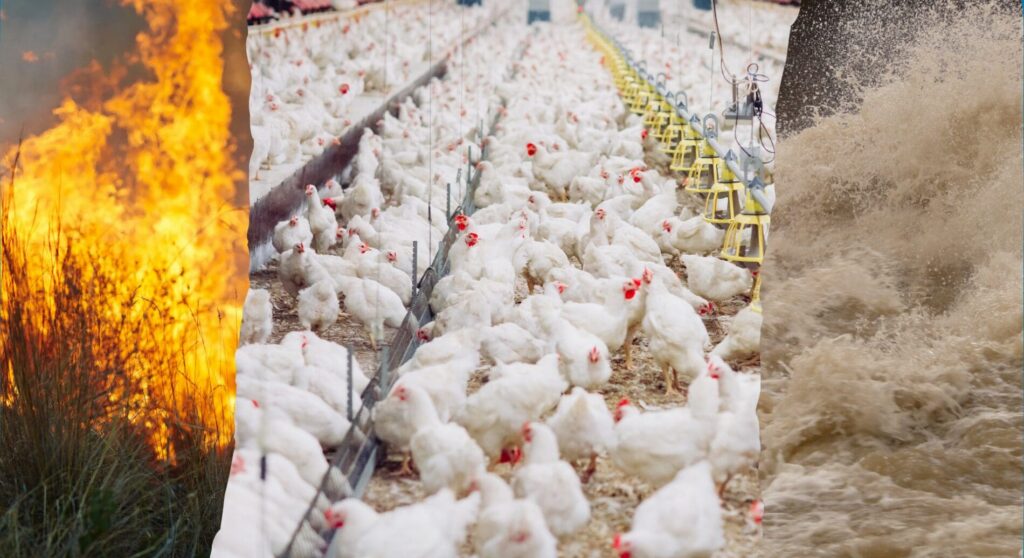
Learn about farmed animal welfare in Canada & what you can do to help.
Get clear explanations, action alerts, and practical steps you can take when it matters most. No graphic content. No judgment. Unsubscribe anytime.
Plain-language explanations
Farmed animals are living, feeling beings. Yet most of the decisions that shape their lives happen quietly, through policies most people never see. This email series is designed to change that.
Alerts when input is needed
Public participation shapes what standards become acceptable. We’ll send you simple ways to participate, no policy expertise required! Your voice can make a difference in the lives of animals.
Guidance on how to take part
This education series helps you understand how farmed animal welfare works in Canada, where animals fall through the cracks, and how your voice can improve protections for animals.
Why this series exists
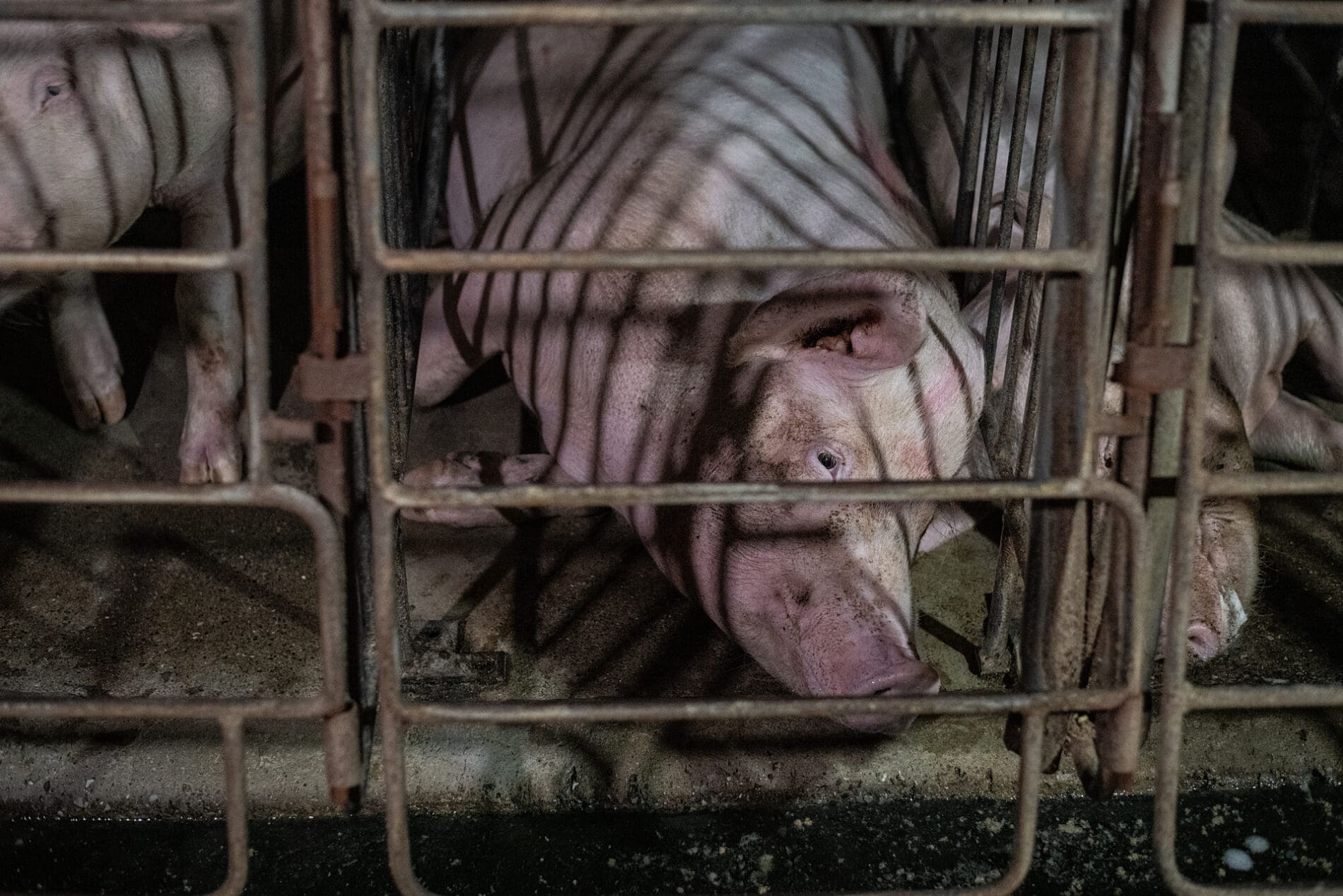
Credit: Jo-Anne McArthur/We Animals
Having rules doesn’t always mean animals are protected.
In Canada:
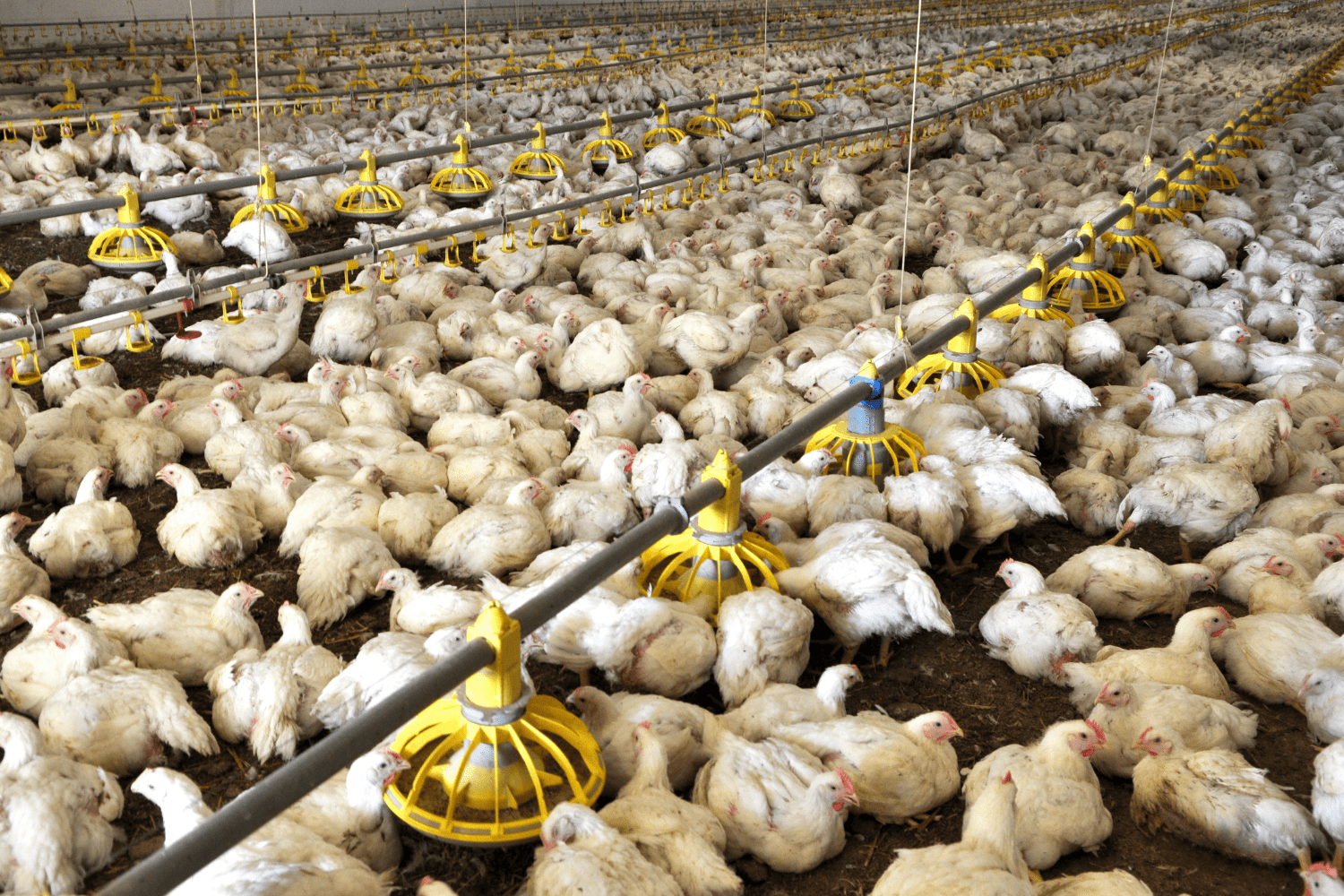
Some practices that cause animals harm are legal
Oversight is limited and inconsistent
Many welfare standards are voluntary rather than enforceable
Responsibility is spread across federal laws, provincial systems, and national guidelines
When systems are fragmented, animals fall through the gaps.
You don’t need to be an expert to help
When more people understand how these systems work and speak up:
 Vancouver Humane Society