Bus ads and billboards share the benefits of plant-based eating
What if compassion for animals could start with what’s for dinner? That’s the question the PlantUniversity program is trying to answer this fall.
Starting in the summer and extending throughout the rest of the year, the PlantUniversity team has published advertisements all over buses, billboards, and the internet to encourage people to help farmed animals by choosing more plant-based foods.
By showcasing the ways that plant-based eating helps animals, our environment, and our own health, PlantUniversity is amplifying the voices of farmed animals and saving lives every day. Every plant-based meal makes a difference, and the team wants to make it easier with simple recipes and guides available at their website.
How effective is plant-based advocacy? Each person who chooses plant-based food can save hundreds of animal lives every year. Research shows that this type of advocacy could spare 3.7 animal lives for each dollar spent (USD).
VegFest at UBC shared the joy of plant-based food with thousands of students
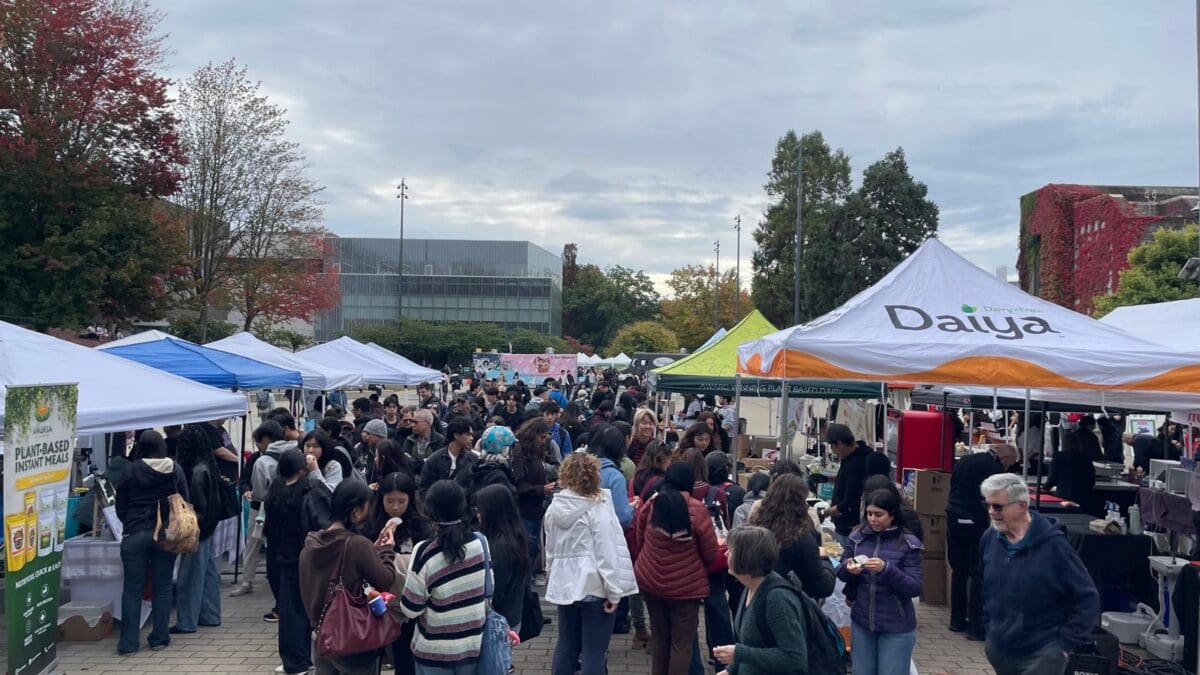
Another exciting program was the return of UBC VegFest on September 28th, an event dedicated to showing students in Vancouver all of the amazing options they have around them to choose plant-based.
Local businesses, advocacy groups, and student clubs all gathered outdoors to offer free samples, meals, and resources to help cook at home. The event meets students during an important stage when many are choosing what to cook for the first time in their lives. UBC VegFest helps those students make the choices that help animals, one meal at a time.
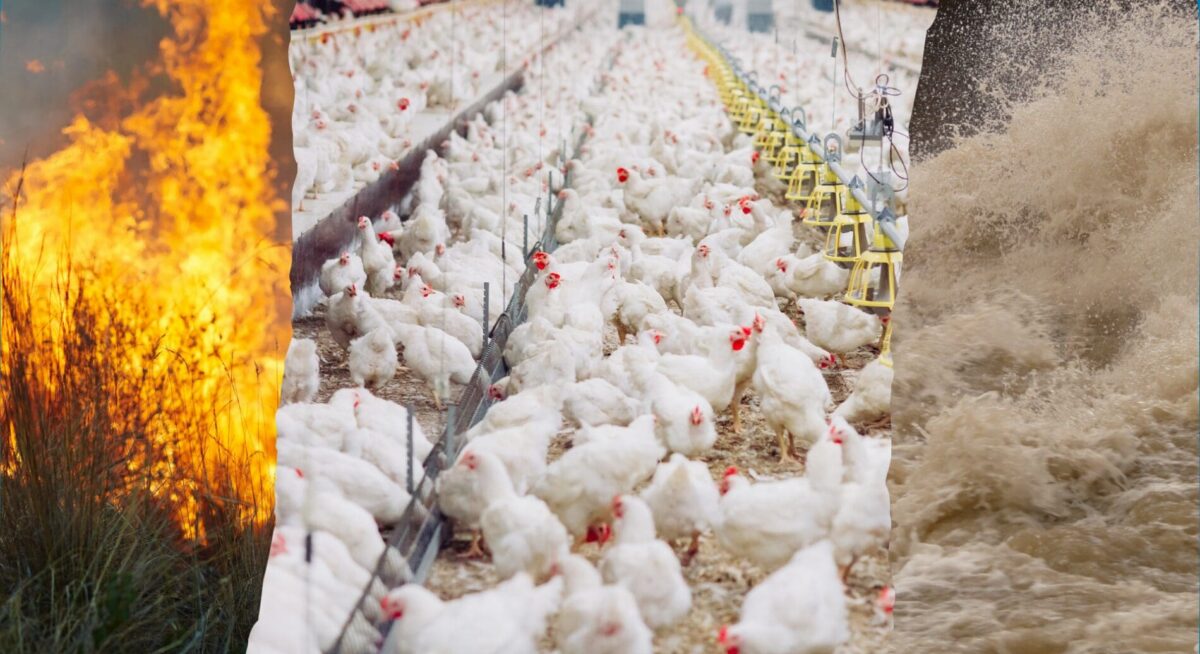
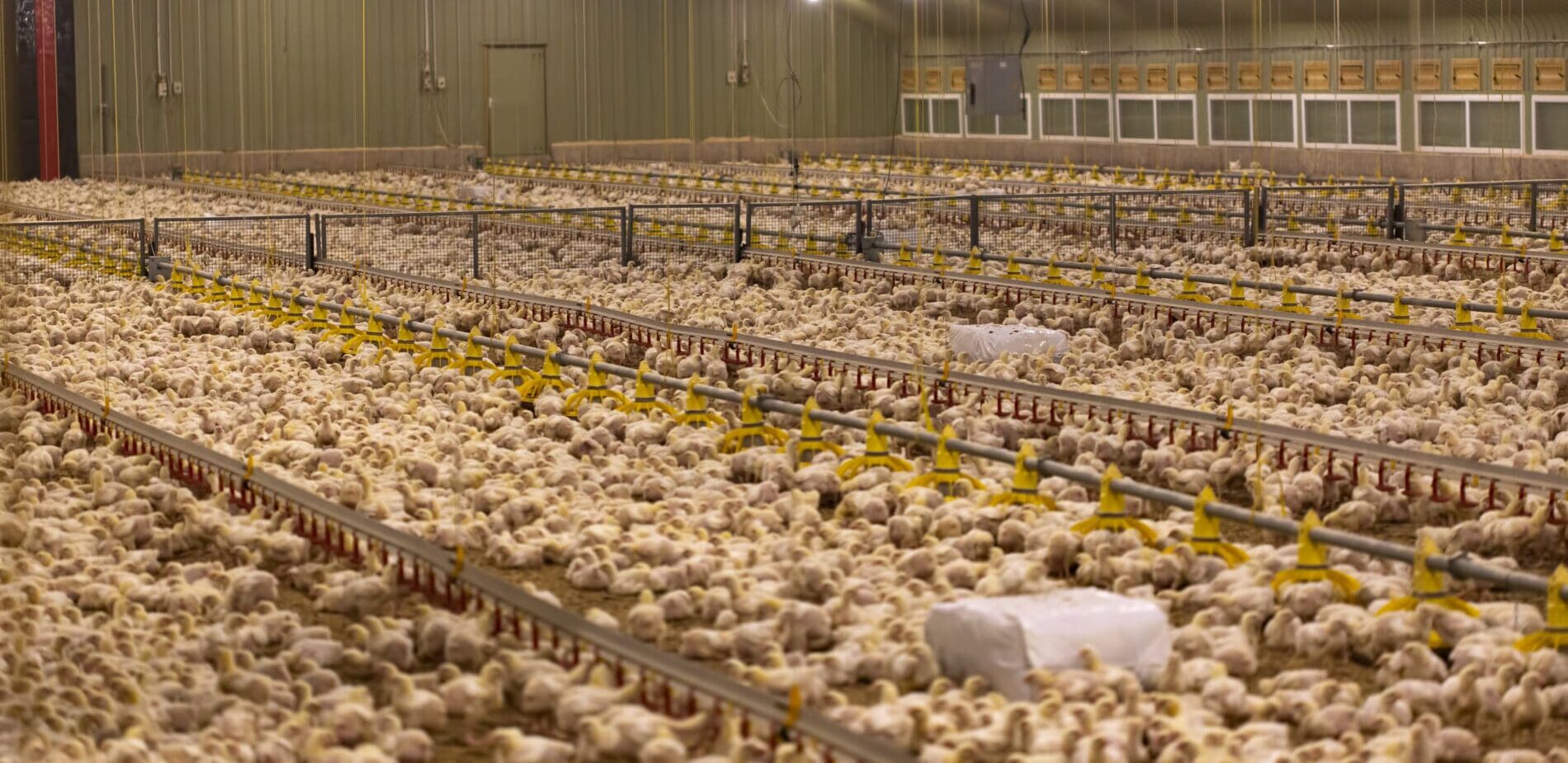
On many large-scale farms, tens of thousands of animals may be housed in a single facility.
During a fast-moving barn fire, wildfire, extreme heat event, flood, or power failure, there may be no practical way to move every animal to safety.
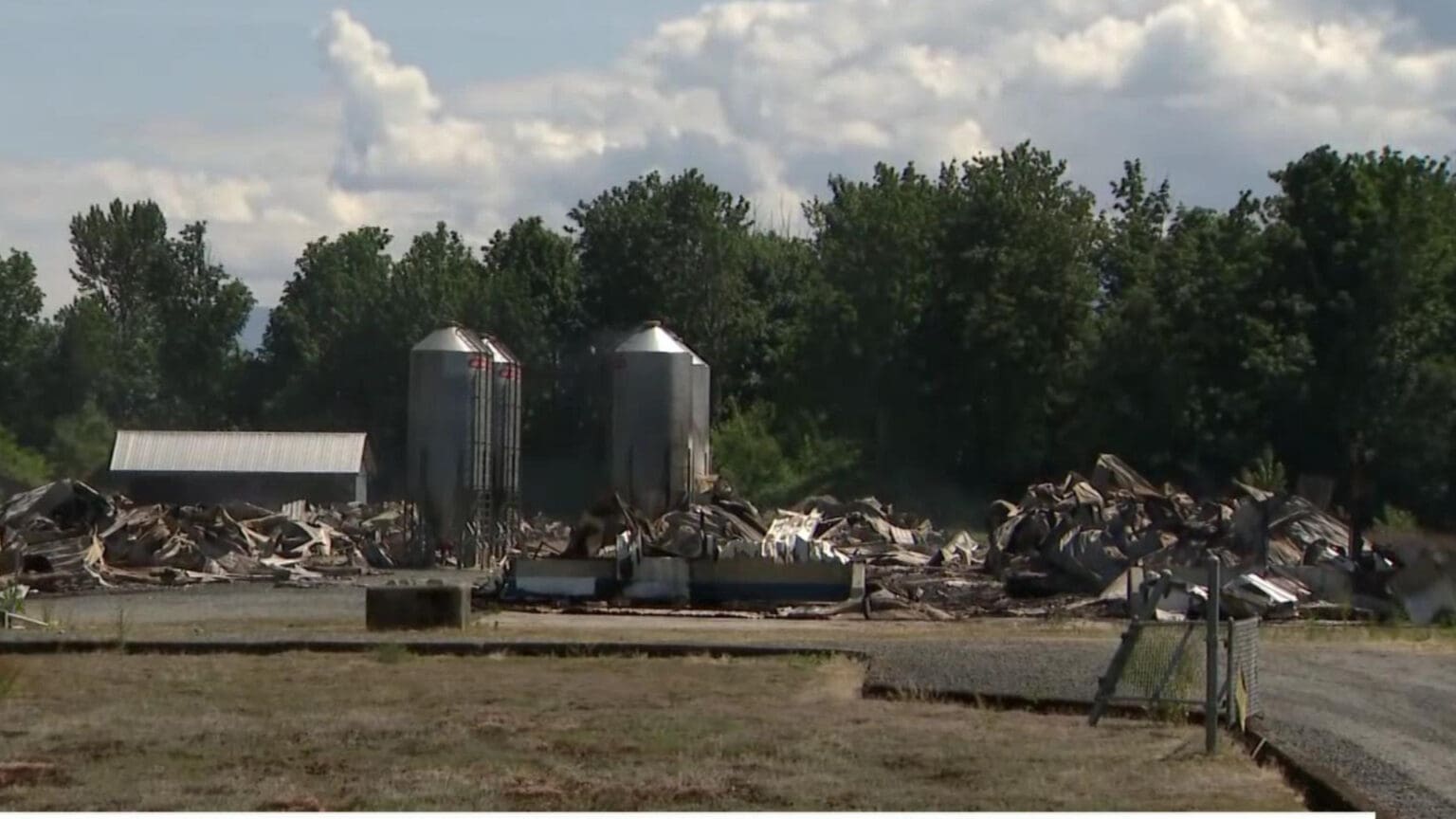
Approximately 165,000 chickens died in a recent Abbotsford barn fire. Weeks later, at least 20,000 pigs died in a fire at an industrial farm in southern Ontario.
Current industry codes of practice generally call for farms to have emergency plans, but do not require proof that those plans can protect every animal.
TAKE ACTION: Sign now to call on the B.C. government to strengthen protections for farmed animals before the next disaster strikes.
Each chicken was a sentient animal capable of feeling fear, pain and stress. Confined inside the barns, they had no way to escape.
This was a devastating tragedy.
It was also a warning about a system that confines enormous numbers of animals in facilities where evacuation are virtually impossible.
The aftermath of a barn fire in Abbotsford is seen on Friday May 22, 2026. (CityNews Image)
Why large-scale evacuation may be impossible
Evacuating a farm is not as simple as opening a barn door.
Animals must be caught or gathered, safely handled and loaded into suitable crates or trailers. They must then be transported somewhere with enough space, food, water and shelter.
This can require trained workers, specialized equipment, available vehicles and drivers, safe and accessible roads, veterinarians, backup power and fuel, and suitable places to house the animals.
Animals who are sick, injured, or affected by heat or smoke may not be safe to transport.
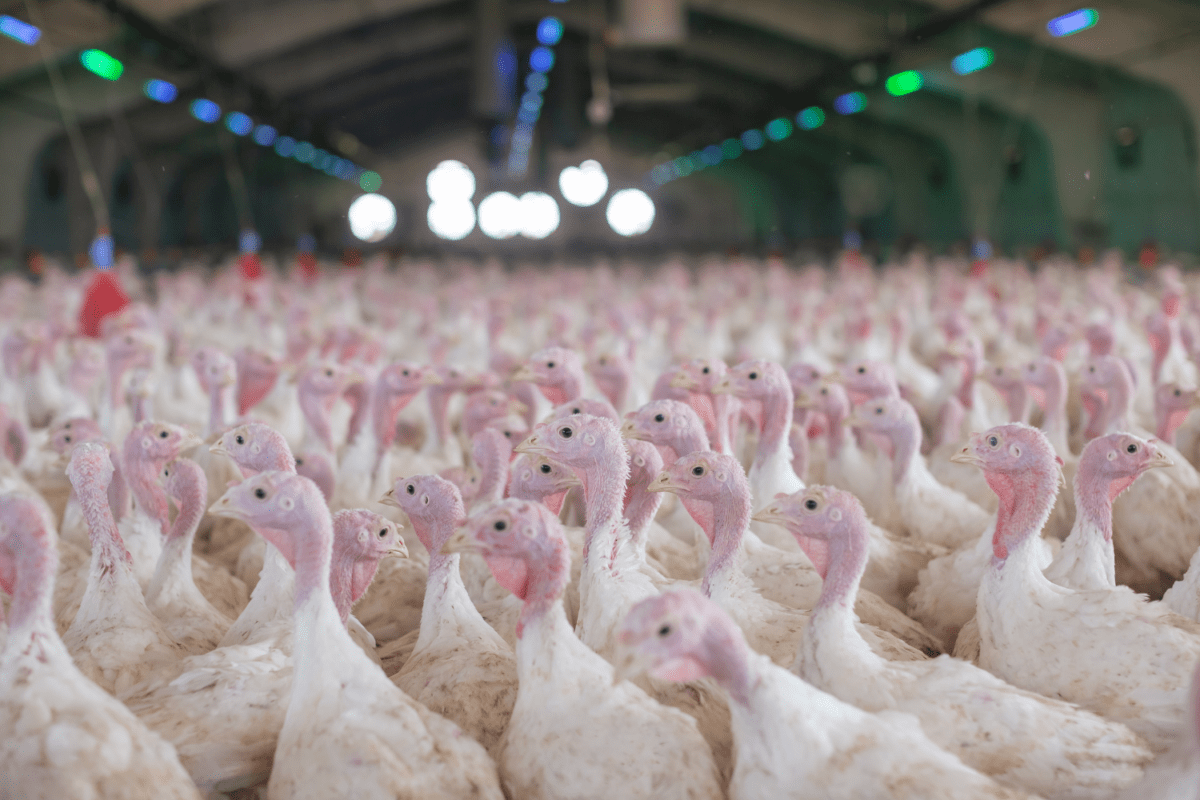
Birds housed by the tens of thousands cannot simply be released outside.
Pigs and cattle may panic, become injured, or be unable to move through floodwater, smoke, or crowded handling areas.
Even when animals can be loaded, there may be nowhere for them to go.
Nearby farms may already be full, affected by the same emergency or unable to accept animals because of disease and biosecurity concerns.
During a regional disaster, many farms may need the same trailers, workers, roads, and receiving sites at the same time.
For a barn holding tens of thousands of chickens, hundreds of cattle, or thousands of pigs, there may be no workable way to move every animal within minutes, or even hours.
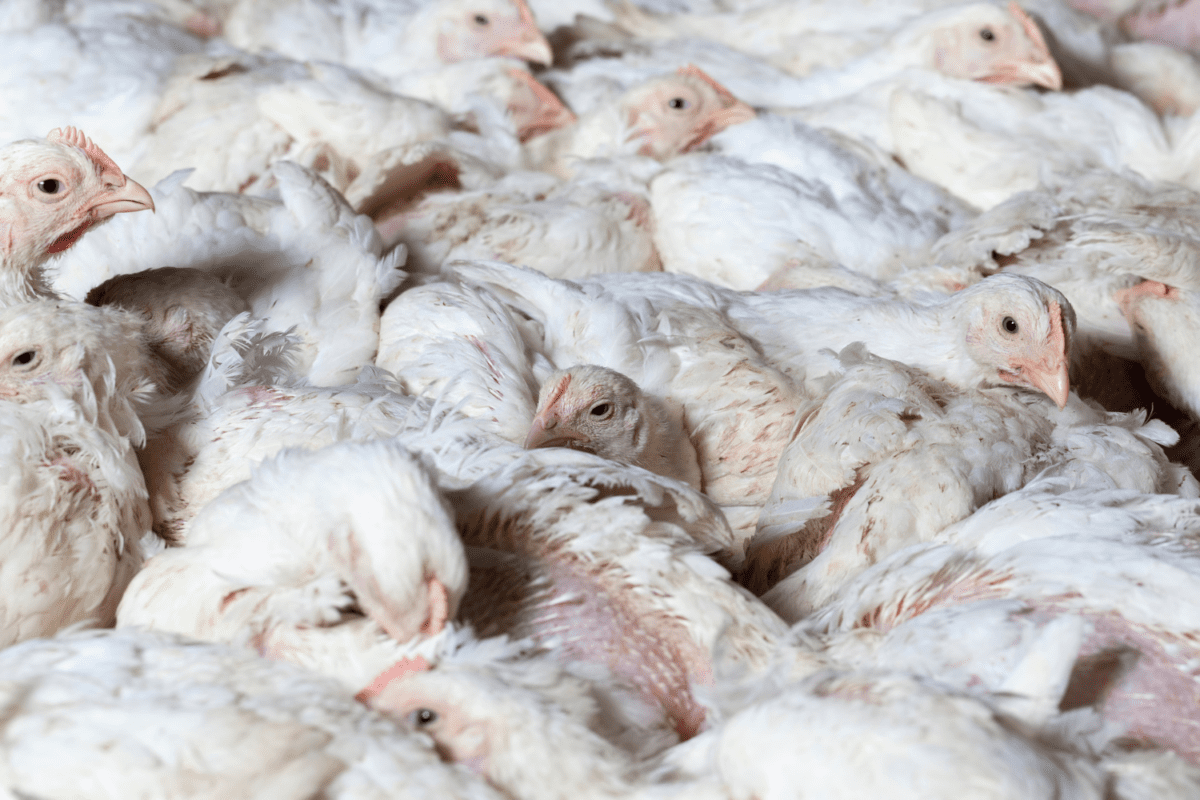
An industrial chicken barn housing tens of thousands of chickens
This has already happened
The Abbotsford fire was not an isolated example.
In July 2026, at least 20,000 pigs died in a fire at a large industrial farm near Simcoe, Ontario. The fire spread through a facility covering about 200,000 square feet.
The scale of these fires makes the problem painfully clear. When tens of thousands of animals are confined inside one facility, there may be no practical way to reach and rescue them.
B.C.’s 2021 disasters exposed the same problem on an even larger scale.
Some farmers moved animals to higher ground or other facilities. In many cases, however, water rose too quickly, roads became impassable, or there was nowhere available to take them.
That same year, more than 650,000 farmed birds died during B.C.’s extreme heat dome. Many were confined in barns that depended on mechanical ventilation and cooling.
Barn fires, floods, wildfires, extreme heat and power failures are different emergencies. They reveal the same systemic risk: enormous numbers of animals are being kept in conditions where their lives depend on buildings, roads, equipment and emergency systems that can fail.
Properties inundated by flood waters are seen in Abbotsford, B.C., Tuesday, Nov. 16, 2021. Jonathan Hayward/The Canadian Press
Large-scale animal deaths also carry wider costs. Emergency responders may be placed in dangerous conditions. Farmers and workers experience serious emotional and financial harm. Communities face the costs of emergency response, rebuilding, and the disposal of thousands of animal bodies. Floodwater can carry manure, fuel and other contaminants into homes, waterways and surrounding land.
As the risks grow, relying on individual farms to solve this problem on their own is not enough.
B.C. has an opportunity to act
In 2024, B.C.’s Farmed Animal Welfare Advisory Committee released a report recommending major changes to the province’s farmed animal welfare framework.
The recommendations included:
creating a government inspection and enforcement function
introducing proactive, risk-based inspections
expanding enforcement options
improving public reporting
including farmed animals in emergency-management regulations
assessing aging infrastructure and climate risks
clarifying the responsibilities of government, industry and emergency partners
improving emergency access to water, cooling, vet care and essential support
These recommendations are an important starting point. However, the B.C. government has not publicly provided a clear plan or timeline for implementing them.
Take action for farmed animals
Farmed animals deserve stronger protections before disaster strikes.
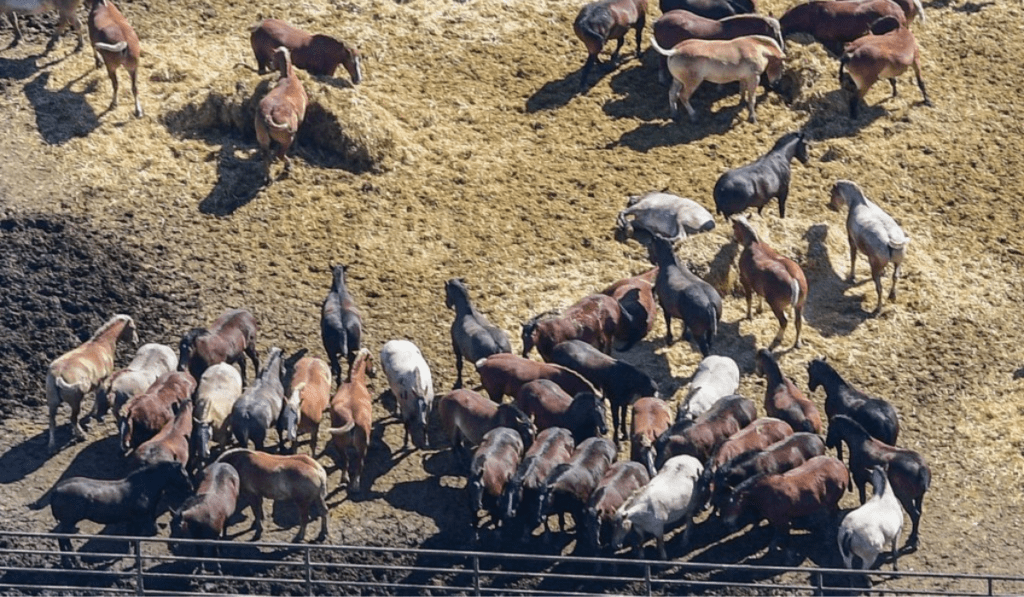
A major step forward for farmed animals took place last month with the confirmed closure of the Bouvry Exports slaughterhouse in Alberta, formerly Canada’s largest horse slaughterhouse. The closure follows years of horrific cruelty and suffering, with the company being convicted and fined in 2025.
While this is incredible news, it does not fully eliminate the horrors that horses raised for meat face. Horses continue to be bred, raised, and shipped on long, stressful journeys overseas for slaughter. The VHS and organizations across Canada continue to advocate for an end to this horrific practice.
Advocating for meaningful changes in on-farm guidelines
At the same time, the VHS has continued to share practical tips to help animal allies speak up during public consultations on Canada’s farmed animal Codes of Practice, which guide how animals are treated on farms and affect millions of animals every day.
Advocacy on these codes is vital to ensure that the codes consider the voices of the animals and the people who care about the welfare of sentient beings over profit. The VHS’s guide on providing feedback for the equine code of practice was accessed by nearly 3,000 individuals!
Making plant-based eating more accessible
The VHS is also helping make plant-based eating more accessible and welcoming. At this year’s UBC VegFest, more than 5,000 people—mostly students and people who did not yet self-identify as vegan—came together to enjoy delicious plant-based foods and learn about compassionate choices.
The VHS’s PlantUniversity program is gearing up for another year of advocacy to decrease the demand for industrial animal agriculture. The program aims to reach more than 1,768,000 people over the next 12 months, and each person touched by these messages has the potential to save hundreds of animal lives each year.
The Agri-Food Analytics Lab (AFAL) at Dalhousie University says Canadians are spending more money on food.
As grocery prices increase, more Canadians are turning to budget-friendly plant-based foods, according a recent article from CityNews Vancouver.
“The Agri-Food Analytics Lab (AFAL) at Dalhousie University says Canadians are spending more money on food.”
“Sylvain Charlebois, AFAL’s director, says that this has an impact on what Canadians choose to purchase at the supermarket, moving away from higher-priced items such as meat.”
“‘We are starting to see a shift towards different diets like vegetarianism, pescetarianism, and flexitarianism as well. That’s becoming more popular in Canada.'”
A 2023 report from the Vancouver Humane Society found that eating more plants could save an individual in the Lower Mainland 14% on groceries. The VHS’s PlantUniversity program offers resources, like budget-friendly recipes, to help people who are transitioning toward more plant-based eating thrive while enjoying healthy, delicious meals.
The VHS’s McVitie Fund, which provides emergency veterinary assistance to pets in urgent need, has seen a huge increase in demand due to the rising cost of living. Communications Director Chantelle Archambault recently appeared on CBC Radio’s On The Coast to discuss the program as part of their coverage of rising demand for animal services.
What is the McVitie Fund?
The Vancouver Humane Society’s McVitie Fund program provides emergency funding for life-saving vet care for guardians who can’t afford it otherwise.
When someone loses their job and then their cat escapes and runs into traffic, or if a person living on disability assistance takes in a dog from a late family member and then she suddenly gets a life-threatening infection, they may have nowhere else to turn.
For many people, this program means their loved pets can get the care they need instead of making the impossible choice to give them up, see them suffer, or have them euthanized.
Rising costs of living mean more people need help
Requests for veterinary assistance from the VHS’s McVitie Fund have reached unprecented levels.
So far this year, the VHS has received almost 1,200 applications for help from pet guardians. In the same period last year, the program had fewer than 800 applications. This is a 50% increase in demand over 2025.
And last year’s demand was already unprecendented—the program received more than 11 times as many applications in 2025 compared to 2020.
The VHS team is deeply familiar with how the increasing cost of living over the past several years has impacted pet guardians. Many families are struggling to come up with the funds for frightening medical emergencies with their beloved companions, leading them to reach out for support.
How animal supporters are saving lives
Because veterinary care isn’t subsidized like human medical care in Canada, this program is entirely funded by donations from members of the VHS’s caring community.
Every dollar donated makes a difference to help a loved companion animal come home safe.
Devastating blaze on Gladwin Road on Thursday afternoon (May 21) kills tens of thousands of birds
We are deeply saddened to hear of the devastating loss of 165,000 chickens in a barn fire in Abbotsford on Thursday, reportedly the deadliest barn fire in the community in more than a decade. Our thoughts are with the thousands of sentient beings who suffered and died in this tragedy.
This heartbreaking incident also highlights the inherent animal welfare and safety risks of the industrial farming system.
The average chicken farm in Canada confines approximately 36,000 birds in a single barn, making emergency evacuation during fires, floods, and other disasters virtually impossible. As a result, chickens are disproportionately affected in mass casualty incidents on farms across the country.
Beyond the dangers posed during emergencies, chickens raised in industrial systems experience routine stress and suffering while living in crowded, barren conditions that prevent them from expressing natural behaviours.
Tragedies like this are a stark reminder of the urgent need to move away from intensive factory farming systems. Each of us can help by reducing our consumption of animal products, choosing more plant-based meals, and advocating for stronger protections for farmed animals and a kinder, safer, and more sustainable food system.
We are grateful to the firefighters and emergency personnel who responded to this devastating incident, and to everyone who continues to speak up for farmed animals.
Scientists learn that fish suffer around 10 minutes of “intense pain” when killed during the catch process by air asphyxiation.
A new study published in Scientific Reports and featured in an article from Earth.com spotlights the suffering of fishes when they are caught and killed for food.
While land animals killed for food in Canada must be stunned before slaughter, there is no such law around fishes. Wild-caught fishes are commonly killed by asphyxiation (slowly suffocating to death in the open air), which leads to immense fear and suffering.
The research found that “the average trout endures about ten minutes of pain that qualifies as hurtful, disabling, or excruciating. In some conditions, this could stretch beyond 20 minutes.”
Researchers evaluated stunning as an alternative to prolonged asphyxiation for fish. Their findings highlight flaws in both the stunning methods they evaluated.
“Electrical stunning, if properly used, could spare 60 to 1,200 minutes of suffering for every dollar spent … But implementation remains inconsistent. In many commercial settings, electrical stunning fails to reliably render fish unconscious.”
“Percussive stunning – a physical blow to the head – has shown better consistency in lab settings. But it’s difficult to scale.”
As we recognize that fishes are sentient animals who feel pain, experience fear, and try to avoid suffering, there is one method that can consistently protect their well-being: switching from fish to plant-based alternatives on our plates.
The draft plan looks at adaption strategies to build resilience into the city’s infrastructure against major climate impacts. Food should be part of that conversation.
By adding plant-based food strategies into their draft plan, New Westminster can take a practical step toward strengthening food resilience by increasing access and affordability and reducing pressure on high-impact food systems.
TAKE ACTION: If you live or operate a business in New Westminster, please take a few minutes to comment on the City’s Draft Plan, encouraging them to consider plant-based foods as part of their strategy.
New West can build climate resilience through plant-based food.
When people think about preparing a city for climate change, they often picture cooling centres, shaded streets, stronger buildings, flood planning, and emergency response. But resilience is also about everyday needs, including whether people can access affordable, nutritious food when climate impacts disrupt daily life.
New Westminster can help build climate-ready neighbourhoods by supporting increased access to affordable plant-based meals, shelf-stable plant-based proteins, locally sourced produce, and culturally appropriate food options.
Below are key sections of the draft plan where New West residents and businesses can ask the City to include plant-based food.
If you do not have time to comment on each section, you can adapt the comment below and email mayorandcouncillors@newwestcity.ca:
“Please include plant-based food in New Westminster’s climate adaptation and resilience planning.
Plant-based foods can be part of a stronger and more resilient food system. Foods such as legumes, grains, seeds, nuts, fruits, vegetables, and plant-based proteins can be affordable, nutritious, lower-impact, and easier to store than many animal-based products.
Climate impacts can disrupt food access and increase costs, so the City should support affordable, nutritious, lower-impact options through public facilities, City-run programs, community events, emergency planning, food security initiatives, and partnerships with local businesses and community organizations.
Plant-based food policy is a practical climate solution.
Animal products use a large share of the world’s farmland and contribute more than half of food-related emissions, while providing a much smaller share of global calories and protein.
C40’s Good Food Cities work found that cities shifting public food procurement saw a 31% drop in high-emission foods, a 44% increase in plant-based foods, and a 16% drop in food-related greenhouse gas emissions from public food purchasing.
And a Vancouver Humane Society cost-benefit analysis found that replacing 20% of the City of Vancouver’s animal-based food purchasing with plant-based alternatives could save up to $99,000 and reduce emissions by more than 500 tonnes.
Plant-Based Cities Movement notes that 82% of Canadians live in cities and that most food is consumed there. That gives municipal governments a real opportunity to reduce food-related emissions through local policy.
For New Westminster, including plant-based food in their strategies offers a practical way to strengthen climate resilience while also reducing emissions, saving public funds, and helping prevent animal suffering through everyday policy choices.
Take quick action: Share this graphic
Help more New West residents learn about this opportunity.
Share this graphic on your social media before the May 31 deadline and encourage others to comment on the draft plan.
Key sections for comment:
To comment, create an account on New West’s online platform ‘Be Heard’, review the draft plan, and add your feedback directly to the sections you care about. You can leave as many comments as you’d like throughout the draft plan.
To make your submission impactful, and to ensure that it is included, do not copy and paste the text below. Use your own words so your submission reflects your personal concerns and experience.
Action 2.2.3: Public facilities can lead by example
Public facilities are more than just buildings. They are places where people gather, learn, celebrate, receive services, exercise, and build community.
As New Westminster updates public facility policies, the City could include food service and procurement in that work. This could mean making plant-based options available at City-hosted events, meetings, recreation centres, community programs, seniors’ programs, and other public spaces.
A climate-resilient public facility should not only be energy-efficient. It should also support access to affordable, nutritious, lower-impact plant-based food options in the places residents already use.
Theme 3: Neighbourhood resilience includes food access
When a heat wave, flood, storm, or supply chain disruption occurs, food access becomes a public resilience issue.
That is why plant-based food should be considered in emergency planning, food security work, community kitchens, public programs, and local food partnerships.
New Westminster can help build climate-ready neighbourhoods by working with community partners to improve access to affordable plant-based meals, shelf-stable plant-based proteins, local produce, and culturally appropriate food options.
Theme 6: Everyday City decisions can build food resilience
The draft Climate Plan says climate risk and resilience should be integrated into day-to-day decision-making and City operations.
New Westminster could make plant-based options a normal part of City operations by:
Requiring plant-based options at City-hosted events and meetings
Adding plant-based considerations to procurement guidelines
Providing staff guidance for plant-forward catering
Supporting public education about climate-resilient food choices
Ensuring City-supported food programs include affordable plant-based options
City decisions about catering, events, grants, facility rentals, community programs, concessions, procurement, and public education all shape what food options are available.
Action 6.1.8: Funding local food resilience solutions
Small grants, pilot projects, public education, and partnerships could help residents access affordable, nutritious, lower-impact plant-based foods while supporting broader climate resilience goals.
For example, the City could support plant-based cooking workshops, community kitchen programs, food security partnerships, local growers, community gardens, food forests, or pilot projects in recreation centres and community centres.
These kinds of initiatives can reduce barriers and help residents see that resilient plant-based food can be familiar, affordable, culturally relevant, and enjoyable.
New West residents: Take action by May 31!
Food is key part of climate resilience. New Westminster has an opportunity to make affordable, climate-resilient, animal-friendly options more available in the places people already gather.
If you live or operate a business in New Westminster, please take a few minutes to ask the City to include plant-based food access in the plan.
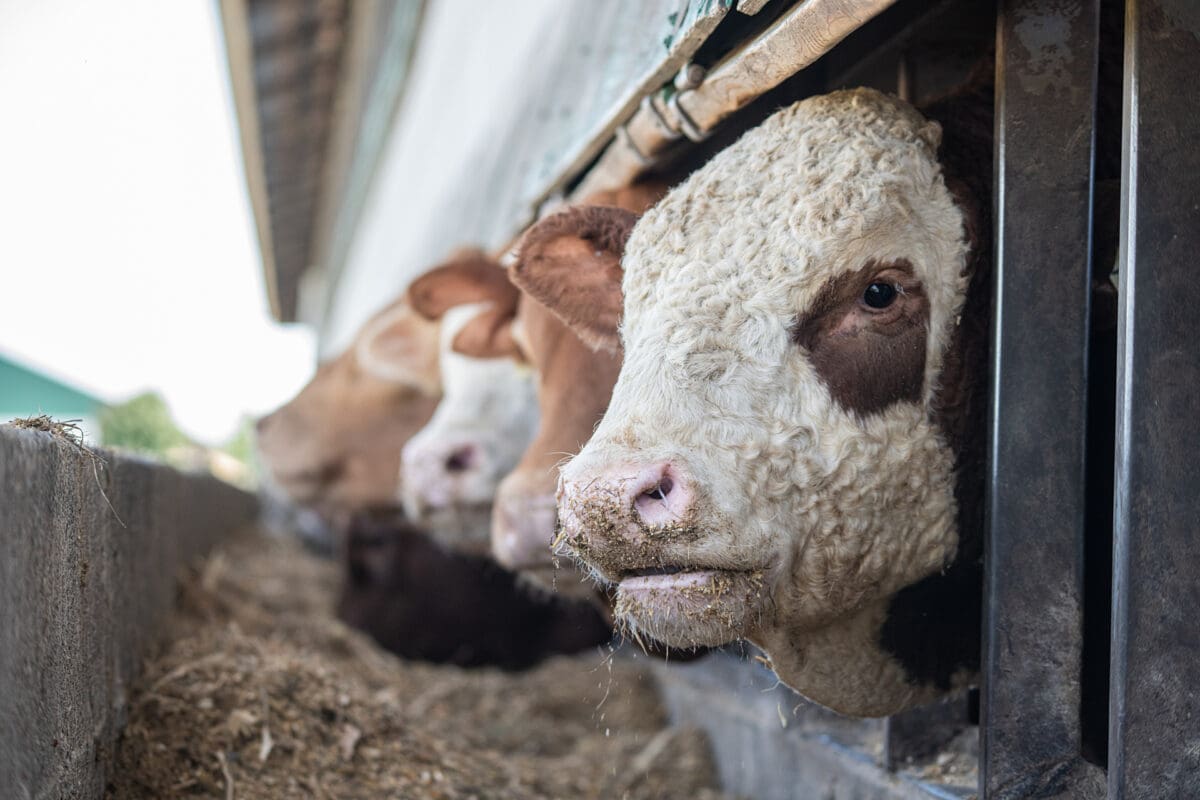
Cows looking at the camera, this breed Shorthorn or Durham, typical of Argentina.
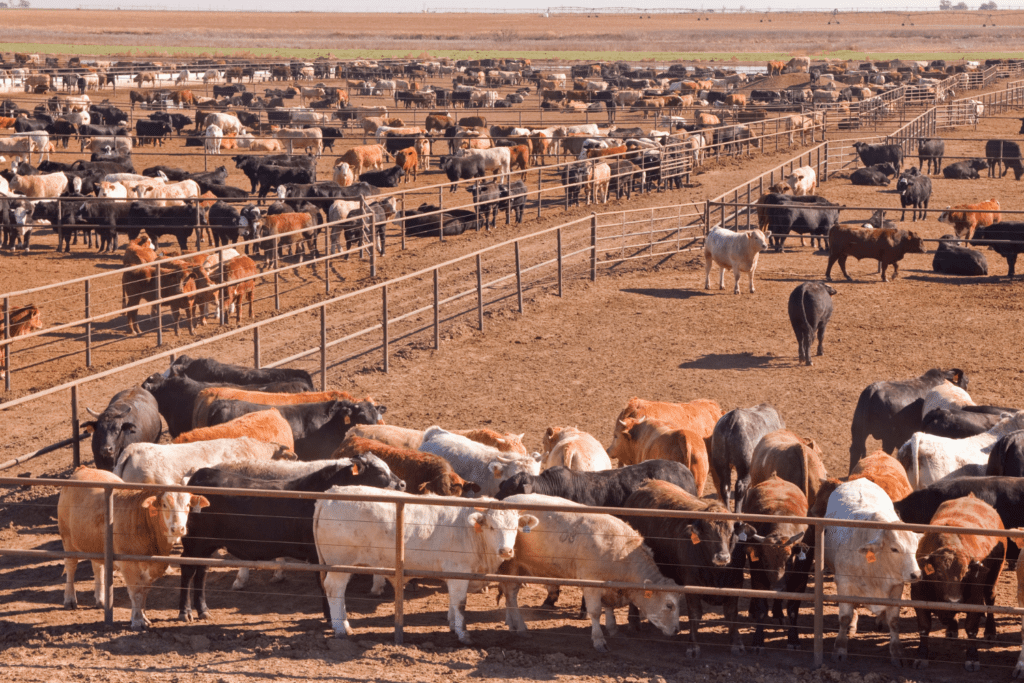
The National Farm Animal Care Council’s (NFACC) Beef Code of Practice outlines guidelines for the on-farm care and handling of cattle raised for beef in Canada.
The code is being updated for the first time since 2013 and a public comment period is open until June 12, 2026.
While there are a few improvements, the new draft code fails to address some of the most significant welfare issues within the beef cattle industry.
Join the VHS in calling for stronger requirements for shelter, daily monitoring, pain control, humane handling, transport decisions, and emergency planning.
TAKE ACTION: Share feedback on the draft code on the issues that are important to you; everyone can participate!
However, we have prepared the VHS’s top welfare priorities with section headers and tips for submitting your feedback, if you are short on time and would like guidance.
Short on time? Under the heading ‘Which section of the draft Code would you now like to provide feedback on?’, select ‘General Comments on the Code’. This will allow you to bypass providing feedback on each section of the code.
IMPORTANT: Do not copy and paste wording, as duplicate responses and/or profanity or derogatory language will not be considered by NFACC.
Section 1: Animal Environment
Section 1.2: Facilities for all cattle
Comment on Requirements:
Currently, there is no minimum shelter requirement to protect cattle from heat, cold, wind, rain, or other harsh weather.
The Code should set clear minimum shelter space requirements based on herd size, as well as maximum stocking densities (e.g. number of animals/acre) for cattle on pasture, feedlots, and auction markets.
The Code should require enrichment opportunities that allow cattle to express natural behaviours, including foraging, exercise, social behaviour, and grooming.
The Code should also prohibit tethering cattle as a form of housing. Tethering (tying an animal to an anchor point) should only be used temporarily when necessary for handling or procedures, and it should never be used as a regular housing practice.
Section 2: Feed and Water
Section 2.2: Water
Comment on Requirements
Cattle should have reliable access to clean water, including during heat waves and/or periods of high humidity, and water sources should be monitored regularly.
Snow should not be permitted as the sole winter water source. Snow may not reliably meet cattle’s needs, especially if conditions change or cattle are not checked frequently. A backup water system should always be required.
Comment on Recommended Practices
The following should be requirements:
Water sources must be easy for cattle to find and access.
The number of watering points and flow rate must be appropriate for the herd size.
Automated water systems must be checked daily to ensure they are working properly.
Section 3: Animal Health
Section 3.3.1: Disorders of the Respiratory Tract
Comment on Requirements
Recently weaned calves and newly arrived feedlot cattle should be monitored at least twice daily for two weeks to support early detection of respiratory disease.
A risk-based bovine respiratory disease prevention strategy should be a requirement as part of every herd health program, given that it is a significant health and welfare problem in the beef industry.
Section 3.3.2: Lameness
Comment on Recommended Practices
Lameness is a painful leg or hoof condition that is a common welfare issue within the beef industry. The Code should require training on causes, prevention, and treatment of lameness.
It should also require producers minimize cattle exposure to mud and standing water, and to include lameness prevention strategies in herd health programs.
Section 3.4: Safety and Emergencies
Comment on Requirements
The Code should require stronger emergency planning for fires, floods, and extreme weather.
Newly built facilities should have fire suppression and flood mitigation systems. Existing facilities should be retrofitted where possible.
Section 4: Animal Husbandry
Section 4.1: Handling and Moving Cattle
Comment on Requirements
Electric prods are used during handling and provide an electric shock to the animal. These devices cause pain, stress, and can lead to injury.
Given that electric prods can also easily be overused and that humane alternatives exist and are effective, the Code should prohibit electric prod use and require low-stress handling methods.
Section 4.3: Identification
Comment on Requirements
Branding, which is used to permanently identify cattle, should be prohibited.
Branding is painful and unnecessary, especially when alternatives such as microchipping, visual identifiers, descriptive markings, coat patterns, colour variations, and properly fitted leg bands are available.
Section 4.4: Disbudding and Dehorning
Comment on Requirements
The Code should require practices that eliminate painful horn removal (disbudding and dehorning) procedures, such as transitioning to hornless breeds of cattle.
Section 4.5: Castration
Comment on Requirements
Cattle should be castrated as young as practically possible and provided both anesthetics and pain control, in consultation with a veterinarian.
Comment on Recommended Practices
Calves must be monitored after castration to ensure they are nursing or eating and to check for signs of infection or other complications.
Section 4.5.1: Spaying
Comment on Requirements
Spaying should only be carried out by a veterinarian, and both anesthetics and pain control should be required.
Section 4.6: Weaning
Comment on Recommended Practices
Abrupt weaning of calves from their mothers should be prohibited. Low-stress, gradual weaning strategies should be required.
This includes two-stage or fence-line weaning, avoiding weaning during other major stressors such as adverse weather, commingling with animals from other groups, marketing, or transport, and avoiding painful procedures like branding, dehorning, and castration at the time of weaning.
Calves should also be acclimated to human handling and feed delivery methods they will experience after weaning.
Section 4.8: Tail Docking
Comment on Requirements
Tail docking should only be permitted when medically necessary, in consultation with a veterinarian, and with both anesthesia and pain control.
Section 5: Preparations for Transport
Section 5.1: Evaluating and Preparing Cattle for Transport
Comment on Recommended Practices
Transport is a stressful process that can pose a significant risk to the health and welfare of cattle. Therefore, the Code should require stronger protections during transport decision-making, planning, scheduling, and loading/receiving.
Farm personnel should be trained and have ready access to the Canadian Food Inspection Agency’s (CFIA) guidance and veterinarian-developed protocols for assessing an animal’s fitness for transport.
Monitoring should increase as the transport date approaches, so health or body condition concerns can be identified early.
If there is uncertainty about whether an animal is fit for transport, consulting a veterinarian should be required.
Section 5.2: Planning and Scheduling Transport
Comment on Recommended Practices
Transport should be planned to minimize the time animals spend loaded in parked vehicles and to account for forecasted weather conditions. Transport must not take place during extreme weather.
Section 5.3: Loading and Receiving Cattle
Comment on Recommended Practices
The Code should require loading practices that reduce stress and injury, including adjusting loading densities, absorbent material for the weather conditions and providing ramps when the vertical distance between the loading surface and vehicle floor causes cattle to hesitate, stop moving forward, or refuse to move.
Section 6: On-Farm Euthanasia
Section 6.1: Euthanasia Decisions
Comment on Requirements:
Delayed or inappropriate decisions around humane euthanasia can lead to prolonged animal suffering.
The Code should require training to help personnel assess quality of life, prognosis, and when euthanasia is needed. A required training module should be developed to support timely, humane decision-making.
General Comments
The Code should include a clear duty of care section, similar to other Codes of Practice, which require that all personnel responsible for cattle must be required to know the Code, be properly trained, and be competent and confident in cattle care and handling.
The Code should also require cattle to be checked dailyat a minimum. Daily observation is essential to identify illness, injury, lack of access to food or water, extreme weather impacts, calving difficulties, and other welfare concerns.
There should also be stronger requirements for consistent, practical tools for measuring welfare outcomes across the beef cattle industry.
To make your submission impactful, and to ensure that it is reviewed by NFACC, consider these tips before submitting your feedback:
REMINDER: Do not copy and paste the text below, as duplicate submissions will be ignored by NFACC. Use your own words so your submission reflects your personal concerns and experience.
Keep responses relevant to on-farm practices.
Provide references and examples whenever possible.
Reference exact wording in the draft code that you would like to see changed and how you would like it changed.
Make it personal, the committee members are interested in how this code impacts you.
Thank you so much for taking the time to speak up for beef cattle in Canada.
Learn about farmed animal welfare in Canada and what you can do to help! Sign up now to get clear explanations, action alerts, and practical steps you can take when it matters most.Click here to learn more.
Why do we underestimate cattle? Many choose to think of “edible” animals as unintelligent, but in the case of cattle, research proves otherwise.
New research featured in Psychology Today is bringing cow intelligence into the spotlight, increasing awareness around these sensitive and sentient animals.
As animal allies, we know that animals think and feel, whether they share our homes like cats and dogs or are killed for food like cows, pigs, and chickens. However, awareness around farmed animal sentience remains sparse and cognitive dissonance is common.
Research on animal intelligence helps more people to understand that animals are capable of complex thinking, problem-solving, emotions, and even social relationships. As this evidence becomes more widely understood, it challenges outdated views of animals as simple or unfeeling and highlights their capacity to experience stress, pain, and well-being in meaningful ways.
This growing awareness encourages the public and decision-makers to reconsider how animals are treated, supporting a shift toward animal-free eating habits and stronger welfare standards.
Read the article in Psychology Today to learn what a free-living herd of domesticated cattle can teach us about cow intelligence and adaptability.