Categories
News/Blog

Endangered, exploited, and still imported.

Image credit: Jo-Anne McArthur / We Animals 

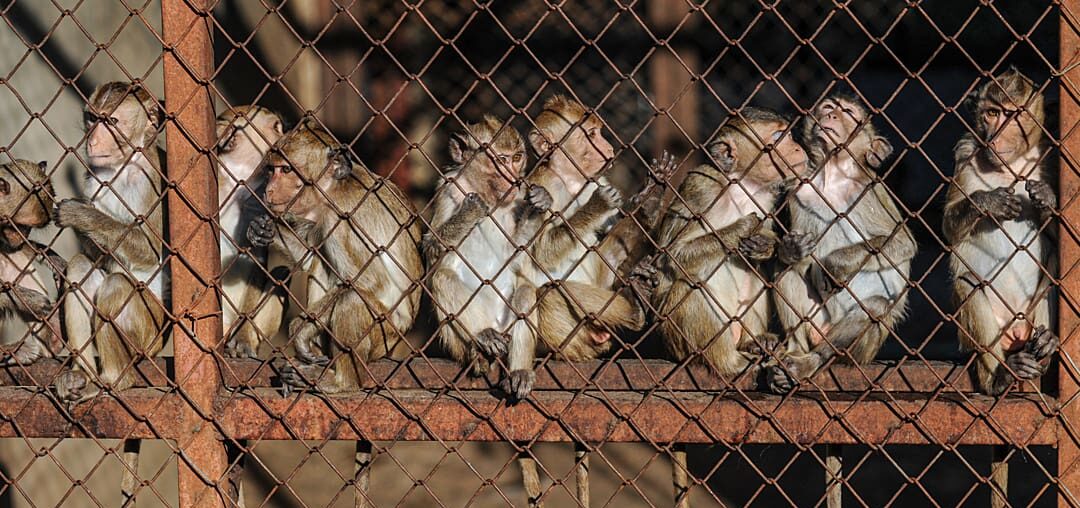
  • Long-tailed macaques are the most heavily traded primate in the world for experimentation.  
  • Between 2023 and 2025, Canada allowed the import of more than 10,000 long-tailed macaques from Cambodia. 

TAKE ACTION: Sign the new federal e-petition, which aims to improve protections for long-tailed macaques in Canada. 

Sign the e-petition
Learn more

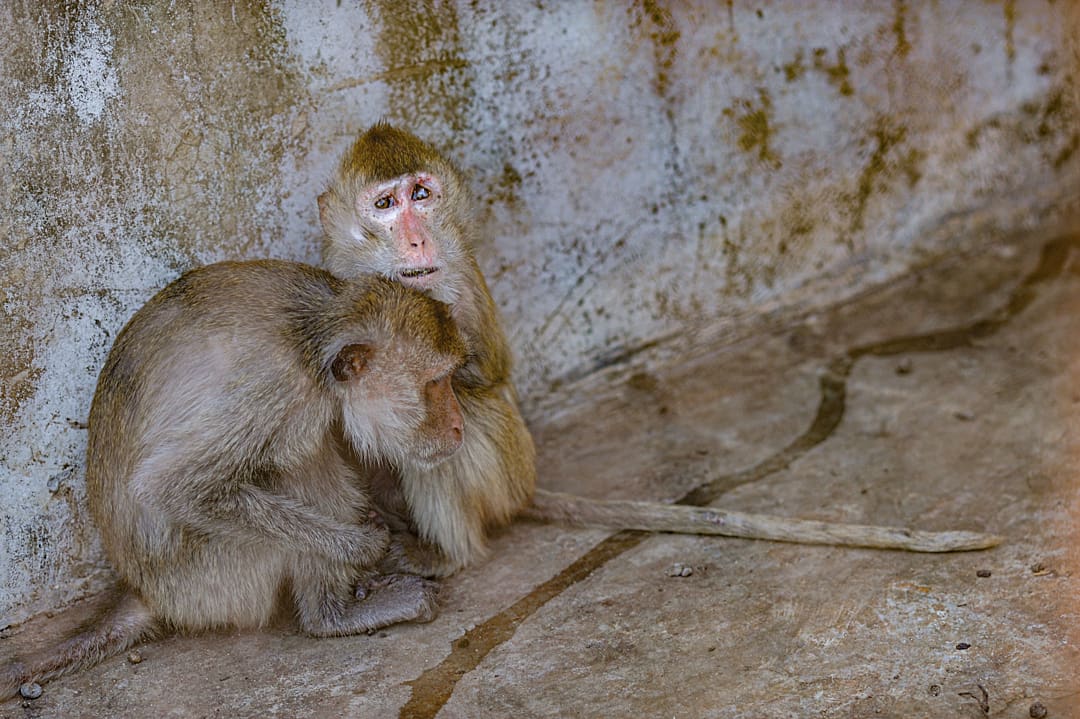
10,000 endangered long-tailed macaques, a species of monkey commonly traded for experimentation, were imported to Canada in just three years.

This is deeply concerning.

A five-year U.S. federal investigation found that Cambodia’s supply chain laundered wild-caught macaques as captive-bred animals. In November 2025, Thai authorities uncovered ongoing smuggling of wild macaques destined for Cambodia. These findings raise serious questions about the legality and traceability of animals entering international markets.

Canada has both the authority and the responsibility to act.

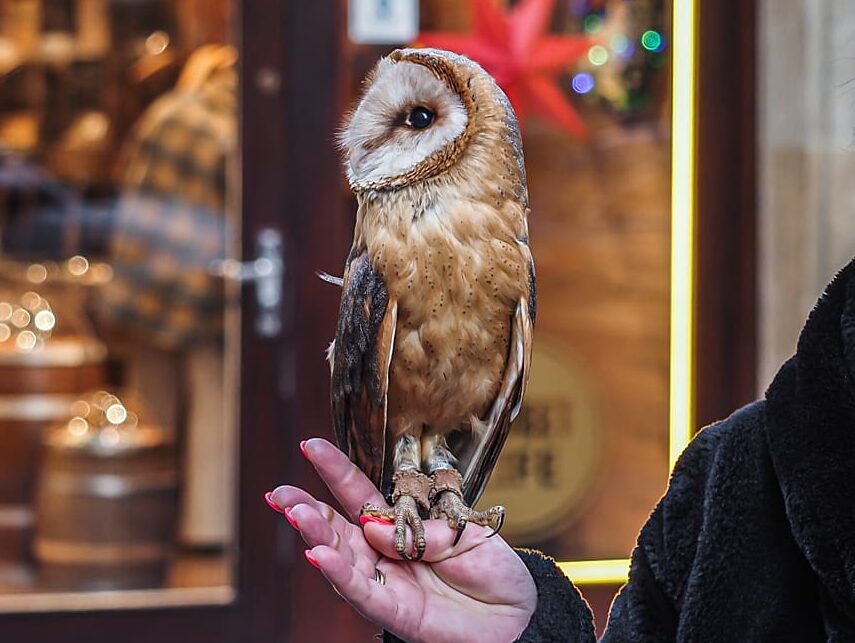
A barn owl sits tethered to the hand of their handler in Prague, Czechia. This owl is displayed in order to sell photoshoots with the captive bird. Prague, Czechia, 2021. Lukas Vincour / Zvirata Nejime / We Animals
Credit: Jo-Anne McArthur / We Animals 

Your voice helps endangered monkeys

A new parliamentary e-petition calls on the Minister of the Environment, Climate Change and Nature to: 

  1. Launch an investigation into the legality, traceability, and authenticity of CITES permits used for importing Cambodian long-tailed macaques into Canada; and 
  1. Add long-tailed macaques to Schedule II of the Wild Animal and Plant Trade Regulations so Canada can require and assess its own import permits. 

This is a critical opportunity to strengthen oversight, uphold wildlife protection laws, and ensure Canada is not complicit in the exploitation of endangered animals. 

The petition closes the morning of April 28, 2026

If you are a Canadian citizen or resident, please add your name today and share the petition with others who care about wildlife protection and ethical responsibility. 

*Note: You will be asked to confirm your email after signing. Please check your spam folder to confirm your email and ensure your voice counts. 

Sign the e-petition

Together, we can urge the federal government to take meaningful action for long-tailed macaques before it is too late. 

Share our content to reach more people and spread the word!

Categories
News/Blog

Podcast: Animal advocacy and Vancouver Humane Society’s mission (Vegan Boss Radio)

All episodes

The Vancouver Humane Society’s Chantelle Archambault sat down with Shawna Barker from the Vegan Boss Radio podcast about Vancouver Humane Society’s mission, work, and some practical ways that animal allies can make a difference.

Note: This written discussion has been edited for length.

Advocacy and justice for animals

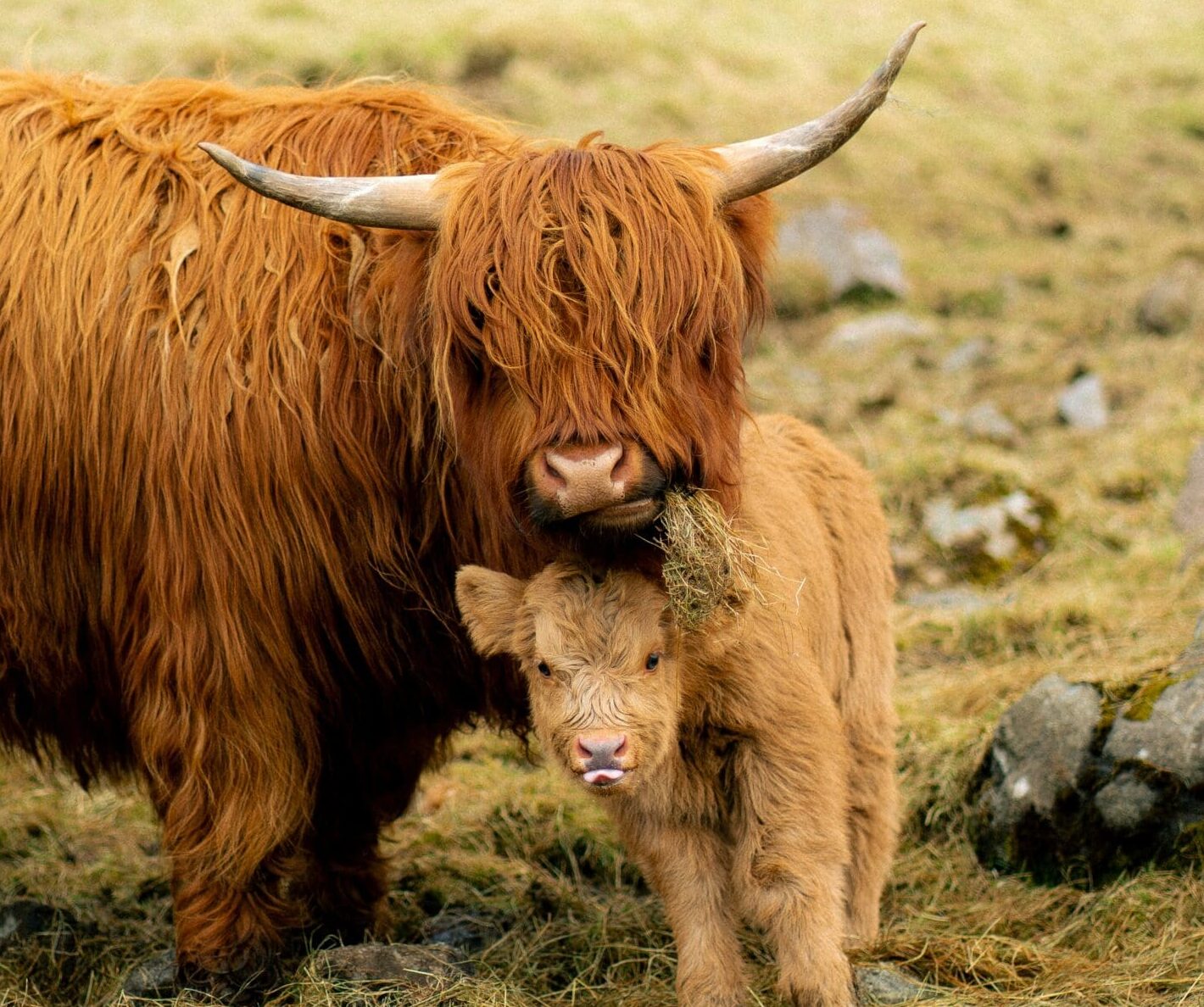
A long-haired Highland cow stands in a grassy field, gently nuzzling a small calf beside her.

Shawna: Hi everyone. Welcome to Vegan Boss Radio. I am your host, Shawna Barker, and I’m so glad you’re here today. Today’s episode is a very important one because we’re talking about animal advocacy, public awareness, and how real change actually happens, not just online, but at the policy and community level.

Today I’m joined by Chantelle Archambault, who has worked as the communications director at the Vancouver Humane Society since 2021. She is deeply passionate about justice for all, both humans and animals, and has spent her career working with nonprofit organizations focused on family services, social justice, advocacy, and creating safer spaces for marginalized communities.

Chantelle’s lifelong commitment to the ethical treatment of animals inspired her to volunteer with the Toronto Humane Society and eventually move across Canada to take on her current role at Vancouver Humane Society. She has appeared in media outlets, including the CBC, CTV, CityNews, and the Daily Hive.

In this conversation, we talk about the work that the Vancouver Humane Society does behind the scenes, including its past and current campaigns, how they raise public awareness around practices like rodeos and horse racing, and why these issues are often misunderstood or even normalized, in many cases.

Chantelle, thank you so much for being here today. I’m wondering what drew you to animal advocacy, and then how did that lead you to working with the Vancouver Humane Society?

Chantelle: Thanks so much for having me today. It’s interesting to be on this side of the question because I love asking this to our guests on the Vancouver Humane Society podcast, Informed Animal Ally, as well. I got into animal advocacy the way that I found a lot of people I speak with do as well. I’ve always been drawn to animals since I was a kid, making my dad wait before he drove to work on rainy days so I could pick up every single worm off the driveway so they wouldn’t get squished. I was putting the spiders out through the window in the classrooms so the other kids wouldn’t step on them.

When I was in university, I volunteered doing feline enrichment at the Toronto Humane Society. I worked at an organization that worked with marginalized communities affected by HIV and then at a Children’s and family organization. Those were both organizations that aligned with my values.

I care about justice for humans for all of the same reasons I care about justice for animals. But I always knew that my dream job would be to work in the animal sector doing communications, telling those stories from the animals because their voices are ignored so often.

Shawna: That’s so incredible. It sounds like it was very much meant to be. Maybe for listeners that are not familiar with the Vancouver Humane Society, could you share a little bit about the mission and the types of work that you do?

Chantelle: Yeah, absolutely. So, the Vancouver Humane Society’s mission is to expose and end animal suffering and exploitation, including supporting individuals, organizations, and governments in caring for the wellbeing of animals. So, we work in five main areas to do that.

There are already a lot of great rescues who do work in taking in pets who really need it. So, our goal is to support the guardians of animals who are loved, but just need some help to keep them cared for at home and out of the shelter rescue system. We offer emergency veterinary support for low-income guardians so that they can get their pets cared for and back home safe rather than having to watch their pets suffer or make the really difficult decision to either euthanize them or give them up to get the care they need. We do a lot of advocacy work around animals in captivity, zoos, aquariums, mobile petting zoos, exotic pets, and animals in entertainment. That includes things like rodeos, horse carriages, horse racing, and wildlife.

Recently, we’ve taken more of a support role on this one for other organizations that focus on wild animals like the fur bearers. But we’ve covered things like, wildlife culls, hunting and fishing, regulations for farming, rodent poisons, and then farmed animals. That is a major area because, I’m sure you know, farmed animal welfare is often considered the greatest animal welfare issue on the planet.

We work in plant-based advocacy to make plant-based eating more accessible and reduce the demand for animals to be farmed for food. And we also advocate for better policies and practices that address the worst harms animals face while they’re currently in the farming system.

Rodeos and horse racing

Three jockeys lean forward as their horses gallop closely together during a horse race.

Shawna: I was scrolling one of the Facebook groups for the Hastings Sunrise neighbourhood and I saw a petition to bring back Hastings horse racing track. How do people not see how much cruelty is involved there? What do you wish more people knew about those industries?

Chantelle: Yeah. There are so many misconceptions about those two industries, and what a lot of it comes down to is lack of choice. The main argument from those industries and their supporters is that those animals love their jobs, but animals aren’t like human athletes because they don’t have a choice.

Animals used in rodeo do the behaviours that rodeo announcers pass off as performing are actually natural fear responses. A racehorse isn’t like a human athlete who gets to go home and do what they want. At the end of the day, their whole life and full routine is controlled by their handlers who decide when they train, when they rest, when and if they get time to run free. Animals also don’t choose to get into those situations. They’re bred for those industries, and if they don’t do what they’re expected, they’re punished for it.

For rodeo and horse racing, we actually did an entire podcast episode just on this topic called Eight Arguments in Support of Rodeo and How to Respond, because there are so many, and we’ve run into them all the time.

For horse racing, the most common argument is that if we take away horse racing, those horses will have nowhere to go and they’ll be sent to slaughter. First of all, this shouldn’t be true anyway. Horses are only able to race for a fraction of their lives because it’s quite hard on their bodies. So, any responsible industry should have a retirement plan in place.

The best outcome is one where horses can spend their days as freely as possible, like in a sanctuary or being therapy horses. We advocated for the BC government to support that transition when Hastings racecourse in Vancouver closed down, as you mentioned. And the other side of that coin is that while the industry is arguing that we have to keep horse racing around, because there are so many racehorses who would have nowhere to go, they have still been breeding more animals into this industry.

Shawna: Have there been campaigns to stop the horse carriage rides in Victoria?

Chantelle: We have worked around the horse carriage rides in Victoria a little bit. Right now, we’re working on a horse carriage campaign in Vancouver. We’re trying to get horse carriages off of busy city streets.

Education for long-term change

An overhead view of a wooden table set with colorful plant-based dishes.

Shawna: Beyond the individual campaigns that VHS works on, are there examples of maybe systems-level work, maybe through getting policies changed, education or outreach to address long-term changes that will benefit animals?

Chantelle: Yeah, absolutely. Education is a really important part of the work we do because the only way we can make change for animals is if people know what the issues are and care enough to help make those changes.

One project I am really excited to share is our plant university program. We originally launched Plant University in 2022 as a home for our ongoing work making plant-based eating more accessible to individuals through personal education, like sharing recipes and also working with institutions.

To improve access to plant-based foods for instance, in the past we’ve worked with school cafeterias to help organize meatless Mondays, and that work has carried on over the past few years. We’ve developed a recipe library and shared reasons and tips to eat more plant-based foods with people all over Canada.

And we’ve also been working with businesses and institutions like long-term care homes more locally to help them transition part of their menus. We’ve also supported change at the government level. A couple years ago, we created a report for the City of Vancouver on how transitioning a percentage of the food they purchased to plant-based could save them money and help meet their environmental goals.

This last year, we transitioned the program to specifically target post-secondary students in the Lower Mainland. A lot of students are making food purchasing decisions on their own for the first time in their lives, and when we share all the benefits of choosing plant-based options along with tips for eating more plant-based foods like recipes and an on-campus food guide, there’s a much better chance we’ll see that translate into new habits these young folks will carry with them through the rest of their lives. So, we’ve been doing things like in-class presentations, outreach events, signage, and posters on campus.

Emotional toll of animal advocacy

A person wearing a cap and denim jacket gently embraces a dog.

Shawna: I know advocacy work can be really kind of emotionally heavy. I mean, you’re seeing and talking about like animals being mistreated all the time. Maybe for yourself or for your team, is there a way that you navigate feeling emotionally burnt out by doing this kind of work and how to stay motivated?

Chantelle: Yeah, it is really tough sometimes. We find different ways to share what’s happening through writing, but that means we need to watch the footage of what animals are going through behind the scenes at rodeos or in slaughterhouses. That does really get to you because you know that you can walk away from seeing this at the end of the day, but for so many animals, this is their whole lives.

I really try to ground myself by recognizing that I’m doing everything I can do to help. I’m doing advocacy, so fewer animals have to go through this. I am vegan, so I’m not directly contributing to animals going through what they go through in the farming system. And then I spend lots of time connecting with the world around me in different ways when I’m not working, talking to my loved ones, talking to my cat, taking my cat out into the backyard so she can live the best life that she can.

I know if I’m not able to take care of myself and reset, I’m not going to be as effective in actually doing this advocacy. So, taking time for ourselves is part of being a good animal advocate.

The role of public awareness

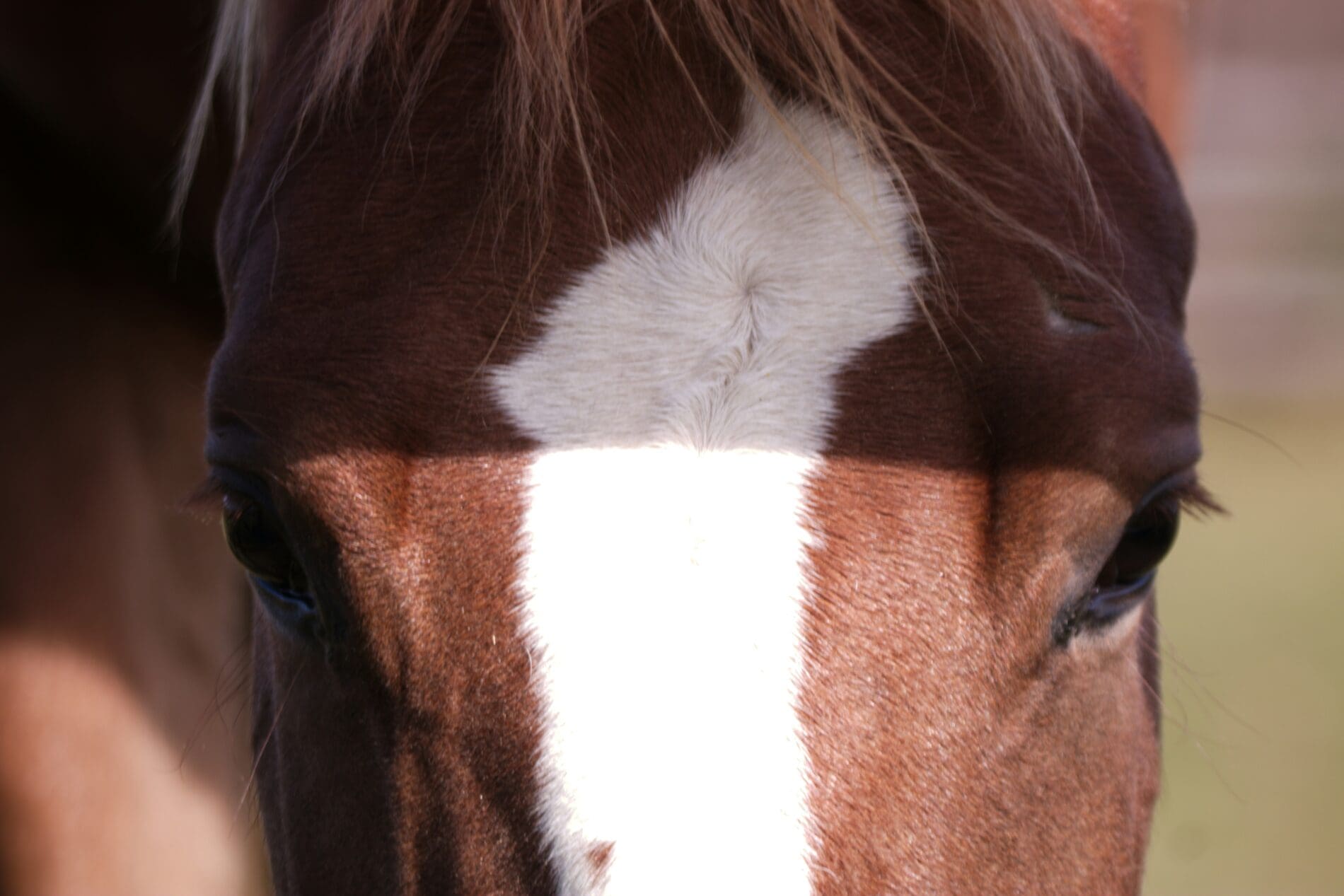
Close-up of a horse’s face, showing its eyes.

Shawna: You mentioned kind of the role that public awareness plays. Do you feel that the public awareness does play a huge role in actually like changing the laws in these practices?

Chantelle: Yeah, absolutely. Public awareness is huge. We live in a world where companies, for the most part, are going to do what’s most profitable. Governments, for the most part, are going to do what gets them re-elected.

So, when we raise public awareness, people change their behaviours and they speak up and it tells those leaders of companies and governments that compassion is the popular choice, that’s going to be more profitable or it’s going to get more people on their side before the next election. When we do see government representatives connect with an issue on a personal level, it’s often because they’ve heard from individuals in their community, not necessarily from someone who’s representing an organization.

Shawna: For increasing public awareness, what are the best strategies? Would you say on social media you have a good reach or is it door-to-door campaigns with petitions? I’m just wondering what is an effective way to get the word out?

Chantelle: I think there are so many different ways. If someone is individually doing this, I would say play to your strengths.

If you have an audience online, definitely online is a great way to reach people. If you’re out in your community and you’re connecting people one-on-one in groups, that’s a great way to reach people. If you’re at an event and you can bring like a plant-based dish, use that as an opener to talk about animal suffering in the farmed animal system. Like anything that you can do to get people talking and thinking, I think is a great way to educate people about the things animals go through. There are opportunities all the time, all around us.

Shawna: And then for Vancouver Humane Society specifically, are you reaching people in specific neighbourhoods directly or do you feel like a lot of the reach comes from posting videos and articles on social media?

Chantelle: The biggest two routes that we take are through our email list and organic social media posts.

There are people who are really deeply engaged and we have about 16,000 people on our email list. We send out things that they can share on social media, ways that they can take direct action, ways that they can speak up to their elected officials.

Shawna: Someone who maybe isn’t on your email list and deeply cares about animals but feels overwhelmed and is not sure where to start—what would you suggest as a way to support this work?

Chantelle: Yeah, I would say the most basic first step is to find an organization that really aligns with your values and subscribe to their email list.

We have so many quick actions, like emails to decision makers, petitions to sign, campaigns to share around. There are ways to get involved to varying degrees based on how much time you have to spend on advocacy work, from a ten second click to a more in-depth collaborative piece.

In a more general sense, I would advise people to get to know your government representatives at the local, provincial, and federal levels. Your city council members, your members of Legislative Assembly, your members of parliament.

Once you make a connection with them, you’re in a much better position to let them know that you care about animals or what you care about in general when a policy decision comes up that they’re involved with. You don’t need to be an expert, it can really just be about going to them and saying, hey, I care about animals, we are a community that loves animals. I really hope you’ll vote for better animal welfare when the opportunity comes up.

Shawna: And if someone wants to engage with anything that VHS is working on and but they don’t live in Vancouver or even British Columbia, are there ways to get involved or do you suggest they find other local humane societies?

Chantelle: I definitely suggest you always find local organizations that you can make a difference locally on issues that are near you, and likely near and dear to your heart. But you absolutely don’t need to live in Vancouver to get involved with our campaigns. We cover a whole range of campaigns from local issues to issues of national importance. Most of our quick actions can be taken by anyone in Canada and sometimes beyond.

I’d recommend you go to our website, vancouverhumane.ca and sign up for our email list to get all the updates. You can also follow us at Vancouver Humane Society on Facebook, LinkedIn, Instagram, or Blue Sky. Any of those ways is going to be a great first route to get involved.

Shawna: Okay. Amazing. Well, Chantelle, I want to thank you so much for sharing everything that Vancouver Humane Society is working on, and ways for people to get involved. I know you really are emphasizing people getting involved with their local officials and I think that is such an important way to help shed light and address some of the injustices going on towards animals in your community. Did you have any final thoughts or anything you wanted to share with our listeners?

Chantelle: I just wanted to thank you so much for having me on today and giving me the opportunity to share about this. I think this is a great podcast and it was a really great conversation and I am glad that we had the chance to talk today.
Categories
News/Blog

How to spot red flags when animals appear in media.

Image credit: Ana Norman Bermudez / We Animals

Animals appear in tv and film, advertisements, and our social media feeds. While some content celebrates animals in respectful ways, other videos and images raise serious welfare concerns.  Knowing what to look for can help you make more ethical choices about the content you watch and share. 

Share this post!

Red flags to watch for when animals are used in media:

  • Animals who appear unhealthy, such as being underweight, overweight, injured, or poorly groomed 
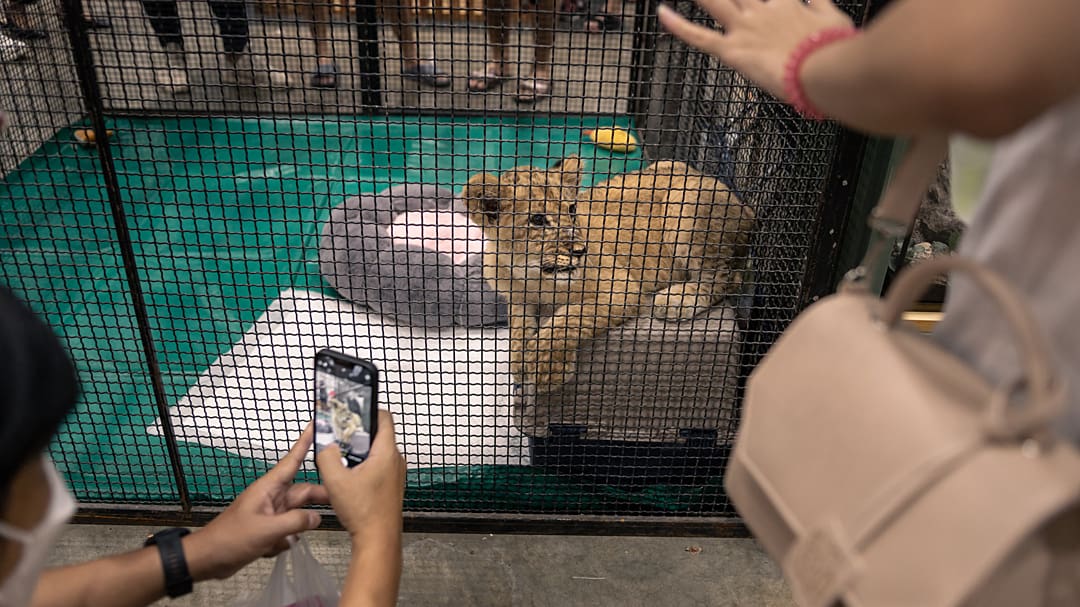
  • The use of wild and exotic animals in captivity for the purpose of entertainment 
  • Forced interactions, such as animals being held for the camera, hugged, or used for selfies.  
  • Animals made to perform tricks, dangerous stunts or forced actions 
  • Wild or exotic animals wearing clothes or being treated like props 
  • Signs of stress, fear, or attempts to escape 
  • Handlers using intimidation or violence to control animals 
  • Animals forced to work in extreme heat, cold, noise, bright lights, or crowded environments 

These signs often point to unethical training methods or poor living conditions behind the scenes. Wild and exotic animals are not domesticated, even if bred in captivity, and can face serious risks to their welfare off-screen. 

While it can be difficult to spot red flags from edited media, it is worth pausing to consider where the animals on our screens may have come from and what their lives may look like off-screen.  

A barn owl sits tethered to the hand of their handler in Prague, Czechia. This owl is displayed in order to sell photoshoots with the captive bird. Prague, Czechia, 2021. Lukas Vincour / Zvirata Nejime / We Animals
Credit: Lukas Vincour / Zvířata Nejíme / We Animals

There are also positive indicators to look out for

Green flags include content that:

  • Encourages responsible animal guardianship of domesticated species
  • Shows animals engaging in natural, species-appropriate behaviours
  • Depicts animals in a respectful and dignified way

Ethical animal content features animals in healthy physical condition, living in appropriate environments, and behaving naturally. It also reflects a genuine commitment to animal welfare, not just entertainment value. Importantly, animals should always have the choice to engage.

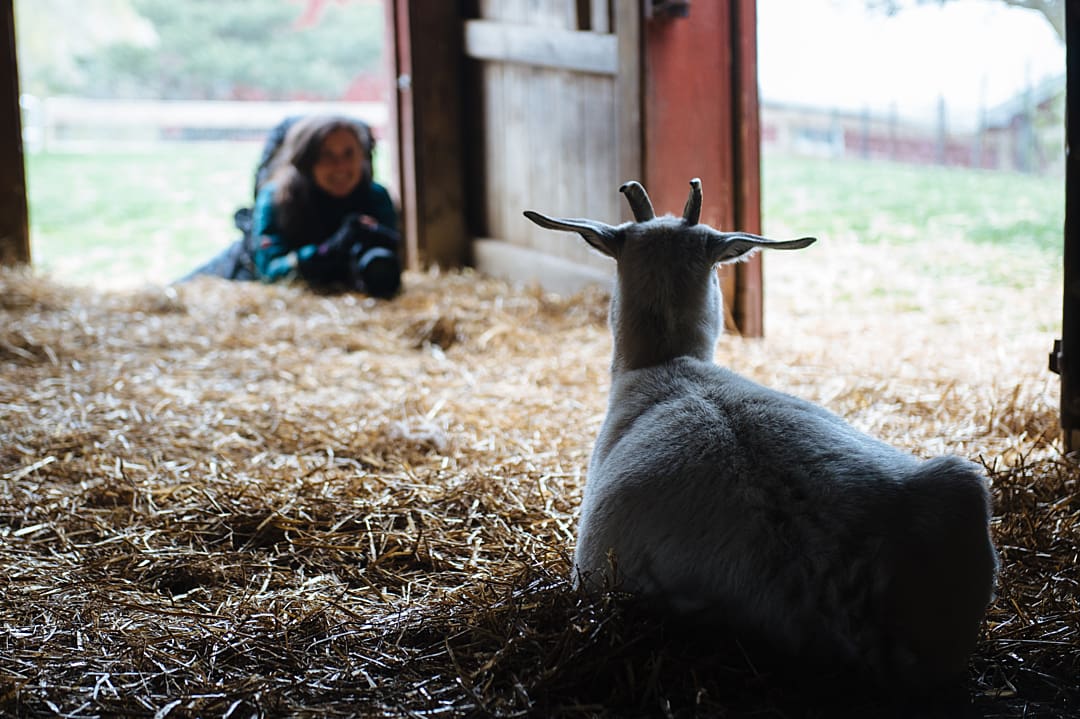
Girl hipster teenager with camera on farm in meadow takes photo of little young goat
Credit: Victoria de Martigny / Farm Sanctuary / We Animals

Some guiding principles

If you come across a video that raises concerns about animal welfare, it can be tempting to comment or share to call it out.

Unfortunately, this increases engagement and can encourage creators to produce more harmful content. The most effective response is not to interact with the content at all and to file a complaint with the company producing and showing the content, or to report the content to appropriate enforcement agencies if animal cruelty is observed.

Many animal videos are harmless and even positive. This includes well-cared-for companion animals playing or relaxing, or footage of wild animals filmed from a respectful distance without human interference.

Being thoughtful about what we watch, and share is one small but powerful way to protect animals. Every view counts. Choosing ethical content helps create a culture where animal welfare comes first

Social media can be part of the solution, not the problem.

Share our content to reach more people and spread the word!

Categories
News/Blog

Progress for renters with pets in Quebec

Quebec’s housing tribunal rules no-pet clause in rental lease violates Charter rights | CBC News

A recent ruling by Quebec’s housing tribunal has found the no-pet clause of a rental lease to be in violation of the province’s Charter of Human Rights and Freedoms.

Renters in Quebec have stronger grounds to challenge no-pet clauses in leases, marking important progress for those who are denied housing simply because they share their homes with companion animals.

“A recent ruling by Quebec’s housing tribunal has found a rental lease’s no-pet clause to be in violation of the province’s Charter of Human Rights and Freedoms, marking a significant advancement in the protection of tenants’ rights when it comes to the issue of pets.”

“This is the first time the no-pet clause has been challenged based on Quebec Charter rights, specifically articles 1 and 5 that pertain to privacy and the right to personal freedom.”

Advocacy for renters with pets

The Montreal SPCA has been fighting to ban no-pet clauses in rental housing for more than a decade.

“More than half of Quebec families now include a pet, according to the SPCA, and challenges with finding housing that allows pets is one of the main reasons animals are surrendered to local shelters.”

By separating animals from the guardians who love them, no-pet clauses cause harm to both humans and animals. They also disproportionately impact individuals living on a lower income, who are far more likely to rent rather than own their homes. An end to these clauses would be a huge win for animal well-being and equity.

What does this mean for current clauses?

“The tribunal’s decision does not automatically invalidate all no-pet clauses across Quebec. However, … this case sets a precedent and means these clauses can now be challenged on these grounds.”

Where B.C. stands on no-pet clauses

Ontario is currently the only province in Canada where no-pet clauses are officially banned. The clauses are still allowed in British Columbia.

Last year, Vancouver City Council voted to push for more pet-friendly housing by asking the Province to eliminate no-pet clauses, and reviewing local housing policies to make sure renters aren’t punished for having a companion animal. The VHS’s Executive Director, Amy Morris, spoke in support of the motion before it was passed.

Read article
Categories
News/Blog

Podcast: A look back at The Informed Animal Ally Season 3

All episodes

A look back at The Informed Animal Ally Season 3

In this month’s episode of The Informed Animal Ally, we look back through some of the topics the VHS covers in our programs like our plant-based advocacy work, advocacy around inhumane rodeo events, emergency veterinary care for pets through our McVitie Fund, and handling burnout as an animal ally, which we cover more in-depth in our trauma-informed training program.

Will plant-based become the norm?

Bowl of plant-based salad

The first episode of this series, Will plant-based become the norm?, was released in July 2023. In this episode of The Informed Animal Ally, we look into a VHS project examining what people in British Columbia’s Lower Mainland think about plant-based eating and sharing its benefits.

Read or listen

Are rodeos obsolete?

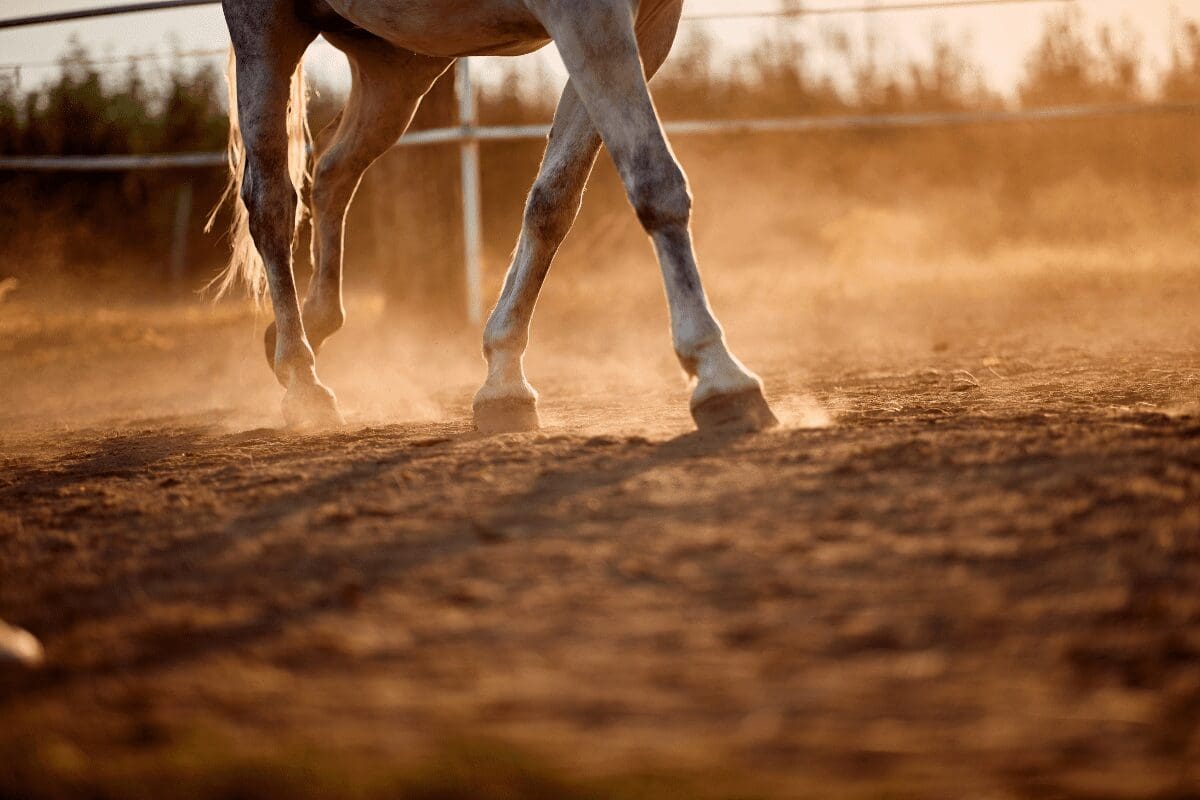
Close-up view of a horse’s legs and hooves

The second episode in this series, Are rodeos obsolete?, was released in August 2023. The episode discusses how animals are impacted by rodeo, public responses to rodeo events, and the future of rodeo.

Read or listen

Is it easy to go vegan?

Young pig in a grassy field at an animal sanctuary

The third episode in this series, Is It Easy to Go Vegan?, was released in September 2023. This episode examines healthism and ableism in discussions around plant-based eating, as well as ways to make plant-based diets more accessible to everyone.

Read or listen

Caring for pets in a financial crisis

Dog and their guardian during a veterinary appointment

The fourth episode in this series, Caring for Pets in a Financial Crisis, was released in September 2023. This episode explores how financial crises can affect many pet guardians, the challenges faced by low-income pet guardians, and the systems in place to support them.

Read or listen

Coping with burnout as an animal ally

Person resting on a rocky overlook with their dog at sunset

The final episode in this series, Coping with Burnout as an Animal Ally, was released in January 2024. This episode takes a closer look at the emotional toll of encountering and standing up against suffering, as well as strategies and tips for managing the compassion fatigue and burnout that many animal advocates experience.

Read or listen

Next episode

Please join us next month for an episode shared from Vegan Boss Radio, featuring VHS Communications Director Chantelle Archambault.

Categories
News/Blog

Honouring Ingrid Pollak: Founder of the Vancouver Humane Society 

We are saddened to share the news of the passing of Ingrid Pollak, founder of the Vancouver Humane Society. Ingrid was a courageous advocate and a powerful voice for animals for decades. We are honoured to share this tribute to her life and her tireless efforts to protect animals and inspire others to do the same. 

Ingrid’s compassion for animals began early in life. Growing up in Germany, she once told friends about seeing flies trapped on flypaper and climbing onto a chair as a child to try to rescue them. That instinct to protect vulnerable animals never left her.

VHS Board members 1993 (Ingrid Pollak, top left)

Her public advocacy began in Vancouver around 1981, when she worked on issues related to stray cat overpopulation and the need for spay and neuter programs. In the late 1980s, she was elected to the board of the Vancouver branch of the BC SPCA, where she advocated for reforms to policies around adoption and the euthanasia of homeless animals. Frustrated with the pace of change, Ingrid left the SPCA and brought together other animal advocates to form the Vancouver Humane Alert Society in 1984, which later became the Vancouver Humane Society (VHS). She once described the organization to the media as “like a union for animals. When animals come into conflict with people, we always side with the animals.” 

Ingrid quickly became a driving force for animal protection in Vancouver. She led the campaign to close the Stanley Park Zoo in the 1990s, using creative and attention grabbing strategies to raise public awareness. One of her most memorable actions involved driving around Vancouver in a pickup truck with a stuffed bear inside a large metal cage in the truck bed while distributing leaflets about the plight of captive animals. In 1993, Vancouver voters chose by a 54 percent majority to close the zoo after a campaign rooted in the belief that wild animals should not be kept primarily for public entertainment. 

She was fearless in confronting cruelty wherever it occurred. In 1990, Ingrid attempted to obtain a legal injunction to save the life of Sniffy the rat when an “artist” threatened to kill the animal in front of an art gallery audience. Circuses and rodeos were also major targets of her advocacy, particularly the Cloverdale Rodeo. Ingrid helped spark the movement that ultimately led to circuses with performing exotic animals being prohibited in most areas of British Columbia. When the Shrine Circus attempted to evade Vancouver’s 1992 bylaw banning exotic animal performances by keeping tigers and bears in transport trucks because they were not technically “performing,” Ingrid exposed the situation by marching up to the trucks with media present and opening the doors. 

Nola Frost, Ingrid Pollak and Annelise Sorg

Her advocacy extended to many other issues. She helped local media uncover that the Vancouver Game Farm (now the Greater Vancouver Zoo) was allowing deer to breed and then shooting the offspring when there were too many animals. From challenging turtle races and the hunting of exhausted migratory birds, to speaking out about the suffering of animals on factory farms and responding to calls about abandoned litters of kittens, Ingrid confronted cruelty wherever she found it, even when it involved powerful institutions.

Ingrid also travelled widely to share knowledge and learn from other advocates, attending animal protection conferences across the United States and Eastern Canada. She collaborated with organizations across North America and beyond, freely sharing resources and working together to advance protections for animals. 

“I don’t love animals, I respect them. They are our cousins. They have blood, nerves, a brain. We don’t always understand them and they don’t always understand us, but we are related. People assume I must ‘love’ animals, but no, I respect them.” -Ingrid Pollak, shared with the VHS fundraising team

Ingrid Pollak was a formidable force for animals, and the Vancouver Humane Society stands as part of her enduring legacy.

Ingrid Pollak & Mary Auerbach 1999

Continuing Ingrid’s legacy

The work Ingrid began more than four decades ago continues today through advocacy, education, and direct support for animals and the people who care for them. One meaningful way supporters can help ensure that this work continues long into the future is through legacy giving. 

By leaving a gift in your will to the Vancouver Humane Society, you can help carry forward Ingrid’s vision of a kinder world for animals. A bequest allows future generations to benefit from the advocacy and programs that protect animals from cruelty and create lasting change. Legacy gifts help ensure that the work Ingrid started many years ago will continue for many years to come. 

We are deeply grateful to everyone who honours Ingrid’s memory by supporting animals and the mission she helped build. 

To find out more about leaving a gift in your will to help animals, visithttps://vancouverhumanesociety.bc.ca/leave-a-legacy or call 604-266-1012.  

To make a donation in Ingrid’s memory visithttps://vancouverhumanesociety.bc.ca/donate-in-memory-and-in-honour/

Categories
News/Blog

Scrolling past suffering: Exotic pets and social media culture

Social media has become one of the most powerful places where people learn about animals. Every day, Canadians scroll past videos of sugar gliders, servals, turtles, snakes, and even native species of wild animals being kept in homes. 

But what do these posts actually tell us about public attitudes toward the exotic pet trade? 

2024 research study examined social media content to better understand how Canadians talk about exotic pets online. What the researchers found raises serious concerns for animal welfare, conservation, and the growing normalization of keeping exotic animals as companions. 

Share this post!

What animals are being shared online?

The study found that a wide range of animals appeared in social media posts, including: 

  • Endangered or threatened species, such as the black-breasted leaf turtle and the Sakishima grass lizard 
  • Animals seen as “cute” or trendy, like sugar gliders and servals
  • Native Canadian wildlife, including raccoons, foxes, and lynxes kept in captivity  (Note: the keeping of wildlife is illegal in B.C. without a permit)

Many of the most popular posts showed exotic animals in ways that encouraged admiration, without explaining how difficult it is to meet their complex needs. 

Public opinion was often positive

One of the most troubling findings was that overall public opinion about the exotic pet trade in Canada was mostly positive. 

Reactions often depended on the type of animal being shown. Mammals received more positive responses than reptiles or spiders, for example. 

When people expressed concern, it was usually focused on one visible issue, such as an enclosure being too small. Much less attention was given to broader harms, including: 

  • long-term suffering
  • improper care  
  • illegal wildlife ownership
  • impacts on conservation  

In many cases, the deeper consequences of the exotic pet trade were missing from the conversation entirely. 

A growing “Collector” mindset

Researchers also noticed a strong “collector” mentality online. 

Some users expressed a desire to own more animals, more species, and rarer animals simply for the sake of having them. This mindset treats living beings as possessions rather than individuals with complex needs. 

At the same time, there was little awareness of how the exotic animal trade threatens wild populations and ecosystems. 

Exotic pets are often personified for entertainment

Another major trend was the way exotic animals are portrayed with human-like emotions or personalities. 

Many posts gave animals voices, assigned them roles like “best friend” or “baby,” or suggested they enjoy captivity the way humans might. 

This kind of content can be deeply misleading. Exotic animals are not domesticated and treating them like props or characters can hide serious welfare concerns. 

The study also found widespread misunderstanding about whether exotic pet ownership is legal. 

Many viewers assumed that if an animal is shown online, it must be permitted or ethical to keep. In reality, laws vary widely, enforcement is limited, and illegal ownership can easily go unnoticed on social media. 

When viral content drives demand: “Paris Hilton Syndrome”

The researchers highlighted a phenomenon sometimes called “Paris Hilton Syndrome.” 

This term comes from the surge in Chihuahua popularity after Paris Hilton’s dog frequently appeared in the media. Many people bought the breed impulsively, and countless dogs were later abandoned or surrendered to shelters. 

Similar trends have followed popular films and television shows, including: 

  • 101 Dalmatians 
  • Finding Nemo 
  • Lassie 

Today, influencers and celebrities sharing exotic pet videos can have the same effect. Viral content can make exotic animals seem trendy, accessible, and easy to care for, even when the reality is far more complex. 

The danger of “Folklore Husbandry”

The study also identified a troubling pattern of misinformation known as “folklore husbandry.” 

This refers to exotic animal care advice that spreads online without scientific evidence or best practices, often based on convenience or personal opinion. 

Examples included false claims such as: 

  • certain animals “do well in small spaces” 
  • keeping exotic pets helps conservation because the species is endangered 
  • captivity is harmless if the animal seems calm 

These myths can lead to suffering and neglect. 

What this means for animals

Positive reactions online can encourage people with little experience to purchase exotic pets or accumulate more animals over time. 

When exotic animals are presented as cute, funny, or emotionally relatable, viewers may accept the content without questioning whether the animal is stressed, improperly housed, or even being kept illegally. 

The result is increased demand, weak oversight, and growing risks for animals. 

What can we do?

Technology can worsen the exotic pet trade, but it can also help stop it. How we use social media matters. 

We can do better by: 

  • challenging myths about exotic pet care 
  • thinking critically about what we see online 
  • supporting stronger regulations 
  • promoting animal welfare and conservation 
  • sharing responsible, evidence-based content 

Social media can be part of the solution, not the problem.

Share our content to reach more people and spread the word!

Categories
News/Blog

Terrified animals are used as TV props in Fear Factor: House of Fear

Cover image: ‘Fear Factor: House of Fear.’ Photo by Serguei Bachlakov VIA RealityBlurred.com.

Rats are crowded in a clear container open at the top, surrounded a larger container of snakes.
FearFactorUS, YouTube.

Game show contestants are covered in bugs while pigeons fall on them from above.

They crawl past a snake holding a dead rat in their mouth by the tail.

They dig through the entrails of dead animals.

They roughly grab invertebrates by the handful.

They are suspended in the air, picking up rats dangerously by their tails, accidentally dropping them into snake pits, and flinging them into a “safety” enclosure.

It seems like the television of a bygone era; the kind of show we could expect to see sitting around our slightly boxier television sets of the early 2000s. But these challenges are all part of the currently airing Fear Factor: House of Fear. The new series, which was filmed in Metro Vancouver and credits local animal handlers, uses animals in a way that is deeply troubling.

Original post + actions
Media red flags list

Fear Factor: House of Fear makes a spectacle out of animal suffering

In one challenge, contestants are locked into a clear box and covered in insects. Either rats, pigeons, crested geckos, or ball pythons are dropped onto them from above, followed by plastic balls that the contestants must open to reveal a code and escape the enclosure.  

As the show title suggests, we see the contestants visibly afraid, fleeing out of the box as soon as they can, some still covered in animals. We see the animals falling and expressing signs of fear and stress: reptiles writhing after falling a considerable distance, rats defecating over each other and people; pigeons flapping their wings and smacking into the wall of the box. As a former pigeon researcher, I found the clearly agitated birds particularly difficult to watch, although all these species are sentient and capable of feeling pain and stress.  

‘Fear Factor: House of Fear.’

And then there are the things we don’t see. It is unclear how animals are housed above the enclosure or how long they may be left in containers before, during, and after filming. It’s also unclear how animals are removed from the contestants after they escape—whether a handler collects them, or the panicked contestants fling them off. 

And of course, unlike the human contestants, the animals did not choose to be put in frightening situations.

Because these species are often thought of as “pests” and “vermin”, the average viewer may not consider their perspective. Others may assume that because the animals were on television, their treatment on- and off-camera was humane. We may be so accustomed to seeing the “No animals were harmed” disclaimer at the end of tv and film productions that many might assume it’s a requirement. But is it? 

Does seeing animals on TV mean “no animals were harmed”?

“No animals were harmed during the making of this film” is a product of collaboration between filmmakers and the American Humane Society. The disclaimer is provided to productions involving animals that meet certain criteria.

These guidelines are not legally mandatory for all productions. They include things like discouraging the use of glass panes around birds, ensuring that multiple reptiles are accustomed to each other if they are in a scene together to protect their safety, and that all physical and emotional discomfort of any kind is to be strictly avoided. 

The disclaimer is notably absent from Fear Factor: House of Fear. The show does not appear on the American Humane Society’s current list of certified “No animals were harmed” productions

Moving past inhumane “entertainment”

The 2000s version of Fear Factor was born out of a different cultural atmosphere. Once-popular shows based on mockery like The Biggest LoserThe Swan, andTeen Mom are now often dissected for their concerning themes. As we progress culturally, we must continue to be critical of the media shown to us and advocate for better treatment of both animals and people.  

Unfortunately, because the actual events depicted in the currently airing Fear Factor: House of Fear revival show were filmed months ago, they cannot be prevented. However, we can do better in the future. By refusing to engage with media that harms animals, we can send a strong message to production companies that profiting off of fear and harm is no longer acceptable.  

The VHS and advocates are calling for change

The Vancouver Humane Society has reached out to all relevant decision-makers to call for accountability and protection for animals. These are:

  • The BC SPCA: The VHS has submitted a cruelty complaint to the BC SPCA, the only animal welfare organization in B.C. with the authority to investigate complaints of animal abuse or neglect under the provincial Prevention of Cruelty to Animals Act. The BC SPCA is unable to comment on ongoing investigations. We will be sure to share any updates as soon as we are able.
  • Canadian Broadcast Standards Council (CBSC): The CBSC deals with complaints and questions from the public about the programming of private broadcasters in Canada. In response to our initial complaint, the VHS received an inadequate response from the shows Canadian broadcaster, Bell Media (CTV), and submitted a ruling request. We await a response to this request, which could take up to four months.
  • Bell Media (CTV): The VHS urged the show’s Canadian broadcaster to stop airing the program, which features improper and inhumane handling of animals.
  • Endemol Shine North America: The VHS also submitted a complaint to the production company of Fear Factor: House of Fear regarding the show’s treatment of animals.
  • B.C. Government: The VHS has contacted provincial decision-makers to call for greater protections for animals used in entertainment such as television productions filmed in the province.

Many supporters have also submitted additional complaints to these decision-makers.

Take action for animals
How to spot red flags in media

Share this post on:
Facebook | Instagram

A new Fear Factor: House of Fear special is set to air in May. For updates, including learning about additional actions as they come up, follow the VHS on social media, subscribe for email notifications, or check back on our website.

Categories
News/Blog

Parrots still imported and bred in Canada as experts warn of growing crisis

Eastern Ontario parrot rescue launches pilot project to address growing crisis

Parrots are one of the most popular pets in Canada, but animal rescues say there aren’t enough resources to support the birds that can often outlive their owners.

Experts are warning of a growing crisis around the care of aging parrots in Canada, a recent CTV News story warns.

Parrots are exotic, undomesticated animals with complex needs who can live up to 80 years or longer. This means they often outlive their original guardians, or the circumstances that enabled a family to care for them.

A rescue in Ontario is pointing to a large demand for rescue services for birds who were bred and sold in the 70’s and 80’s. Still, parrots continue to be bred and imported for the pet trade, exacerbating the long-term strain on a system that is already struggling to keep up.

The VHS and animal allies are calling on the B.C. government to update the Controlled Alien Species regulation to prioritize animal welfare when determining which species can be kept, bred, and traded, and supporting a ban on the import of exotic species whose complex needs cannot be fully met in human care.

Read the article
Take action for exotic animals
Categories
News/Blog

Have your say: Canada’s Code of Practice for the Care and Handling of Equines

Update

The public feedback period for the Equine Code of Practice is now closed. Thank you to everyone who spoke up for animals. Please go to this page for current campaigns.

  • In 2024, we asked for your help in completing a national survey that gathered top equine welfare concerns. Your voice was heard, and responses from this survey were used to create a draft Equine Code of Practice.  
  • The public comment period for the National Farm Animal Care Council’s (NFACC) Equine Code of Practice is now open until March 12, 2026  
  • The Equine Code of Practice provides a guideline for the on-farm care and handling of horses and donkeys raised in Canada.  
  • While this draft provides many much-needed updates to the Equine Code of Practice, there are still changes to be made to improve equine welfare. 
  • Note that the code does not include transport, such as the live export of horses for slaughter; it only includes on-farm practices and deciding if individual horses are fit for transport. 

TAKE ACTION: Join us in providing feedback on the draft code on the issues that are important to you; everyone can participate! 

Top welfare priorities
Tips for submitting
Submit your feedback 

Share this post!

Top Welfare Priorities

We encourage you to read through the draft Equine Code of Practice and provide feedback on the issues that matter most to you if possible.

However, we have prepared the VHS’s top welfare priorities with section headers and tips for submitting your feedback if you are short on time and would like guidance. REMINDER: do not copy and paste the text below, as duplicate submissions will be ignored by NFACC.

Section 2: Facilities and Housing

Section 2.3.1 – Indoor space allowance

Comment on Requirements:

Tie-stalls should be banned, which keep animals tethered in one place and prevent them from moving freely, socializing, or behaving naturally, often leading to physical and mental health problems. (Popescu et al., 2019; Yngvesson et al., 2019).

Section 6: Loose Horse Management

Section 6.5.1 – Stocking density

Comment on Requirements

Currently, there are no requirements about how much space horses need or shelter access in feedlots or other similar environments. Clear minimum standards should be set, based on research, to give horses enough room, reduce stress, fighting, and injuries, and protect them from harsh weather.

Section 7: Husbandry

Section 7.1 – Turnout, social opportunities, and enrichment 

Comment on Requirements

Currently, there are no minimum requirements for turnout (giving equines free access to pasture or paddock), social opportunities, and enrichment in the draft code.

Turnout and enrichment allow horses to express natural behaviours and provide mental stimulation, including grazing, freedom of movement and social interaction.

Minimum requirements should include: 

Turnout: Horses should be allowed outside for at least 12 hours each day (Bell et al., 2001). They need enough space to move freely at their own pace and to get away from other horses if there is aggression.

Enrichment: Horses should have regular contact with other compatible horses, a variety of toys and feeding options, and opportunities to do natural things like rolling in pasture or using scent and scratching stations.

Section 7.2 – General behaviour and handling of horses

Comment on Recommended Best Practices

Horses are easily frightened and may react by bolting or becoming aggressive. To keep both people and horses safe, it should be a requirement to avoid loud noises, sudden movements, or other actions that could scare them.

Section 7.3 – Methods of identification

Comment on Requirements

Hot and freeze branding are painful and stressful for horses and can have lasting effects on their behaviour. Since there are safer ways to identify horses, like microchipping, branding should no longer be allowed. Instead, clear visual identification methods, such as coat markings, hair patterns, colour differences, scars, or properly fitted leg bands, should be used.

Section 8: Exercise & Training

Section 8.2 – Guidelines for training horses

Comment on Recommended Best Practices

It should be required to use the First Training Principles when training and handling horses (refer to Appendix L – Handling Horses and How Horses Learn).

Equestrians often use training methods that compromise equine welfare to achieve competition-related goals. Training horses should never harm their well-being and should match what they are physically and mentally able to do.

Using proven, humane training methods helps keep both horses and trainers safe and reduces problem behaviours.

Section 9: Reproductive Management

Section 9.5.4 – Weaning

Comment on Recommended Best Practices

It should be a requirement that foals are not weaned before 6 months of age, and when possible, weaning should wait until after 9 months. Gradual weaning helps reduce stress and supports healthy growth and development in young horses (Henry et al., 2020).

Section 10: Transport

Section 10.1 – Fitness for transport

Comment on Requirements

People who assess an animal’s suitability for transport should receive proper training, and their assessments should be recorded and documented so there are clear, reliable records.

Section 10.4 – Loading and unloading

Comment on Recommended Best Practices

Recommendations (a.), (b.), (c.), (d.), (e.) should be requirements given the high stress of loading and unloading for equines.

Section 10.4.2 – Post-transport management

Comment on Recommended Best Practices:

Horses may hide signs of pain when people are watching (Torcivia & McDonnell, 2020), so recently transported horses should be closely monitored for dehydration, injuries, colic, fever, or breathing problems, especially after long trips or when horses from different places have been mixed.

Comment on Recommended Best Practices:

There should be a recommended practice of video monitoring recently transported horses.

Section 11: Change or End of Career

Section 11.1 – Change or end of career

Comment on Requirements:

Every equine industry should have a transition plan for what happens to horses at the end of their working careers, and having this plan should be required for operation.

Section 12: Euthanasia

Section 12.2 – Methods of euthanasia

Comment on Requirements:

Euthanasia must be carried out in a way that causes no pain or fear, and horses must be made unconscious immediately.

Submit your feedback now!

Tips for submitting

To make your submission impactful, and to ensure that it is reviewed by NFACC, consider these tips before submitting your feedback:  

  • IMPORTANT: Do not copy and paste wording, as duplicate responses and/or profanity or derogatory language will not be considered by NFACC. 
  • Keep responses relevant to the draft code. Issues involving transportation, such as live horse export, will not be considered by NFACC.  
  • Provide references and examples whenever possible. 
  • Reference exact wording in the draft code that you would like to see changed and how you would like it changed  
  • Make it personal, the committee members are interested in how this code impacts you  
  • Consider looking through the submission form for formatting style before you begin drafting your feedback 
Thank you so much for taking the time to speak up for equids in Canada.
Submit your feedback now!
References

Bell R.A., Nielsen B.D., Waite K., Rosenstein D. & Orth M. (2001) Daily access to pasture turnout prevents loss of mineral in the third metacarpus of Arabian weanlings. Journal of Animal Science 79:142-1150.  

Henry, S., Sigurjónsdóttir, H., Klapper, A., Joubert, J., Montier, G., & Hausberger, M. (2020). Domestic foal weaning: Need for re-thinking breeding practices? Animals 10(2): 361. doi:https://doi.org/10.3390/ani10020361  

Popescu, S., Lazar, E. A., Borda, C., Niculae, M., Sandru, C. D., & Spinu, M. (2019). Welfare quality of breeding horses under different housing conditions. Animals 9(3): 81. doi:https://doi.org/10.3390/ani9030081  

Torcivia, C., & McDonnell, S. (2020). In-Person Caretaker Visits Disrupt Ongoing Discomfort Behavior in Hospitalized Equine Orthopedic Surgical Patients. Animals 10(2): 210. https://doi.org/10.3390/ani10020210  

Yngvesson, J., Rey Torres, J. C., Lindholm, J., Pättiniemi, A., Andersson, P., & Sassner, H. (2019). Health and body conditions of riding school horses housed in groups or kept in conventional tie-Stall/Box housing. Animals 9(3): 73. doi:https://doi.org/10.3390/ani9030073 

Stay Informed. Help Animals.

Learn about farmed animal welfare in Canada and what you can do to help! Sign up now to get clear explanations, action alerts, and practical steps you can take when it matters most.  Click here to learn more.