Categories
News/Blog

Scrolling past suffering: Exotic pets and social media culture

Social media has become one of the most powerful places where people learn about animals. Every day, Canadians scroll past videos of sugar gliders, servals, turtles, snakes, and even native species of wild animals being kept in homes. 

But what do these posts actually tell us about public attitudes toward the exotic pet trade? 

A 2024 research study examined social media content to better understand how Canadians talk about exotic pets online. What the researchers found raises serious concerns for animal welfare, conservation, and the growing normalization of keeping exotic animals as companions. 

Share this post!

What animals are being shared online?

The study found that a wide range of animals appeared in social media posts, including: 

  • Endangered or threatened species, such as the black-breasted leaf turtle and the Sakishima grass lizard 
  • Animals seen as “cute” or trendy, like sugar gliders and servals
  • Native Canadian wildlife, including raccoons, foxes, and lynxes kept in captivity  (Note: the keeping of wildlife is illegal in B.C. without a permit)

Many of the most popular posts showed exotic animals in ways that encouraged admiration, without explaining how difficult it is to meet their complex needs. 

Public opinion was often positive

One of the most troubling findings was that overall public opinion about the exotic pet trade in Canada was mostly positive. 

Reactions often depended on the type of animal being shown. Mammals received more positive responses than reptiles or spiders, for example. 

When people expressed concern, it was usually focused on one visible issue, such as an enclosure being too small. Much less attention was given to broader harms, including: 

  • long-term suffering
  • improper care  
  • illegal wildlife ownership
  • impacts on conservation  

In many cases, the deeper consequences of the exotic pet trade were missing from the conversation entirely. 

A growing “Collector” mindset

Researchers also noticed a strong “collector” mentality online. 

Some users expressed a desire to own more animals, more species, and rarer animals simply for the sake of having them. This mindset treats living beings as possessions rather than individuals with complex needs. 

At the same time, there was little awareness of how the exotic animal trade threatens wild populations and ecosystems. 

Exotic pets are often personified for entertainment

Another major trend was the way exotic animals are portrayed with human-like emotions or personalities. 

Many posts gave animals voices, assigned them roles like “best friend” or “baby,” or suggested they enjoy captivity the way humans might. 

This kind of content can be deeply misleading. Exotic animals are not domesticated and treating them like props or characters can hide serious welfare concerns. 

The study also found widespread misunderstanding about whether exotic pet ownership is legal. 

Many viewers assumed that if an animal is shown online, it must be permitted or ethical to keep. In reality, laws vary widely, enforcement is limited, and illegal ownership can easily go unnoticed on social media. 

When viral content drives demand: “Paris Hilton Syndrome”

The researchers highlighted a phenomenon sometimes called “Paris Hilton Syndrome.” 

This term comes from the surge in Chihuahua popularity after Paris Hilton’s dog frequently appeared in the media. Many people bought the breed impulsively, and countless dogs were later abandoned or surrendered to shelters. 

Similar trends have followed popular films and television shows, including: 

  • 101 Dalmatians 
  • Finding Nemo 
  • Lassie 

Today, influencers and celebrities sharing exotic pet videos can have the same effect. Viral content can make exotic animals seem trendy, accessible, and easy to care for, even when the reality is far more complex. 

The danger of “Folklore Husbandry”

The study also identified a troubling pattern of misinformation known as “folklore husbandry.” 

This refers to exotic animal care advice that spreads online without scientific evidence or best practices, often based on convenience or personal opinion. 

Examples included false claims such as: 

  • certain animals “do well in small spaces” 
  • keeping exotic pets helps conservation because the species is endangered 
  • captivity is harmless if the animal seems calm 

These myths can lead to suffering and neglect. 

What this means for animals

Positive reactions online can encourage people with little experience to purchase exotic pets or accumulate more animals over time. 

When exotic animals are presented as cute, funny, or emotionally relatable, viewers may accept the content without questioning whether the animal is stressed, improperly housed, or even being kept illegally. 

The result is increased demand, weak oversight, and growing risks for animals. 

What can we do?

Technology can worsen the exotic pet trade, but it can also help stop it. How we use social media matters. 

We can do better by: 

  • challenging myths about exotic pet care 
  • thinking critically about what we see online 
  • supporting stronger regulations 
  • promoting animal welfare and conservation 
  • sharing responsible, evidence-based content 

Social media can be part of the solution, not the problem.

Share our content to reach more people and spread the word!

Categories
News/Blog

Terrified animals are used as TV props in Fear Factor: House of Fear

Cover image: ‘Fear Factor: House of Fear.’ Photo by Serguei Bachlakov VIA RealityBlurred.com.

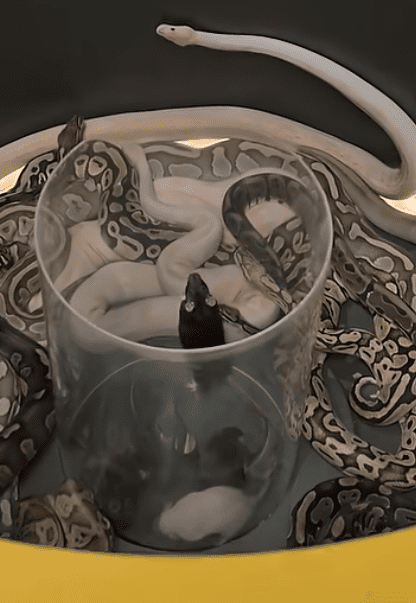
Rats are crowded in a clear container open at the top, surrounded a larger container of snakes.
FearFactorUS, YouTube.

Game show contestants are covered in bugs while pigeons fall on them from above.

They crawl past a snake holding a dead rat in their mouth by the tail.

They dig through the entrails of dead animals.

They roughly grab invertebrates by the handful.

They are suspended in the air, picking up rats dangerously by their tails, accidentally dropping them into snake pits, and flinging them into a “safety” enclosure.

It seems like the television of a bygone era; the kind of show we could expect to see sitting around our slightly boxier television sets of the early 2000s. But these challenges are all part of the currently airing Fear Factor: House of Fear. The new series, which was filmed in Metro Vancouver and credits local animal handlers, uses animals in a way that is deeply troubling.

Original post + actions
Media red flags list

Fear Factor: House of Fear makes a spectacle out of animal suffering

In one challenge, contestants are locked into a clear box and covered in insects. Either rats, pigeons, crested geckos, or ball pythons are dropped onto them from above, followed by plastic balls that the contestants must open to reveal a code and escape the enclosure.  

As the show title suggests, we see the contestants visibly afraid, fleeing out of the box as soon as they can, some still covered in animals. We see the animals falling and expressing signs of fear and stress: reptiles writhing after falling a considerable distance, rats defecating over each other and people; pigeons flapping their wings and smacking into the wall of the box. As a former pigeon researcher, I found the clearly agitated birds particularly difficult to watch, although all these species are sentient and capable of feeling pain and stress.  

‘Fear Factor: House of Fear.’

And then there are the things we don’t see. It is unclear how animals are housed above the enclosure or how long they may be left in containers before, during, and after filming. It’s also unclear how animals are removed from the contestants after they escape—whether a handler collects them, or the panicked contestants fling them off. 

And of course, unlike the human contestants, the animals did not choose to be put in frightening situations.

Because these species are often thought of as “pests” and “vermin”, the average viewer may not consider their perspective. Others may assume that because the animals were on television, their treatment on- and off-camera was humane. We may be so accustomed to seeing the “No animals were harmed” disclaimer at the end of tv and film productions that many might assume it’s a requirement. But is it? 

Does seeing animals on TV mean “no animals were harmed”?

“No animals were harmed during the making of this film” is a product of collaboration between filmmakers and the American Humane Society. The disclaimer is provided to productions involving animals that meet certain criteria.

These guidelines are not legally mandatory for all productions. They include things like discouraging the use of glass panes around birds, ensuring that multiple reptiles are accustomed to each other if they are in a scene together to protect their safety, and that all physical and emotional discomfort of any kind is to be strictly avoided. 

The disclaimer is notably absent from Fear Factor: House of Fear. The show does not appear on the American Humane Society’s current list of certified “No animals were harmed” productions. 

Moving past inhumane “entertainment”

The 2000s version of Fear Factor was born out of a different cultural atmosphere. Once-popular shows based on mockery like The Biggest Loser, The Swan, andTeen Mom are now often dissected for their concerning themes. As we progress culturally, we must continue to be critical of the media shown to us and advocate for better treatment of both animals and people.  

Unfortunately, because the actual events depicted in the currently airing Fear Factor: House of Fear revival show were filmed months ago, they cannot be prevented. However, we can do better in the future. By refusing to engage with media that harms animals, we can send a strong message to production companies that profiting off of fear and harm is no longer acceptable.  

The VHS and advocates are calling for change

The Vancouver Humane Society has reached out to all relevant decision-makers to call for accountability and protection for animals. These are:

  • The BC SPCA: The VHS has submitted a cruelty complaint to the BC SPCA, the only animal welfare organization in B.C. with the authority to investigate complaints of animal abuse or neglect under the provincial Prevention of Cruelty to Animals Act. The BC SPCA is unable to comment on ongoing investigations. We will be sure to share any updates as soon as we are able.
  • Canadian Broadcast Standards Council (CBSC): The CBSC deals with complaints and questions from the public about the programming of private broadcasters in Canada. In response to our initial complaint, the VHS received an inadequate response from the shows Canadian broadcaster, Bell Media (CTV), and submitted a ruling request. We await a response to this request, which could take up to four months.
  • Bell Media (CTV): The VHS urged the show’s Canadian broadcaster to stop airing the program, which features improper and inhumane handling of animals.
  • Endemol Shine North America: The VHS also submitted a complaint to the production company of Fear Factor: House of Fear regarding the show’s treatment of animals.
  • B.C. Government: The VHS has contacted provincial decision-makers to call for greater protections for animals used in entertainment such as television productions filmed in the province.

Many supporters have also submitted additional complaints to these decision-makers.

Take action for animals
How to spot red flags in media

Share this post on:
Facebook | Instagram

A new Fear Factor: House of Fear special is set to air in May. For updates, including learning about additional actions as they come up, follow the VHS on social media, subscribe for email notifications, or check back on our website.

Categories
News/Blog

Parrots still imported and bred in Canada as experts warn of growing crisis

Eastern Ontario parrot rescue launches pilot project to address growing crisis

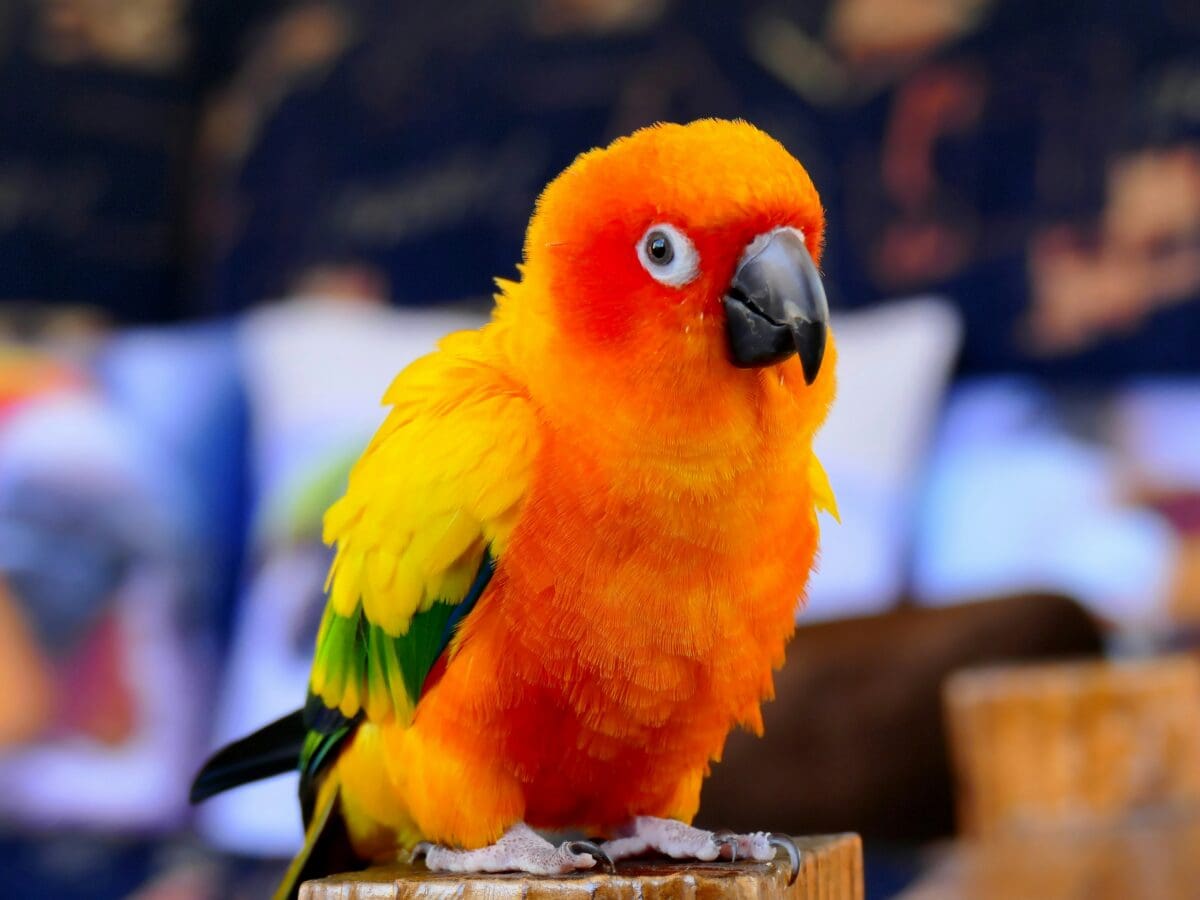
Parrots are one of the most popular pets in Canada, but animal rescues say there aren’t enough resources to support the birds that can often outlive their owners.

Experts are warning of a growing crisis around the care of aging parrots in Canada, a recent CTV News story warns.

Parrots are exotic, undomesticated animals with complex needs who can live up to 80 years or longer. This means they often outlive their original guardians, or the circumstances that enabled a family to care for them.

A rescue in Ontario is pointing to a large demand for rescue services for birds who were bred and sold in the 70’s and 80’s. Still, parrots continue to be bred and imported for the pet trade, exacerbating the long-term strain on a system that is already struggling to keep up.

The VHS and animal allies are calling on the B.C. government to update the Controlled Alien Species regulation to prioritize animal welfare when determining which species can be kept, bred, and traded, and supporting a ban on the import of exotic species whose complex needs cannot be fully met in human care.

Read the article
Take action for exotic animals
Categories
News/Blog

Have your say: Canada’s Code of Practice for the Care and Handling of Equines

Update

The public feedback period for the Equine Code of Practice is now closed. Thank you to everyone who spoke up for animals. Please go to this page for current campaigns.

  • In 2024, we asked for your help in completing a national survey that gathered top equine welfare concerns. Your voice was heard, and responses from this survey were used to create a draft Equine Code of Practice.  
  • The public comment period for the National Farm Animal Care Council’s (NFACC) Equine Code of Practice is now open until March 12, 2026  
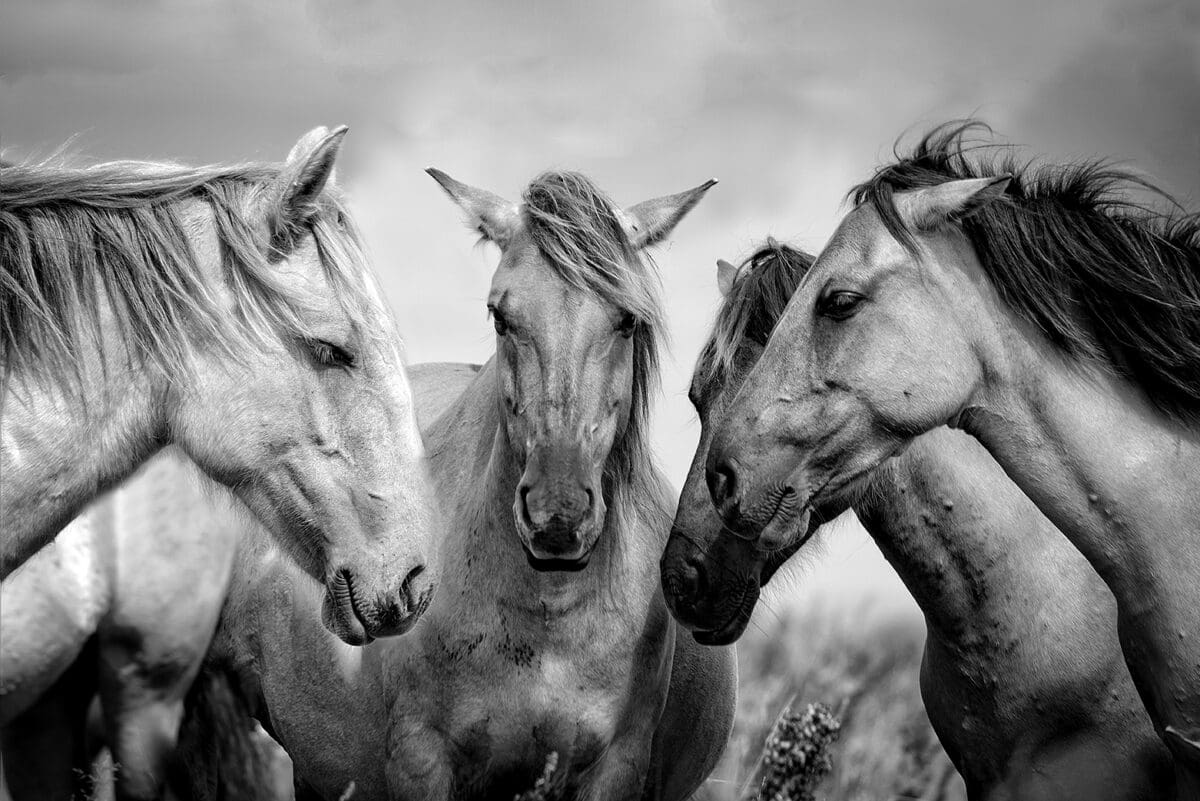
  • The Equine Code of Practice provides a guideline for the on-farm care and handling of horses and donkeys raised in Canada.  
  • While this draft provides many much-needed updates to the Equine Code of Practice, there are still changes to be made to improve equine welfare. 
  • Note that the code does not include transport, such as the live export of horses for slaughter; it only includes on-farm practices and deciding if individual horses are fit for transport. 

TAKE ACTION: Join us in providing feedback on the draft code on the issues that are important to you; everyone can participate! 

Top welfare priorities
Tips for submitting
Submit your feedback 

Share this post!

Top Welfare Priorities

We encourage you to read through the draft Equine Code of Practice and provide feedback on the issues that matter most to you if possible.

However, we have prepared the VHS’s top welfare priorities with section headers and tips for submitting your feedback if you are short on time and would like guidance. REMINDER: do not copy and paste the text below, as duplicate submissions will be ignored by NFACC.

Section 2: Facilities and Housing

Section 2.3.1 – Indoor space allowance

Comment on Requirements:

Tie-stalls should be banned, which keep animals tethered in one place and prevent them from moving freely, socializing, or behaving naturally, often leading to physical and mental health problems. (Popescu et al., 2019; Yngvesson et al., 2019).

Section 6: Loose Horse Management

Section 6.5.1 – Stocking density

Comment on Requirements

Currently, there are no requirements about how much space horses need or shelter access in feedlots or other similar environments. Clear minimum standards should be set, based on research, to give horses enough room, reduce stress, fighting, and injuries, and protect them from harsh weather.

Section 7: Husbandry

Section 7.1 – Turnout, social opportunities, and enrichment 

Comment on Requirements

Currently, there are no minimum requirements for turnout (giving equines free access to pasture or paddock), social opportunities, and enrichment in the draft code.

Turnout and enrichment allow horses to express natural behaviours and provide mental stimulation, including grazing, freedom of movement and social interaction.

Minimum requirements should include: 

Turnout: Horses should be allowed outside for at least 12 hours each day (Bell et al., 2001). They need enough space to move freely at their own pace and to get away from other horses if there is aggression.

Enrichment: Horses should have regular contact with other compatible horses, a variety of toys and feeding options, and opportunities to do natural things like rolling in pasture or using scent and scratching stations.

Section 7.2 – General behaviour and handling of horses

Comment on Recommended Best Practices

Horses are easily frightened and may react by bolting or becoming aggressive. To keep both people and horses safe, it should be a requirement to avoid loud noises, sudden movements, or other actions that could scare them.

Section 7.3 – Methods of identification

Comment on Requirements

Hot and freeze branding are painful and stressful for horses and can have lasting effects on their behaviour. Since there are safer ways to identify horses, like microchipping, branding should no longer be allowed. Instead, clear visual identification methods, such as coat markings, hair patterns, colour differences, scars, or properly fitted leg bands, should be used.

Section 8: Exercise & Training

Section 8.2 – Guidelines for training horses

Comment on Recommended Best Practices

It should be required to use the First Training Principles when training and handling horses (refer to Appendix L – Handling Horses and How Horses Learn).

Equestrians often use training methods that compromise equine welfare to achieve competition-related goals. Training horses should never harm their well-being and should match what they are physically and mentally able to do.

Using proven, humane training methods helps keep both horses and trainers safe and reduces problem behaviours.

Section 9: Reproductive Management

Section 9.5.4 – Weaning

Comment on Recommended Best Practices

It should be a requirement that foals are not weaned before 6 months of age, and when possible, weaning should wait until after 9 months. Gradual weaning helps reduce stress and supports healthy growth and development in young horses (Henry et al., 2020).

Section 10: Transport

Section 10.1 – Fitness for transport

Comment on Requirements

People who assess an animal’s suitability for transport should receive proper training, and their assessments should be recorded and documented so there are clear, reliable records.

Section 10.4 – Loading and unloading

Comment on Recommended Best Practices

Recommendations (a.), (b.), (c.), (d.), (e.) should be requirements given the high stress of loading and unloading for equines.

Section 10.4.2 – Post-transport management

Comment on Recommended Best Practices:

Horses may hide signs of pain when people are watching (Torcivia & McDonnell, 2020), so recently transported horses should be closely monitored for dehydration, injuries, colic, fever, or breathing problems, especially after long trips or when horses from different places have been mixed.

Comment on Recommended Best Practices:

There should be a recommended practice of video monitoring recently transported horses.

Section 11: Change or End of Career

Section 11.1 – Change or end of career

Comment on Requirements:

Every equine industry should have a transition plan for what happens to horses at the end of their working careers, and having this plan should be required for operation.

Section 12: Euthanasia

Section 12.2 – Methods of euthanasia

Comment on Requirements:

Euthanasia must be carried out in a way that causes no pain or fear, and horses must be made unconscious immediately.

Submit your feedback now!

Tips for submitting

To make your submission impactful, and to ensure that it is reviewed by NFACC, consider these tips before submitting your feedback:  

  • IMPORTANT: Do not copy and paste wording, as duplicate responses and/or profanity or derogatory language will not be considered by NFACC. 
  • Keep responses relevant to the draft code. Issues involving transportation, such as live horse export, will not be considered by NFACC.  
  • Provide references and examples whenever possible. 
  • Reference exact wording in the draft code that you would like to see changed and how you would like it changed  
  • Make it personal, the committee members are interested in how this code impacts you  
  • Consider looking through the submission form for formatting style before you begin drafting your feedback 
Thank you so much for taking the time to speak up for equids in Canada.
Submit your feedback now!
References

Bell R.A., Nielsen B.D., Waite K., Rosenstein D. & Orth M. (2001) Daily access to pasture turnout prevents loss of mineral in the third metacarpus of Arabian weanlings. Journal of Animal Science 79:142-1150.  

Henry, S., Sigurjónsdóttir, H., Klapper, A., Joubert, J., Montier, G., & Hausberger, M. (2020). Domestic foal weaning: Need for re-thinking breeding practices? Animals 10(2): 361. doi:https://doi.org/10.3390/ani10020361  

Popescu, S., Lazar, E. A., Borda, C., Niculae, M., Sandru, C. D., & Spinu, M. (2019). Welfare quality of breeding horses under different housing conditions. Animals 9(3): 81. doi:https://doi.org/10.3390/ani9030081  

Torcivia, C., & McDonnell, S. (2020). In-Person Caretaker Visits Disrupt Ongoing Discomfort Behavior in Hospitalized Equine Orthopedic Surgical Patients. Animals 10(2): 210. https://doi.org/10.3390/ani10020210  

Yngvesson, J., Rey Torres, J. C., Lindholm, J., Pättiniemi, A., Andersson, P., & Sassner, H. (2019). Health and body conditions of riding school horses housed in groups or kept in conventional tie-Stall/Box housing. Animals 9(3): 73. doi:https://doi.org/10.3390/ani9030073 

Stay Informed. Help Animals.

Learn about farmed animal welfare in Canada and what you can do to help! Sign up now to get clear explanations, action alerts, and practical steps you can take when it matters most.  Click here to learn more.

Categories
News/Blog

UBC VegFest helps the next generation help animals

What if choosing lunch could help spare animals from suffering? On March 4, that hopeful vision came to life at the very first UBC VegFest!

The VHS’s PlantUniversity program partnered with the student club Vegans of UBC to showcase more than 25 local plant-based businesses and organizations right on campus. The event was hosted in collaboration with UBC’s student union, AMS, and supported by TMRW Foods, Vegan Supply, and SEEDS Sustainability Program.

Thousands of students and members of the surrounding community sampled delicious foods, met passionate vendors, and learned how plant-based choices can support their health, protect the environment, and reduce animal suffering in factory farms.

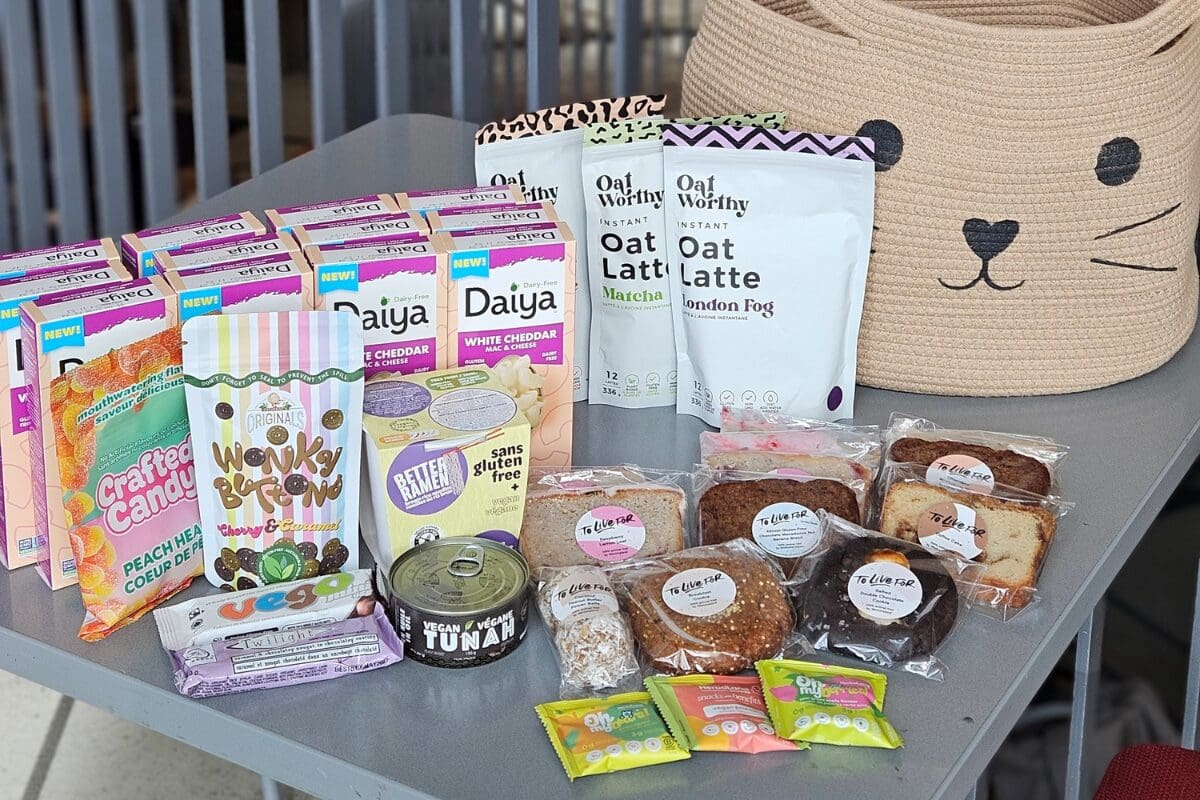
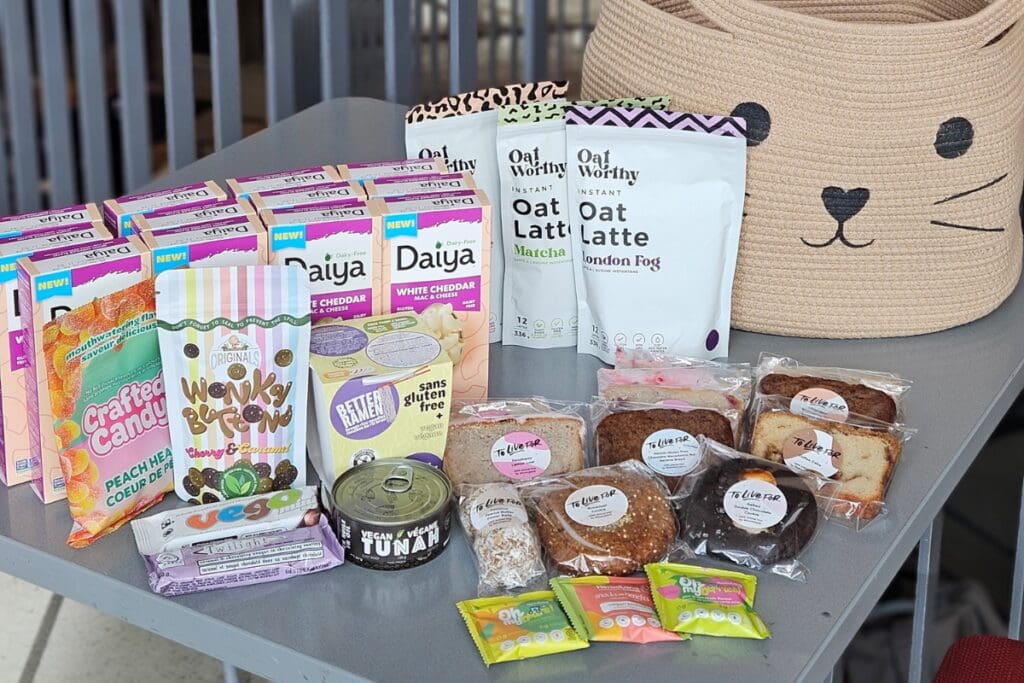
A basket next to plant-based items such as boxed mac and cheese, chocolate, loaves, and vegan tuna.
The winner of the UBC VegFest early bird draw showed off her gift basket, with items generously donated by Daiya, Oatworthy, Vegan Supply, To Live For, Gusta, Nuts For Cheese, and the Progressive Non-Animal Research Society.

Events like UBC VegFest are a powerful step toward a kinder food system. Outreach and education like this help to shape the values of future leaders and make compassionate choices more visible and accessible.

“Thank you so much for emphasizing education during the event just as much as yummy foods! I really appreciate this event. It is my favourite I’ve ever attended at UBC and I hope it becomes annual.” -Attendee of UBC VegFest

For young people making independent food choices for the first time, an open and welcoming community that shares the benefits of plant-based eating can help influence habits that last a lifetime.

One attendee called the experience “eye-opening to the options available to support a plant-based diet”.

Thank you to everyone who was involved in this event. Your advocacy helps to plant seeds of change that will grow for years to come.

For a list of organizers and vendors, visit the event page at PlantUniversity.ca.

Categories
News/Blog

Protect ducks and geese from force-feeding for foie gras (Federal e-petition)

Update

This petition is now closed. Thank you to everyone who signed and spoke up for animals. Please go to this page for current campaigns.

  • The Vancouver Humane Society is joining the Canadian Coalition for Farmed Animals and advocates across Canada in calling for a ban on force-feeding ducks and geese for foie gras production.
  • Foie gras is produced by force-feeding ducks and geese until their livers swell up to ten times their normal size, causing a painful condition known as hepatic lipidosis (fatty liver syndrome).
  • Many other nations have banned the production and/or import of foie gras due to the severe animal welfare concerns, including the UK, Argentina, Australia, and India.

TAKE ACTION: Canadian residents can sign the official parliamentary e-petition until January 2, 2026. After you sign, be sure to click the link in the confirmation email so your signature is counted.

View updates

End foie gras production, import, and sale in Canada

Join the Vancouver Humane Society, the Canadian Coalition for Farmed Animals, MP Nathaniel Erskine-Smith, and advocates across Canada in calling to protect ducks and geese from inhumane force-feeding for foie gras.

The petition calls on Canada’s Minister of Agriculture and Agri-Food to:

  • Ban the practice of force-feeding ducks and geese for the production of foie gras;
  • Ban the importation and sale of foie gras produced by such force-feeding;
  • Provide financial assistance and guidance to producers for transitioning to plant-based agriculture.

Sign the federal e-petition on the Parliament of Canada website before January 2, 2026, at 10:28 a.m. PT. 

Important: After you sign the petition, be sure to check your email and click the confirmation link to ensure your signature is counted.  

View updates (Petition closed)

Categories
News/Blog

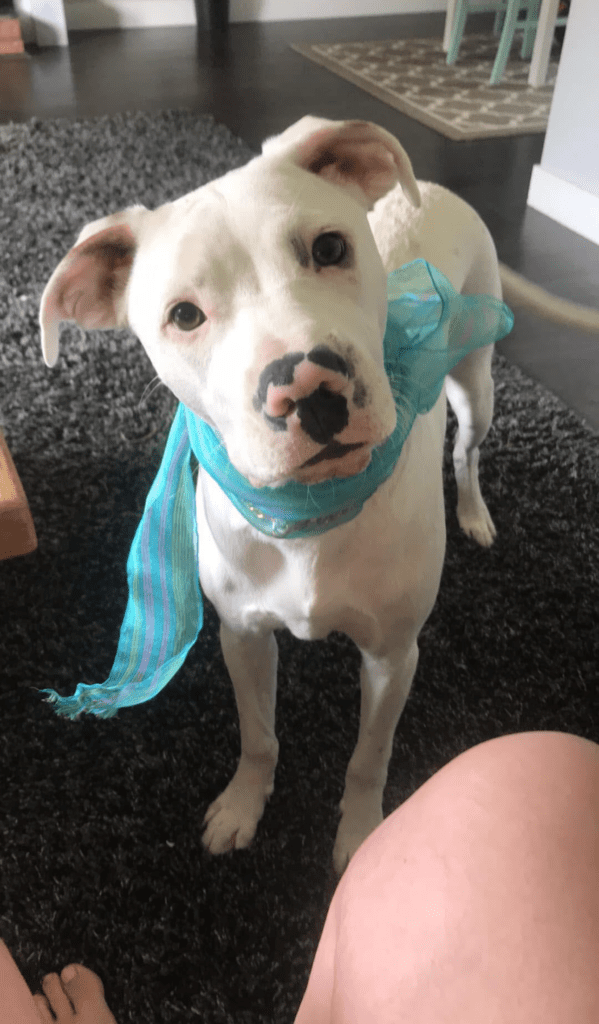
George is home safe

When Hannah noticed that her beloved dog George had stopped eating and drinking and had developed a large, hard bump on his lip, she was terrified. Firm lumps that cause behaviour changes like this can be a sign of cancer.

George is a rescued dog from Mexico, found abandoned in a dumpster with his brothers as a puppy. Today, he is a 70-pound lap dog at heart who wants nothing more than to snuggle close to his mom. “He’s the most cuddly boy and always wanting to sleep with mom,” Hannah shared.

Living in a recovery house and doing her best to rebuild her life, Hannah was distraught when she realized she could not afford to have George examined. Hannah reached out to the McVitie Fund for help.  

Thanks to support from our wonderful community, George was able to see a veterinarian. He received an exam, medication for allergies, and antibiotics to treat the concerning bump. George is now on the road to recovery and back where he belongs, curled up beside Hannah. 

“Thank you so much for your help, I seriously appreciate it,” Hannah told the VHS’s McVitie team. She now looks forward to reaching a point in her life when she can give back to help other animals like George.

George’s recovery would not have been possible without the support of generous donors to the McVitie Fund. Could you make a small gift today to help us say yes to more beloved companion animals?

Categories
News/Blog

More than 1,300 pets received life-saving care in 2025

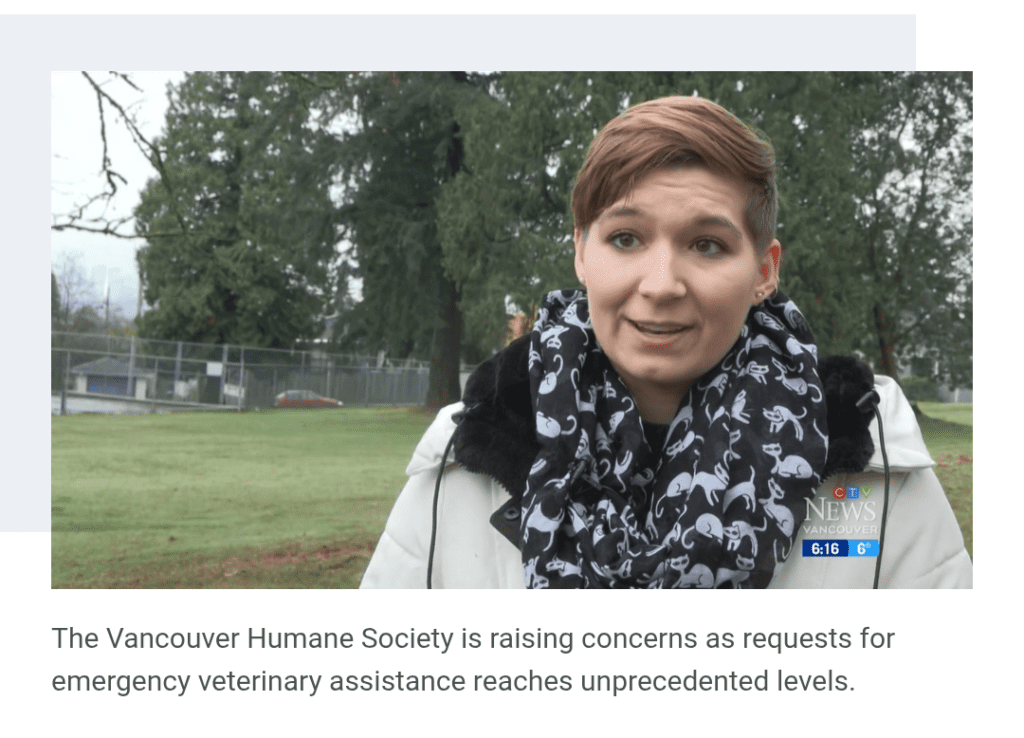
CTV News story

Last year was incredibly challenging for many animal guardians across British Columbia. Rising costs left more people struggling to afford emergency veterinary care for the animals they love. At the same time, shelters and rescues were stretched beyond capacity.

For guardians with nowhere else to turn, the Vancouver Humane Society’s McVitie Fund was a vital lifeline.

In 2025, 1,372 animals received urgent, life-saving veterinary care through the McVitie Fund, nearly double the number helped the year before. Demand has grown dramatically, with more than eleven times as many applications compared to 2020.

Thanks to caring people like you, the program was able to remain open until mid-December and distribute a record-breaking $642,000 in emergency funds.

1,372

animals received life-saving veterinary care through the McVitie Fund in 2025

Your support makes stories like Rafiki’s possible.

After repeated attempts to treat painful urinary crystals, Rafiki needed emergency surgery. With help from the McVitie Fund, he received the care he needed and is now back home with his guardian, Sarah. “If it wasn’t for you, I don’t know what I would have done. Thank you so much!” Sarah told the VHS. “He’s my baby boy. He means everything to me.”

Rafiki at the vet
Rafiki back home safe

Every dollar makes a difference for families in need of urgent support. Can you donate today to help animals come home safe?

Categories
News/Blog

4 years later, renewed calls to end live horse export for slaughter 

Photos: Canadian Horse Defence Coalition

  • December 16, 2025 marks four years since the federal Liberal government promised to ban live horse export for slaughter, yet the commitment remains unfulfilled. 
  • In that time, more than 10,700 horses have been shipped on long, stressful overseas flights, destined for slaughter despite widespread public opposition. 
  • These grueling 20+ hour journeys where horses are confined in cramped crates have led to injuries, extreme exhaustion, miscarriages, and deaths. 
  • Bill C-355, introduced in 2023 to end live horse export for slaughter, passed the House of Commons but stalled in the Senate and died with the 2025 election. 
  • With one of the most vocal Senators who previously blocked the bill now retired, Canadians are calling on the federal government to finally keep its promise and end this inhumane industry for good. 

Take action!

Online

Remind decision-makers that this issue matters to you! Use the talking points below to send a message to your Member of Parliament and the federal Minister of Agriculture. 

Talking points

In person

Attend the candlelight vigil planned in Vancouver on Tuesday, December 16th at Vancouver City Hall – 453 W 12th Ave, 6PM – 7PM.

For more information, visit the Vancouver event facebook page and see the full list of vigils across Canada.

Vancouver vigil
All vigils in Canada


Tell your Member of Parliament and the Minister of Agriculture to prioritize an end to live horse export for slaughter 

Step 1

Use your postal code to find your MP’s contact information and include the federal Minister of Agriculture, Honourable Heath MacDonald. 

Find my MP

Agriculture Minister, Heath MacDonald: aafc.minister-ministre.aac@agr.gc.ca  

Step 2

Use the key points below to help you draft your email. Personalized emails are more impactful, so be sure to use your own words. 

Why you’re writing: 

  • Share that you’re a constituent of the Member of Parliament; 
  • That you’re writing regarding Canada’s inhumane practice of live horse export for slaughter; 
  • That it’s the four year anniversary of the federal government’s promise to end live horse export for slaughter; 
  • That you’re urging the government to follow through on this promise and end the practice once and for all.  

Why the issue matters to you: 

Consider sharing a few of key issues below that most concern you: 

  • Horses are loaded into crowded crates and flown on lengthy and stressful journeys overseas, destined for slaughter. 
  • Horses can legally go 28 hours without food, water, or rest – though investigations show many journeys exceed this already inhumane time limit.  
  • Deaths and injuries are commonplace, with investigations uncovering extreme exhaustion, miscarriages, and even deaths during and soon after the flights. For example, 21 horses died in 13 months between May 2023-June 2024. 
  • More than 10,000 horses have been sent to their deaths since the government promised to ban live horse export for slaughter. 
  • Polling shows a strong majority of Canadians are opposed to live horse export for slaughter. 

Reiterate your request: 

  • That you’re strongly urging them, as your elected representative and the Minister responsible for implementing a ban, to prioritize an end to live horse export for slaughter. 

Ask for a reply: 

  • Thank them for their consideration of your request and ask that they respond to you at their earliest convenience, as this issue is important to you. 
Send a message to your Member of Parliament & Minister of Agriculture

Categories
News/Blog

TAKE ACTION: Support the B.C. government decision to end horse racing funding & call for a safe retirement plan for horses

  • In response to the provincial government announcing the end of government funding for horse racing, Hastings Racecourse has announced they will stop horse racing effective immediately.  
  • While there is industry pushback to the B.C. government’s announcement to end funding for horse racing, the decision did not happen in isolation.
  • This change follows decades of decline in revenue and public support and heavy reliance on public funding. 
  • Hastings Racecourse was the last active race track in B.C., meaning there is no more horse racing in the province.
  • Hastings has seen multiple fatalities in recent seasons, including three known horse deaths in 2025, four in 2024, and eight in 2023. Each loss is a reminder of the inherent risks horses face in the racing industry. 
Follow up with decision-makers

While incredibly grateful for this decision, the VHS recognizes the uncertainty it may create for workers and animals within the industry. The VHS urges the provincial government and industry stakeholders to ensure a just and compassionate transition plan, including: 

  • Support for workers in the horse racing industry faced with this transition; 
  • Safe, secure retirement and rehoming plans for horses. 

Join the VHS in extending our sincere gratitude to Minister Nina Krieger for her leadership in making this decision and encourage meaningful support for workers and animals transitioning away from horse racing. Use the VHS’s quick action tool below to send a letter to the Minister and your Member of the Legislative Assembly (MLA). 

The VHS recently spoke with CBC on this news. Click here to watch the interview!

Send a message
Watch CBC interview