Image credit: Ana Norman Bermudez / We Animals
Animals appear in tv and film, advertisements, and our social media feeds. While some content celebrates animals in respectful ways, other videos and images raise serious welfare concerns. Knowing what to look for can help you make more ethical choices about the content you watch and share.
Share this post!
Red flags to watch for when animals are used in media:
These signs often point to unethical training methods or poor living conditions behind the scenes. Wild and exotic animals are not domesticated, even if bred in captivity, and can face serious risks to their welfare off-screen.
While it can be difficult to spot red flags from edited media, it is worth pausing to consider where the animals on our screens may have come from and what their lives may look like off-screen.
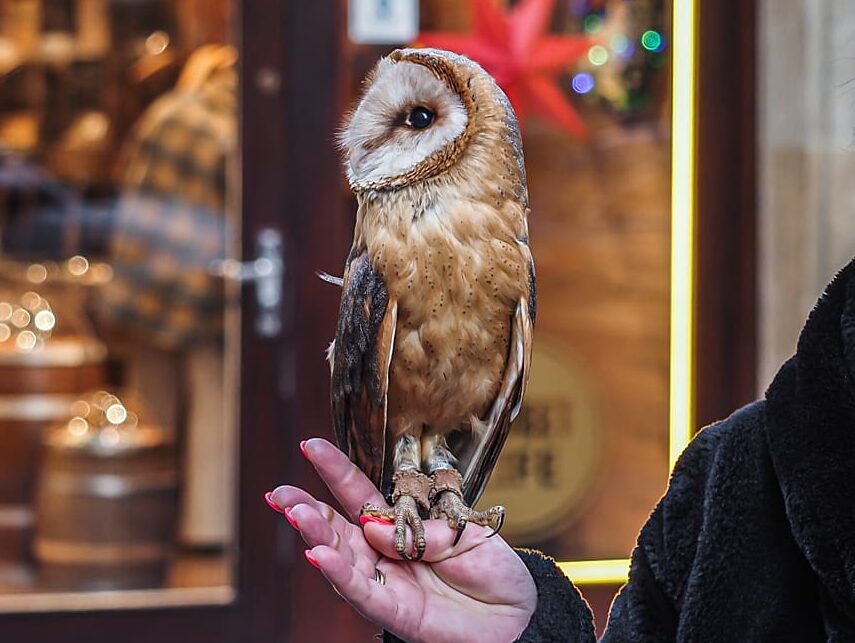
There are also positive indicators to look out for
Green flags include content that:
Ethical animal content features animals in healthy physical condition, living in appropriate environments, and behaving naturally. It also reflects a genuine commitment to animal welfare, not just entertainment value. Importantly, animals should always have the choice to engage.
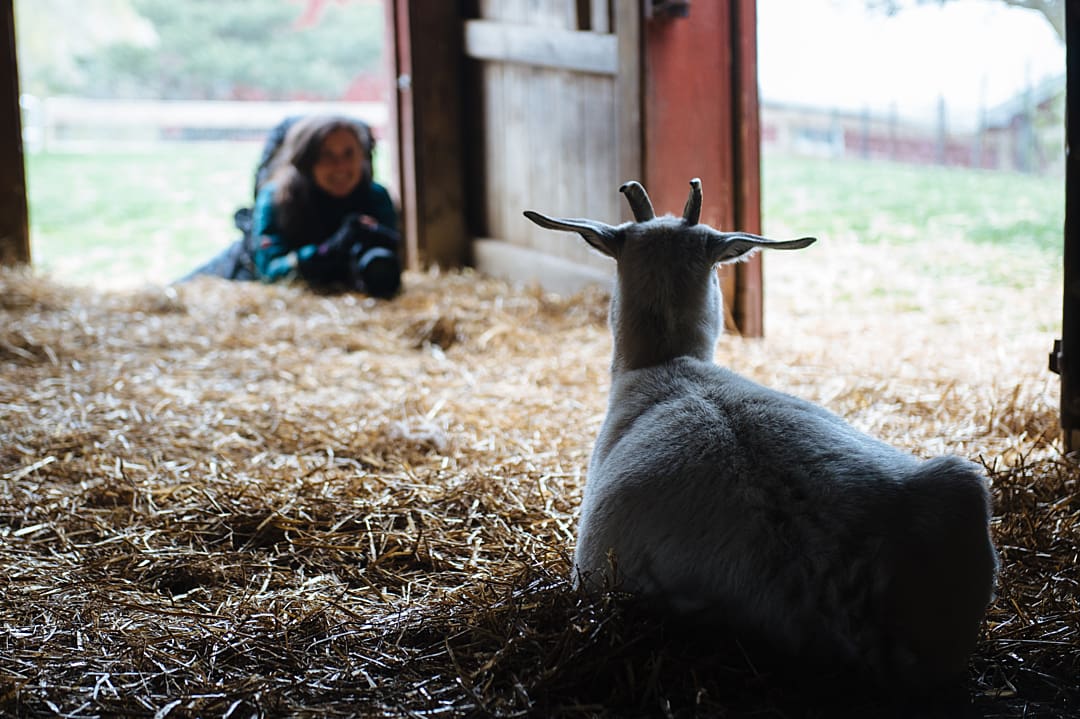
Some guiding principles
If you come across a video that raises concerns about animal welfare, it can be tempting to comment or share to call it out.
Unfortunately, this increases engagement and can encourage creators to produce more harmful content. The most effective response is not to interact with the content at all and to file a complaint with the company producing and showing the content, or to report the content to appropriate enforcement agencies if animal cruelty is observed.
Many animal videos are harmless and even positive. This includes well-cared-for companion animals playing or relaxing, or footage of wild animals filmed from a respectful distance without human interference.
Being thoughtful about what we watch, and share is one small but powerful way to protect animals. Every view counts. Choosing ethical content helps create a culture where animal welfare comes first
Social media can be part of the solution, not the problem.
Share our content to reach more people and spread the word!