When animals appear on screen or arrive at a community event, it is easy to miss what happens behind the scenes. Thanks to your support, The Vancouver Humane Society is working to ensure animals used in television, film, and mobile live animal programs, such as petting zoos and reptile expos, are treated humanely.
The VHS team is attending exotic animal expos to document welfare concerns, bringing in international experts to share evidence with decision makers, and sharing on social media about the needs of exotic animals. Alongside partner organizations and experts, we are developing practical recommendations to share with the provincial government to better protect animals.
The VHS is grateful to the Animal Welfare Foundation of Canada for their generous grant funding of our work to raise awareness about the suffering of wild, exotic animals kept in captivity for entertainment, as pets, and used in mobile live animal programs. The rest of this work was made possible through kind donations from animal allies. Thank you for standing with animals and helping create meaningful change.
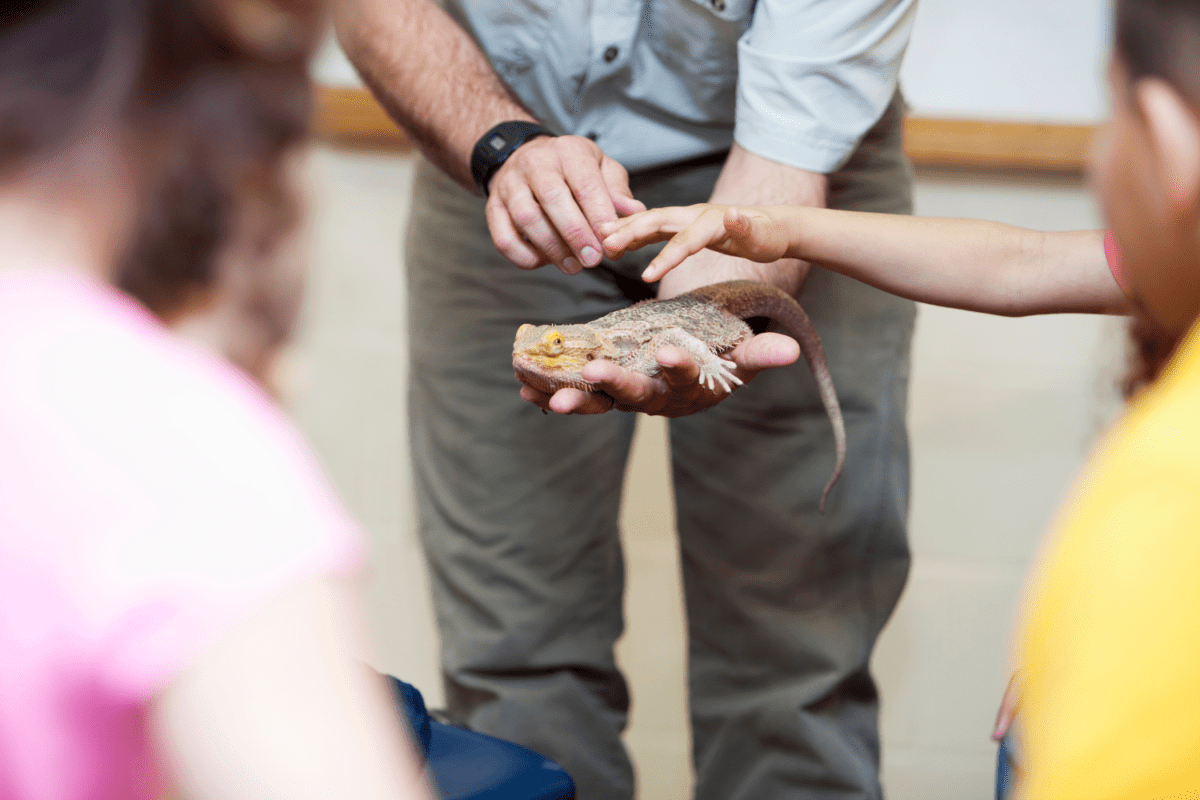
What does a bearded dragon passed from child to child at a birthday party, a snake in a small plastic container for sale at a reptile expo, and a sloth being fed carrots by children in a crowded attraction, all have in common?
They are all examples of mobile live animal programs, or MLAPs, where animals are brought to events to be displayed, handled or sold.
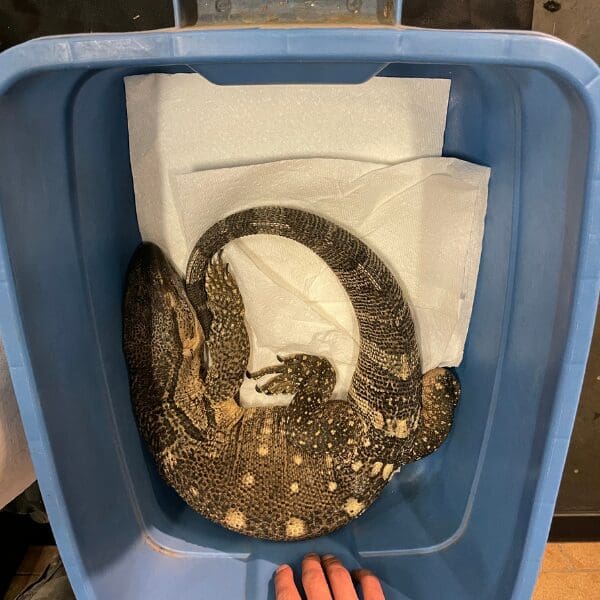
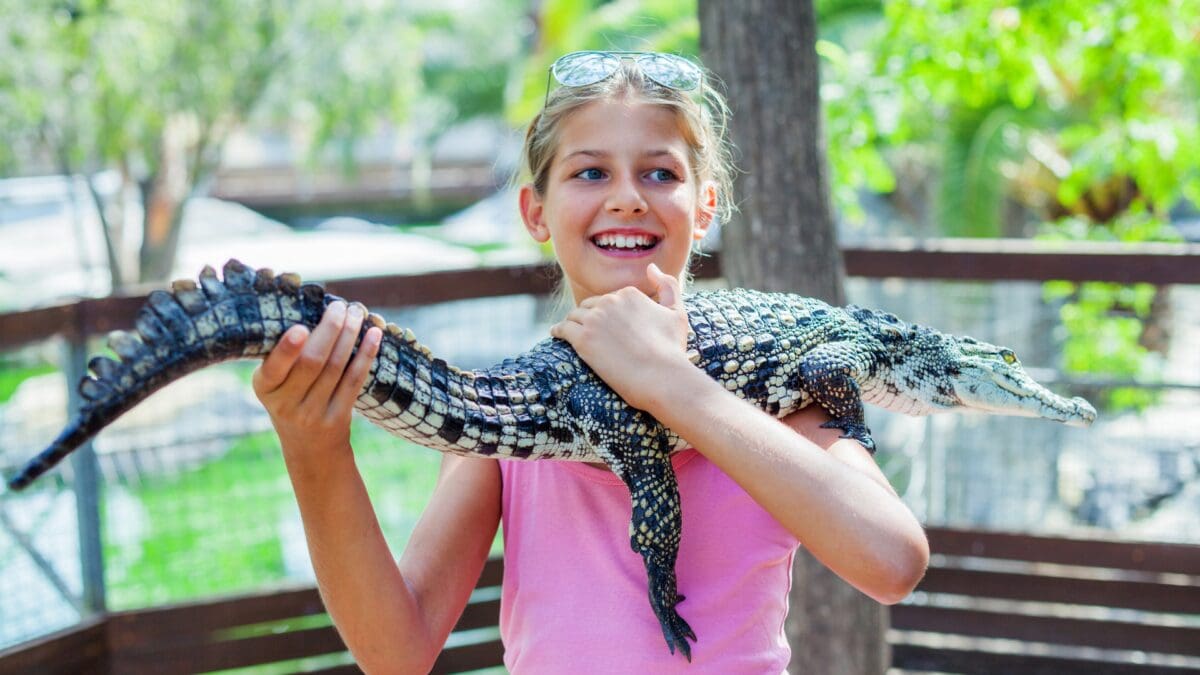
They can look like harmless fun. But for the animals, they often mean frequent travel to unfamiliar environments, hours of being on display and handled by strangers, and nowhere to hide.
And because healthy-looking animals can carry pathogens like E. coli and Salmonella, the risks reach peopletoo, especially young children, older adults, and pregnant people.
There is little oversight of these programs, and British Columbians are concerned. New polling found that strong majorities worry about the impacts on animal welfare, public health and safety, and the environment.
Learn more about the issues with MLAPs below and help raise awareness by sharing this information with your community.
Sign up to stay updated on this campaign and for opportunities to speak up.
MLAPs involve transporting animals to different locations for display, public entertainment, fundraising, or sale. This includes, but is not limited to:
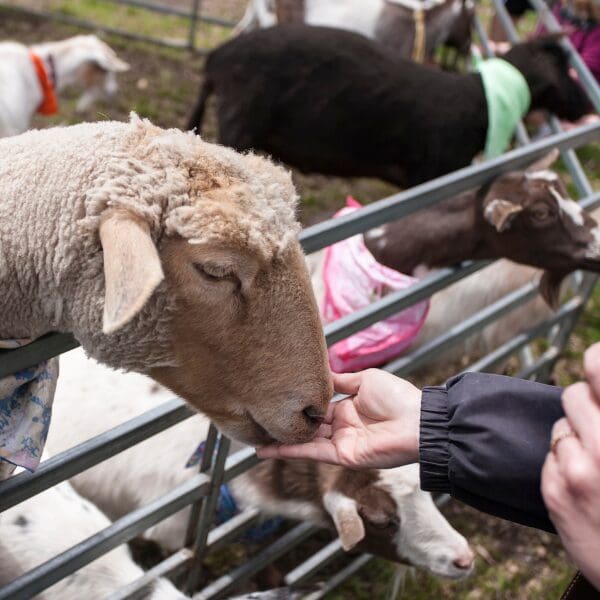
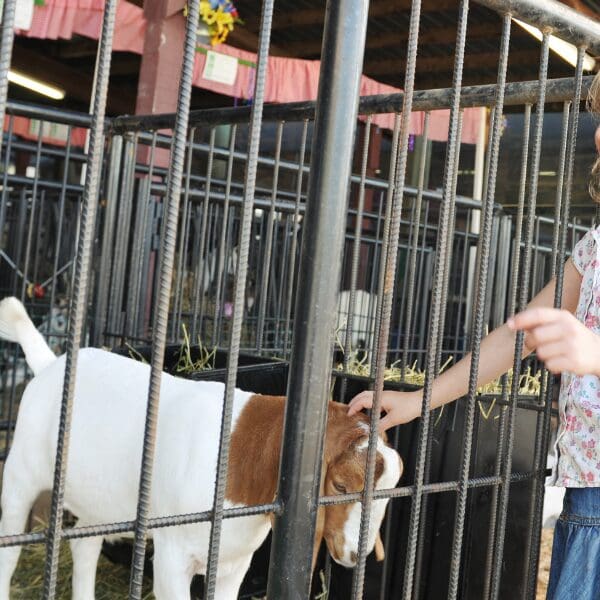
Travelling petting zoos and mobile farms at fairs, festivals, schools, and markets
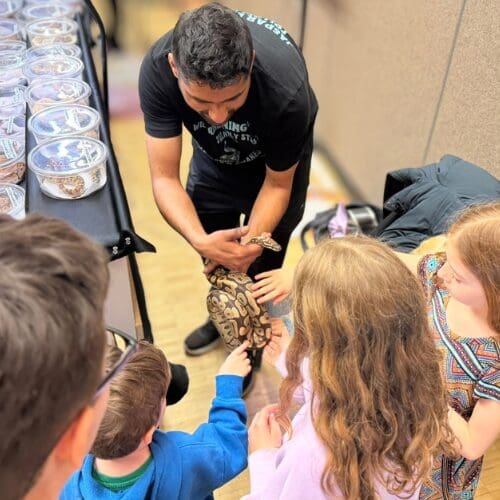
Classroom, assisted living home, and birthday party animal presentations
Animal displays and attractions at shopping centres and community events
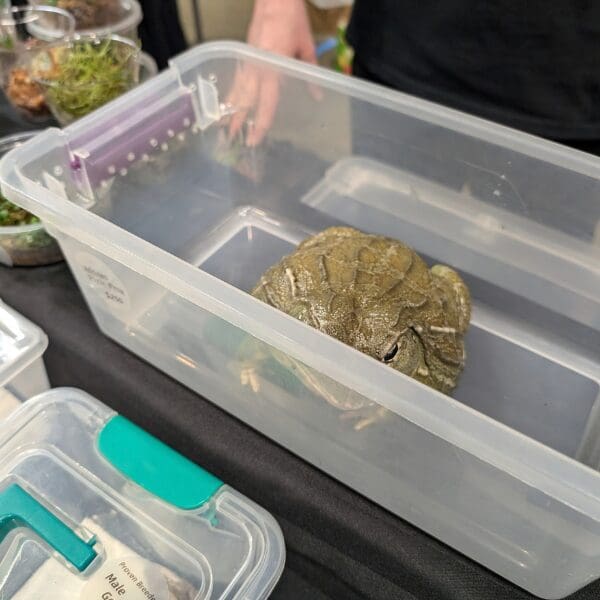
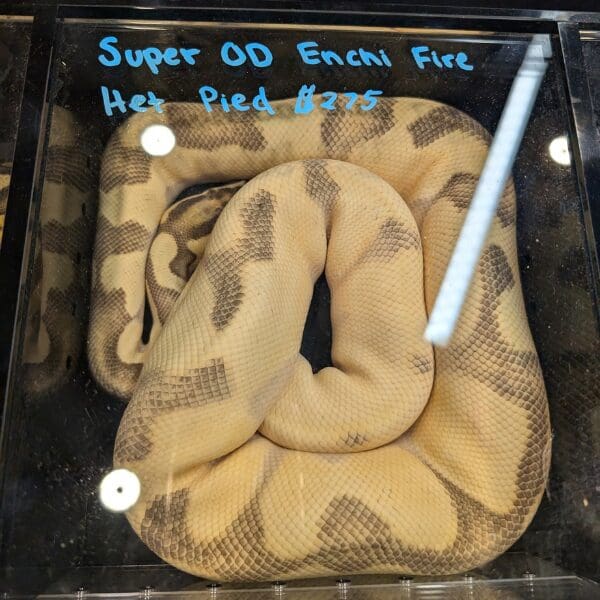
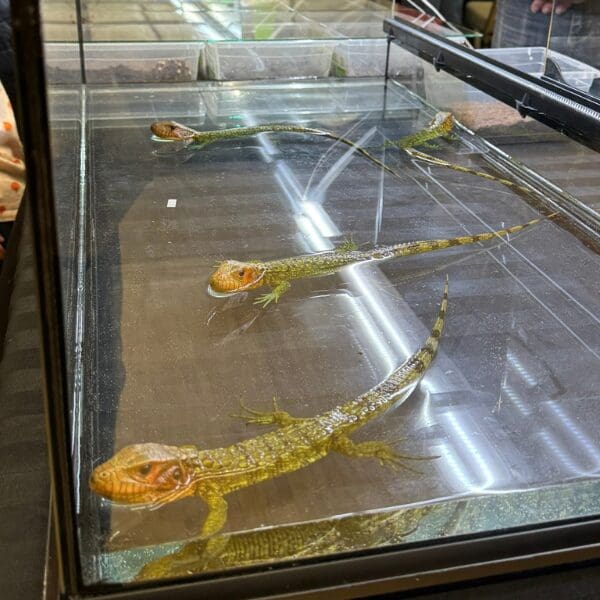
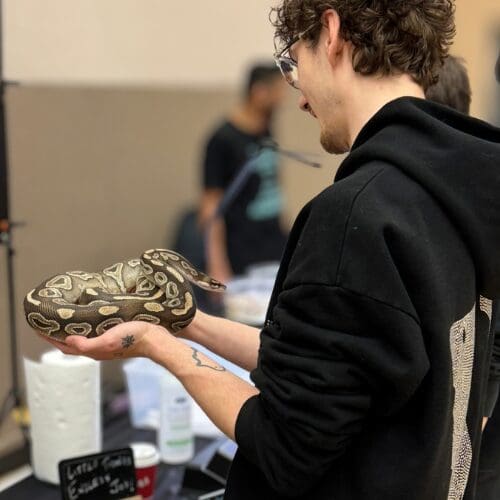
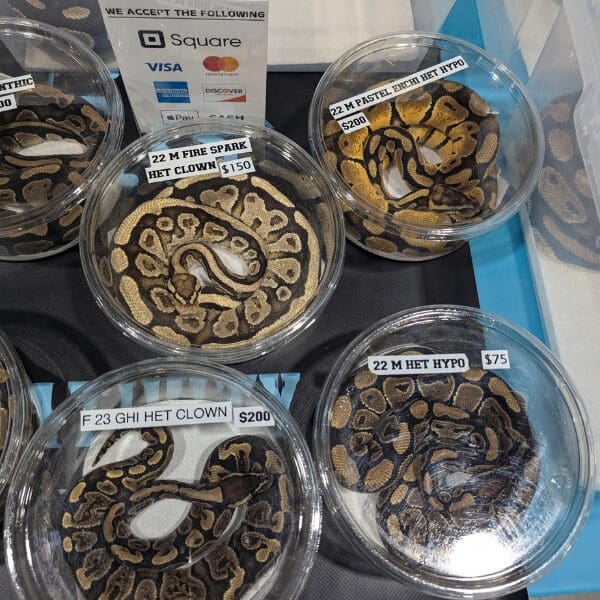
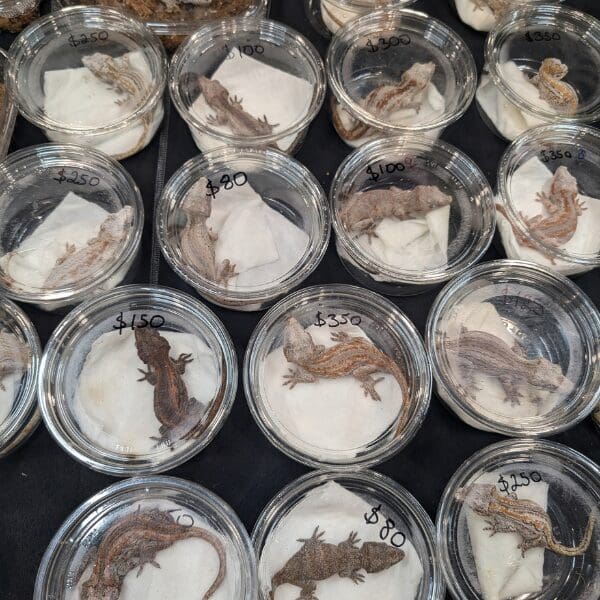
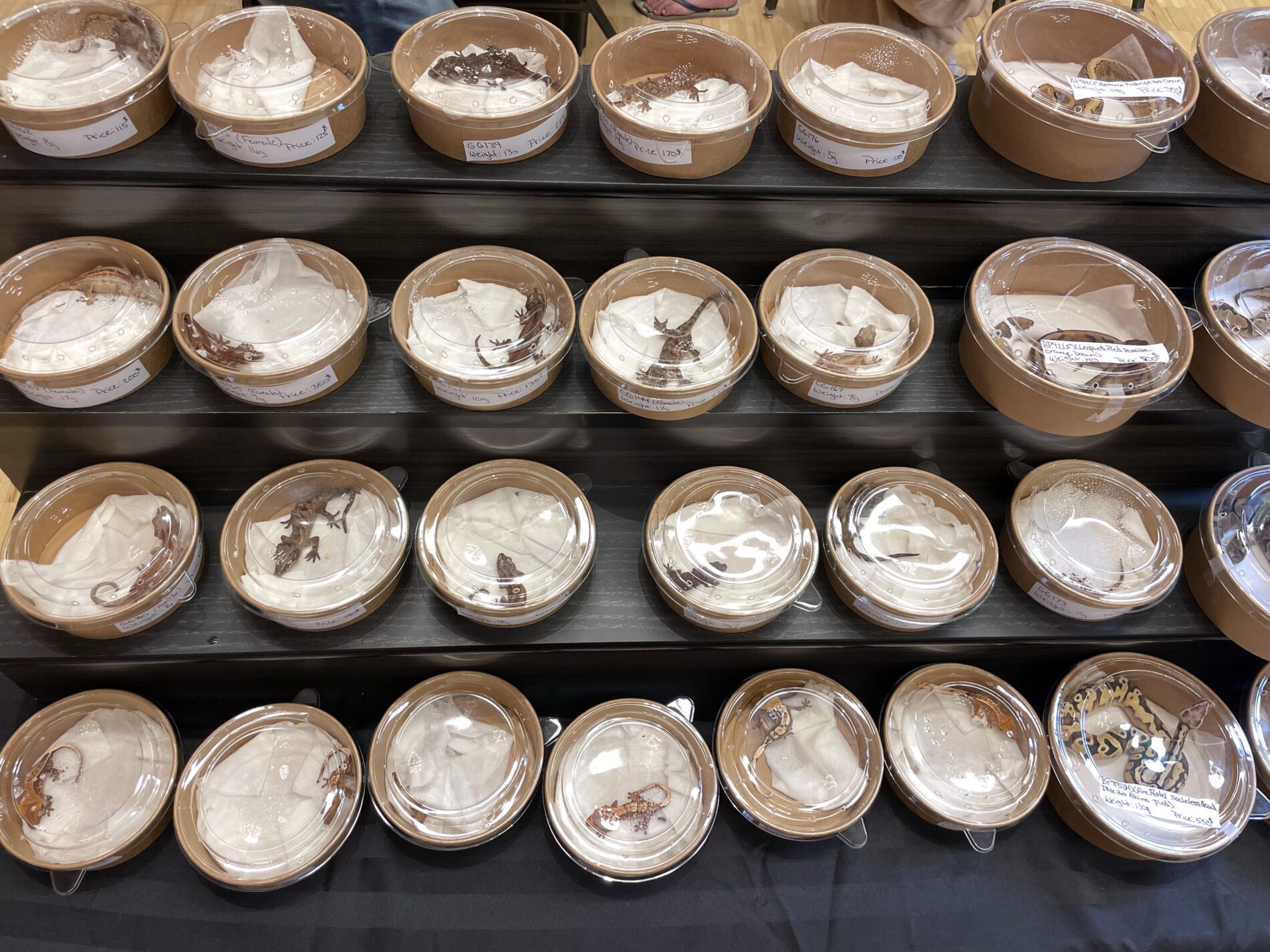
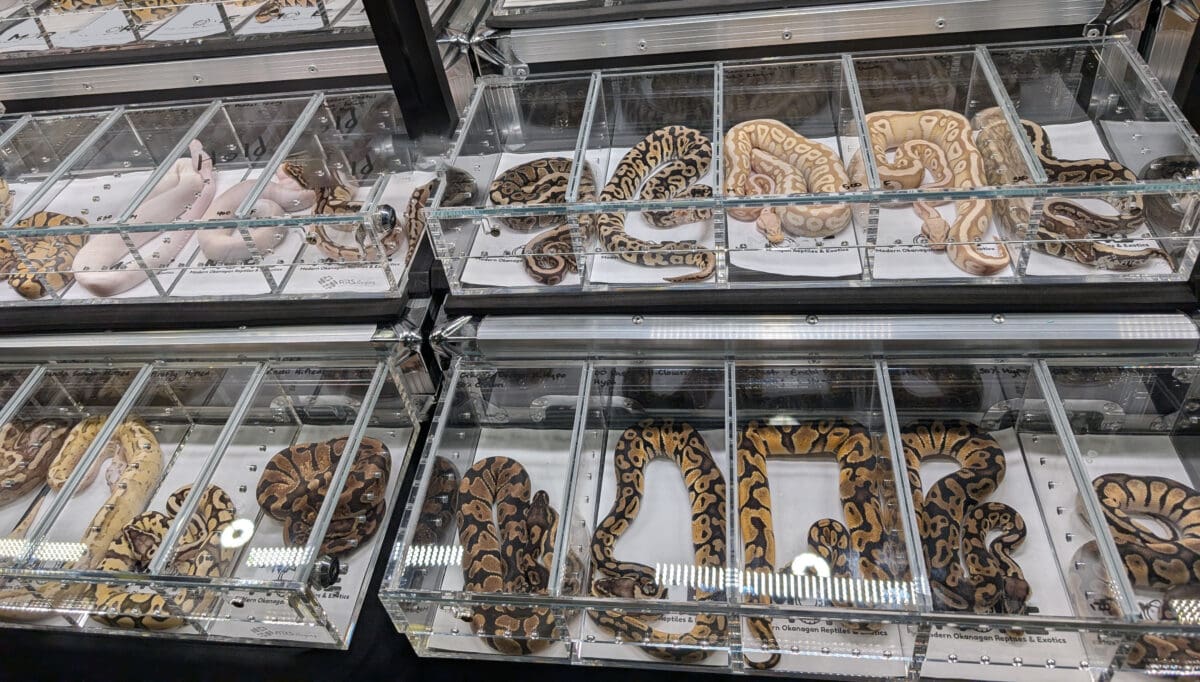
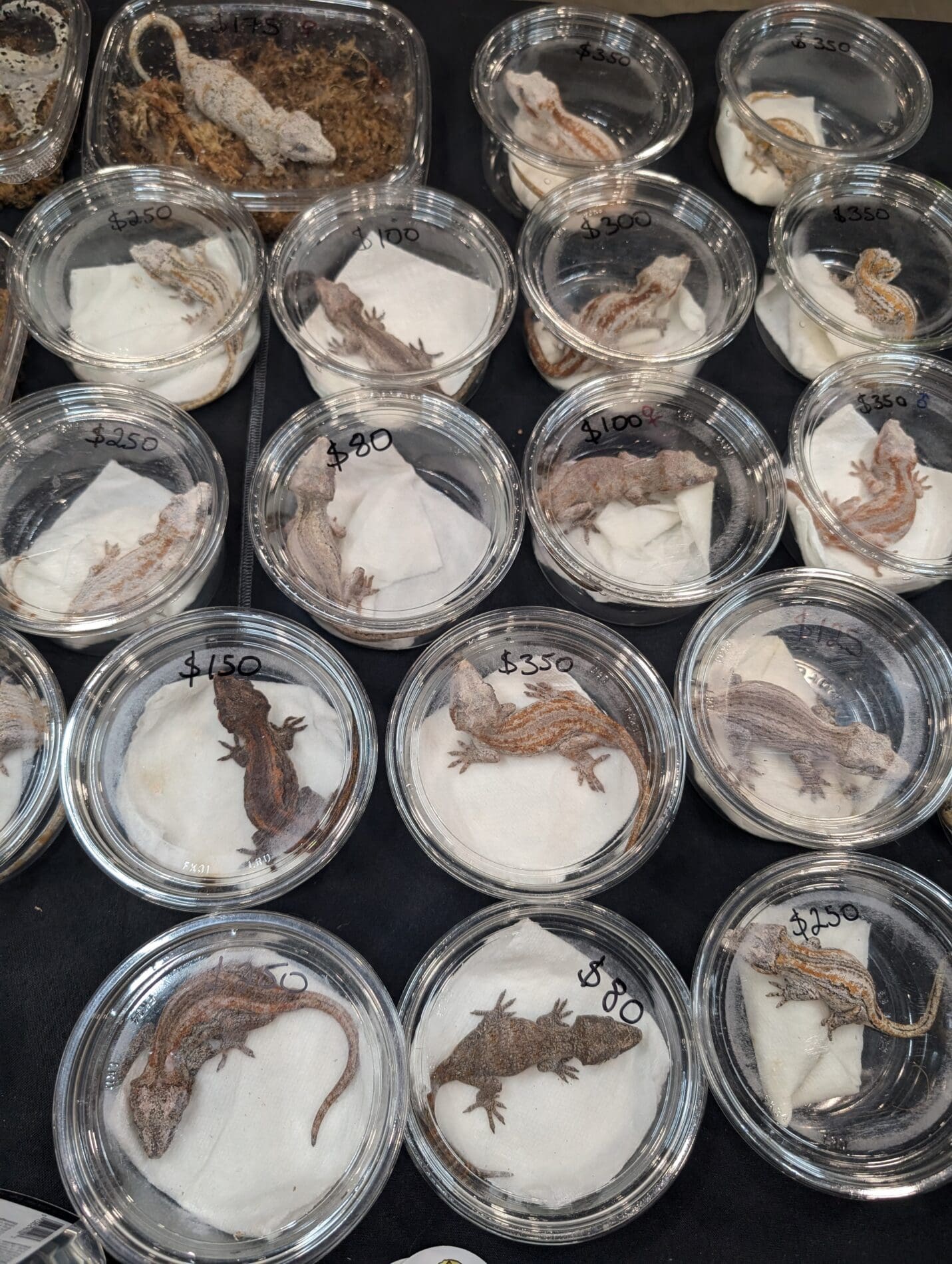
Reptile expos and other events where animals are sold to the public
Nanaimo, 2026
The animals involved range widely.
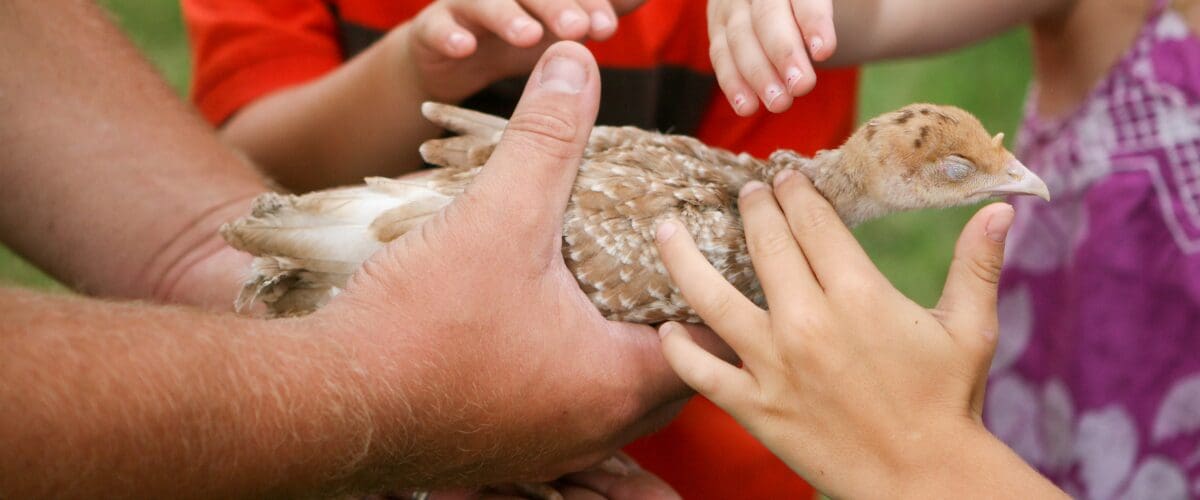
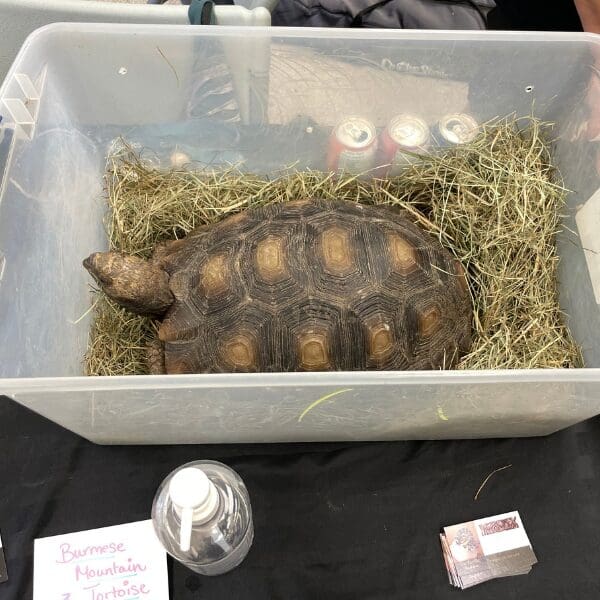
Some are domesticated, farmed animals such as goats, lambs, calves, rabbits, and chicks. Others are wild, exotic species such as snakes, lizards, tortoises, sugar gliders, and spiders, which are non-domesticated animals native to countries outside Canada.
Unlike dogs, cats, or horses, these species have not been domesticated over thousands of years to live alongside people, and they retain their wild instincts and complex needs even when bred in captivity.
Across many different species, MLAPs share several factors that researchers have identified as increasing the risk of harm. These include young animals, temporary setups, frequent close contact between animals and people, large crowds, and audiences made up largely of young children.
Abbotsford, 2024
Abbotsford, 2026
Delta, 2023
Nanaimo, 2023
Abbotsford, 2026
Abbotsford, 2024
Nanaimo, 2026
Abbotsford, 2026
The issues with MLAPs
Animal welfare
Animals used in MLAPs, especially exotic species, face significant welfare risks, including:
Frequent travel to and from events, sometimes over long distances
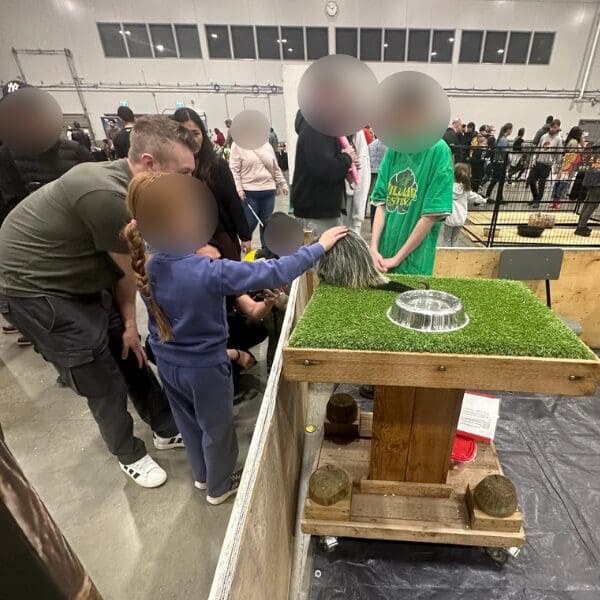
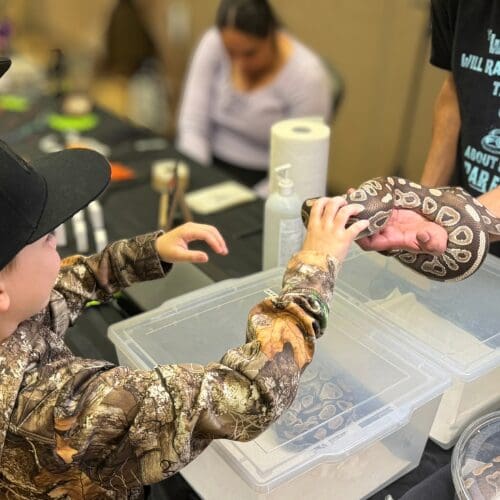
Repeated handling by members of the public
Undersized or barren enclosures during transport and display
Often no opportunities to retreat from public view or from the sight of other animals
Exposure to unnatural lighting, temperature, humidity, flooring and bedding, noise, and smells
Limited opportunities to engage in natural behaviours
Abnormal social groupings, such as highly social animals being housed alone
Largely unregulated housing and breeding outside of events, where the conditions animals live in may be unknown
The impact isn’t always easy to see.
A 2023 study of mobile zoos explains that an animal can appear calm while being handled and still be stressed, and that signs of stress in animals often promoted as docile, including some tortoises and bearded dragons, can go unnoticed.
Many MLAP’s invite people to touch or hold animals.
The study also warns that frequent transport and handling can mean repeated stress with little chance to recover, which can lead to chronic stress that harms an animal’s long-term health and welfare.
The Global Federation of Animal Sanctuaries (GFAS), which sets standards for animal sanctuaries, opposes public contact with wildlife, including exotic species. GFAS says pay-to-play activities are never in an animal’s best interest, can put animal health and public safety at risk, and send the wrong message about wild and exotic animals.
The conditions described above, like frequent travel and repeated handling, are exactly those that can cause this kind of stress.
Research also shows that many reptiles and other animals hide signs of stress as a survival tactic.
An animal who appears calm may still be experiencing chronic stress with serious physical and psychological effects. Stressed animals are also more likely to bite or scratch, which compounds both injury and disease risk. Conditions that put animals at risk tend to be risky for the people around them too.
Better welfare standards helps protect animals and the public.
Public health and safety
Healthy-looking animals can carry pathogens that make people seriously ill, including strains of E. coli that can produce Shiga toxin, as well as Salmonella, Campylobacter, and Cryptosporidium. Children under five, pregnant people, older adults, and people with weakened immune systems face the highest risk of severe illness.
Recent examples include:
North Carolina, Summer 2026
A mobile petting zoo operating out of Harmony, North Carolinatook a group of baby goats to at least 10 venues across the state between late July and late August, including a community picnic, assisted living homes, a back-to-school event and private bookings.
Three of the goats later tested positive for rabies. Local health departments evaluated 284 people for possible exposure, and 213 were advised to begin post-exposure treatment.
One small group of animals travelled to roughly a dozen venues and came into contact with hundreds of people, including seniors in care and children at a school event, before anyone knew there was a problem.
Identifying and reaching everyone who may have been exposed then required a coordinated effort across multiple health departments, the state health agency and the U.S. Centers for Disease Control and Prevention. One of the assisted living homes involved has since decided to stop hosting farmed animal visits.
Arizona State Fair, October 2025
Public health officials began investigating an E. coli outbreak after multiple children who visited the fair’s petting zoo were hospitalized.
A parent advocacy organization reported that at least four hospitalized children’s families said the children had petted a pig at the exhibit.
Some children developed a serious complication that attacks the kidneys.
Canada, October 2024
In October 2024, a Public Health Agency of Canada (PHAC) investigation into a Salmonella outbreak linked to geckos concluded that twenty-five confirmed cases were reported across seven provinces, including one in B.C., with four hospitalizations and one death.
Those affected ranged in age from one to 103. It was the second gecko-linked Salmonella outbreak PHAC reported that year. Notably, PHAC’s own guidance identifies birthday parties, schools, daycares, museums, science centres, zoos and travelling reptile shows as settings where this kind of exposure can occur.
Handwashing matters, and nobody should stop doing it. But it often isn’t enough to combat all the other risk factors at MLAPs.
Between 2023 and 2025, one animal contact attraction in South West England had four separate outbreaks of Cryptosporidium, a parasite that causes severe stomach illness. Thirty-nine cases were confirmed by lab testing. When investigators looked into why this kept happening, they found germs lingering in the environment and a dangerous strain of E. coli on the surfaces people touch most, like railings and gates.
The striking part is that the site was following the standards it was supposed to follow. What kept the outbreaks going was the setup itself. Visitors walked right into the pens with the animals, and young children behaved the way they often do, touching all surfaces and putting their hands near their faces.
Hand sanitizer often isn’t enough to address the problem either. Alcohol gel does not reliably kill Cryptosporidium. An event that offers a sanitizer dispenser instead of soap and running water can leave people believing their hands are clean when they are not.
The same problems identified in this investigation often persist at most MLAPs: not enough places to thoroughly wash hands, no clear line between the animal areas and the animal-free ones, contaminants on shoes that are tracked onto walkways, and too few staff watching how children and animals interact.
Some research suggests these experiences can produce negative emotional or intellectual perceptions of animals. Seeing animals removed from their environments, confined in small enclosures, and handled repeatedly can normalize the idea that animals exist for human use or entertainment.
Researchers note that seeing animals up close is not necessary to foster learning, care, or conservation. Many beloved species, such as humpback whales, enjoy strong public protection without ever being handled by the public.
Nanaimo, 2026
Nanaimo, 2026
Promotion of exotic pets
Hands-on encounters can also make exotic animals seem like suitable pets, especially to young children. A 2026 study found that even after hearing that tortoises make poor pets, children aged seven and eight were no less interested in owning one.
The researchers suggest that letting young children touch animals may encourage a desire for exotic pets. Rather than discouraging impulse purchases, close contact may unintentionally fuel demand within the exotic animal trade.
This matters because exotic animals, whether captive-bred or wild-caught, have complex social, behavioural, dietary, and environmental needs. These needs are difficult to meet in captivity and even harder to meet in private homes. When those needs aren’t met, animals may suffer chronic stress, illness, and premature death. Specialized veterinary care can also be hard to find and is expensive. As a result, animals may suffer or die without treatment or be abandoned or surrendered to already overburdened rescues.
Even well-intentioned guardians may not have the expertise or resources to properly care for exotic species. That’s why the VHS supports a science-based “positive list” framework.It would set out which species can be kept as pets based on welfare, health, safety, and environmental criteria. A species would be allowed to be kept only after being assessed as suitable.
Nanaimo, 2024
Delta, 2023
Abbotsford, 2026
Abbotsford, 2024
Abbotsford, 2024
Community & environmental impacts
The demand for exotic pets, fueled by MLAPs, can have environmental consequences. Exotic pets that escape, are released, or are surrendered add strain to shelters, rescues, and veterinary services. These services are already overwhelmed and may not have the resources or expertise to care for such a wide range of species.
There have been many documented cases of environmental impacts of escaped or released exotic pets in B.C. in recent years, including red-eared slider turtles. In summer 2025, for example, conservation officers and B.C. Parks staff cleared visitors and closed trails in Miracle Beach Provincial Park while searching for an escaped boa constrictor. The snake was then taken to the Comox Valley SPCA.
The mobile nature of MLAPs can make tracking health impacts difficult. Many people may recover from infections without seeing a doctor or getting tested, so outbreaks are likely under-reported. The2023 study of mobile zoos adds that symptoms can be delayed or mistaken for common illnesses. As the authors point out, a lack of recorded cases doesn’t mean infections are rare.
Abbotsford, 2026
What about rescues?
Some MLAPs describe themselves as rescues that rely on events to raise funds for animal care. Funding challenges in animal care are real and should be taken seriously.
However, reputable sanctuaries and rescues consistently raise funds without placing animals in situations that cause stress or create disease risk.
Grants, animal sponsorship programs, online peer-to-peer fundraising, corporate partnerships and community events all offer fundraising alternatives.
Ethical rescues prioritize animal wellbeing and do not use animals for public handling or entertainment.
New polling shows strong public concern
Public concern surrounding mobile live animal programs is growing. In 2025, the Union of B.C. Municipalities, an organization that represents local governments across British Columbia, endorsed resolution NR75 calling on the B.C. Government to regulate mobile live animal programs, demonstrating that this issue matters to municipalities.
Polling* of British Columbians in 2026 found that:
85% think there should be restrictions on bringing exotic animals into schools, childcare settings, or long-term care facilities, and;
a strong majority of British Columbians are concerned about the following issues associated with mobile live animal programs such as how the animals are captured or bred (83%), the welfare of the animals (79%), the risk to the environment if animals escape (74%), the risk of disease passing from animals to people (73%), and the risk to public safety (69%)
*Research Co. poll conducted for the Vancouver Humane Society August 30 to September 1, 2026 (n=806 B.C. residents, margin of error +/-3.5%, 19 times out of 20)
There are better ways to educate & inspire caring for animals
There are many alternatives to MLAPs that can build curiosity and compassion for animals without transporting them to parties, classrooms, and expos to be handled, displayed or sold.
Documentaries, virtual learning, visits to sanctuaries that prioritize animal wellbeing, and conservation programs all offer meaningful ways to engage and educate the public, without the risks to animals, people, and the environment.
Sign up to stay updated on this campaign and for opportunities to help raise awareness
Help us spread the word about the harms of mobile live animal programs.
Together, we can build a future where education and compassion never come at the expense of animal welfare or public health and safety.
The VHS is grateful to the Animal Welfare Foundation of Canada for their generous grant funding of our work to raise awareness about the suffering of wild, exotic animals kept in captivity as pets and used in mobile live animal programs.
For many of us that love animals, we seek out experiences with them to feel closer.
Whether it’s watching whales, observing bears from a distance, or visiting an elephant sanctuary abroad, wildlife encounters can seem exciting and create lasting memories.
However, not all wildlife experiences are created equal, and it can be difficult to tell whether your participation benefits or harms animals.
While observing animals in their natural habitats and from a safe distance can support conservation and appreciation for wildlife, many attractions involve captive wild animals and prioritize entertainment over the wellbeing of animals.
While the Vancouver Humane Society opposes keeping wild and exotic animals in permanent captivity for entertainment or education, new research offers a framework to help visitors make informed decisions before choosing to participate in wildlife tourism attractions.
Why it’s so difficult to identify ethical wildlife attractions
Unlike restaurants or hotels, there are no universally accepted standards regulating wildlife tourism attractions around the world. In the absence of regulation, consumers make decisions based on advertisements, online reviews, or what appears enjoyable at first glance.
Researchers argue that responsible wildlife tourism depends on giving visitors better tools to evaluate attractions, not just based on marketing claims, but on meaningful indicators of animal welfare, conservation, and governance.
There is no sufficient regulation of wildlife tourism attractions
The standards of treatment for animals are often determined by what tourists find acceptable
Wildlife tourist attractions marketed as educational or conservation-focused can have negative outcomes for animal welfare and the conservation of wild populations
It can be difficult for tourists to know which attractions genuinely prioritize animals, and which are driven primarily by profit
Problems arise when animals are suffering, and visitors don’t recognize the signs of poor welfare
Research has found that attractions with poor welfare and conservation outcomes often receive positive tourist reviews because visitors are not equipped to assess what animals need.
An animal may appear calm when they are stressed, resigned, or displaying abnormal behaviours that most people wouldn’t recognize.
The authors describe several barriers that prevent tourists from making informed choices, including:
Misleading marketing that emphasizes conservation without evidence
Limited transparency about how animals are acquired, housed, or managed
Psychological biases that lead people to assume enjoyable experiences must also be ethical, and
Inconsistent or absent regulation across different countries and tourism sectors
Looking beyond animal welfare alone
The researchers advocate that responsible wildlife tourism should be evaluated through three connected lenses:
Animal welfare: Are animals able to express natural behaviours? Are they free from unnecessary stress, pain, fear, and deprivation?
Conservation: Does the attraction genuinely contribute to protecting wildlife and habitats, or does it simply use conservation as a marketing tool?
Governance: Is the organization transparent, accountable, scientifically informed, and committed to ethical management?
Looking at only one of these areas can paint an incomplete picture.
An attraction may support conservation programs but keep ambassador animals in poor conditions. Another may provide good day-to-day care while sourcing animals through harmful wildlife trade or breeding animals who will be kept in captivity permanently.
Responsible wildlife tourism requires considering all three together.
Questions every traveler can ask
Rather than expecting tourists to become wildlife experts overnight, the researchers propose practical questions that anyone can use before visiting an attraction.
Does the attraction clearly explain its conservation work with measurable outcomes?
Are performances, rides, feeding sessions, or photo opportunities part of the business model?
Is there independent oversight or accreditation?
Does the organization provide transparent information about where animals came from and how they are cared for?
These kinds of questions shift attention away from whether an experience feels exciting and toward whether it benefits the animals involved.
Responsible tourism benefits animals and travelers
Ethical wildlife tourism doesn’t mean giving up unforgettable wildlife experiences.
In many cases, the most rewarding encounters happen when wild animals are observed behaving naturallyin the wild from a safe distance or, where appropriate, by visiting accredited sanctuaries that prioritize the care and recovery of rescued animals over visitor experiences.
Choosing responsible wildlife experiences also sends an important message. By supporting opportunities to observe wildlife respectfully in their natural habitats or legitimate rescue and rehabilitation efforts that do not exploit animals, travelers help shift demand away from attractions that keep wild animals in captivity for entertainment.
How you can support wildlife while travelling
The Vancouver Humane Society encourages visitors to avoid attractions that keep wild animals in permanent captivityfor the sake of entertainment or education.
This framework can help you assess an attraction’s animal welfare practices and make a more informed decision:
Research attractions beyond their marketing materials.
Turn down attractions that involve touching, holding, riding, feeding, or posing for photos with wild animals.
Look for organizations that are transparent anddetailed about their conservation efforts and animal acquisition and care practices.
Are the animals rescued?
Are they being rehabilitated for release back into the wild, or are they non-releasable and living in a sanctuary?
Are animals being bred and kept permanently in captivity?
Remember that ethical wildlife encounters involve observing animals from a respectful distance, when animals may not even be aware of your presence.
How you can support wildlife in your local community
Staying close to home? There are still ways you can be a responsible wildlife tourist in your own community.
Mobile live animal programs are a common attraction, but they involve transporting animals to different locations for display, public entertainment, fundraising, or sale, which raises welfare concerns.
Examples of mobile live animal programs can include:
Travelling petting zoos at public or private events, such as community fairs or birthday parties
Classroom presentations involving wild and exotic animals
Now that you are better equipped to assess wildlife attractions, there are even more ways to deepen your knowledge and help protect wild animals:
Check out the latest VHS podcast episode where we speak with Erin Ryan, the Wildlife Campaigns Manager at World Animal Protection, to dive deeper into the harms of captive wild animal attractions and what alternatives you can look for.
Share this post to help raise awareness and inspire others to make wildlife-friendly choices
Together, we can build a future where ethical wildlife tourism never needs to come at the expense of animal welfare.
The VHS is grateful to the Animal Welfare Foundation of Canada for their generous grant funding of our work to raise awareness about the suffering of wild, exotic animals kept in captivity as pets and used in mobile live animal programs.
Social media can be part of the solution, not the problem.
Share our content to reach more people and spread the word!
“The study … shows how limited the evidence is, and how much more research is needed … before people can confidently claim that common captive care practices protect reptile welfare.”
In summary:
Reptiles are readily available through pet stores and hobbyist sellers, where they are often marketed as “easy” or “low-maintenance” pets. A new scientific review suggests a much more complicated reality.
The paper reviewed decades of research on captive reptile welfare and found that the evidence base for reptile care is still surprisingly small.
The authors identified just 72 papers, representing 75 studies, that tested achange to captive reptile care and measured its effect using at least one welfare-related indicator.
Reptiles are commonly kept in a wide range of captive settings, including zoos, laboratories, farms, classrooms, rehabilitation centres, and private homes, using practices that historically relied on tradition, assumptions, or anecdotal advice, often called ‘folklore husbandry’, rather than strong scientific evidence.
Reptile welfare research is growing, but major gaps remain
The review found that reptile welfare research has increased over time, which is encouraging, but the available studies are not evenly distributed across species or settings.
Species: Most studies focused on squamates, the group that includes snakes and lizards, while other reptiles were less represented.
Settings: Much of the research also took place in controlled environments such as laboratories and zoos. Laboratory settings alone made up about 43 per cent of studies, while research in the companion animal industry represented only about 1 per cent.
This is a serious gap.
Many reptiles are kept in private homes, where care can vary widely and oversight is limited. Without research that reflects the conditions animals actually experience in homes, expos, breeding operations, and other commercial settings, it is difficult to know whether common care recommendations truly support good welfare.
Most studies looked at enclosures, not the full picture
Nearly half of the studies focused on changes to the physical environment, such as enclosure size, furnishings (such as climbing structures, hides, caves, or ledges), lighting, or substrate (e.g. bedding, flooring, litter, etc.). The most common changes noted by the researchers involved adding or changing enclosure furnishings.
These factors are especially important for reptiles because their bodies and behaviour are closely tied to their surroundings. Temperature, light, humidity, shelter, substrate, and opportunities to climb, burrow, bask, hide, or explore can all shape their well-being.
But the review also found that fewer studies examined other important areas, including human interaction, enrichment, or social contact with other members of the same species.
Measuring welfare in reptiles is challenging
The paper also highlights a major challenge in animal welfare science: how to tell whether a reptile is doing well.
Behaviour was the most commonly used welfare measure, appearing in more than half of the studies. Behaviour can offer important clues, such as how animals use their space, whether they hide, explore, bask, or show signs of stress.
But behaviour alone may not tell the whole story, especially for reptiles, who may mask signs of illness or distress.
Physical measures, such as body condition and growth, and physiological measures, such as stress hormones, were used less often. The authors note that only three studies included all three types of welfare indicators: behavioural, physical, and physiological.
For animals with complex and species-specific needs, relying on one type of measurement can leave important welfare concerns hidden.
What does this mean for exotic animals kept as pets?
The study does not show that captivity can meet reptiles’ needs. Instead, it shows how limited the evidence is, and how much more research is needed before people can confidently claim that common captive care practices protect reptile welfare.
Wild and exotic animals retain complex social, physiological, and behavioural needs, even when bred in captivity. The VHS opposes the sale and keeping of exotic pets and advocates for stronger protections to prevent animals from being kept in environments where their needs cannot be met.
The findings also support the need for a precautionary, science-based approach to exotic animal regulations.The VHS has called for a positive list framework, which would only allow species to be kept as pets if they are proven suitable based on animal welfare, public health, safety, and environmental criteria.
Animals deserve more than guesswork
Reptiles are sentient animals with needs that are often poorly understood and difficult to meet in captivity. Animal care should not be based on what is convenient, traditional, or profitable. Rather, it should be based on strong evidence and on the animal’s well-being.
When it comes to reptiles and other exotic animals, compassion means looking beyond the enclosure and asking a more fundamental question: should these animals be kept as pets at all?
You can help reptiles by:
Sharing this information with your friends and family
Not purchasing reptiles as pets
Supporting reputable rescues that prioritize animal welfare
Not engaging with harmful content that promotes wild animals as pets
Social media can be part of the solution, not the problem.
Share our content to reach more people and spread the word!
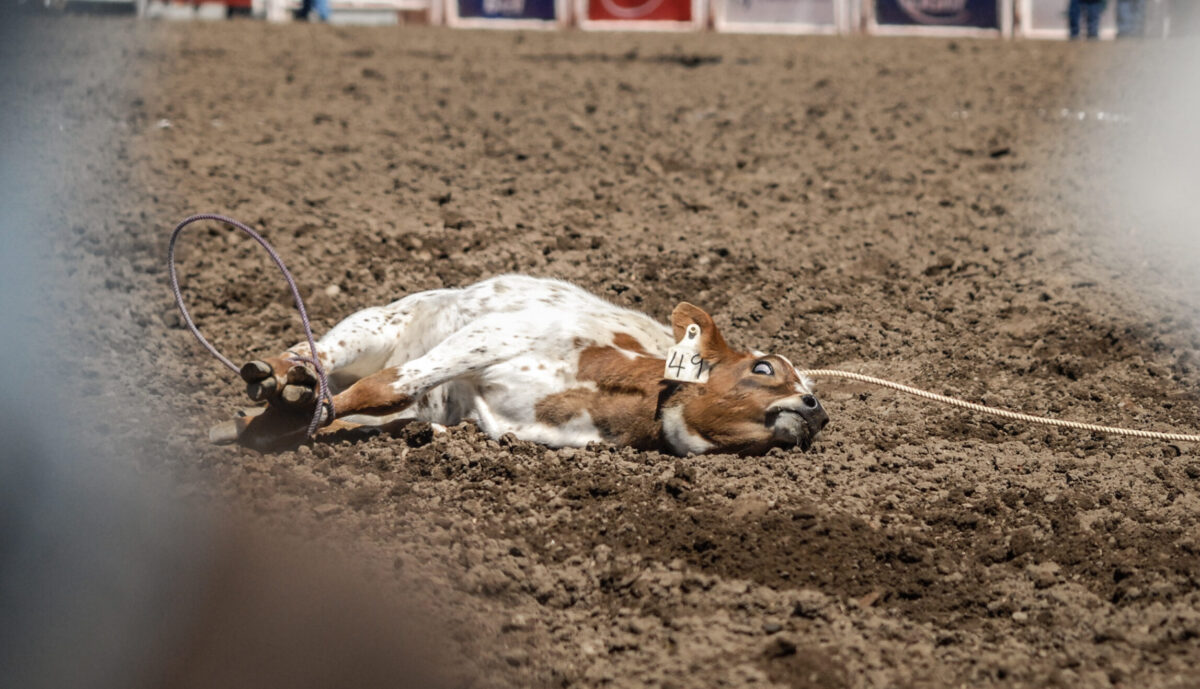
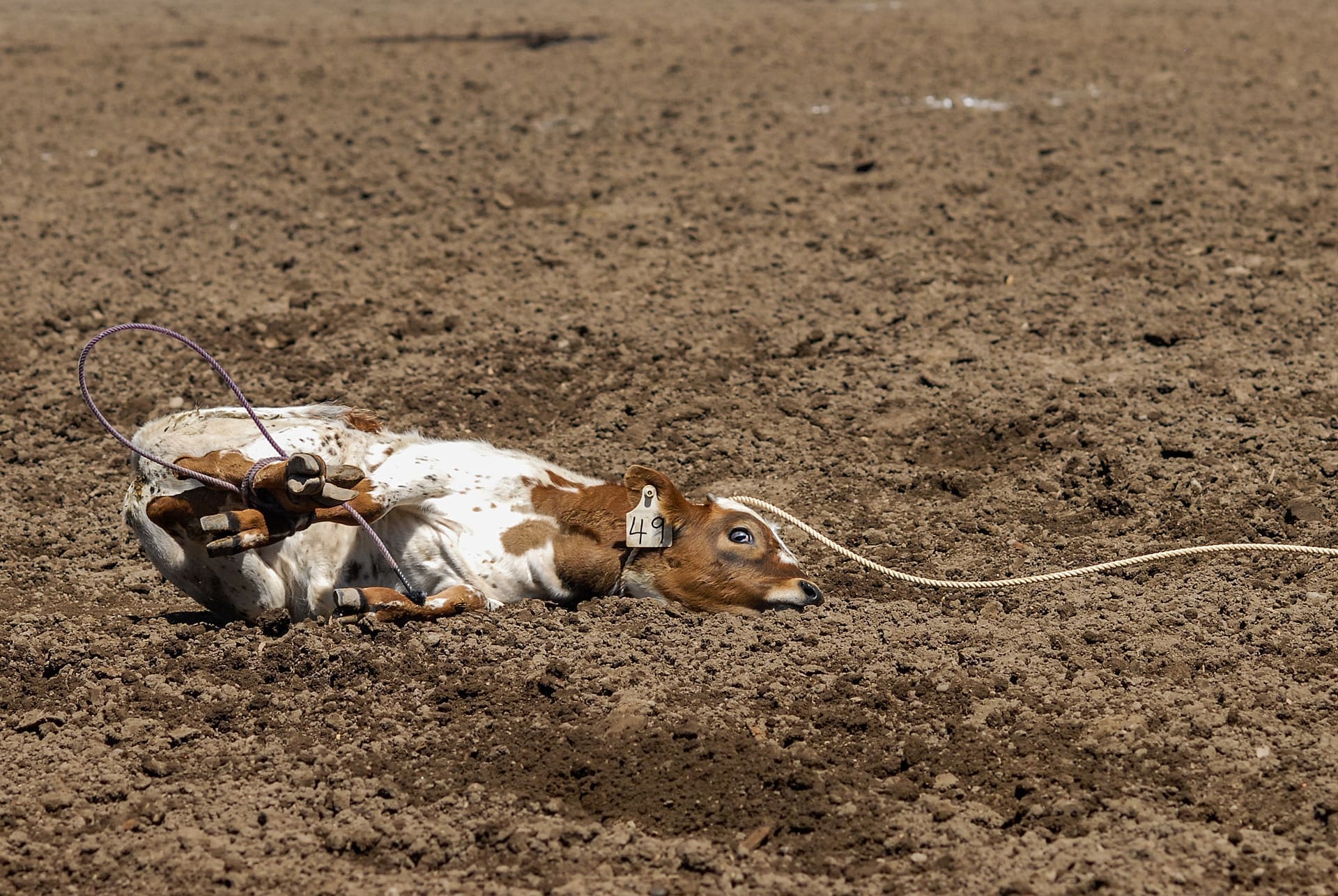
A new peer-reviewed study adds to the growing body of evidence that calf-roping puts young animals through fear and stress.
The study analyzed video footage of calves confined in chutes before being released into the arena for calf-roping events in Australia.
The findings are deeply concerning: every calf observed showed at least one behaviour associated with a negative emotional state, such as fear or stress.
“Welfare concerns begin while calves are still confined in the chute”
Calf-roping, also called tie-down roping, involves a young calf being released from a chute, chased by a rider on horseback, roped around the neck, stopped abruptly, forced to the ground, and tied by the legs.
Animal welfare concerns have long focused on the risk of stress, pain, and injury during the event itself. This study shows that welfare concerns begin even earlier, while calves are still confined in the chute.
Calf-roping event at The Calgary Stampede. Jo-Anne McArthur \ We Animals Media.
Some were held in the chute for shorter periods, 28 to 51 seconds, while others were held longer, 52 to 166 seconds. They recorded visible behaviours using an assessment tool known as an ethogram.
“Red flag” behaviours included:
Showing more of the eye white
mouth opening
sticking tongue out
rearing
tail swishing
escape attempts
The study found that calves held for longer periods showed more frequent red flag behaviours. These included more mouth opening, sticking out their tongues, rearing, and escape attempts.
Inherently inhumane practices
The researchers concluded that calves experience fear and stress while confined in the chute before release, and that longer confinement was associated with increased signs of stress.
These findings matter because they challenge the idea that rodeo events can be made humane through minor rule changes or handling adjustments. Even before the event started, calves were already showing signs of stress.
Take quick action: Share this graphic
Help more animal lovers learn about this opportunity.
Share this graphic on your social media and encourage others to write to their decision-makers.
Causing stress in animals should not be entertainment
The study also notes that calves in rodeo settings may be exposed to multiple stressors, including separation from other calves, confinement, loud noises, sudden movements, close contact with handlers, and the inability to escape.
Calves are young, vulnerable animals. Their fear and stress should not be dismissed as part of a show. The findings of this study support what animal welfare advocates have been stating for years: animals should not be used as tools for entertainment.
The VHS continues to call for an end to inhumane and high-risk rodeo events and for stronger protections for animals in entertainment. You can help by using the quick action tool and sending a message to government decision-makers, taking the ‘Say No to Rodeo’ pledge and encouraging friends and family not to attend rodeo events, and sharing this post!
Cows looking at the camera, this breed Shorthorn or Durham, typical of Argentina.
The National Farm Animal Care Council’s (NFACC) Beef Code of Practice outlines guidelines for the on-farm care and handling of cattle raised for beef in Canada.
The code is being updated for the first time since 2013 and a public comment period is open until June 12, 2026.
While there are a few improvements, the new draft code fails to address some of the most significant welfare issues within the beef cattle industry.
Join the VHS in calling for stronger requirements for shelter, daily monitoring, pain control, humane handling, transport decisions, and emergency planning.
TAKE ACTION: Share feedback on the draft code on the issues that are important to you; everyone can participate!
However, we have prepared the VHS’s top welfare priorities with section headers and tips for submitting your feedback, if you are short on time and would like guidance.
Short on time? Under the heading ‘Which section of the draft Code would you now like to provide feedback on?’, select ‘General Comments on the Code’. This will allow you to bypass providing feedback on each section of the code.
IMPORTANT: Do not copy and paste wording, as duplicate responses and/or profanity or derogatory language will not be considered by NFACC.
Section 1: Animal Environment
Section 1.2: Facilities for all cattle
Comment on Requirements:
Currently, there is no minimum shelter requirement to protect cattle from heat, cold, wind, rain, or other harsh weather.
The Code should set clear minimum shelter space requirements based on herd size, as well as maximum stocking densities (e.g. number of animals/acre) for cattle on pasture, feedlots, and auction markets.
The Code should require enrichment opportunities that allow cattle to express natural behaviours, including foraging, exercise, social behaviour, and grooming.
The Code should also prohibit tethering cattle as a form of housing. Tethering (tying an animal to an anchor point) should only be used temporarily when necessary for handling or procedures, and it should never be used as a regular housing practice.
Section 2: Feed and Water
Section 2.2: Water
Comment on Requirements
Cattle should have reliable access to clean water, including during heat waves and/or periods of high humidity, and water sources should be monitored regularly.
Snow should not be permitted as the sole winter water source. Snow may not reliably meet cattle’s needs, especially if conditions change or cattle are not checked frequently. A backup water system should always be required.
Comment on Recommended Practices
The following should be requirements:
Water sources must be easy for cattle to find and access.
The number of watering points and flow rate must be appropriate for the herd size.
Automated water systems must be checked daily to ensure they are working properly.
Section 3: Animal Health
Section 3.3.1: Disorders of the Respiratory Tract
Comment on Requirements
Recently weaned calves and newly arrived feedlot cattle should be monitored at least twice daily for two weeks to support early detection of respiratory disease.
A risk-based bovine respiratory disease prevention strategy should be a requirement as part of every herd health program, given that it is a significant health and welfare problem in the beef industry.
Section 3.3.2: Lameness
Comment on Recommended Practices
Lameness is a painful leg or hoof condition that is a common welfare issue within the beef industry. The Code should require training on causes, prevention, and treatment of lameness.
It should also require producers minimize cattle exposure to mud and standing water, and to include lameness prevention strategies in herd health programs.
Section 3.4: Safety and Emergencies
Comment on Requirements
The Code should require stronger emergency planning for fires, floods, and extreme weather.
Newly built facilities should have fire suppression and flood mitigation systems. Existing facilities should be retrofitted where possible.
Section 4: Animal Husbandry
Section 4.1: Handling and Moving Cattle
Comment on Requirements
Electric prods are used during handling and provide an electric shock to the animal. These devices cause pain, stress, and can lead to injury.
Given that electric prods can also easily be overused and that humane alternatives exist and are effective, the Code should prohibit electric prod use and require low-stress handling methods.
Section 4.3: Identification
Comment on Requirements
Branding, which is used to permanently identify cattle, should be prohibited.
Branding is painful and unnecessary, especially when alternatives such as microchipping, visual identifiers, descriptive markings, coat patterns, colour variations, and properly fitted leg bands are available.
Section 4.4: Disbudding and Dehorning
Comment on Requirements
The Code should require practices that eliminate painful horn removal (disbudding and dehorning) procedures, such as transitioning to hornless breeds of cattle.
Section 4.5: Castration
Comment on Requirements
Cattle should be castrated as young as practically possible and provided both anesthetics and pain control, in consultation with a veterinarian.
Comment on Recommended Practices
Calves must be monitored after castration to ensure they are nursing or eating and to check for signs of infection or other complications.
Section 4.5.1: Spaying
Comment on Requirements
Spaying should only be carried out by a veterinarian, and both anesthetics and pain control should be required.
Section 4.6: Weaning
Comment on Recommended Practices
Abrupt weaning of calves from their mothers should be prohibited. Low-stress, gradual weaning strategies should be required.
This includes two-stage or fence-line weaning, avoiding weaning during other major stressors such as adverse weather, commingling with animals from other groups, marketing, or transport, and avoiding painful procedures like branding, dehorning, and castration at the time of weaning.
Calves should also be acclimated to human handling and feed delivery methods they will experience after weaning.
Section 4.8: Tail Docking
Comment on Requirements
Tail docking should only be permitted when medically necessary, in consultation with a veterinarian, and with both anesthesia and pain control.
Section 5: Preparations for Transport
Section 5.1: Evaluating and Preparing Cattle for Transport
Comment on Recommended Practices
Transport is a stressful process that can pose a significant risk to the health and welfare of cattle. Therefore, the Code should require stronger protections during transport decision-making, planning, scheduling, and loading/receiving.
Farm personnel should be trained and have ready access to the Canadian Food Inspection Agency’s (CFIA) guidance and veterinarian-developed protocols for assessing an animal’s fitness for transport.
Monitoring should increase as the transport date approaches, so health or body condition concerns can be identified early.
If there is uncertainty about whether an animal is fit for transport, consulting a veterinarian should be required.
Section 5.2: Planning and Scheduling Transport
Comment on Recommended Practices
Transport should be planned to minimize the time animals spend loaded in parked vehicles and to account for forecasted weather conditions. Transport must not take place during extreme weather.
Section 5.3: Loading and Receiving Cattle
Comment on Recommended Practices
The Code should require loading practices that reduce stress and injury, including adjusting loading densities, absorbent material for the weather conditions and providing ramps when the vertical distance between the loading surface and vehicle floor causes cattle to hesitate, stop moving forward, or refuse to move.
Section 6: On-Farm Euthanasia
Section 6.1: Euthanasia Decisions
Comment on Requirements:
Delayed or inappropriate decisions around humane euthanasia can lead to prolonged animal suffering.
The Code should require training to help personnel assess quality of life, prognosis, and when euthanasia is needed. A required training module should be developed to support timely, humane decision-making.
General Comments
The Code should include a clear duty of care section, similar to other Codes of Practice, which require that all personnel responsible for cattle must be required to know the Code, be properly trained, and be competent and confident in cattle care and handling.
The Code should also require cattle to be checked dailyat a minimum. Daily observation is essential to identify illness, injury, lack of access to food or water, extreme weather impacts, calving difficulties, and other welfare concerns.
There should also be stronger requirements for consistent, practical tools for measuring welfare outcomes across the beef cattle industry.
To make your submission impactful, and to ensure that it is reviewed by NFACC, consider these tips before submitting your feedback:
REMINDER: Do not copy and paste the text below, as duplicate submissions will be ignored by NFACC. Use your own words so your submission reflects your personal concerns and experience.
Keep responses relevant to on-farm practices.
Provide references and examples whenever possible.
Reference exact wording in the draft code that you would like to see changed and how you would like it changed.
Make it personal, the committee members are interested in how this code impacts you.
Thank you so much for taking the time to speak up for beef cattle in Canada.
Learn about farmed animal welfare in Canada and what you can do to help! Sign up now to get clear explanations, action alerts, and practical steps you can take when it matters most.Click here to learn more.
Credit: Aaron Gekoski / Asia for Animals Coalition / We Animals
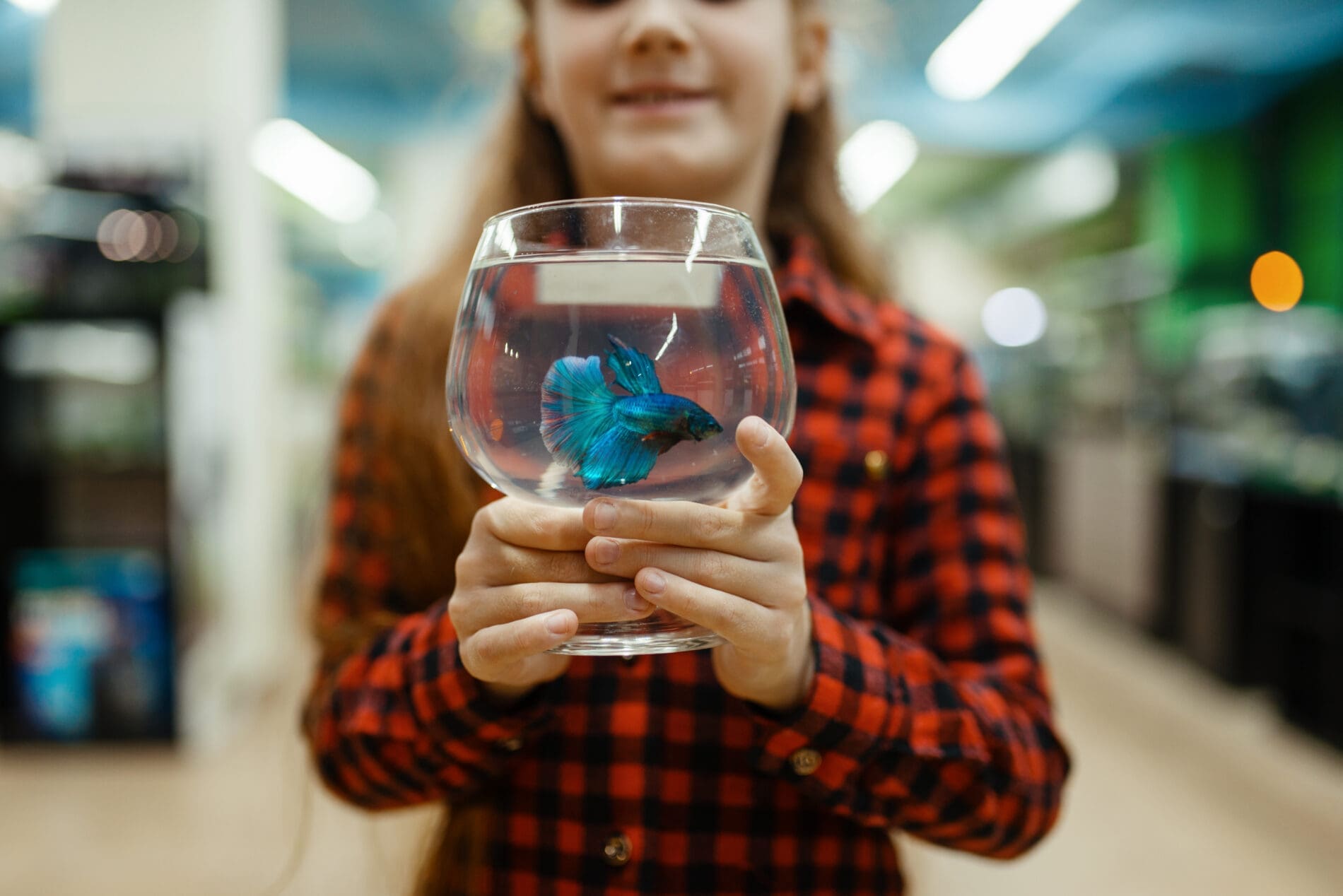
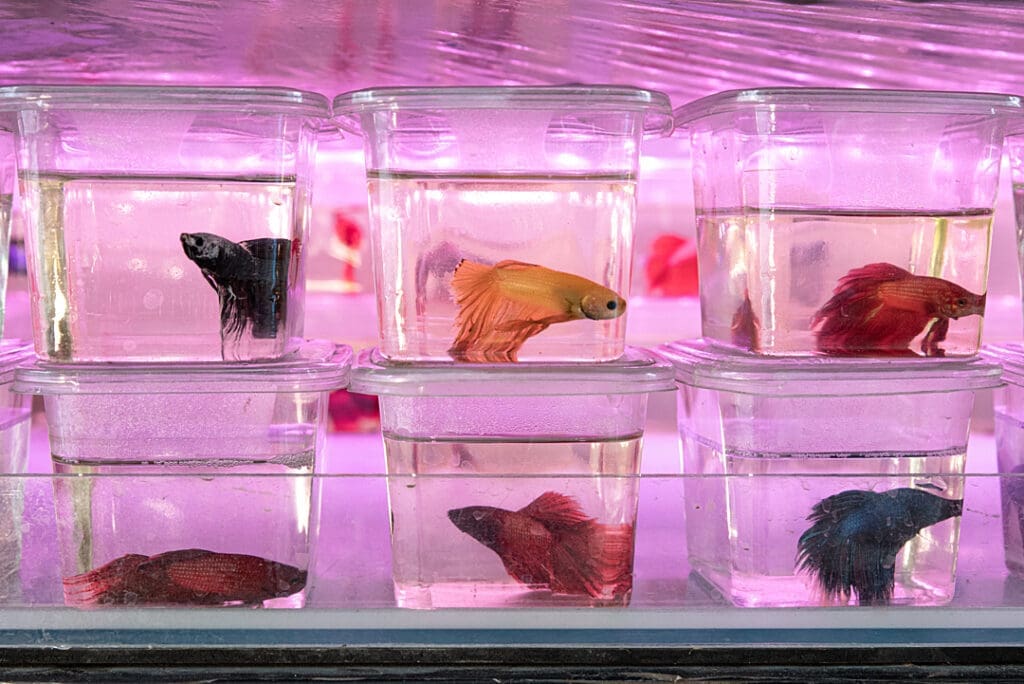
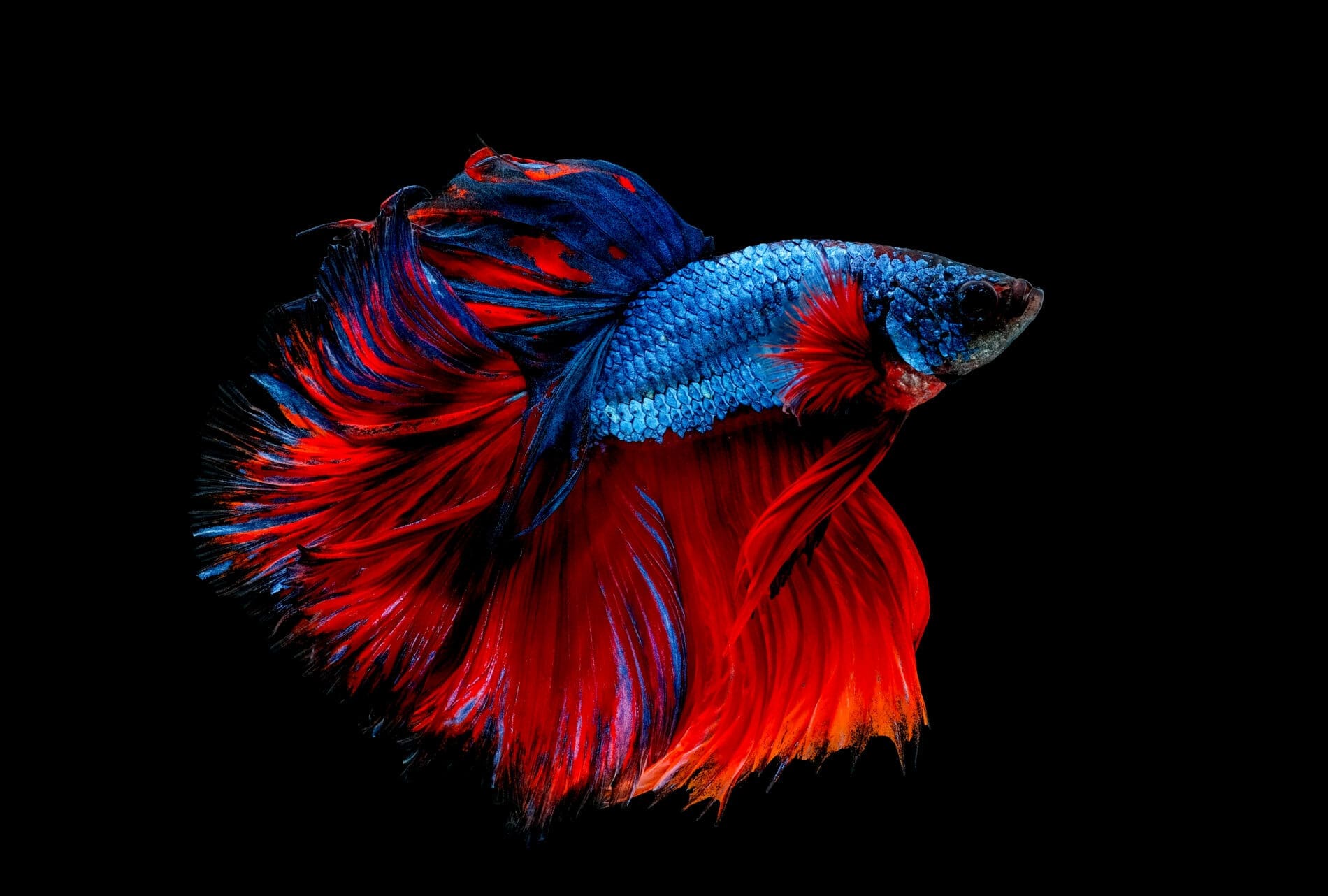
Bright aquariums filled with colourful fishes are often seen as calming, decorative additions to a home. But behind the glass is a reality that is far less visible.
Ornamental fishes are among the most widely kept exotic animals in the world, and often considered a ‘starter pet’, yet their welfare is frequently overlooked.
The ornamental fish trade is a global industry involving thousands of species and billions of animals. One recent review estimates it includes close to 6,000 species and generates over $15 billion USD annually. Common species that many are familiar with include Goldfish, Bettas, and Tetras.
Many of us have seen fish in pet stores, carnivals, and homes, but how many of us know where they actually come from?
Fish are then transported to be purchased by customers to places like pet stores or hobbyists.
3
Most will die during transit
It is estimated that over 90% of fish will die during transportation, and a large proportion will be discarded for issues that customers find unattractive, such as wounds or a sickly appearance.
4
Waiting on store shelves
The survivors will be stored in holding tanks until they are purchased.
5
Living in a tank until death
Their final stage of life is often in a customer’s home aquarium, where they live until death.
Yet fish are still widely perceived as low-maintenance pets, or even as decoration. This misunderstanding has serious consequences for their welfare. When their needs are underestimated, they are more likely to be impulsively purchased or kept in environments that compromise their health and well-being.
Credit Jordan Rivers / We Animals
Life in a tank is more complex than it looks
Unlike many other companion animals, fish live entirely within aquatic environments constructed and maintained by humans. This makes water quality one of the most critical factors in their welfare.
In their natural habitats, fish have expansive space and enriched ecosystems that are often difficult to replicate in captive environments. Properly caring for fish can be intensive, making the myth that they are easy to care for ‘starter pets’ particularly harmful.
A fully “cycled” tank that supports the nitrogen cycle
Many common health issues seen in ornamental fishes are directly linked to poor husbandry. From a veterinary perspective, treatment often depends on correcting the environment rather than simply administering medication. This requires ongoing knowledge and commitment from caregivers, something many are not prepared for when they first acquire fish.
There are barriers to veterinary care
Even when problems are recognized, access to veterinary care can be limited. Aquatic medicine is a specialized and relatively niche area, and many general veterinarians are not equipped to treat fish patients.
This creates a difficult situation. Fish may suffer from preventable conditions, while caregivers struggle to find guidance or support.
At the same time, the sheer diversity of species in the trade makes it challenging to develop consistent care standards. Different species have different environmental and social needs, and many are unlikely to have those needs fully met in typical home aquariums.
A welfare issue we can no longer ignore
The ornamental fish trade highlights a broader issue in how animals are perceived and treated. When animals are seen primarily for their appearance or being easy to care for, their needs can be overlooked.
Fish are sentient individuals capable of experiencing stress and suffering. Their welfare matters, both in the conditions they are kept in and in the systems that bring them into our homes.
Here’s what can you do to help!
Improving the lives of ornamental fish takes all of us!
1
Educate yourself & others
If you choose to purchase fish, learn about their complex welfare and husbandry needs, and about veterinary care options near you.
2
Share this post
Educate others on the welfare needs of fish so they can make informed decisions before purchasing animals.
3
Local advocacy
Talk to pet stores and local representatives in your community to advocate against the sale of fish in pet stores or for improved welfare conditions.
4
Sign up to take action ↓
Sign up for our mailing list to be informed when opportunities to advocate for fish arise.
At VHS we believe all animals deserve care, respect, and consideration. That includes fish, whose needs may be less visible but are no less important. By looking beyond the surface, we can begin to change how ornamental fish are understood and treated and ensure their lives are more than something to look at.
This progress would not have been possible without compassionate people like you.
Over the past year, the VHS and supporters spoke up for animals by contacting decision makers and participating in a public consultation on a proposal to ban exotic cats. Your voices helped show the province that British Columbians want stronger protections for wild animals.
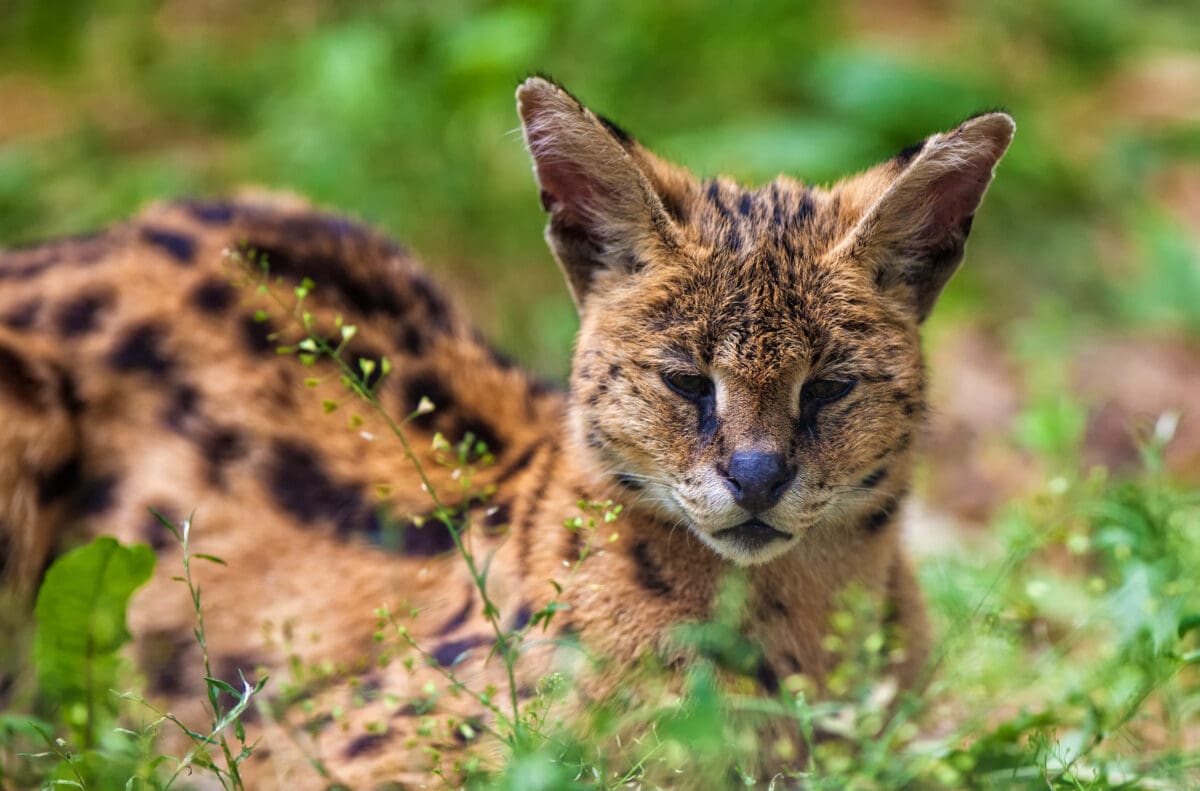
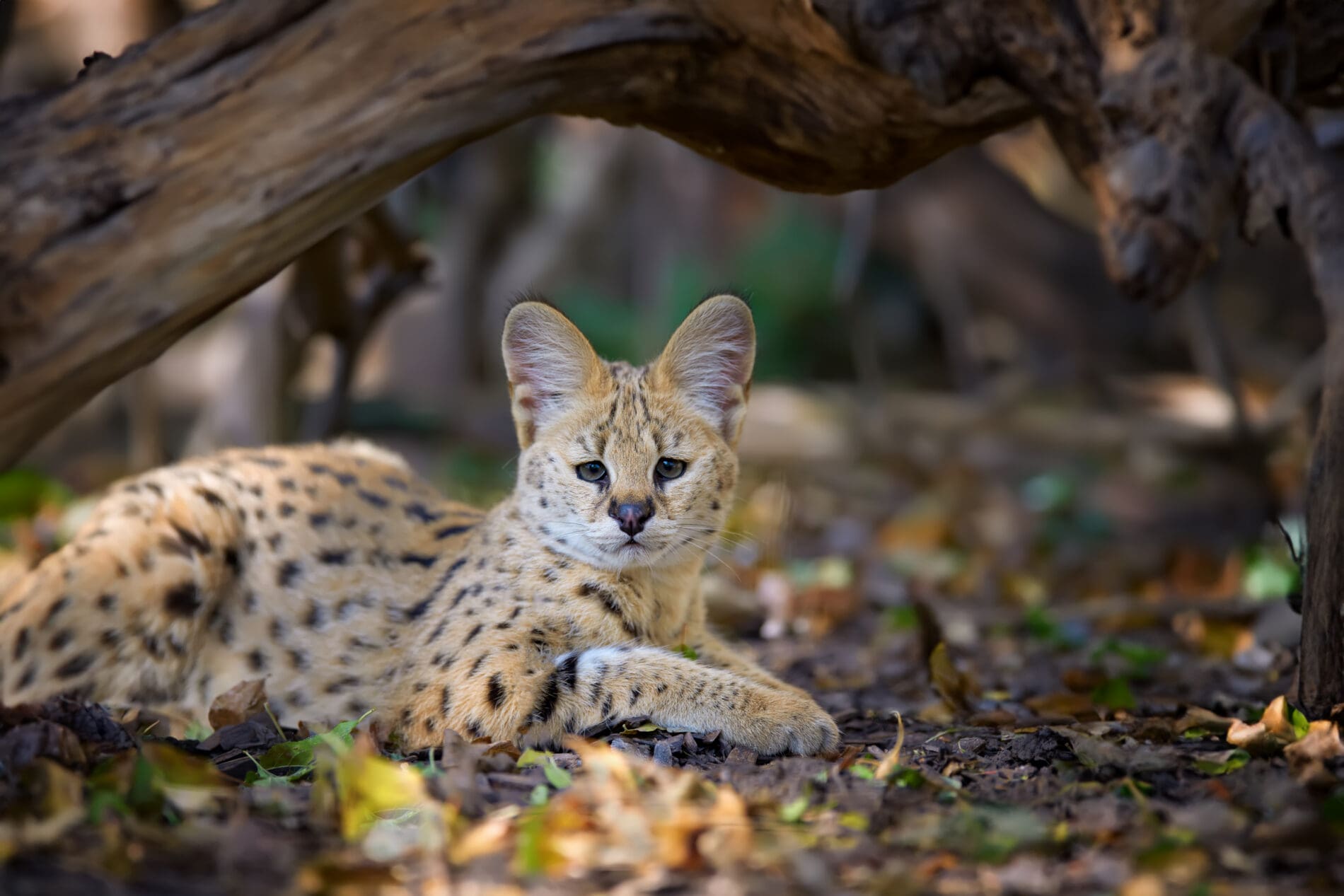
Exotic cats are wild animals with complex physical and behavioural needs that cannot be met in a household environment. Even when bred in captivity, they retain the instincts and behaviours of their wild counterparts.
They are driven to roam, climb, hunt, and defend territory. Confinement in homes can lead to severe stress, behavioural problems, and poor health.
Exotic cats require specialized diets and veterinary care that are not widely available.
Servals and caracals can weigh up to 40 pounds and have a bite force far stronger than a domestic cat. When exotic cats escape or are released they can harm other animals and pose risks to the community.
For these reasons, exotic cats experience poor welfare when kept as pets and can create risks for people, other animals, and local ecosystems.
What do the new rules mean?
Under the planned changes to the Controlled Alien Species Regulation (CASR), all exotic cat species will be prohibited in the future.Breeding, selling, or acquiring new exotic cats will no longer be allowed.
Animals already in private homes will be permitted to stay with their current guardians for the remainder of their lives, provided that guardians obtain a permit and follow basic care and safety requirements.
This change is designed to ensure that no more exotic cats are brought into captivity as pets where their needs cannot be met.
A meaningful step, with more work ahead
While this ban is an important step for advancing animal welfare, many other exotic species continue to be kept as pets in B.C. despite facing similar welfare concerns.
The VHS is encouraging the provincial government to go further by adopting an evidence-based positive list system for exotic animals. Instead of a long list of banned species, a positive list allows only animals that are proven suitable as pets based on animal welfare, public health, safety, and environmental criteria.
The VHS applauds the provincial government for taking this important step towards advancing animal welfare by banning exotic cat ownership and hopes to see more positive changes.
When people speak up for animals, change happens!
Thank you for helping make the exotic cat ban possible by standing up for animals who cannot speak for themselves.
TAKE ACTION! Help take the next step for animals
We invite you to help move this work forward by encouraging the provincial government to implement stronger rules for exotic animals in line with UBCM Resolution NR75.
Together, we can help ensure that wild animals are not kept in conditions that compromise their welfare or threaten public safety.
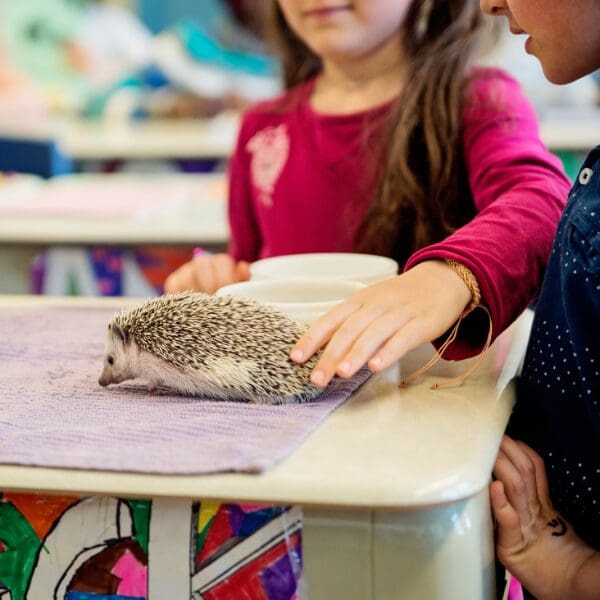
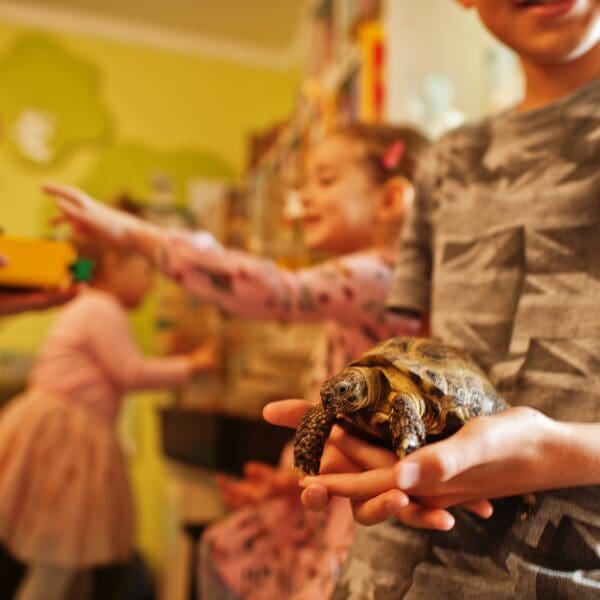
Many of us, or children in our lives, have passed snakes around classrooms, seen hedgehogs or tortoises sitting under bright lights at birthday parties, or seen lizards displayed in plastic containers at exotic pet expos.
Across British Columbia, exotic animals are being transported to birthday parties, schools, fairs, and expo events through what are known as mobile live animal programs, or MLAPs. These programs are often marketed as educational and family friendly. But what do they really teach, and at what cost?
There are growing calls, including from the VHS, other animal protection organizations, and the Union of B.C. Municipalities, for the B.C. government to regulate mobile live animal programs and update outdated exotic animal regulations using a science-based approach.
Because these programs are often presented as educational or harmless, many people have questions about how they work and what impacts they may have on animals, public safety, and conservation.
Below are answers to some of the most common questions about mobile live animal programs and exotic animal regulations in B.C.
MLAPs involve transporting animals to different locations for display, public entertainment, fundraising, or sale. This can include travelling petting zoos, classroom presentations, reptile expos, and events where exotic animals are sold.
Many of the animals used in these programs are wild, exotic animals. By this, we mean that they are non-domesticated species native to countries outside Canada. Unlike dogs, cats, or horses, exotic animals have not been domesticated over thousands of years to live alongside people. Species like snakes, lizards, tortoises, sugar gliders, and spiders retain their wild instincts, even if bred in captivity.
Are these programs really educational?
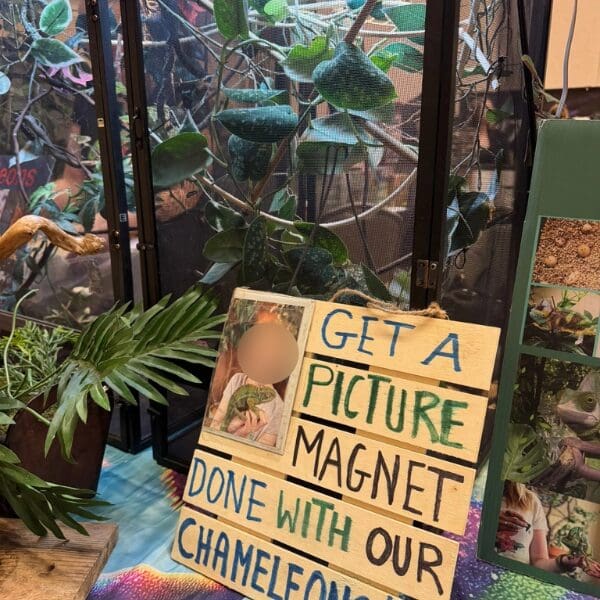
MLAPs are often defended as hands-on learning experiences that help children develop care for conservation or empathy for animals. However, research does not support the claim that interacting with live animals in these settings increases conservation knowledge or action.
Some research actually suggests that these experiences can result in negative emotional or intellectual perceptions of animals. Seeing animals removed from their natural environments, confined in small enclosures, and handled repeatedly can normalize the idea that wild animals exist for human use.
Hands-on interactions can also increase the desire to own exotic animals, particularly among children. Rather than discouraging impulse purchases, close contact may unintentionally fuel demand.
Researchers note that seeing animals up close is not necessary to foster learning, care, or conservation. Many beloved species, such as humpback whales, are widely protected without ever being held or handled by the public.
Why don’t many exotic animals make good pets?
Exotic animals, whether captive bred or wild caught, have complex social, behavioural, dietary, and environmental needs. These needs are difficult to meet in captivity and even more difficult in private homes.
When their needs are not met, animals may suffer chronic stress, illness, and premature death. It can also be challenging and costly to access specialized veterinary care. This can result in painful death, abandonment or surrender to already overburdened rescues.
Even well-intentioned guardians may not have the expertise or resources required to properly care for exotic species. That is why the VHS supports a science-based “positive list” framework. This framework would outline species allowed to be kept as pets and would be based on welfare, health, safety, and environmental criteria.
B.C.’s current Controlled Alien Species Regulations (CASR) are based on a lengthy and reactive “negative listing” approach, which lists 1000+ restricted and prohibited species. The current regulations also do not include animal welfare or disease risk as considerations for which animals are prohibited.
What happens to animals during these events?
Exotic animals used in MLAPs face significant welfare risks, including stress from:
Frequent travel to and from events, sometimes long distances
Repeated public handling
Undersized or barren enclosures during transport and display
Inability to escape from public view or the view of other animals
Exposure to unnatural lighting, temperature, humidity, noise, and smells
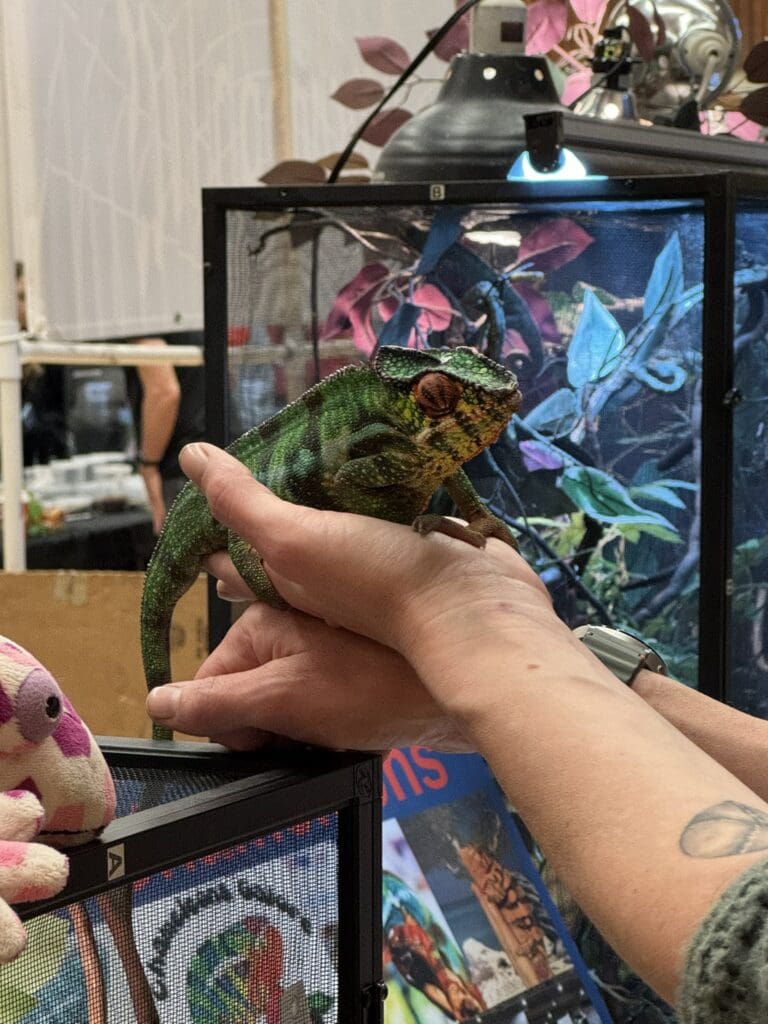
Research shows that many reptiles and other exotic animals hide signs of stress as a survival tactic. An animal that appears calm may still be experiencing chronic stress, which can have serious physical and psychological impacts.
The Global Federation of Animal Sanctuaries opposes public contact with wildlife, stating that pay-to-play activities are never in the best interest of the animal and can pose risks to both public safety and animal health.
Why are animal enclosures at exotic animal events a concern?
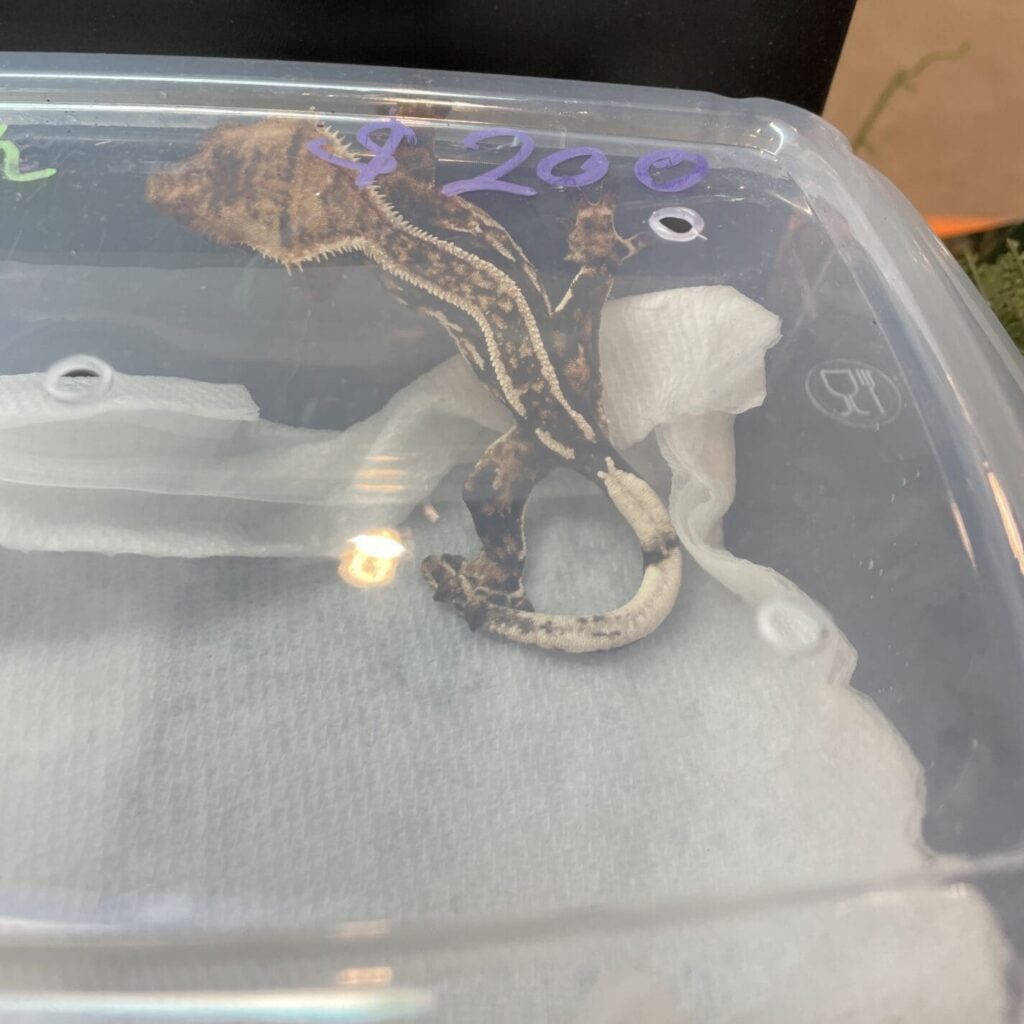
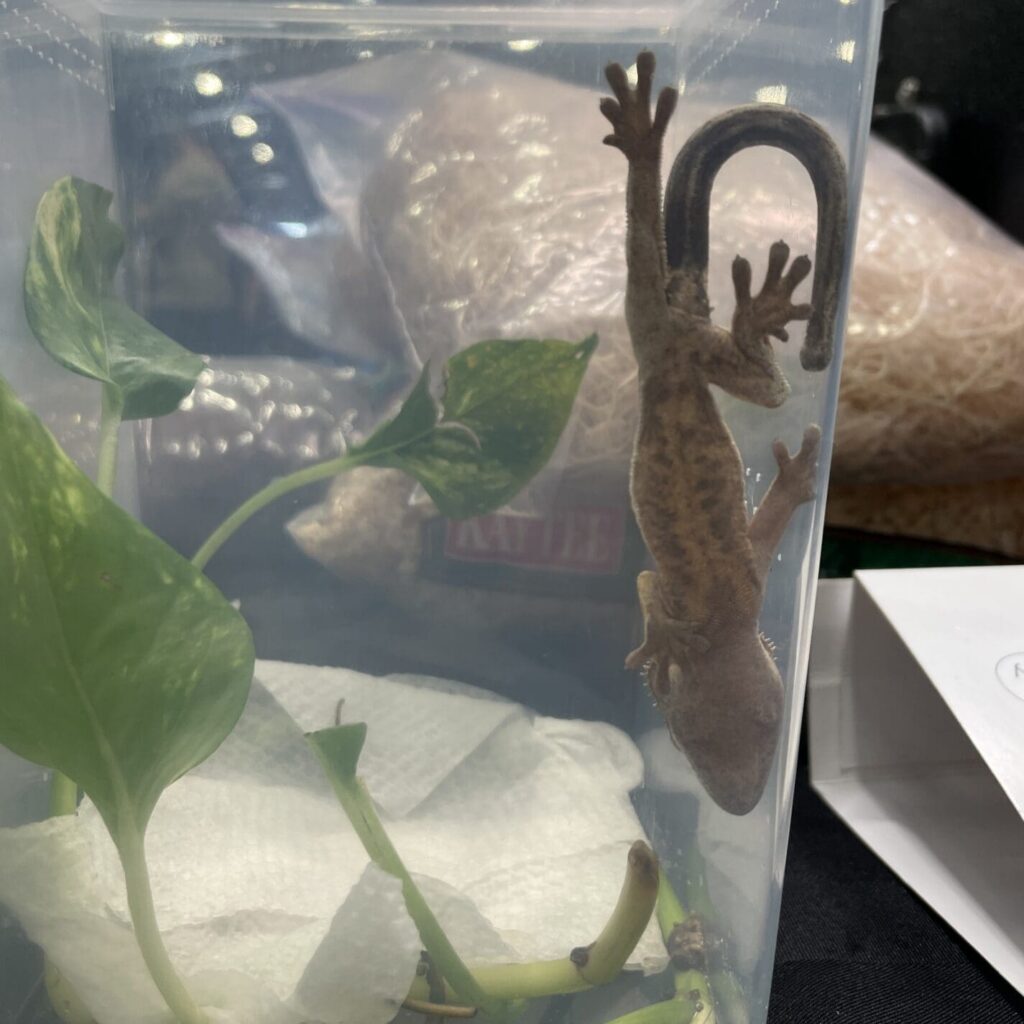
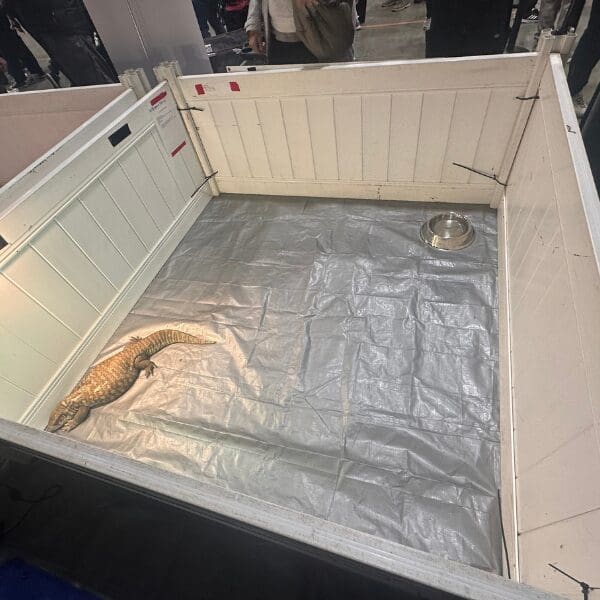
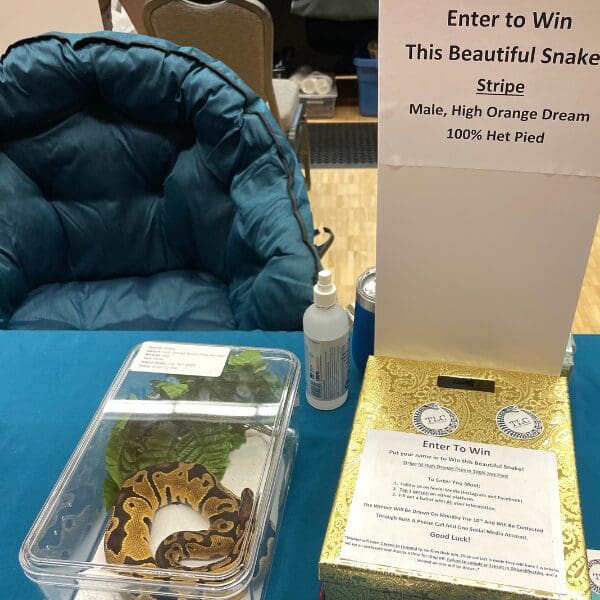
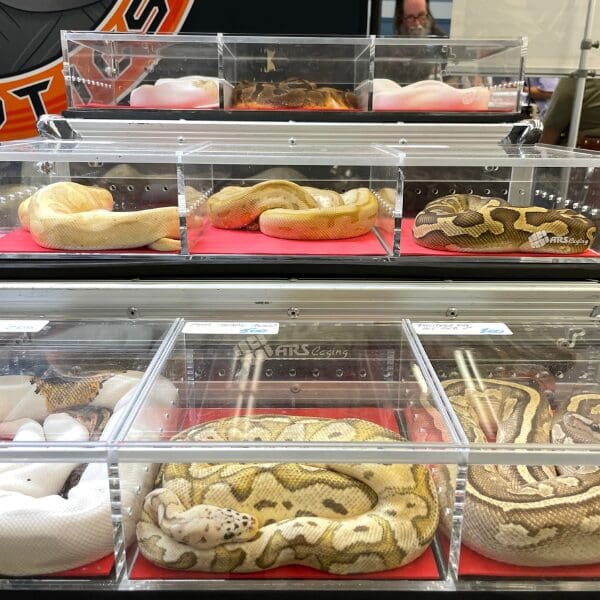
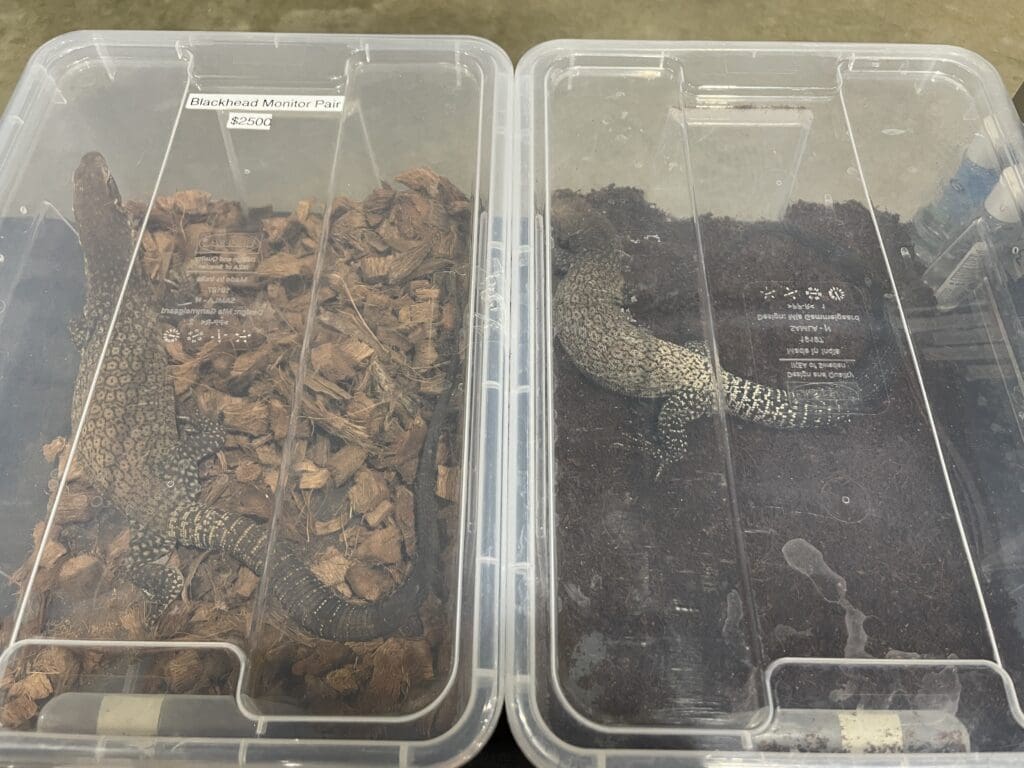
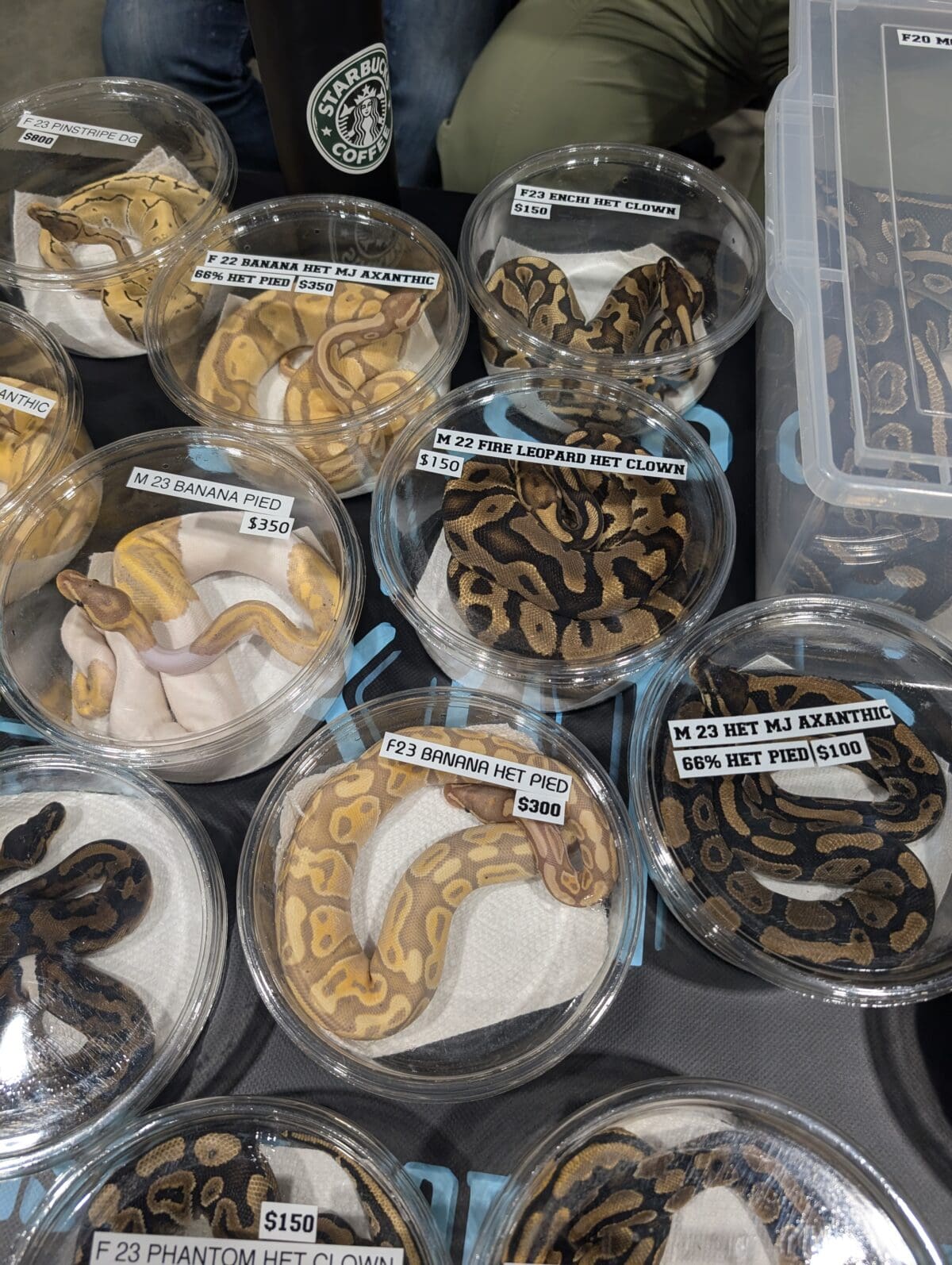
Many exotic animals are sold across the province in barren, plastic take-out style containers with little to no enrichment, space, or opportunity to exhibit natural behaviours. It is often unclear how long animals remain in these containers throughout the duration of an event, which may last several hours or even multiple days.
To justify this type of confinement, some organizations have referenced the International Air Transport Association’s Live Animals Regulations. These guidelines are designed to keep animals safe during air travel, where they may risk injury due to turbulence, and are intended to apply only during active transport.
However, while travel to and from events may require temporary housing, displaying animals for sale or entertainment at an expo or event is not a period of active travel and does not pose the same safety risks as periods of active travel. Stress that animals experience in these housing environments far outweigh any potential benefits.
Travel is often one of the most stressful events in any animal’s life, and all efforts should be made to minimize the need to transport animals, the duration of travel, and time spent in restrictive temporary housing.
Unlike transportation guidelines, there are currently no consistent provincial standards in B.C. that regulate adequate animal handling or living spaces at mobile live animal events. Keeping animals in temporary, restrictive housing for entire days or weekends for the purpose of sale or public display can compromise animal welfare and increase stress and suffering.
What about rescues?
Some MLAPs describe themselves as rescues that rely on events to raise funds for animal care. While funding challenges are real, reputable sanctuaries and rescues prioritize animal welfare above all else and successfully raise funds without putting animals at risk of stress and suffering.
Grants, animal sponsorship programs, online peer-to-peer fundraising, corporate partnerships, and community events offer sustainable alternatives. Ethical rescues prioritize the long-term well-being of animals and do not use wild or exotic animals for public handling or entertainment.
What changes are we calling for?
The VHS is urging the B.C. government to:
Establish clear, enforceable regulations for mobile live animal programs that address animal welfare, environmental, public health and safety issues;
Update and strengthen the CASR to prioritize animal welfare and public health considerations, alongside public safety, when determining which species can be kept, bred, and traded;
Support a ban on keeping exotic species that cannot be humanely or safely kept.
We can foster compassion for animals without transporting them to and from parties and expos to be handled and put on display. Documentaries, virtual learning, sanctuary/rescue visits that prioritize animal well-being, and conservation programs all offer meaningful ways to engage the public.
As public awareness grows, sentiment is shifting away from using live animals for entertainment and outreach. B.C. has an opportunity to lead with thoughtful, science-based policy that protects animals, public safety, and native ecosystems.
If you believe wild, exotic animals deserve better protection, join us in calling on the provincial government to regulate mobile live animal programs and update B.C.’s exotic animal rules.
Together, we can build a future where education and compassion never come at the expense of animal welfare.
The VHS is grateful to the Animal Welfare Foundation of Canada for their generous grant funding of our work to raise awareness about the suffering of wild, exotic animals kept in captivity as pets and used in mobile live animal programs.
TAKE ACTION! Add your name to the campaign
Ask the provincial government to take meaningful action on this issue by implementing the UBCM’s recommendations.
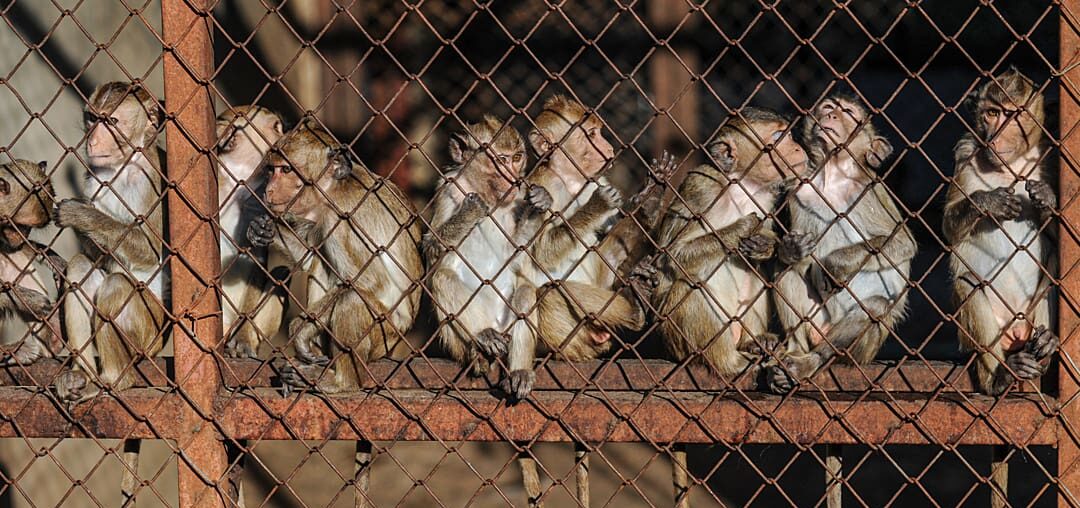
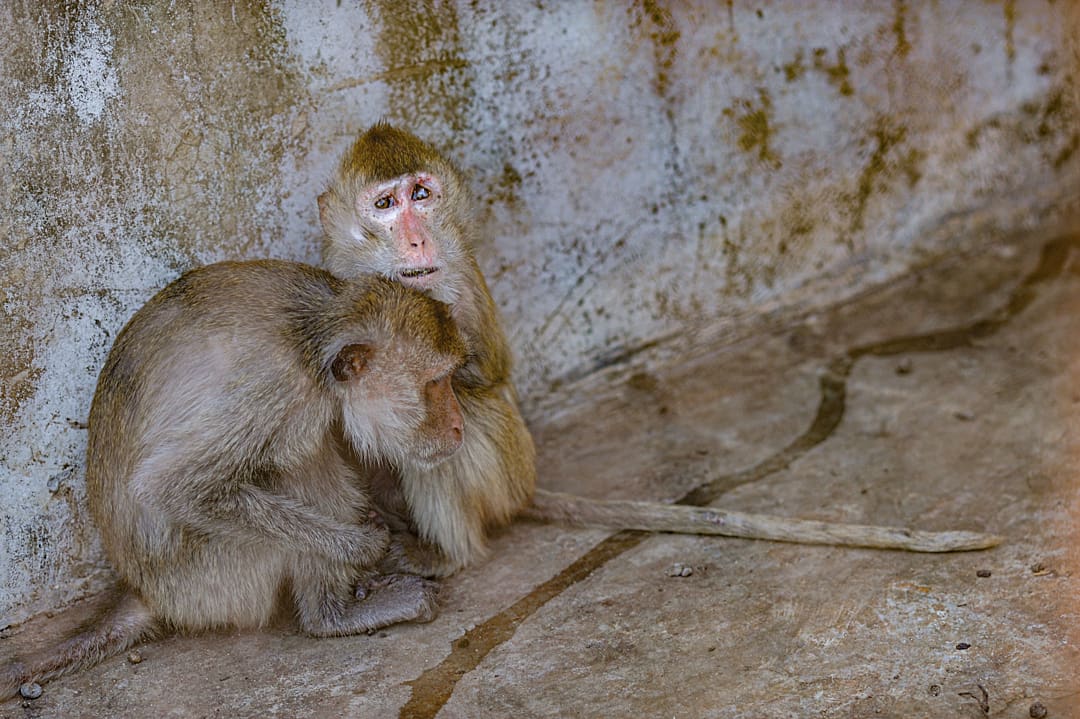
10,000 endangered long-tailed macaques, a species of monkey commonly traded for experimentation, were imported to Canada in just three years.
This is deeply concerning.
A five-year U.S. federal investigation found that Cambodia’s supply chain laundered wild-caught macaques as captive-bred animals. In November 2025, Thai authorities uncovered ongoing smuggling of wild macaques destined for Cambodia. These findings raise serious questions about the legality and traceability of animals entering international markets.
Canada has both the authority and the responsibility to act.
Credit: Jo-Anne McArthur / We Animals
Your voice helps endangered monkeys
A new parliamentary e-petition calls on the Minister of the Environment, Climate Change and Nature to:
Launch an investigation into the legality, traceability, and authenticity of CITES permits used for importing Cambodian long-tailed macaques into Canada; and
This is a critical opportunity to strengthen oversight, uphold wildlife protection laws, and ensure Canada is not complicit in the exploitation of endangered animals.
The petition closes the morning of April 28, 2026.
If you are a Canadian citizen or resident, please add your name today and share the petition with others who care about wildlife protection and ethical responsibility.
*Note: You will be asked to confirm your email after signing. Please check your spam folder to confirm your email and ensure your voice counts.





Social media can be part of the solution, not the problem.