
On December 5th, Hastings Racecourse announced the immediate end of horse racing at the province’s last track.
The Vancouver Humane Society’s Chantelle Archambault sat down with Stephen Quinn from The Early Edition on CBC Radio to share the VHS’s response, previous advocacy around the racetrack, and what a compassionate retirement for horses would look like. Interview shared with permission.
Note: This written discussion has been edited for length.
Hastings Racecourse closes: The VHS responds
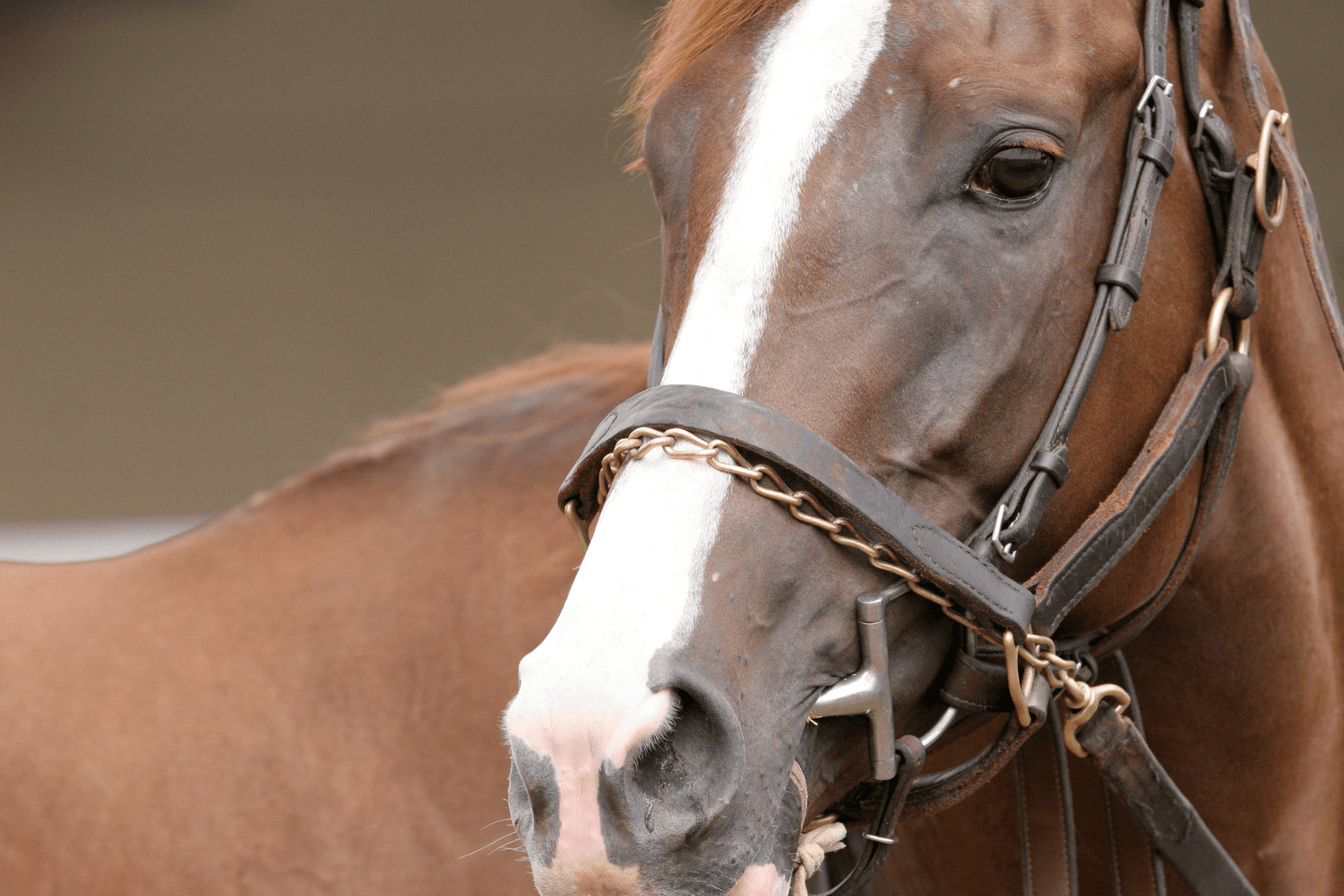
Stephen: Thoroughbred horse racing at Vancouver’s Hastings Racecourse is ending after more than a century. In fact, it’s been going there for about 130 years. The operator announced on Friday it will no longer run a racing season at the historic facility.
Great Canadian Entertainment, which operates the site, described the move as an extremely difficult decision. It said the decision was made because of a lack of economic feasibility to move forward with another season of horse racing.
Now, the Vancouver Humane Society released a report earlier this year highlighting the need for public subsidies to remain operational.
And joining us now is Chantelle Archambault. She is the Communications Director of the Vancouver Humane Society. Good morning to you, Chantelle.
Chantelle: Good morning. Thank you so much for having me here.
Stephen: Thanks for being with us. Your reaction to the news on Friday that the race course is shutting down after being operational for well over a century?
Chantelle: Yeah, absolutely. I mean, on on the one hand, we’re so grateful for this step toward a future where animals aren’t bred for use risky entertainment activities like horse racing.
The Vancouver Humane Society has been advocating for an end to horse racing at Hastings for many years, given the animal welfare concerns associated with the industry.
And at the same time, we recognize that it brings quite a lot of uncertainty for those connected to the horse racing industry.
We’re very hopeful that all parties, regardless of their perspective on horse racing, share a common priority of ensuring that every horse currently involved in racing is provided with safe, secure, compassionate retirement.
That’s why we’re encouraging both the provincial government and industry stakeholders to prioritize meaningfully supporting both workers and animals in transitioning away from horse racing,
Report on Hastings Racecourse

Stephen: Your organization commissioned a report earlier this year on the history of the Vancouver Hastings Racecourse. What were some of the key findings of that report?
Chantelle: We looked at both the economic and animal welfare impacts of racing.
We found that there were decades of decline at Vancouver’s Hasting Racecourse, and the track was relying on public subsidies to remain operational.
It outlines that there was decline in attendance, revenue, race days.
- The race days went down from about 150 a year in the 1980s to about 45 planned for 2025.
- Attendance has collapsed from about 1.1 million people in 1982 to about 150,000 in 2022.
- In 2023 and 2024, the horse racing industry received about $9 million from slot machining revenue to keep it running.
So there’s been a heavy reliance on public funds to keep this industry going.
And the report also, of course, highlighted the risks that horses face in racing. At least 14 horses died at Hastings in 2023. In 2024, the fatality rate was 1.78 deaths per 1000 starts, which is well above the industry average and nearly double the rate at tracks that have stronger safety rules.
So given that, the racing industry really no longer aligns with the City of Vancouver’s priorities for public access, sustainability, economic resilience. We were recommending an end to horse racing at Hastings Park when the current operating agreement for the racetrack expires, which would have been in 2026.
Stephen: I’m sure the people who work at the track and work with horses would say that they certainly do their best to ensure the health of horses and to make sure that they stay healthy, do they not?
Chantelle: I absolutely am sure they do. It’s impossible to work with animals and not love them and care for them.
But the reality is that there were so many deaths at this track that it seems like it’s an inevitable, inherent part of the racing industry.
What’s next for the horses?
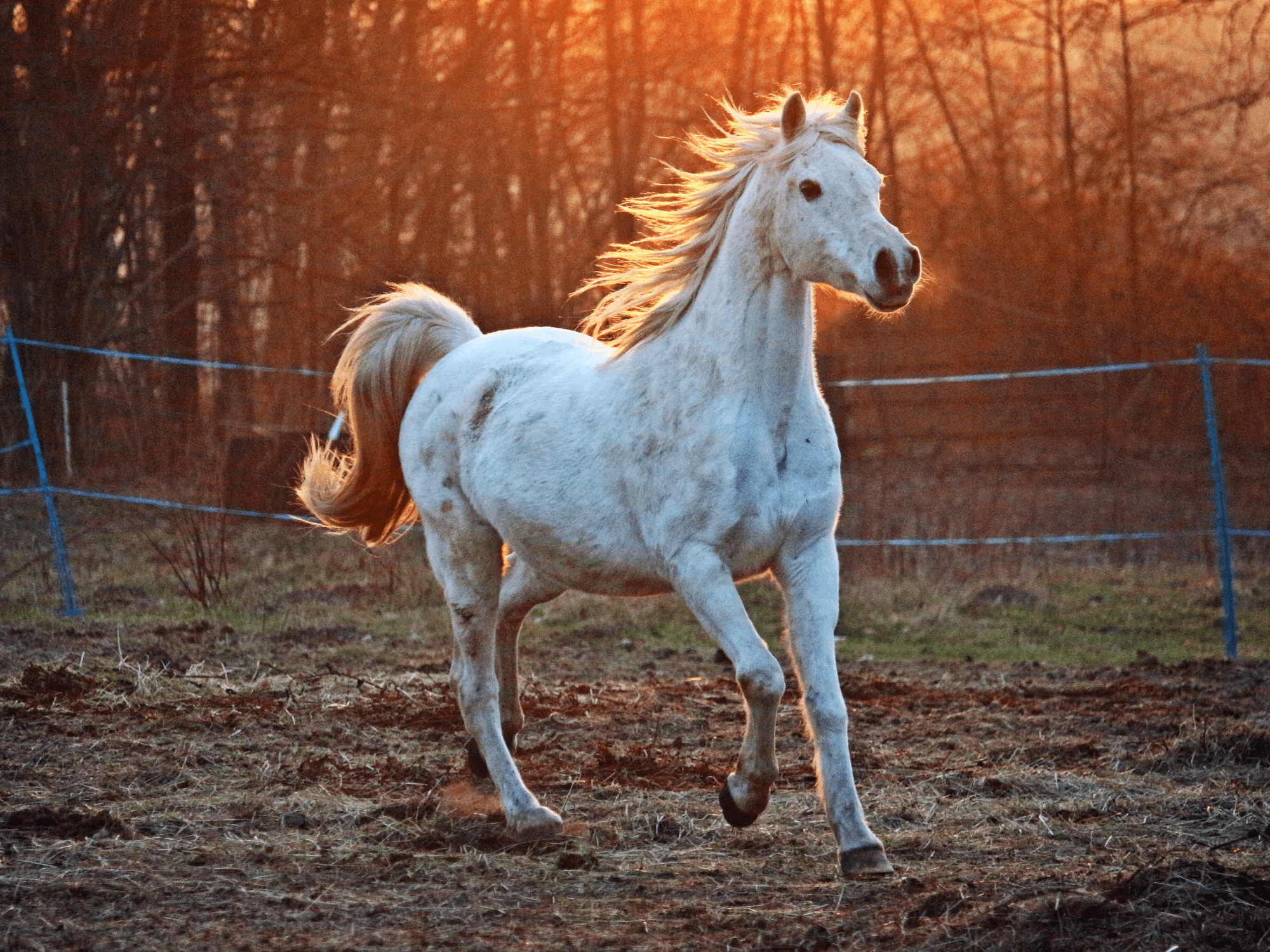
Stephen: So what will happen then to the horses now that they’re no longer competing at the racetrack?
Chantelle: It’s a great question. A responsible transition plan really means developing clear, transparent retirement pathways for every horce that’s racing.
Horses are only able to race for a fraction of their natural lifespan, so this should be a baked in part of the industry, and we are hopeful that it is. Under normal circumstances, any industry that relies on animals should already have a well-developed safety net and in place for animals who age out of the industry.
From our perspective, a good outcome would be for the horses to move out of the racing industry into an environment where they can have positive experiences, bonds, and the freedom to express their natural behaviors.
So some examples of that would be retiring to a sanctuary or therapy horses, in a setting where they can regularly have time to run free.
Declining public support
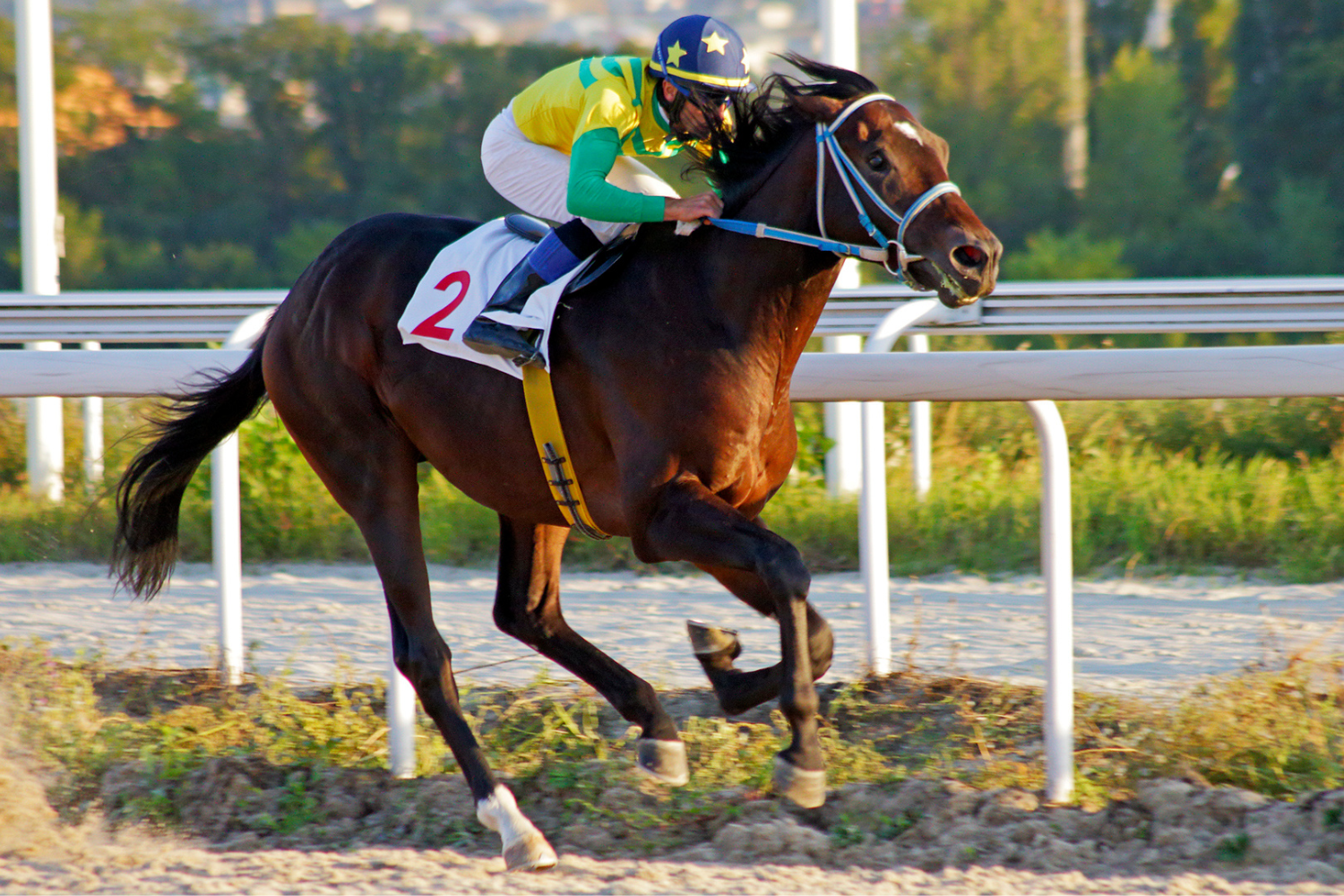
Stephen: Chantelle, is this something you see just happening here in the Lower Mainland or in British Columbia, or are we seeing a decline in in horse racing operations across North America?
Chantelle: We really only have been looking very closely at British Columbia, but I have heard whisperings that there there is a wider decline across the industry as a whole.
There’s decreasing public support for this industry. I think it’s clear that people are seeing across multiple industries that use animals and put them at risk like this, that there is a decline in public support as people learn more about animal welfare and animal sentience and learn that animals are beings who can feel pain, feel fear, feel stress, and care about their lives.
Stephen: Chantelle, we’ll leave it there this morning. Thank you so much for taking the time. We appreciate it.
Chantelle: Thank you so much for having me.
Stephen: That is Chantelle Archambault, who is the Communications Director at the Vancouver Humane Society, talking about the end of horse racing at Hastings Park after 130 years, and what will happen to the horses and all of the people who work with those horses as well.