In this episode of The Informed Animal Ally podcast, Vancouver Humane Society Communications Director Chantelle Archambault and co-host, VHS Executive Director Amy Morris, are joined by Wildlife Campaign Manager at World Animal Protection, Erin Ryan. Together, they explore the welfare concerns surrounding captive wild animal attractions, including roadside zoos, exotic pet expos, and other close-contact wildlife experiences. They discuss common misconceptions about education and conservation, the impact these attractions have on animals, red flags to watch for when choosing family activities, and compassionate alternatives that help children connect with wildlife without causing harm.
Note: This written discussion has been edited for length.

Featured Guest: Erin Ryan
Wildlife Campaign Manager for World Animal Protection
Erin Ryan is the Wildlife Campaign Manager for World Animal Protection. She brings more than 10 years experience working on a variety of wild animal welfare issues across the country with groups including the BC SPCA and Humane World for Animals Canada. She is a skilled and creative science communicator, a Registered Professional Biologist (RPBio), and holds a BSc and MSc in Applied Animal Biology from the UBC Animal Welfare Program. Erin is a proud member of the Syilx (Okanagan) Nation.
The reality behind captive animal attractions
Chantelle: Hi and welcome back to The Informed Animal Ally, presented by the Vancouver Humane Society. I’m Chantelle Archambault, the Communications Director here at the VHS. I’m joined, as always, by my wonderful co-host, the VHS’s Executive Director, Amy Morris.
Amy: Hello.
Chantelle: And today we’re so excited to welcome former guest Erin Ryan back on the show. Thank you so much for being here, Erin.
Erin: Thanks for having me.
Chantelle: Since she was last on the show in 2022, Erin has moved into a role as the Wildlife Campaign Manager for World Animal Protection. She has more than 10 years’ experience working on a variety of wild animal welfare issues across the country, with groups including the BCSPCA and Humane World for Animals Canada. She is a skilled and creative science communicator, a registered professional biologist, and holds a BSc and MSc in Applied Animal Biology from the UBC Animal Welfare Program.
Erin is a proud member of the Syilx Okanagan Nation. Today we’re very grateful to have her back to talk about an important issue moving into summer, as families are looking for activities to do, which is captive animal attractions. But first, Erin, could you share a little bit about your background on animals in captivity and entertainment, and why you feel it’s so important to talk about this?
Erin: Yes, absolutely, and thanks for the introduction. So, of course, I’ve spent almost my entire career in wild animal welfare. In my background in applied animal biology, what we really focused on was sort of the scientific evaluation of different animal welfare scenarios, including a strong background in animals in captivity. So, I’ve looked at a lot of the research on, you know, animal welfare problems for wild animals that aren’t in captivity, including urban wildlife conflicts, pest control.
I’ve also done some work with understanding captive wildlife facilities, including the ongoing issue of roadside zoos in Ontario, which is a major part of my campaign work here with World Animal Protection, but then also animals in the tourism space and how you can be a responsible tourist. So, I think I’ve had sort of a lifelong interest in these animals and, you know, just seeing how we can improve their lives and what we can be doing better.
Amy: Thanks for sharing, Erin. Something that I’ve sort of noticed is that social media is full of animals in captivity that are pets. You know, there’s this blurred line, and it’s becoming more popularized than ever before. And people are seeing that. They’re thinking about fun things to do with their kids as summer break is coming. And so, what are some of the popular attractions or activities around wildlife in captivity that people may not realize can be harmful for the animals?
Erin: You’re totally right. Social media, unfortunately, has this bad habit of sort of normalizing some harmful activities. And abroad, that can look like things like riding elephants or even bathing with elephants, which people don’t realize is a harmful activity. It can translate into things like swim with dolphins experiences, or even on a local level, people visiting substandard facilities like roadside zoos that we have in Ontario, or low-quality facilities that people kind of assume that if they’re open and operating legally, that they must be okay, when in fact we know that there’s a lot that goes on behind the scenes or even to the untrained eye that these animals aren’t doing well.
From zoos to exotic pet expos: what families don’t see
Chantelle: I’ve heard so many times that certain zoos are accredited by certain places, so they must be okay, or they’re still operating and they’ve been operating for a long time, so they must be okay. But we see again and again that the animals in those situations are not, they’re certainly not thriving, and they seem to be really having these negative behavioural patterns that are a result of just being stressed and bored and frustrated.
Erin: It’s a lot similar to food labeling systems, where consumers are wading through the different labels like free range versus free run, or organic. What does that actually mean for animal welfare? When we talk about some of the zoo standards, not everybody’s going to be an expert on all the different accreditations or certifications that a program may or may not have. But, generally we see that the absence of any type of accreditation is a type of red flag.
Chantelle: That’s certainly true. And then there’s also accreditations that are industry-based or volunteer-based that are less rigorous, let’s say.
Erin: Yeah, those that don’t carry the same weight or don’t necessarily translate into a humane experience for the animals.
Chantelle: Yes, exactly. That being said, zoos are often marketed as educational or conservation-focused spaces. What are some of the biggest animal welfare concerns that you’ve seen with zoos in Canada?
Erin: I think where we see some really professional facilities that are operating at a much higher level, that type of education work does happen, but it varies widely, and there’s no requirement or no prescribed method that says your education has to be of a certain quality or has to be correct. And unfortunately, I’ve even seen cases while visiting roadside zoos in Ontario where the so-called education that was being provided was blatantly wrong, or it was focused only about the animals at the zoos and not about the animals in their natural behaviour or what they would normally experience. So, it’s unfortunately not giving this education or conservation experience.
And many of these places argue that simply by owning these animals and keeping them forever, that they’re in fact contributing to conservation, when generally the opposite is true, that these wild populations are facing pressures because people are taking them from the wild to start breeding stock for animals in captivity.
But generally, you know, these programs aren’t meaningfully contributing to conservation in the wild, and that’s really what we’d want to see from any type of legitimate facility.
Chantelle: Yeah, absolutely. What is the typical experience of an animal in a zoo that you’ve seen?
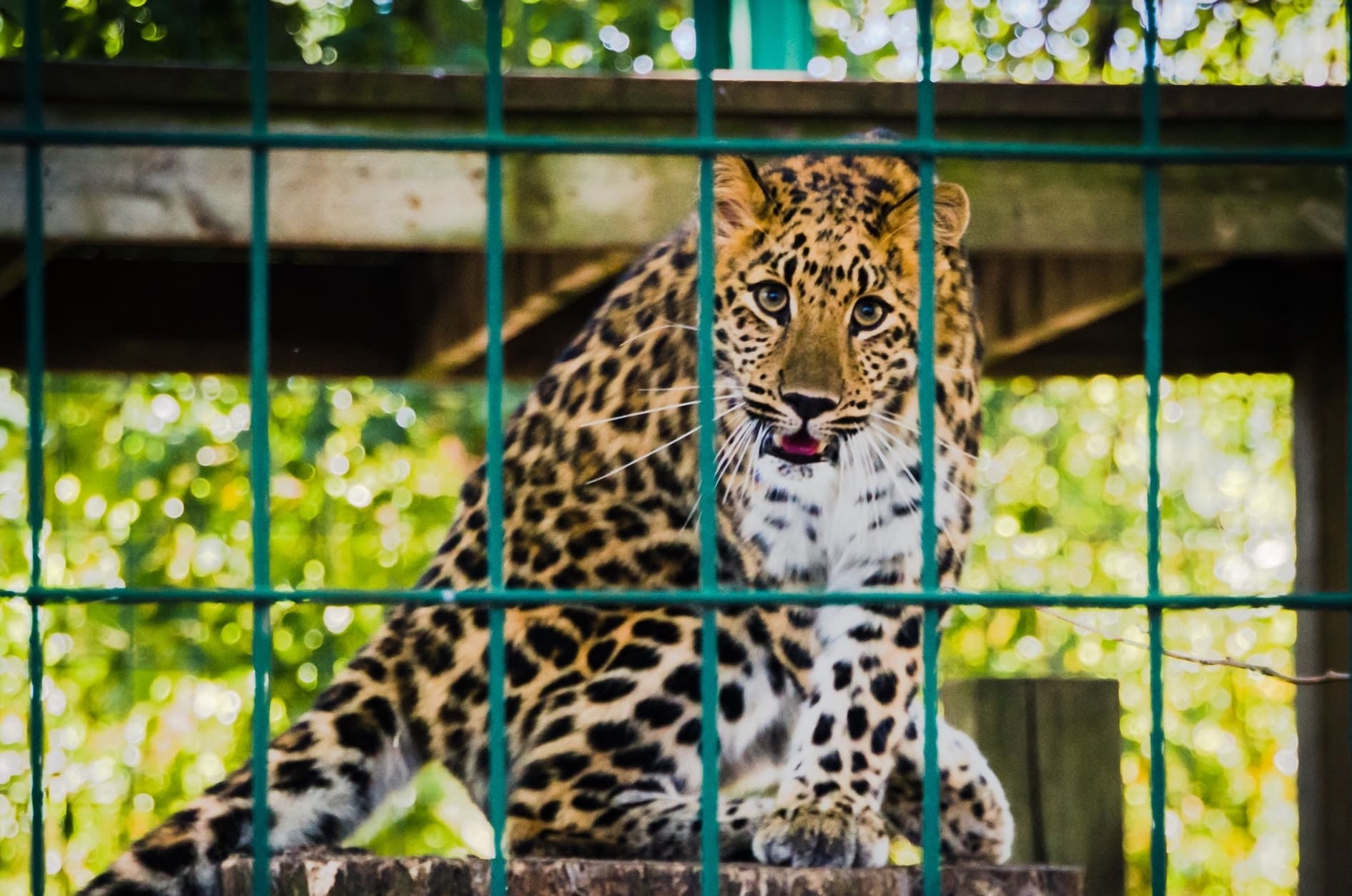
Erin: In some of the worst facilities I’ve seen, it’s generally animals in really barren conditions. And in somewhere like Ontario, where there’s no sort of regulations about it, you can imagine the most DIY animal cages you can imagine. So, think about wood frames with sort of chicken wire nailed to these wooden frames, hand-built ramps or shelters that don’t actually meet the animal’s biological needs.
And you can see this reflected in how the animals behave, because what we see is a lot of stereotyping or repetitive behaviors. That can be things like pacing around repetitive paths in the enclosure, and you can start to see that they’ll wear down paths where they do this. You can also see things like chewed materials or things like bar biting. I saw a really poor example of giraffes who were basically bar biting at their fenced-in enclosure, and you could see very deeply worn holes on either side of their wooden fencing.
I saw a serval that had a repetitive pacing pattern that was so specific that their paw prints were wearing down the individual footprints where they were putting their feet every time. So, it wasn’t even just one paced path, it was the individual steps they were taking over and over and over again.
Amy: Yeah, it’s really interesting to come at these facilities with a lens of the experience of the animals. And I know growing up, my family took me to aquariums and zoos, and I always was sort of like disturbed by the penguin exhibits because they’re really small and they’re sort of like always on display. You know, even as a child, I looked at them and thought, something just doesn’t feel right watching this.
The breeding that’s happening is just happening in a vacuum, in a non-natural habitat, and there’s such a loss of knowledge of what their natural habitat is meant to be. And they’re not getting to do any of their long swims, their deep dives, the hunting behaviors that make them who they are.
You know, it’s like they clock in for work every day, they go out, they’re gone all day, and they clock back out or whatever on their way back home, and you just don’t see that in these captive facilities. And for me, that is a symbol of so many of the animals. You know, it’s one example, but you can find with each animal you look at in an enclosure, you can see the ways in which something’s lacking for them.
I even remember once my mom took me to a zoo in San Diego that’s supposed to be amazing for conservation. And we were walking by the cat enclosures, and they’re very small, incredibly small, and one of the cats was spraying or peeing outside of the enclosure because, you know, the enclosures were so small and you could see just a sort of like stain on the pavement where people walk by. So, all of these experiences for me have been a big sign of why these places are harmful for animals, but there’s still a draw to see wild animals, to engage with them.
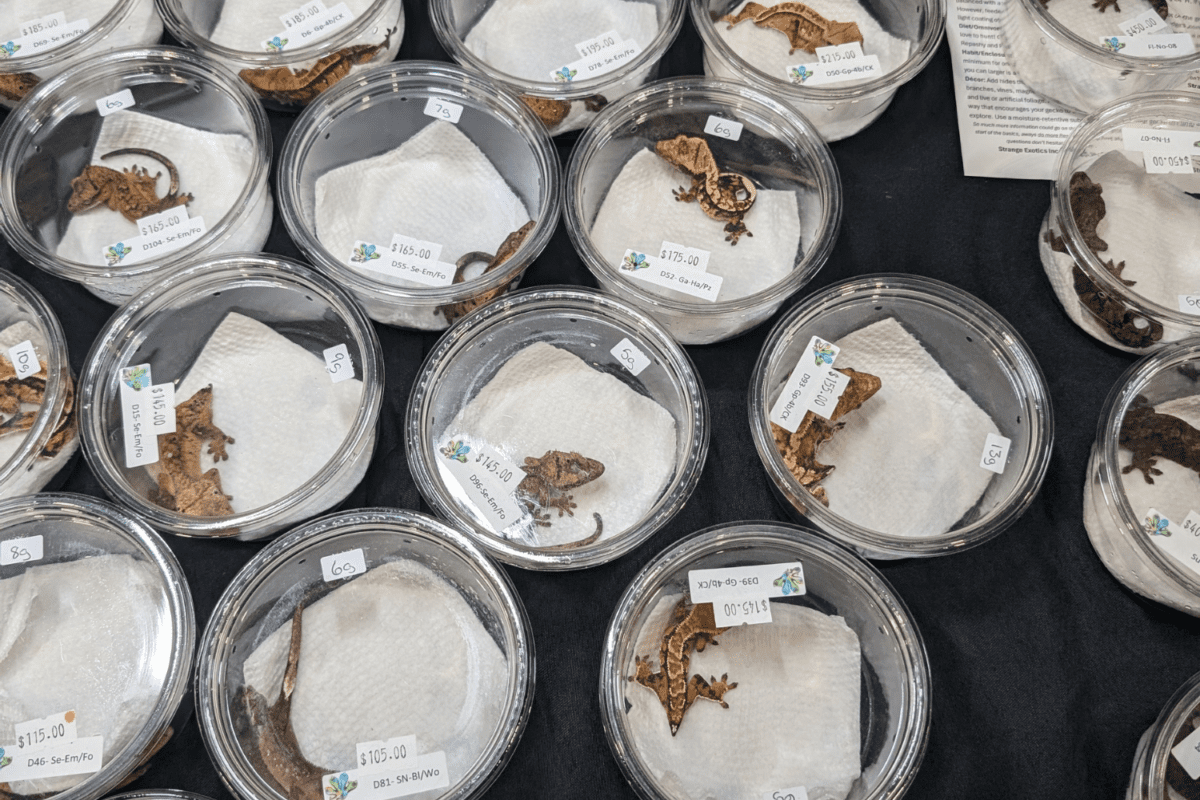
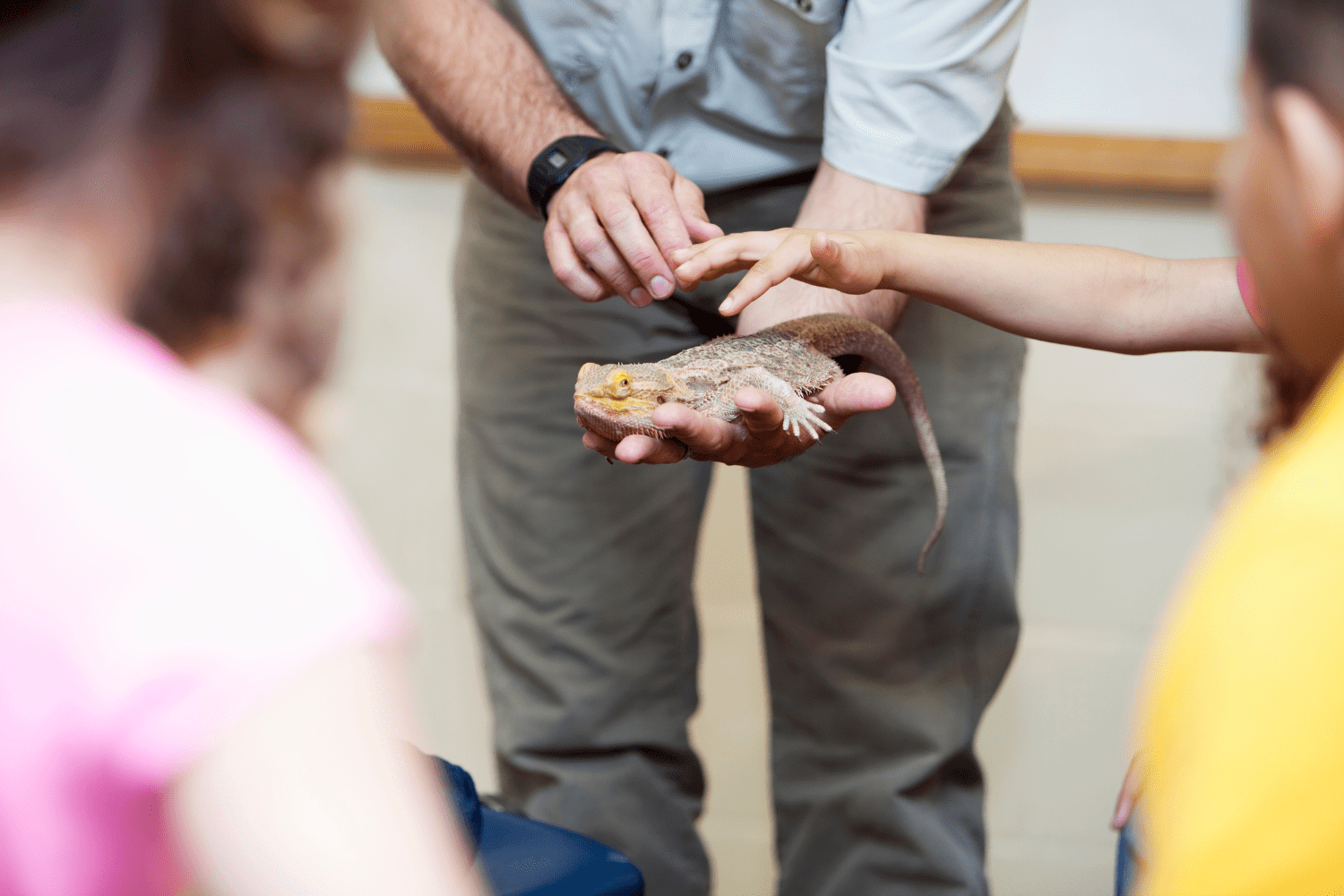
So even, you know, on a local level, there’s even these exotic pet expos. People are trying to keep wild animals as pets, including reptiles, and they’ve become popular for family outings as well. And, you know, I have a lot of concerns about these events. I’m curious to hear, Erin, what concerns you have about these events, both for the animals involved and for the messages they’re sending to children.
What children really learn from captive animals
Erin: You actually raised a really good point in your previous anecdote that ties in closely to this.
And my experience is that children are so much more intelligent and savvy than we give them credit for, and that they are more likely to have sort of a gut reaction to say, this doesn’t feel right. But then, you know, either two things can happen: the adults in their lives can normalize it for them, or they can check themselves and think, wait a minute, is this something that I’ve normalized? Is this a behavior I’ve internalized?
But it’s funny, I saw that a lot at a recent reptile expo that I went to, is that some, I would say probably the large majority of folks who were attending are, you know, reptile or exotic animal enthusiasts who are there with a specific purpose or specific reasons for going. But then there are a lot of foot traffic where it seems like this is a fun outing for the family for the long weekend or something like that. And what I saw is that, you know, even though there are signs everywhere saying that these enclosures are temporary and that’s why they’re so small, is that I would overhear both kids and their parents who maybe hadn’t been to an event like this before that were saying, man, this doesn’t feel right. Those enclosures look too small. Those animals don’t look happy. Wow, it really looks like they’re trying to get out. And then, you know, it was interesting to watch people kind of stuff that down, to have that gut reaction, to question it, and then try to normalize it. Well, it’s happening, so it must be okay, or maybe I’m not thinking correctly.
And then, of course, it also has that secondary effect of normalizing the ownership of these animals. We saw some pretty incredible animals, but also, I’m just, as a biologist, trying to understand the needs that those animals have and what their counterparts would experience in the wild, and I can’t see how anyone could meet those needs in a home without the animal suffering quite a bit.
Chantelle: Yeah, they do have extremely complex needs, and then having them in these small containers doesn’t really showcase the difficulty level.
I know that there are some breeders and sellers who put in more effort to show people what the requirements are going to be, but it is extremely difficult for the average person to meet the needs of these animals in a home or impossible. We also heard that same defense that it’s okay that animals are in these small containers because it’s just temporary. But if you think about it, it’s like these expos are happening in one building over the course of a weekend.
A seller has hundreds of animals, and they’re transporting them from a different city, usually. They’re going to the expo, they’re there for the weekend, and then they’re going home. They’re not going back to their hotel room every night and putting them in these large, suitable containers. That’s where they are for those, that set of days that is the travel and the expo. So, it’s temporary, but it’s still like, I wouldn’t want to be in a small closet for the equivalent of a long weekend.
Erin: I think that’s a good point. It kind of ties into what Amy, you were talking about like the penguins and their restricted movement and how that doesn’t really showcase what a penguin should be doing and acting. And, you know, as a person, you can imagine maybe back to the early days of the COVID-19 pandemic when we were all mostly staying indoors. I think about if some alien from outer space were watching me in those months, do they think that would be an accurate representation of humans’ natural behaviour to be cooped up inside and see the things we did then versus when we have our full scope of natural environment available to us? And the answer is certainly no.
So, I think it’s, you know, it’s really important that for an education value, we understand the full range of what these animals can and want to do, rather than seeing how they behave in a restricted environment and saying, well, that’s just how they are.
Amy: Yeah, absolutely. We were not doing well just in our homes for those months when that was happening, and that’s in our fully enriched environments with entertainment and things to do. And these animals are in a container, so that’s a great point.
Chantelle: So, we have a lot of concerns about these activities, but a lot of parents do choose these activities because they genuinely want their kids to learn about animals and build empathy for animals and be around them. How much do you think children are actually learning from activities that involve captive wild animals and close contact experiences?
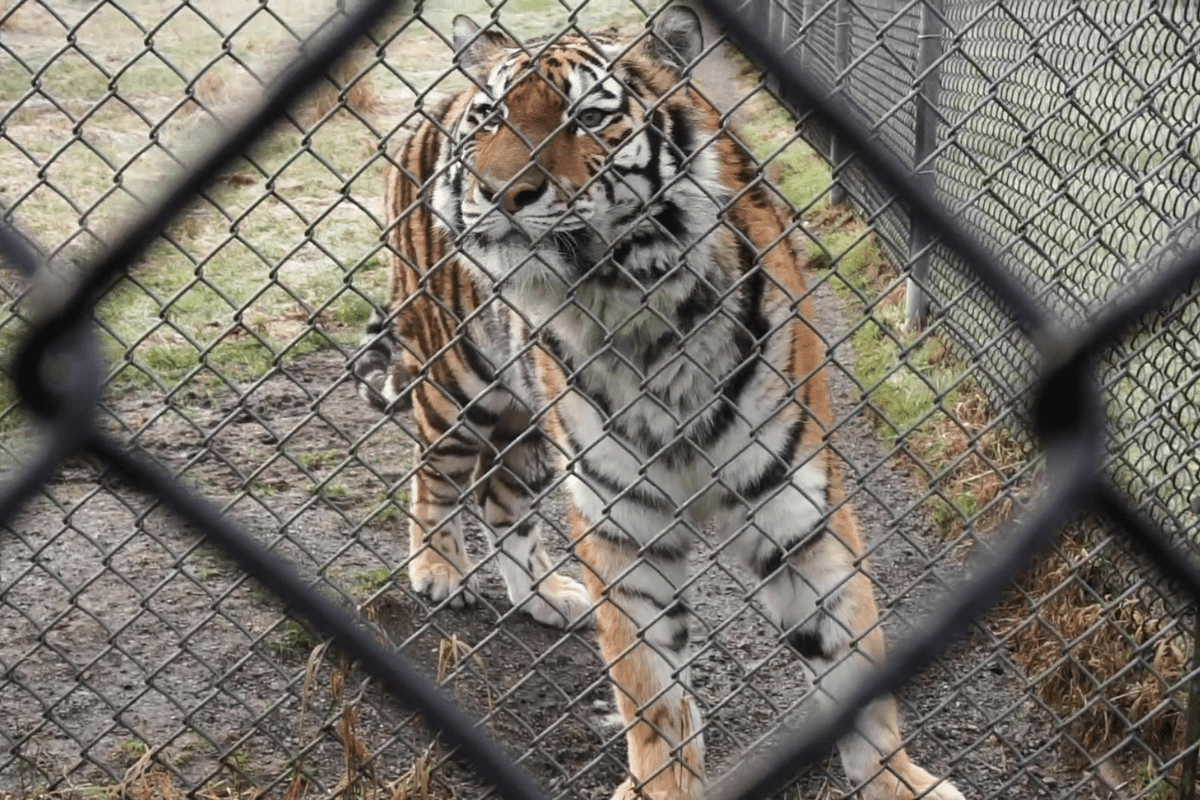
Erin: I think on average, and a lot of the peer-reviewed evidence that I’ve seen, is that on average, not a lot. A lot of the kids who report learning after visiting the facilities are generally from families or kids that already have an interest in the natural world, already have an interest in sort of environmental sciences that’s often passed down to them by family or friends, and that these facilities rarely inspire new interest in people. And unfortunately, you know, what we see on average is that what kids remember is saying it was fun to see the tigers. They don’t remember saying, this is how a tiger behaves in the wild. These are the threats that tigers face in the wild.
This is what we need to do to protect tigers. So, it kind of misses the mark. And I know one of the most disappointing things that I saw when I was visiting roadside zoos last year was we would see school buses full of kids arrive at these already substandard facilities, and then half an hour later, all the children were on the playground.
So, it didn’t even matter that they’d come to see these animals or reportedly learn about these animals. They were more interested in hanging out with their friends and playing outside, which is absolutely what kids should be doing.
Chantelle: Yeah, that’s a great point. I was at the Greater Vancouver Zoo to check out the facilities and see how the animals are living and behaving. And I was at the tiger exhibit where there’s this tiger who is stuck by herself in this cage for years. There was a child walking by surrounded by these big cat enclosures, and there were all these animals to see. These animals spend all their time in these enclosures so that children could come and see them. And this child was walking by and saying, why are we here? Can we go back to the dinosaurs? And the dinosaur exhibit does not even have animals, obviously, because it’s just this exhibit with animatronic dinosaurs that are more interactive.
That is quite an engaging exhibit, but it really shows that you don’t need to have live animals for children to be interested. You need to engage them in the things that they’re interested in. So, if there were other ways that these facilities were teaching children about animals, say like animatronic animals or holographic shows, I’ve seen that done as well. There are so many other ways to see animals without having the animals need to be there for their entire life experience.
Erin: That’s an excellent example, is that, you know, often the argument that kids in particular need to see these animals to learn about them or to inspire awe about them is totally untrue. If you’ve ever asked a five-year-old their favourite dinosaur, they can tell you all about it, the specific name, they will absolutely call you out if you get it wrong. And of course, none of them have ever seen a dinosaur.
Changing minds with curiosity and compassion
Amy: Many of us grew up going to zoos, marine parks, having pony rides, other animal attractions without questioning them. And maybe I’ll share one other story, certainly because I feel like I’ve experienced a bunch of these different animal exhibits, and I have had sort of some changes in how I see things or had to work through what I felt when I saw things.
So, one example is in the place where I grew up in New Hampshire, there’s a place called Clark’s Training Post that has bears and they’re doing tricks. And so, they do a whole performance where they’re being fed ice cream cones as a positive reward, and they’re swinging on the swings and they’re pushing things around. And, you know, it’s positive reinforcement-based and it’s cute. And, you know, for me, that was this confusing thing where I went, well, these bears live a long time and everything’s positive reinforcement, but something still feels wrong about this. And it’s only once I started working in the field that I really understood, okay, you know, what’s the full picture? What are the bears experiencing? What are their habitats like outside of this moment? What does being forced to perform do for them? So many questions about them and their experience.
Have your own views changed over time as you’ve worked in this field? And was there a moment that shifted how you saw these experiences? And I’d be happy to hear both from Erin and Chantelle on this.
Erin: Yeah, I always say to people, you know, we never judge or shame folks for what they did in the past when they didn’t know better because, you know, I was definitely a kid who has been to zoos. I went to Marine Land when I was a kid, and now it’s been a huge part of my own work in, you know, basically encouraging places like that to shut down and advocating for better protections against those facilities. So, I think it’s just important that when we know better, we do better.
But for me, I think, you know, most of my love of animals and my understanding of them comes from, you know, my grandfather and my Syilx culture. So, I was basically raised in my grandparents’ backyard, and my first exposures with their animals were in the wild. And, you know, seeing them do all their natural behaviours and learning how to coexist with them.
And I think the older I got, the more it just didn’t feel right that this was the relationship we had with them. And it felt very exploitative and it felt not true to how I viewed the role of animals in our culture and in our world, and it didn’t feel good. So, I don’t know that I can pinpoint one specific example, but, you know, I do think a lot about my childhood and how I was raised watching wild animals be wild animals and learning to respect that from my whole life, basically.
Chantelle: Yeah, I completely relate to that experience. I was really interested in animals as a child, so I just sought out every opportunity to be near them. And my parents also helped me seek out all opportunities, which included opportunities that were not good for the animals. So, I have pictures of me at a petting zoo feeding captive deer. I used to go to the zoo. I went to the aquarium all the time.
But those weren’t the only places that I engaged with knowing about animals. And I wouldn’t say that they were a main part of why I got into this work. I read books about animals. I adopted a cat. I had all these different experiences where I was seeking out animals. I was watching for wildlife when we were going on walks. I was looking for frogs and birds and squirrels. So, there’s all these places that I was engaging with animals. And then as I grew older, I started to kind of pick and choose which activities I was engaging in that felt more wrong than others.
So, I would say, okay, well, the aquarium seems like it’s fine, but the zoo maybe seems like it’s not as good. And I’m okay eating some meat right now, but I feel like veal is maybe a meat I shouldn’t be eating. And it was just a very gradual thing where I finally realized that kind of any exploitation of animals is something that I’m not okay with happening. So, I don’t engage in those activities anymore. I’m vegan. I really had a moment where I was looking more into these activities and what they mean and what the experience is for the animals.
And I do carry some guilt that I engaged in those activities because I did contribute to a system where animals were being exploited. But I also recognize that there’s a journey where you go from what is okay in the general public and what feels like it’s acceptable within your culture to recognizing what the realities are. But I think that experience of carrying some guilt is fairly common when people learn more about these issues because these experiences seem like such a normal part of childhood and you learn more about them and you realize that they’re not okay. So, I’d like to ping this back to you, Erin, and Amy as well. How would you approach a conversation where someone is feeling that kind of guilt or defensiveness?
Erin: Yeah, I think you said the feeling of guilt is normal. And I always try to approach it with some compassion and say like, you know, when you didn’t know, you didn’t know. We can’t hold that against ourselves.
Although I should tell myself the same thing because, of course, I feel the same way in, you know, so many different instances. But what’s really important is that, again, that sense of when we know better, we do better.
And I think that defensiveness on the flip side kind of comes out when people don’t want to hear or aren’t open to maybe hearing some different opinions. And the result is a feeling of like, well, I’m a good person, so what I did couldn’t have been wrong. But acknowledging that even if, you know, you didn’t make exactly the right choices, that you’re still a good person. It doesn’t mean that, you know, just because this experience happened in your past or we know that shifting social norms has a profound effect on folks.
I think I always encourage people to lead with curiosity rather than judgment. So, I know in my own life when I’ve been confronted with challenges, what I try to do, especially the scientist in me, is understand, oh, like you’re saying that this belief I held is wrong or that something’s not true or that something’s different than the way I expected it. Like let’s, you know, try to talk about it. Or if I’m feeling uncomfortable in the moment, I may just say, okay, but then I’ll take it home and sort of do my own background work to try and understand the issue a little bit better in all the different angles. But I would also say with that, so don’t judge yourself on things you couldn’t have known and always lead with curiosity over judgment.
Chantelle: That’s great advice.
Amy: Yeah, I think guilt and judgment are so closely linked and certainly associated with the values that we hold. And as our values grow from what we learn, those things show up in different ways.
And I think it applies to so many areas of animal protection, whether it is what we eat, whether it is how we train and keep our pets, whether it is, you know, what activities we’re doing when it comes to tourism, whether we’re choosing to, I don’t know, ride a donkey or a camel just for the fun of it. You know, there’s such a range of things to reflect on in our decision-making around animals.
And certainly, there’s a lot of self-forgiveness that has to happen when you think about what you have done, what your past experiences have been, and then also kindness and empathy for others that are going through that process. And I still don’t always know how to handle situations, and they do come up.
I was wearing a shirt with a raccoon on it, and a woman came up to me and she said, oh, you like raccoons? I have a raccoon in my car right now. I’m going to bring the raccoon to the climbing area with me. And so, she has a pet raccoon. She explained that the raccoon had been domesticated. They’ve been trying to domesticate these raccoons over 30 years. And so, it was one of those situations where I was like, oh, I really wish I wasn’t wearing a raccoon shirt right now because I wish I didn’t know that this woman has a raccoon in her car. And I just, I remember being in that conversation and trying to find that line of not normalizing her behavior, of showing curiosity, but also really not knowing what to say.
And I think it’s okay to have those moments and they’re going to happen. And it’s also about like taking those moments and then reflecting on them later where maybe you didn’t know what to say when your friend said that they took picturesor, you know, with like a drugged tiger or when a person talks about visiting a sanctuary, but it doesn’t sound really like a sanctuary and it sounds more like wild animals are being kept for entertainment. You know, these things happen all the time. And it’s just about thinking about how you would want someone to talk with you about it and how you can approach something with curiosity and kindness while still holding to your values.
And so as much as possible, I think reflecting on these things in advance and sort of having these almost like having conversations in your head sometimes and practicing the skills of being able to both be curious but also share about your experiences, your boundaries, what you’ve learned in a kind way is really important because that’s where social change happens in the situations where people do not feel defensive when they’re met with curiosity and then they can also meet your perspective with curiosity. And it is really hard to do that. And certainly, in a way, I think as animal protectors, as people who care for individual lives of animals, that’s our biggest job is to get into a practice of having those conversations in a connecting way.
Erin: It’s a good point. Social change, we think about happening in, you know, government buildings and parliament, but social change also happens in living rooms, at coffee shops and bars and all those tough conversations.
Better ways for families to experience wildlife
Chantelle: For listeners who are thinking about these things and they want their children or their grandchildren or they want to talk to friends about the activities their friends do and making sure that they still have access and connection to animals and nature, what are some more compassionate and animal-friendly alternatives you’d recommend?
Erin: I think at the local scale, one thing that we’re losing, especially as we’re facing increased urbanization, is exploring the wonder of nature and animals in your own backyard. So many people don’t get to experience that the way that, you know, even I did growing up with a forested backyard.
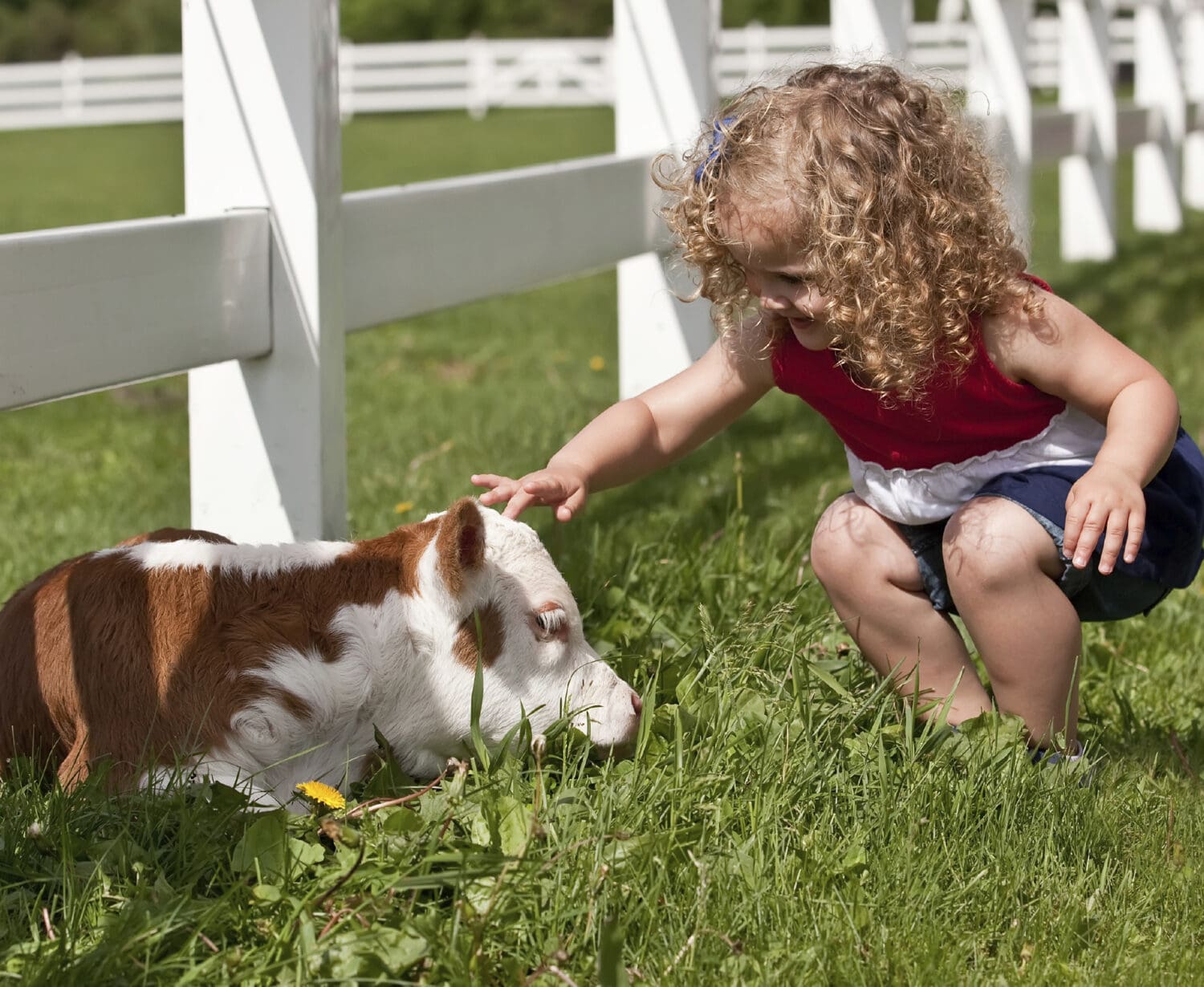
So, finding ways that you can engage with local naturalist societies for different wildlife viewings that may be closer to home rather than in sort of faraway places. But then also looking for sort of those genuine rescue and sanctuary models. And unfortunately, the reality is many of those places, by nature of the work they do, may or may not allow visitors for the protection of the animals. But there are certainly models where, you know, they’re primarily doing wildlife-friendly viewing rather than direct interactions. I would say that anytime you’re directly handling or interacting with an animal, that’s generally a red flag.
Chantelle: Oh, that’s a great point to bring up, red flags that people can look for when they’re going into looking at these activities. Are there any other red flags that people can look for if someone is unsure whether an activity involving animals is ethical?
Erin: So, I think that direct interaction is one. There’s also the aspect of even if it’s not the person or the visitor handling, how do the people handling the animals interact with the animal? Are they being, you know, their authentic selves? Are they kind of being forced to perform, in an example Amy gave, are they forced to perform tricks or sort of performances? Like are they brought near a stage? Those are typically red flags.
If there’s any type of photo opportunities, I generally call that a red flag. Any opportunities to feed animals, it doesn’t always fall into direct interaction because you may not be hand-feeding animals, but encouraging, even throwing food can be a form of sort of coercion.
And I would also look for, does the animal have somewhere to hide? Because if there’s nowhere in their enclosure that they can get away from guests, I would also say that that’s a red flag that’s built for the guests and not for the animals. I think green flags are definitely those places that are observation only where animals are more or less behaving as they would and they have their own choice of whether they want to be seen and what they want to do when they’re out of their enclosures or roaming about.
Chantelle: Those are really helpful tips. Thank you, Erin.
Amy: So, what are some things people with children in their lives can do to help normalize a kinder, more animal-friendly summer break?
Erin: I would encourage folks to check out local options. So, engaging, again, local societies, local naturalists, local wildlife viewing, and finding options there. But then also looking for those types of experiences where either it’s observation only or maybe it’s a purely educational experience. I know I always wanted to be a kid who went to summer camps and I was not, but looking for that type of option would be really good.
Amy: Yeah, absolutely. This has been a really helpful and interesting discussion. I’m really glad that you were here for it and I hope that everyone listening at home found it helpful as well.
Chantelle: Erin, you’ve highlighted some great actions people can take at home to look for red flags and to look for kinder alternatives. Another quick thing you can do is if there’s an animal attraction near you that you’re concerned about or that people don’t realize is harmful to animals, just share this podcast episode and other information about animals used in entertainment with your local community or parenting groups.
Other resources:
Podcast: Captivity laws and practices in Canada
Podcast: Animals sold in takeout containers? A look at Canada’s wildlife trade
How to spot red flags when animals appear in media
Share on social media:
Thank you again so much for having this conversation today, Erin and Amy, and thank you to everyone at home who’s listening. We hope to see you again next month as we talk about more ways that you can be an ally to animals.