The B.C. government is seeking a five-year approvalfor a continued wolf cull program, which if granted would total 12 years of killing wolves in a bid to recover caribou herds decimated by habitat destruction. Since the B.C. government started killing wolves in 2015, 1,429 wolf lives were taken by aerial weapon use.
Scientists confirm there is no statistical support for this measure and that the study used to support this policy is flawed.
For tips on filling out the survey, consider the following suggested responses to support humane conservation efforts:
Page
Question
Suggested response
1
N/A
Review as desired, scroll to bottom, click “Take the survey“
2
N/A
Review as desired, scroll to bottom, click “Next”
3
1. Since the 1990s, B.C.’s caribou population has declined from 40,000 to approximately 15,000. What do you consider to be the three greatest causes of this population decline?
Responses related to habitat destruction and urbanization
2. How important is the recovery of caribou in B.C. to you?
“Very important”
3. Why is caribou recovery important to you?
Respond as relevant
4
1. Do you spend time in areas where predator reduction for caribou recovery is being considered?
Respond as relevant
2. Are you aware of the reasons the Province of B.C. states for the need to reduce predators to recover caribou?
“Yes”
3. Do you agree predator reduction is a necessary action for caribou recovery?
“Strongly disagree”
3a. If you disagree with predator reduction for caribou recovery, please tell us why?
“It is inhumane”; “Other” responses can indicate there is no statistical support for this measure
4. Are there any herds that you feel should be added to or removed from predator reduction for caribou recovery?
Respond as relevant
5. What other caribou recovery actions do you feel are important to implement?
Responses indicating habitat related actions first, and conservation breeding/maternal penning/predator reduction last
All remaining questions
Respond as relevant & complete the survey
Thank you for taking the time to speak up for wolves!
This action has now ended. Thank you to the 6,315 advocates who used the quick action to call for meaningful changes for sled dogs. Please see the Current Campaigns page for more ways you can help animals used for human entertainment.
Sled dogs continue to suffer due to outdated industry rules
Join us in calling on the B.C. government to update the “Sled Dog Standards of Care” regulation.
More than 10 years after the infamous 2010 killing of 56 sled dogs in Whistler, sled dogs are still suffering in British Columbia.
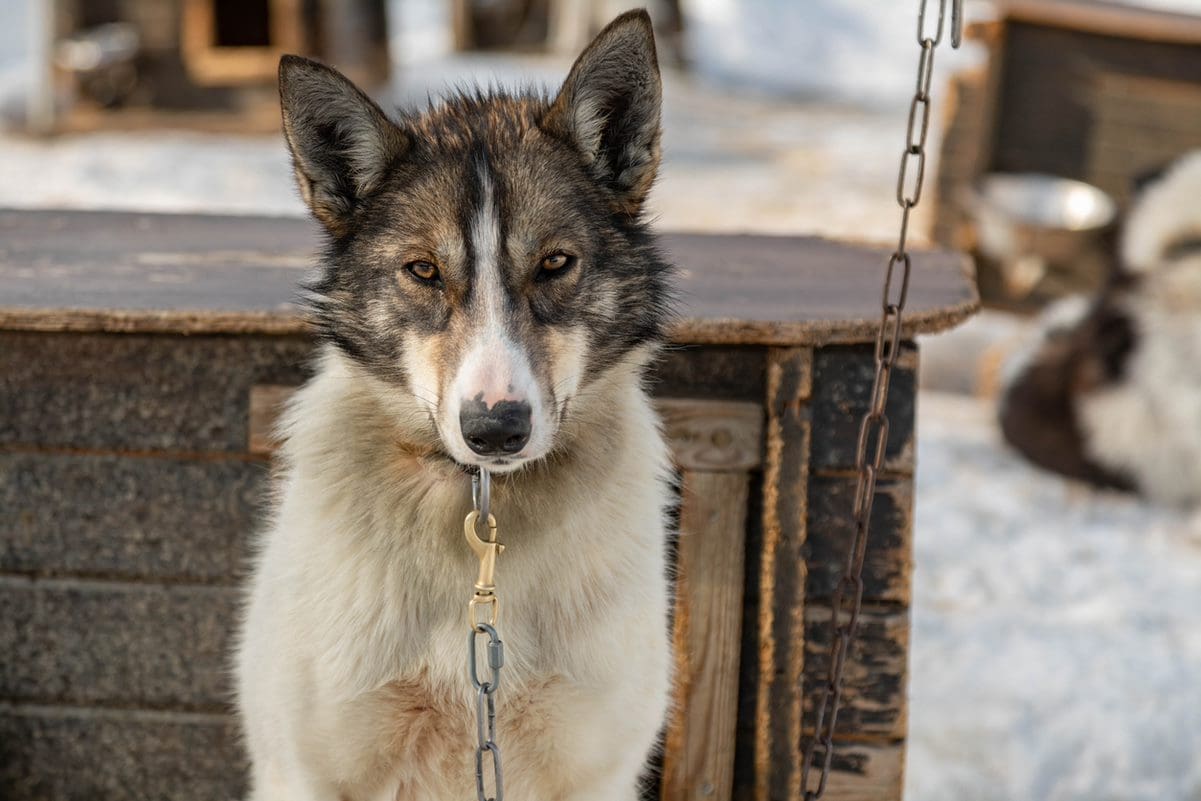
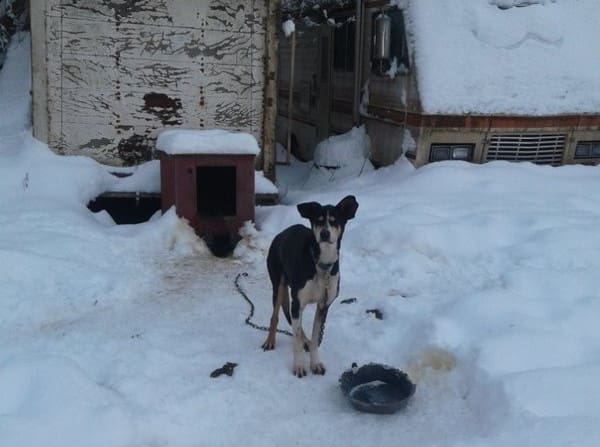
A W5 investigation, “Dogs in Distress”, exposes the commercial sled dog industry in Canada, highlighting evidence of dogs chained outdoors for prolonged periods; repetitive pacing behaviour; and inhumane forms of euthanasia.
In February 2021, the BC SPCA seized 40 dogs in distress from Spirit of the North Kennels, a West Kootenay sled dog operator, citing concerns including inadequate shelter, hypothermia, suspected dehydration and stereotypic behaviour by the dogs, which is a purposeless repetitive action indicating extreme boredom and frustration.
Meanwhile, video taken by people concerned for the well-being of the dogs and provided to VHS allegedly shows dogs at another sled dog facility, Blackcomb Dogsled in Whistler, being held in cages and on tethers in a barren yard.
The dogs appear to be showing stereotypic behaviour and can be seen pacing back and forth in cages and repeatedly running in circles around the posts they are tethered to.
TAKE ACTION: https://vancouverhumanesociety.bc.ca/?p=21394 More than 10 years after the infamous 2010 killing of 56 sled dogs in Whistler, sled dogs are still suffering in British Columbia. Video taken by people concerned for the well-being of the dogs and provided to VHS allegedly shows sled dogs being held in cages and on tethers in a barren yard at a kennel operated by Blackcomb Dogsled, a Whistler-based sled dog tour company.
No dog should have to live like this. B.C.’s Sled Dog Standards of Care Regulation, introduced after the deaths of the 56 sled dogs in Whistler, still allows dogs to be tethered for more than 23 hours a day. The standards also allow sled dog tour companies in B.C. to shoot surplus sled dogs, provided the operator has “made reasonable efforts to rehome the sled dog, but those efforts have been unsuccessful” and the operator follows certain guidelines.
The provincial government needs to update the regulation to, at the very least, conform to the Canadian Veterinary Medical Association’s 2018 Code of Practice for Canadian Kennel Operations, which states that “Tethering of dogs (i.e., chains or ropes used to tie the dog to an immoveable object such as a stake or building) is not allowable as a method of confining a dog to a primary enclosure, nor as the only means of containment.”
The Kennel Code also requires that: “Dogs are housed in such a way as to allow them to display natural behaviours, to socialize with or without other species of animals and humans, as appropriate, and to protect public safety.”
If the B.C. regulation conformed to these requirements of the Kennel Code it would put an end to the tethering of sled dogs by tour companies.
Please use our simple email tool below to send a message to B.C. Minister of Agriculture, Lana Popham, who is responsible for the Sled Dog Standards of Care Regulation. You can also sign the pledgenot to take part in sled dog tours.
4,759 individuals signed onto the VHS’s letter to the Ministry of Environment. Thanks to the strong public call for change, the B.C. government announced permanent restrictions on some of the deadliest rodent poisons. Despite this important step in the right direction for wildlife, more work is needed to protect animals. Learn how you can support going beyond the partial ban.
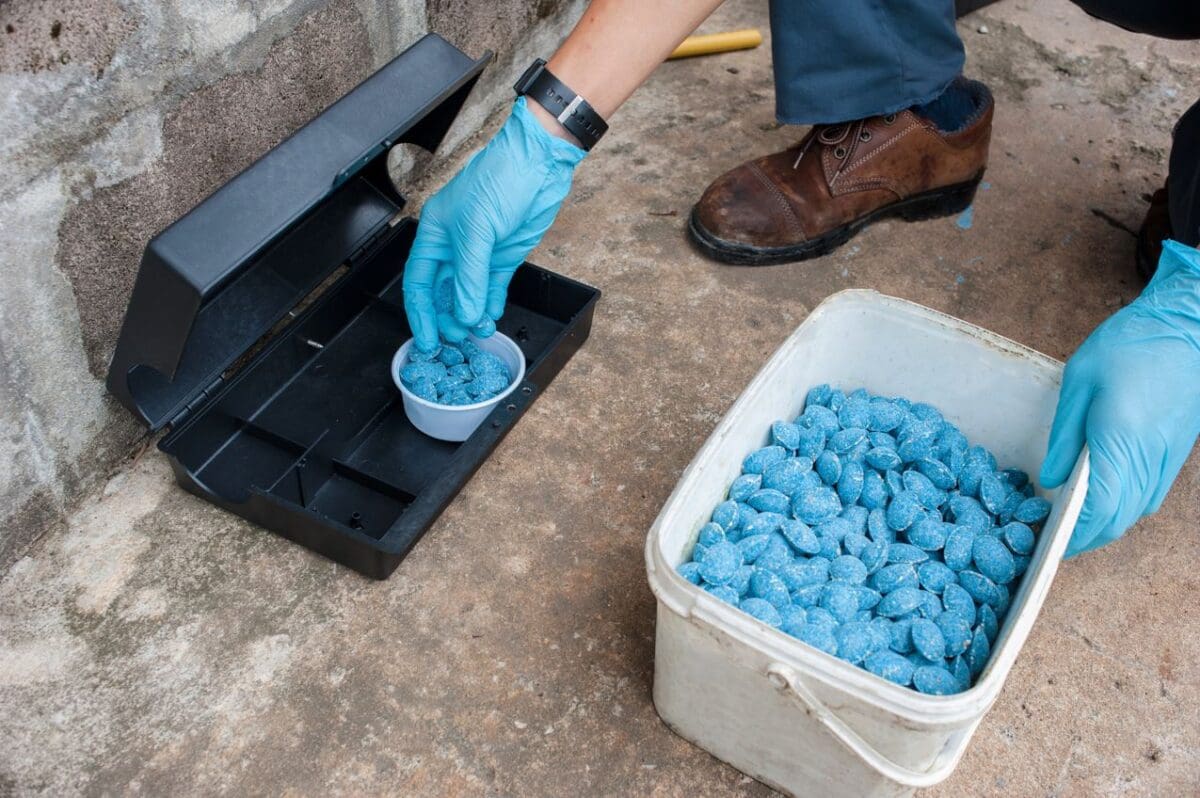
Rodenticides are highly toxic poisons that cause a slow and painful death for the rodents that consume them and can severely injure or kill any scavengers, predators or pets who encounter the poisoned rodents. In fact, B.C.-based Orphaned Wildlife Rehabilitation Society (OWL) noted that a few years ago a blood test study found that more than half of the animals in their care had poison residue in their system.
Effective July 21, 2021, the B.C. government enacted an 18-month partial ban on second-generation anticoagulant rodenticides (SGARs), citing the serious risk they pose to the public, pets and wildlife. This means SGARs cannot be used in or around most residential buildings, offices, parks, schools, or non-food retail shops. Unfortunately, gaps in the ban and an apparent lack of enforcement continue to leave wildlife at risk.
VHS welcomes this 18-month SGAR ban as a first step and is calling on the B.C. government to take further action to address rodenticide use across the province.
Add your signature in support of VHS’s letter to the Ministry of Environment
Add your signature below in support of VHS’s request that the B.C. Ministry of Environment take additional action to ban rodenticides. VHS has delivered a letter outlining our recommendations and we will keep Ministry decision-makers updated on the total number of public signatures in support of the campaign.
*The petition form will only accept Canadian postal codes. If you reside outside of Canada, you can send a message directly to B.C.’s Environment Minister, George Heyman, at ENV.minister@gov.bc.ca
This action has now ended
4,759 people used this tool to sign their support for a rodenticide ban. Thank you for taking action!
The SGAR ban is specific to poisonous baits containing brodifacoum, bromadiolone or difethialone. Use of SGARs is now prohibited, but with a long list of exemptions for what the government has deemed to be essential services, as well as agricultural operators.
Essential services are categorized as public health and safety; critical infrastructure; food supply; transportation; sanitation; communications and information technology; and mortuary services. For specific business types that qualify as exempt from the ban, visit the B.C. government website.
Given the list of exemptions, including in locations where there is a lot of active wildlife such as at a garbage dump or recycling facility, it remains to be seen how effective this ban will be at significantly reducing the widespread use of SGARs and their negative impacts.
While the use of SGARs for non-essential services is prohibited, the ban does not prohibit other dangerous rodenticides from being used. This includes first-generation anticoagulants (FGARs), such as chlorophacinone, diphacinone, and warfarin, and neurotoxins, such as bromethalin. These rodenticides pose a similar threat to the public, pets and wildlife.
What’s next?
VHS is advocating for the B.C. government to ban all rodenticides and to reassess and shorten the list of exempt users. VHS recommends that the remainder of the 18-month temporary SGAR ban be used to plan the phase out of rodenticides, in favour of humane alternatives for lethal management and preventative measures that address the underlying causes of conflict with rodents. VHS encourages the B.C. government to prioritize and invest in research around new and emerging humane alternatives and set goals and targets for shifting away from rodenticide use overall.
It’s also crucial that the government proactively enforce the current SGAR ban to ensure prohibited rodenticides are removed in a timely manner from locations where they are no longer permitted. The government must also take steps to educate the public about these restrictions and how to identify what is in bait boxes.
VHS submitted a letter to provincial decision-makers, outlining recommendations for a comprehensive rodenticide ban.
Help raise awareness within the community about the current SGAR poisons ban!
Share this link to the B.C. government’s website, outlining the details of the ban. Send it to your strata or building manager, the principal and other school administrators at your school, the building manager at your office, and anyone else who should be made aware of the ban.
Support citizen science projects related to rodenticides:
Identify and report the use of banned rodenticides
Take action to report banned rodenticides being used in your community.
Report dead wild birds
Report wild bird deaths to the B.C. government’s wild bird mortality hotline at 1-866-431-BIRD (2473). Click here for more information.
Support citizen science being done to track wild bird deaths by contacting Deanna Pfeifer at dgpfeifer@shaw.ca. Please take photos or videos of the deceased bird and note the date and location. Follow the steps outlined here to safely handle and store the bird.
Find humane alternatives
There are many humane and sustainable alternatives for managing conflicts with rodents which do not cause prolonged suffering or harm natural predators of rodents.
For the most effective solution, focus on prevention. Addressing attractants, such as open garbage, compost bins, fallen fruit or bird seed, and fixing structural flaws and access points in buildings that provide sources of food and shelter for rodents is central to solving human-rodent conflicts.
Meanwhile, a variety of poison-free alternatives and new and innovative technologies are being tested and piloted in communities, including rodent contraceptives. If lethal management is still needed, high-quality snap traps and captive bolt traps that are appropriately sized for the type of rodent can cause a quick death.
2021 is the first year that animal protection is being widely recognized as an election issue in Canada, with commitments made by a number of parties on animal issues.
This is great news for the growing number of Canadians who would like to see a more compassionate country for all who live here. In fact, a 2021 survey from World Animal Protection found that 70% of Canadians believe animal protection and welfare are somewhat or very important issues in terms of deciding who they will vote for.
You can find an overview of the animal issues being raised by advocates this year and links to all five of the main political parties’ platforms in this post from Humane Canada. The 2021 policy platform from Humane Canada offers recommendations in the following areas:
Legal framework and governance
Canada’s legislation lags behind other countries on the international stage, from the UK’s recognition of animals as sentient beings to Mexico’s recent ban on cosmetic animal testing. Recommendations in this area include creating a ministry or interdepartmental group as the central hub of animal protection in federal government.
Public safety
Evidence shows that there is a link between violence against animals and violence against humans. By formally recognizing the Violence Link, Canada can begin to take steps to ensure better public safety for both humans and animals.
Companion animals
Companion animals are a key part of many families in Canada; they share our lives and homes and offer many mental health benefits. One of the recommendations for companion animals involves ensuring access to veterinary care. Currently, people who are living on a low income who cannot afford veterinary care are often forced to make the difficult choice to surrender their beloved animal to a shelter in order to get the care they need. This practice harms both the human and the animal by breaking up their bond and discounting their mental health. The Canadian government can improve access to these essential services by implementing a federally supported preventative and affordable veterinary care strategy.
Farmed animals
Canada’s regulations around the protection of farmed animals are in need of updates and adequate enforcement. Recommendations include addressing outdated and inhumane practices currently being used in animal agriculture, such as painful confinement and excessive travel times. Animal advocates can also reduce the suffering of farmed animals by calling on the government to support a transition to and subsidies for more sustainable plant-based farming.
Wild animals
Zoonotic disease (disease transmitted from animals to humans) from wildlife accounts for at least 70 per cent of all emerging diseases, including COVID-19. The Canadian government must take action to end Canada’s part in the cruel and dangerous global wildlife trade in order to improve the well-being of animals and reduce the risk of future pandemics.
Here is how you can use your voting power to speak up for animals.
Take action
1. Call on your local candidates to commit to action for animals both during and after the election.
The quick email tool to candidates has now ended. Please see the homepage for the current actions you can take to help animals.
2. Watch the animal protection debate to hear each party’s stance on animal protection.
The animal protection debate was hosted by Animal Justice, Montreal SPCA, Nation Rising, Vancouver Humane Society, and World Animal Protection on Sunday, September 12, 2021 at 4:00 p.m. PST. All parties with representation in Parliament were invited to participate. The debate was moderated by journalist Holly Lake.
You can watch a recording of the debate below:
3. Call your candidates to ask that they make animal protection a priority.
You can find the contact information for all your local candidates on the Elections Canada website. Type in your postal code and select “Who are the candidates in my electoral district?”
4. Share this page on social media with #IVoteForAnimals
5. Vote on election day!
Vancouver Humane Society is committed to working with the winning candidates to build a kinder Canada for all animals.
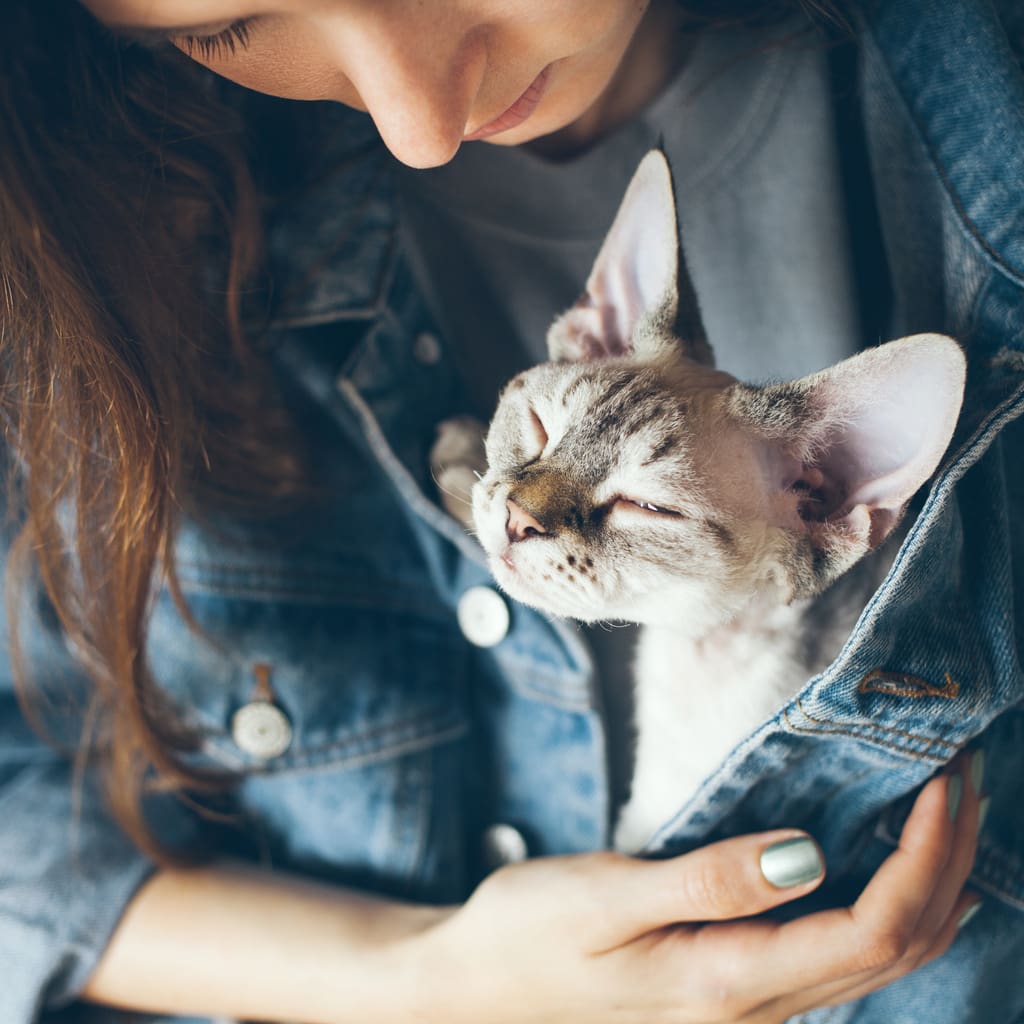
Cat is feeling happy and safe together with its owner. Selective focus
Helping Women and Pets in Crisis – Please donate to help keep this program operating
Over the past year, the Vancouver Humane Society has been partnering with women’s support agencies across B.C. to break down housing barriers. We need your support to keep this program operating in order to help women and animals like Mariam and Odin.
Mariam and Odin’s story
“It is difficult finding places that allow pets,” says Mariam, a client of the program whose name has been changed for privacy, “especially with non-refundable pet deposits which take away the limited income I have per month.” Mariam’s family is familiar with this struggle; her sister has already given up a cat because she couldn’t afford anywhere that would allow a pet to live with her.
Thankfully, the Helping Women and Pets in Crisis program covered part of Odin’s urgent veterinary costs so that Mariam did not need to shoulder the financial burden alone.“That took away the worry about being able to afford the next couple of months, knowing we won’t have to struggle for a while.” Your donation today will:
– Cover the cost of preventative care, including deworming, de-fleaing and vaccinations, to ensure that frequent changeover within the facility does not lead to zoonotic disease issues. – Ensure that cats, dogs and small animals experiencing experiencing urgent medical issues will receive the veterinary treatment they need. – Positively impact the lives of vulnerable women and pets by providing a financial safety net and the care and support they need in order to access safe housing.
2,893 individuals used the quick action tool to send an email directly to decision-makers. On November 5, 2021, the B.C. government announced that the Province would begin the process to phase out mink fur farms, with a a permanent ban on live mink on farms by April 2023. VHS will continue to monitor the situation, including opportunities to advocate for a ban that applies to all fur farming.
Recent media reports of the spread of COVID-19 on B.C. mink farms has exposed the cruelty and danger inherent in the province’s fur farming industry. Please send a message to your MLA to urge a ban on this unnecessary and inhumane industry.
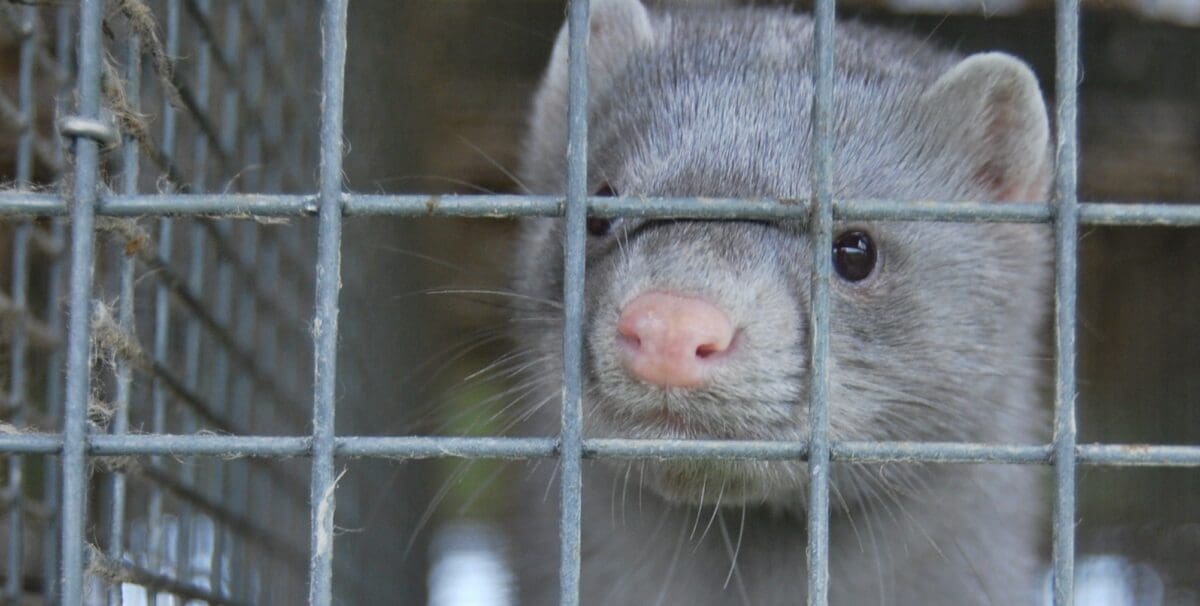
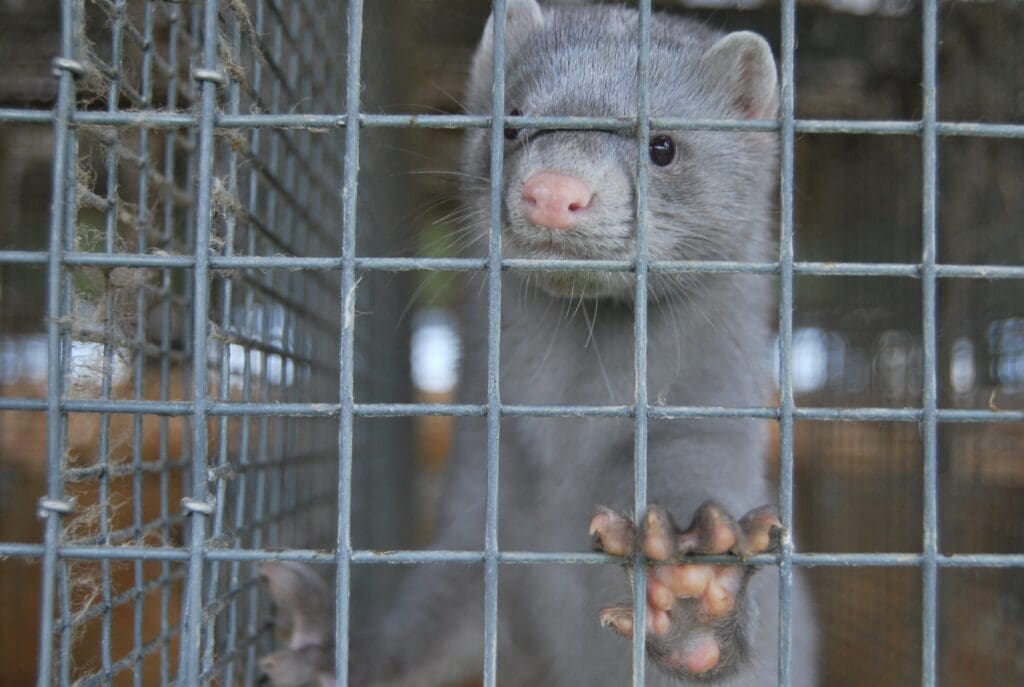
Industrialized fur farms in B.C. confine thousands of mink in cramped conditions that deprive them of the opportunity to engage in natural behaviours. Mink are semi-aquatic animals yet they are held in tiny wire cages without access to water for foraging. A cage for a single female mink measures only 8 inches (width) by 15 inches (height).
Mink spend their entire lives caged until they are killed in gas chambers filled with carbon monoxide. All this is for the sake of making products for the fashion and cosmetics industry.
Video footage of Canadian fur farms obtained by The Fur-Bearers has shown animals exhibiting self-mutilation, cannibalism and repetitive behaviours caused by the stress of confinement.
In addition to the fur industry’s cruelty, there is a threat to public health, as outbreaks of COVID-19 emerge on mink farms around the world. Here in B.C., the virus has been found on two mink farms, with infections occurring in both animals and farm workers. Scientists fear that such outbreaks could lead to dangerous mutations of the virus. Escaped mink from farms are a potential threat to wild populations, increasing the chance of further virus mutation and spread.
Now is the time for the provincial and federal governments to end the cruel and dangerous fur farming industry. This is also an opportunity for government to support farmers in transitioning to humane, healthy and sustainable alternatives, such as plant-based agriculture.
Please take the two actions below to support a fur farming ban at both the provincial and federal levels.
Please tell the Minister of Agriculture; the Minister of Health; and the President of the Canadian Food Inspection Agency to fully enforce the Transport of Animals regulations, including issuing appropriately sized fines.
This action has now ended
2,893 people used this tool to send an email to decision-makers. Thank you for taking action!
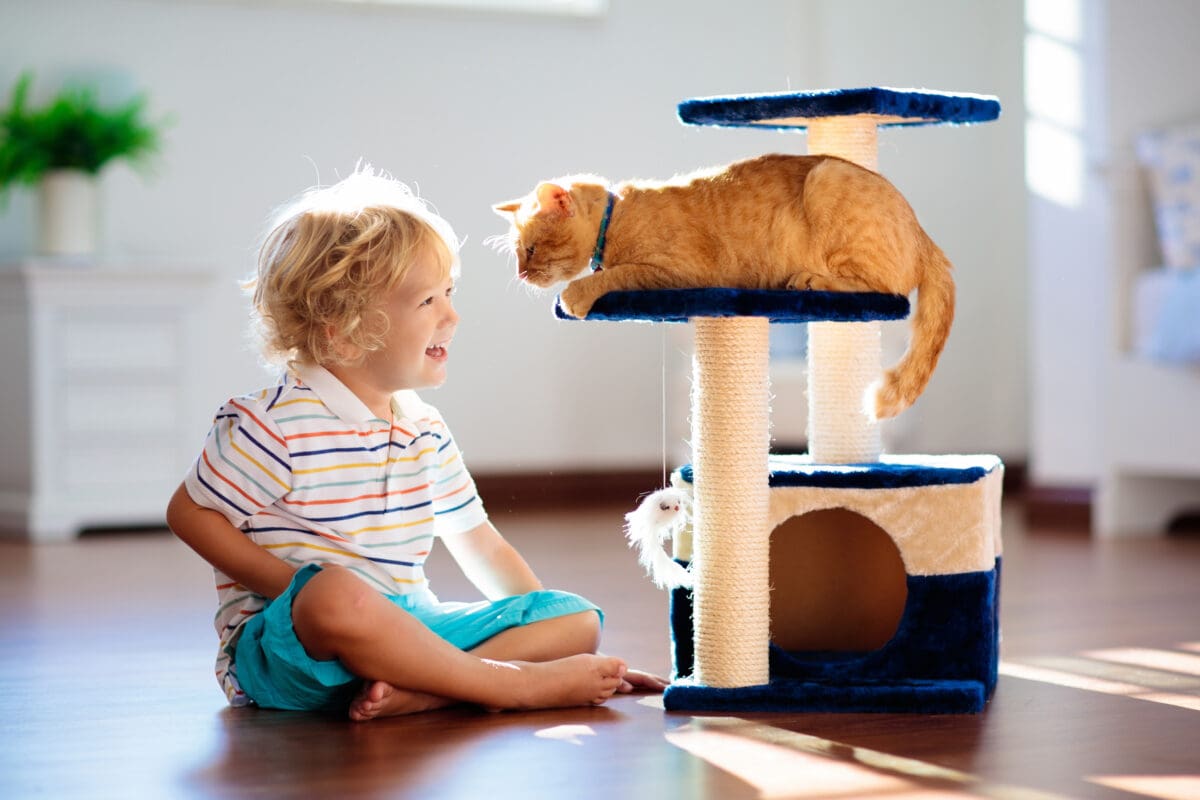
Child playing with cat at home. Kids and pets. Little boy feeding and petting cute ginger color cat. Cats tree and scratcher in living room interior. Children play and feed kitten. Home animals.
Looking for animal-friendly activities for kids? Try these 5 activities to help your children develop a love of animals!
There is something special about the bond between children and animals.
Children are fascinated by animals; they are able to connect with them on an emotional level and empathize with their perspective. Having empathy for animals helps children to grow in a number of ways. Children who learn to respect animals also:
develop a respect for other lives
learn to read nonverbal cues
develop lifelong compassion
But how can parents and caregivers help children foster a love of animals?
This question has come up recently in the Lower Mainland, where the City of New Westminster launched a public consultation seeking feedback and ideas from residents for alternatives to the Queen’s Park petting farm. This is a great move toward more animal-friendly public spaces; you can read more about why replacing the petting farm is a win for animal welfare and public health and safety in our latest blog post.
Luckily, there are many ways for children to develop empathy for animals outside of petting farms. Keep reading for more ideas!
1. Go for a wildlife walk
New Westminster and the rest of the Lower Mainland are filled with beautiful walking trails! You can also spot many species of urban wildlife like squirrels and pigeons around the city. Try visiting a local trail or park to look for birds, squirrels, frogs, and other small wildlife.
Seeing wild animals can give children the same sense of wonder as seeing captive ones—without causing animal suffering. Bonus: this activity has an added educational element! Viewing wildlife from a distance helps children to understand that humans share our environment with many animals who should be given space and respect.
See for yourself what it looks like when the orcas in British Columbia’s Johnstone Strait take part in the unique behavior called “beach rubbing.” Watch live and learn more about orcas on Explore.org @ https://goo.gl/sYStfy. EXPLORE is the largest live nature cam network on the planet.
Looking to learn about other ecosystems and animals a little farther from home? There are many webcams set up around the world to observe wildlife in their natural habitats, like this daily live safari or these orca cameras right here in B.C.
Talk about what the animals are doing, such as looking for food to eat or caring for their babies. Caregivers can also introduce children to the concept of conservation by explaining that it’s important to have spaces in nature where animals can live free.
3. Visit a farm sanctuary
If you’re able to travel a little farther, consider visiting a farm sanctuary or even volunteering! Farm sanctuaries value compassion for all living beings, so children can learn about having empathy for animals and creating a kinder world. You can find a map of farm sanctuaries near you from P.E.A.C.E.
If you don’t have the chance to take a day trip, you can still learn all about farm sanctuaries and meet some of the animals with this informative video from The Happy Herd.
4. Interact with companion animals
Having companion animals at home is a great way for children to learn to care for another life. However, not everyone can have animals in their home. If you are able to, consider visiting or meeting up with a friend and their companion animal so your child can meet and interact with them. Families with older children can also check whether their local animal shelter has youth volunteer opportunities.
Interacting with companion animals can help children to learn social skills like nonverbal cues. For instance, teaching a child that a dog wants to be patted when she is nuzzling, sniffing them, and wagging her tail; or that she wants her own space when she begins to walk away.
Relax, sit down, and have a listen to “The True Adventures of Esther the Wonder Pig”. You can also check out a digital copy of the book, FREE of charge, on our website at www.estherthewonderpig.com Enjoy.❤️
Children do not need to touch or even see animals to love them—just ask any kid who is obsessed with dinosaurs! Books do a great job of helping children empathize with characters they would not necessarily meet in their day to day life, including animals. Here are some of our favourite children’s books with animal characters:
The True Adventures of Esther the Wonder Pig (recommended for ages 4-8 years)
Charlotte’s Web (recommended for ages 7-10 years)
Black Beauty (recommended for ages 8-12 years)
After you read with your child, you can help them understand even more about the animal in the story by looking up child-friendly facts about that species.
Looking for more animal-friendly activities for kids?
The Vancouver Park Board is currently seeking public input through an online survey, closing January 28, on an updated “Local Food Action Plan”. The new 5-year plan will outline how the Park Board’s programming and services, which include community gardens; kitchens; food workshops; meal programs; farmers markets; concessions and restaurants, will contribute to a just and sustainable local food system.
This new plan comes at a crucial time, as society continues to deal with the COVID-19 public health pandemic and as concerns surrounding our food system continue to grow. COVID-19 has highlighted and exacerbated existing inequities within the food system. It has drawn attention to the dangerous and cruel nature of factory farms and the risks they pose as potential contributors to future pandemics; the exploitative conditions facing workers and animals on farms, in slaughterhouses and food processing plants; the connection between unsustainable, industrial food production and climate change; and the issue of food insecurity for historically underserved communities.
A growing body of research concludes that a significant shift in diets and food production toward fewer animal products and more plant-based foods is necessary. These changes are needed in order to meet our climate goals, tackle the biodiversity and factory farming crises, and to sustainably feed a growing population a healthy diet.
Food system experts are increasingly calling on all levels of government, including municipalities, to support these much-needed dietary and food system changes through food-related policies, practices and programming. The Park Board’s new Local Food Action Plan is a key opportunity for doing just that. Incorporating and prioritizing more plant-based foods, meals and education in Park Board services, such as meal programs, workshops, events and at concessions and restaurants, will help to support much-needed dietary and food system change. It will also improve public access to healthy, humane and sustainable food options.
If you’re a Vancouver resident, please consider participating in the Local Food Action Plan survey before the January 28th deadline. You’re welcome to use the recommendations we’ve listed below to guide responses about opportunities for the Park Board moving forward, but please be sure to fill out the survey in your own words and based on your own experiences.
VHS Recommendations:
Animal welfare & a “just and sustainable food system” – A truly “just and sustainable local food system” will incorporate not only the protection of people, the planet and public health, but also our social responsibility for the protection of animal welfare. Therefore, a shift toward improving public access to healthy, humane, sustainable and equitable plant-based foods and diets must be reflected in the new Local Food Action Plan.
The role of municipalities – Food system experts are calling on governments, including municipalities, to take action to support dietary and food system change that prioritizes a shift to plant-based in their plans and policies.
Improving plant-based access& education – The Local Food Action plan is an opportunity to improve public access to plant-based foods and diets, as well as plant-based education, through Park Board services such as meal programs, fieldhouse workshops, events, farmers markets, concessions and restaurants.
Expanding resources to under-served communities – The Local Food Action Plan should assess and address gaps in programs and services for under-served communities. This is another area where plant-based food access and education can also be enhanced.
Emergency planning & preparedness – COVID-19 has highlighted the importance of ensuring food security programming is maintained during emergency situations and is adaptable so as to ensure communities are able to continue accessing resources.
Will you support animal-friendly public spaces in New Westminster?
Earlier this year, VHS wrote to New Westminster City Council regarding the Queen’s Park Petting Farm. We shared a briefing note highlighting our evidence-based concerns related to animal welfare, public health and safety, and public education. The note included considerations such as:
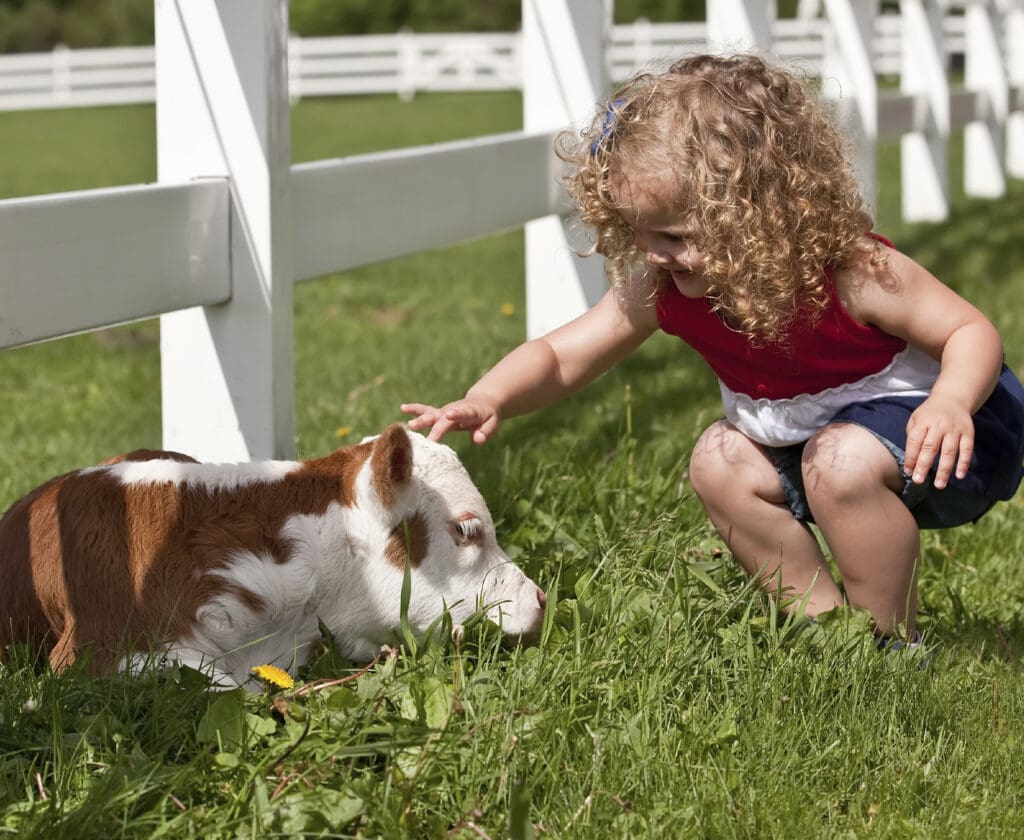
Petting zoos are stressful for animals, who have little or no way to escape from unwanted petting, chasing, noise, and crowds.
Studies show that petting zoos can host diseases such as E. coli and Salmonella and can be a breeding ground for antibiotic-resistant bacteria.
Most children who visit petting zoos do not gain any new knowledge about animals or conservation. (See these animal-friendly alternatives for more educational family activities.)
The smell of animals in petting zoos can attract coyotes.
We recommended that municipal decision-makers close the petting farm and are pleased to see City Council moving in this direction. The City of New Westminster recently launched a public consultation seeking feedback and ideas from residents for an alternative long-term future for the space at Queen’s Park.
Take action:
1. Residents of New Westminster can participate in the online forum now!
We’re encouraging New Westminster residents to participate in the consultation and show their support for closing the petting farm and shifting the space to be focused instead on local, sustainable food production. This is a prime opportunity to improve public access to humane, healthy, and sustainable plant-based food. Share your excitement and ideas with municipal decision-makers!
Some ideas that have been suggested in the consultation are:
A community garden with plant-based food preparation lessons
A space for seasonal classes such as preparing balcony produce planters
A pollination garden
For more background information and VHS’s recommendations to City Council, read our briefing note on the Queen’s Park Petting Farm.
Share this page with your animal-friendly friends and family using the buttons below.
3. Share the tweets below.
Thank you @New_Westminster for taking action to create animal-friendly alternatives to the Queen’s Park Petting Farm.
The move by @New_Westminster to reimagine the Queen’s Park Petting Farm space is great news for animal welfare, public health and safety, and family education.
Petting farms are stressful for animals and can be a health hazard for humans. I support the move by @New_Westminster toward a more animal-friendly and family-friendly public space in Queen’s Park.
A House of Commons E-petition is calling on the Prime Minister to “to support and encourage the closure of wildlife markets globally that could become sources for future pandemics and to commit to end the international and domestic trade in wild animals and their products that could aid in the spread of zoonotic diseases.” The petition is sponsored by Michelle Rempel Garner MP.
Despite calls from experts to take more action against the global wildlife trade, which scientists believe is the most likely source of Covid-19, there has been virtually no response from Canada. That’s a shame, as there is plenty Canada could do to combat this cruel trade and improve our own safeguards against diseases from imported wildlife.
We’re urging Canadians to sign the E-petition, which is in line with campaigns by VHS and other organizations opposing the cruel and dangerous trade in wild and exotic animals. Last year, VHS launched a campaign calling on federal ministers to engage with international partners to ban the trade; devote more resources to fight the illegal wildlife trade; and to improve Canada’s systems for detecting imported wildlife diseases. We also signed an open letter to the Prime Minister urging him to support a permanent global ban on wildlife markets.