Categories
Media Release

VHS joins Humane Canada as associate member

Vancouver – The Vancouver Humane Society (VHS) is pleased to announce that it has become an associate member of Humane Canada™, Canada’s federation of humane societies and SPCAs.

VHS is dedicated to the humane treatment of animals. Since 1984, the society has encouraged individuals, organizations, and governments to take responsibility for the welfare and rights of domestic animals and wildlife influenced by human activities. VHS also provides funding for veterinary assistance for people and their pets who are in need.

 “We are thrilled to become an associate member of Humane Canada,” says Amy Morris, VHS’s Executive Director. “We know that the best changes for animals happen through communication and collaboration and Humane Canada uniquely convenes the animal protection sector in Canada. Now we can be assured that our local advocacy and programs will have a bigger impact!”

“We are excited to welcome Vancouver Humane Society as a new associate,” says Barbara Cartwright, CEO of Humane Canada. “This demonstrates the trust that animal welfare groups put in our organization, and it also means we can do more together as we work to develop a more humane country for all animals.”

-ends-
Categories
News/Blog

VHS to present research at the National Animal Welfare Conference

We are excited to announce that we are a part of this year’s virtual National Animal Welfare Conference (NAWC) hosted by Humane Canada!

On April 8th, 2021, VHS’s Lead Researcher Celeste Morales will present alongside our research partner from Thompson Rivers University Dr. Rochelle Stevenson. The interactive session is titled Program Design and Staff Training for Decolonized &  Trauma-Informed Service Delivery

Celeste and Dr. Stevenson will discuss our current research project. This project explores how animal seizure, surrender, and outreach practices can be updated to reflect a One Welfare, decolonized, and trauma-informed approach. 

Unfortunately, under current service structures structurally vulnerable persons may be re-traumatized by common service delivery practices. Animal welfare is at risk when new animals are acquired with the same neglect issues occurring as the ones experienced by the surrendered or seized animals. The aim of this project is to establish a knowledge base for avoiding the re-traumatization of structurally vulnerable persons, and provide tools to support animal service agencies in combatting this cycle

This presentation will discuss the results of our research and offer  four key takeaways for animal service providers:

 1) How to implement a trauma-informed approach when assisting structurally vulnerable folks (e.g. focusing on pet retention through intake diversion rather than rehoming);

2) How to build an outreach-first and prevention-based model (e.g. through community engagement/collaboration);

3) How to update the practices and processes of addressing animal neglect to ensure cultural awareness, sensitivity, and safety  (e.g. best practices and suggested policies);

 4) How to better address staff experiences of compassion fatigue and burnout, which in the absence of a trauma-informed approach to service provision, can contribute to the re-traumatization of clients (e.g. by updating mental health policies and resources available to staff). 

The presentation will also allow participants to jump start the process of an organization transformation plan by engaging in active exercises. Workshop participants will also gain early access to the pilot training program for their organizations. 

We hope to see you there!

Categories
News/Blog

Giving Tuesday raises $10,645 for farmed animals

We are delighted to announce that our joint Giving Tuesday campaign with the Happy Herd Farm Sanctuary raised a grand total of $10,645. These funds will help with Happy Herd’s veterinary expenses and VHS’s programs, including Plant-Based Plates and GoVeg, to improve the lives of farmed animals.

Thank you so much to everyone who donated towards our campaign. We’d also like to thank the following businesses that participated in our campaign:

BRED, Chickpea, Down 2 Earth, Ergogenics, Kayefleur, Kind Café, Kula Kitchen, Lita’s Mexican Foods, Lotus Seed Vegan, Modern Meat, Nice Shoes, Panago, Plant Veda, Sprouted Oven by Silver Hills Bakery,         Sy’s Vegan Bistro, The Pie Hole, Vegan Supply, Vegan Yarn Studio, Veronica’s Gourmet Perogies, Westpoint Naturals, Willow’s Wax Bar.

Categories
News/Blog

Author and VHS McVitie Fund founder is an animal champion

Nicholas Read has been supporting the Vancouver Humane Society for more than 20 years.

As a journalist with the Vancouver Sun in the 1980s through to the early 2000s, Nicholas had a popular animal rights column and wrote many stories about animal issues. This included coverage of some of VHS’s campaigns. Nicholas was the reporter who broke the story of the Greater Vancouver Zoo’s plan to sell long-suffering Tina the Elephant to another zoo in 2003, which sparked a successful VHS campaign to have her sent to a sanctuary.

Nicholas also founded VHS’s McVitie Fund, named after his cat McVitie, who he rescued while on holiday in Portugal. When McVitie died in 2003, Nicholas realized that not every animal guardian has the financial security to provide for their animal when they get sick or injured. “People have enough to worry about when their animal gets sick, without having to think about using their rent money to pay for veterinary bills.” The McVitie Fund offers a safety net for vulnerable individuals on low income.

As well as working as a journalist, Nicholas is a prolific writer, having authored 11 books ranging from novels for young adults that address farmed animal issues, to exploratory books on the Great Bear Rainforest.

Nicholas’s most recent book, A Home Away from Home, details true stories of wild and exotic animals that were once kept as pets or used for entertainment and have since been rehomed in wild animal sanctuaries. This book is an eye-opening read for us all.

“There is no defence for wild animals being kept as pets or in captivity. My hope from this book is that people will think twice about adopting an exotic as a pet, going to the circus, or going to SeaWorld.” A Home Away from Home is available to purchase through the Greyhaven Bird Sanctuary website.

We would like to extend our sincere thanks to Nicholas for his ongoing generous support of VHS.

Categories
News/Blog

Still no action from Canada on global wildlife trade

Last year, VHS drew attention to the trade in wild and exotic animals with two campaigns, one urging the federal government to ban the international trade and the other asking the B.C. government to strengthen regulation of exotic animal ownership in the province. Nearly 7000 people signed our petitions and we had four opinion editorials published in the media on the issue.

Despite calls from experts to take action against the global wildlife trade, which scientists believe is a likely source of COVID-19, there has been no response from Canada. You can still sign the petition urging the federal government to take action.

Categories
News/Blog

Big plant-based plans for 2021

The COVID-19 pandemic has reinforced the importance of changes in food production and consumption toward fewer animal-based products and more plant-based food production and consumption. Experts have warned that the unnatural and unhealthy conditions of intensive animal farming could lead to the rise of new diseases that threaten public health.

VHS’s work to support diet and food system change that benefits animals, people and the planet has continued in the midst of the pandemic. We’ve participated in two important food-related government consultations recently – the Canadian Food Inspection Agency’s proposed changes to guidelines for meat alternative products and the Vancouver Park Board’s Local Food Action Plan. In our submissions to both consultations, we reiterated the importance of government support in improving public education and access to plant-based food.

We’ve also been hard at work on a cost-benefit analysis that demonstrates the impact of enacting a food purchasing policy for municipalities that replaces 20 percent of animal-based products with plant-based foods. This report allows us to engage with municipal decision-makers and encourage a transition toward policies in favour of more plant-based foods.

Over the holidays, we compiled an animal-free shopping guide to share humane gift ideas and promote local products and businesses in a time when many are struggling due to the pandemic. The list includes restaurants, food, beverage and dessert companies, as well as pet, beauty, cleaning, bedding and clothing products.

2021 got off to an exciting start for our farmed animal programming, with the addition of a new staff person joining the VHS team! Julia McCann joins us as a Program Coordinator for the Go Veg and Plant-Based Plates programs. From Ontario, Julia moved to B.C in 2019 and is thrilled to be living on the West Coast. She completed a Masters of Environmental Studies from Queen’s University and is passionate about developing sustainable food systems. Her background includes work and volunteering with non-profits in food security/justice, emergency food distribution, community gardens, sustainable and local agriculture and community development. We look forward to Julia’s help in expanding the reach of our farmed animal programs.

Categories
News/Blog

Speak up for animals on fur farms

Success!

2,893 individuals used the quick action tool to send an email directly to decision-makers. On November 5, 2021, the B.C. government announced that the Province would begin the process to phase out mink fur farms, with a a permanent ban on live mink on farms by April 2023. VHS will continue to monitor the situation, including opportunities to advocate for a ban that applies to all fur farming.

Recent media reports of the spread of COVID-19 on B.C. mink farms has exposed the cruelty and danger inherent in the province’s fur farming industry.  Please send a message to your MLA to urge a ban on this unnecessary and inhumane industry.

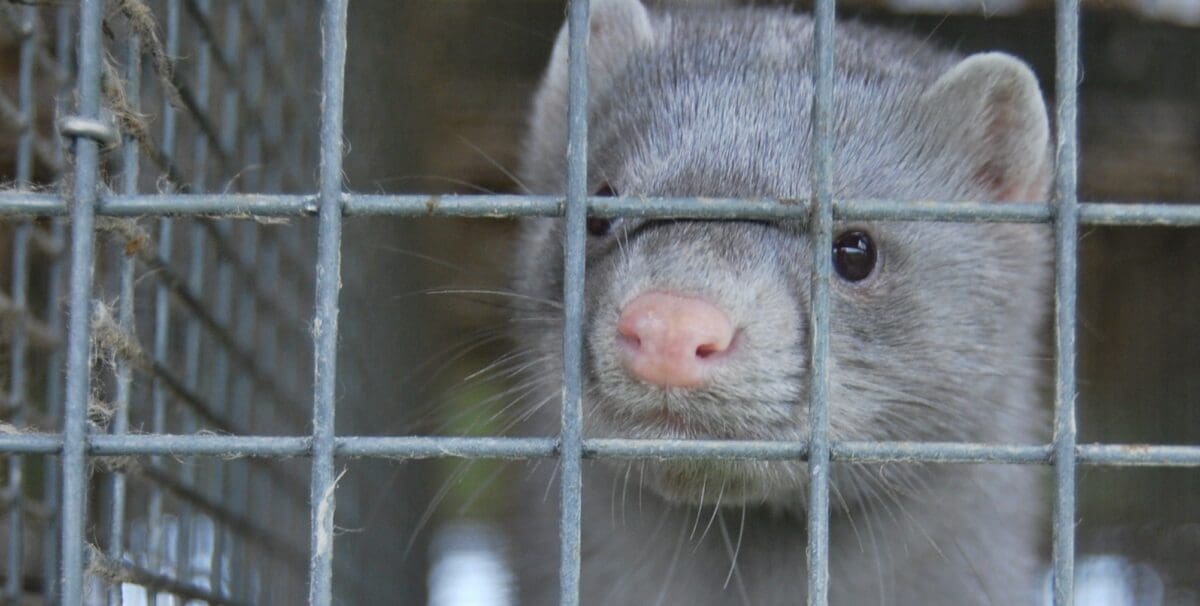
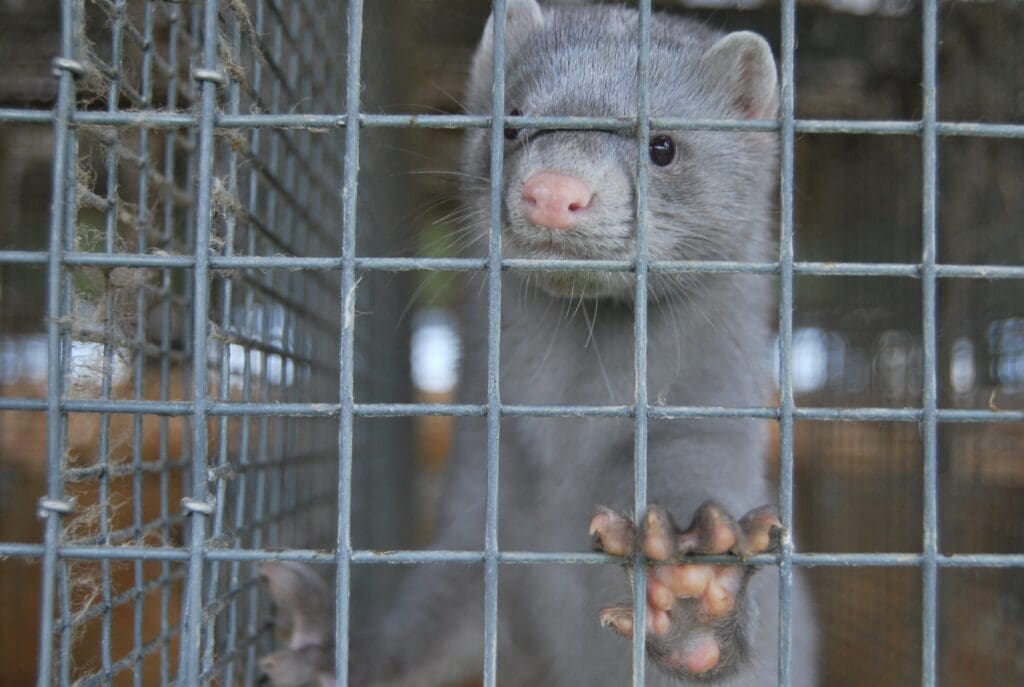
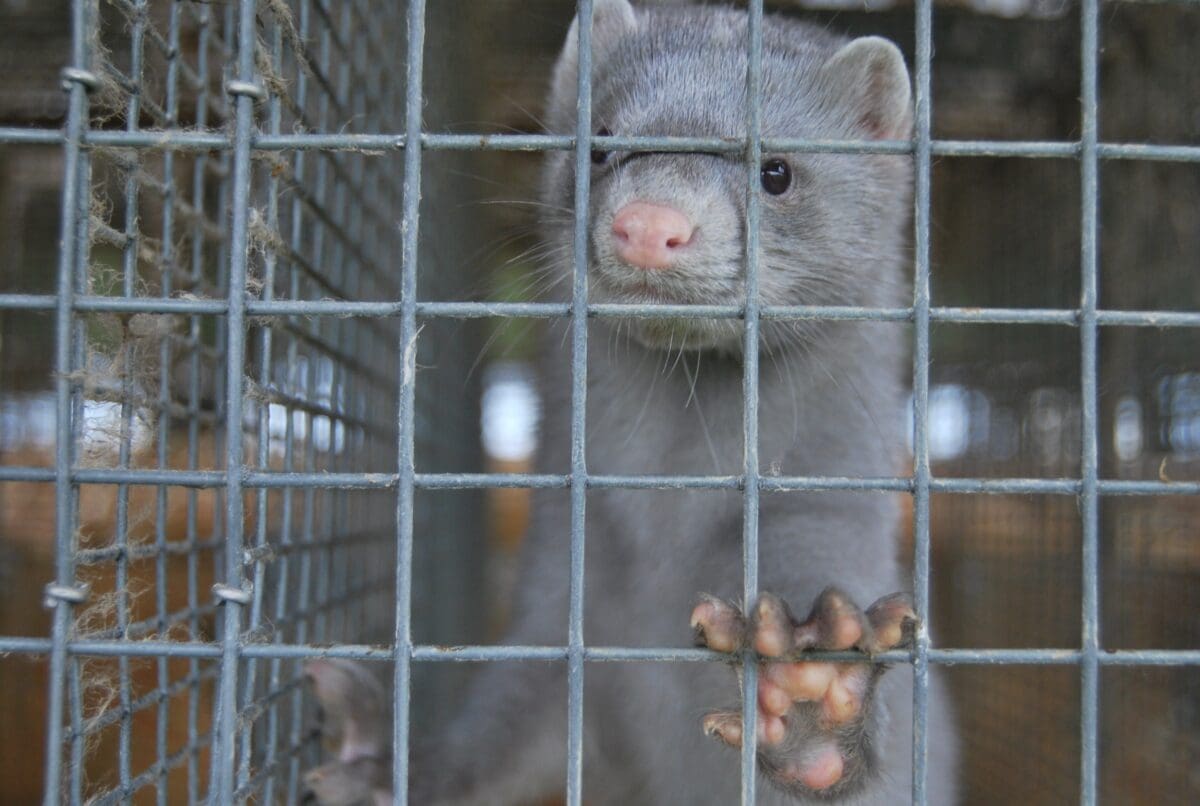
Industrialized fur farms in B.C. confine thousands of mink in cramped conditions that deprive them of the opportunity to engage in natural behaviours.  Mink are semi-aquatic animals yet they are held in tiny wire cages without access to water for foraging. A cage for a single female mink measures only 8 inches (width) by 15 inches (height).

Mink spend their entire lives caged until they are killed in gas chambers filled with carbon monoxide. All this is for the sake of making products for the fashion and cosmetics industry.

Video footage of Canadian fur farms obtained by The Fur-Bearers has shown animals exhibiting self-mutilation, cannibalism and repetitive behaviours caused by the stress of confinement.

In addition to the fur industry’s cruelty, there is a threat to public health, as outbreaks of COVID-19 emerge on mink farms around the world.  Here in B.C., the virus has been found on two mink farms, with infections occurring in both animals and farm workers. Scientists fear that such outbreaks could lead to dangerous mutations of the virus. Escaped mink from farms are a potential threat to wild populations, increasing the chance of further virus mutation and spread.

Now is the time for the provincial and federal governments to end the cruel and dangerous fur farming industry. This is also an opportunity for government to support farmers in transitioning to humane, healthy and sustainable alternatives, such as plant-based agriculture.

Please take the two actions below to support a fur farming ban at both the provincial and federal levels.

Please tell the Minister of Agriculture; the Minister of Health; and the President of the Canadian Food Inspection Agency to fully enforce the Transport of Animals regulations, including issuing appropriately sized fines.

This action has now ended

2,893 people used this tool to send an email to decision-makers. Thank you for taking action!

Sign the House of Commons e-petition calling on the federal government to introduce a Canada-wide ban on fur farming.

The federal e-petition is now closed. Stay tuned for updates!

Categories
News/Blog

Stop cruel and dangerous mink farming

VHS has been taking action against the cruel and dangerous mink farming industry.

Mink farming not only compromises animal welfare, but also creates potential risks to public health, as the spread of COVID-19 on B.C. mink farms has shown. Mink are confined in small, wire cages for the duration of their lives, denying them the opportunity to engage in the natural behaviours that they would exhibit in the wild. This can cause stress, leading to stereotypic behaviour and self-mutilation.

The transmission of COVID-19 to mink has caused mutation of the virus in other countries. This has raised concern about risks of increased transmissibility, vaccine efficacy and the potential for farmed mink to infect wild populations, leading to virus reservoirs outside of direct human control.

We have written to B.C.’s minister of agriculture to call for an end to fur farming in the province and made a submission to the National Farm Animal Care Council’s review of the Code of Practice for the Care and Handling of Farmed Mink.

Categories
News/Blog

Ask the Prime Minister to end the wildlife trade

Please urge the Prime Minister to close wildlife markets and end the international and domestic trade in wild animals

A House of Commons E-petition is calling on the Prime Minister to “to support and encourage the closure of wildlife markets globally that could become sources for future pandemics and to commit to end the international and domestic trade in wild animals and their products that could aid in the spread of zoonotic diseases.” The petition is sponsored by Michelle Rempel Garner MP.

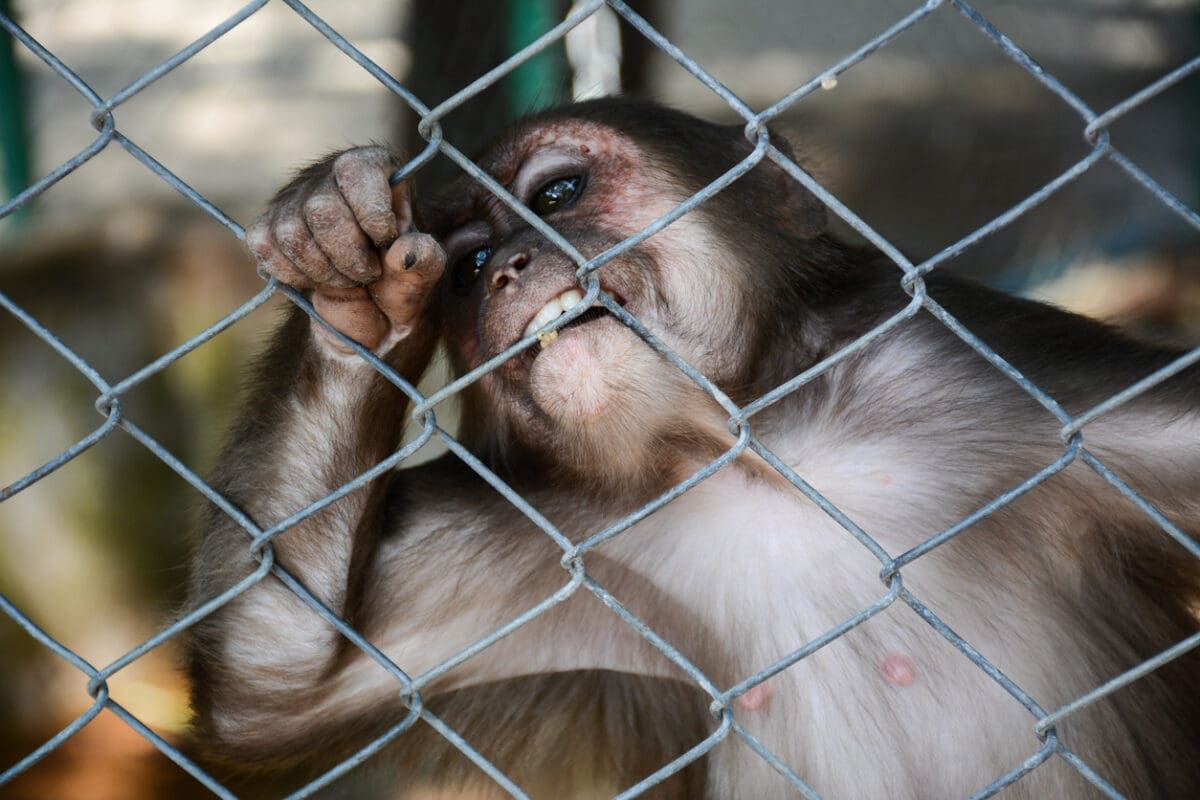
Despite calls from experts to take more action against the global wildlife trade, which scientists believe is the most likely source of Covid-19, there has been virtually no response from Canada. That’s a shame, as there is plenty Canada could do to combat this cruel trade and improve our own safeguards against diseases from imported wildlife.

We’re urging Canadians to sign the E-petition, which is in line with campaigns by VHS and other organizations opposing the cruel and dangerous trade in wild and exotic animals. Last year, VHS launched a campaign calling on federal ministers to engage with international partners to ban the trade; devote more resources to fight the illegal wildlife trade; and to improve Canada’s systems for detecting imported wildlife diseases.  We also signed an open letter to the Prime Minister urging him to support a permanent global ban on wildlife markets.

We have also been working to bring this issue to the attention of Canadians, publishing opinion editorials in the Ottawa Citizen, Daily Hive, Georgia Straight, and Vancouver Sun.

With your support we can continue to encourage the federal government to take action against the wildlife trade.

Categories
News/Blog

VHS speaks out against proposed delay to pig housing transition

In November, proposed changes to Canada’s pig farming standards prompted VHS to launch a new advocacy campaign focused on pig welfare. The National Farm Animal Care Council (NFACC), composed mostly of representatives from the animal agriculture industry, creates ‘codes of practice’ that serve as standards for the industry.

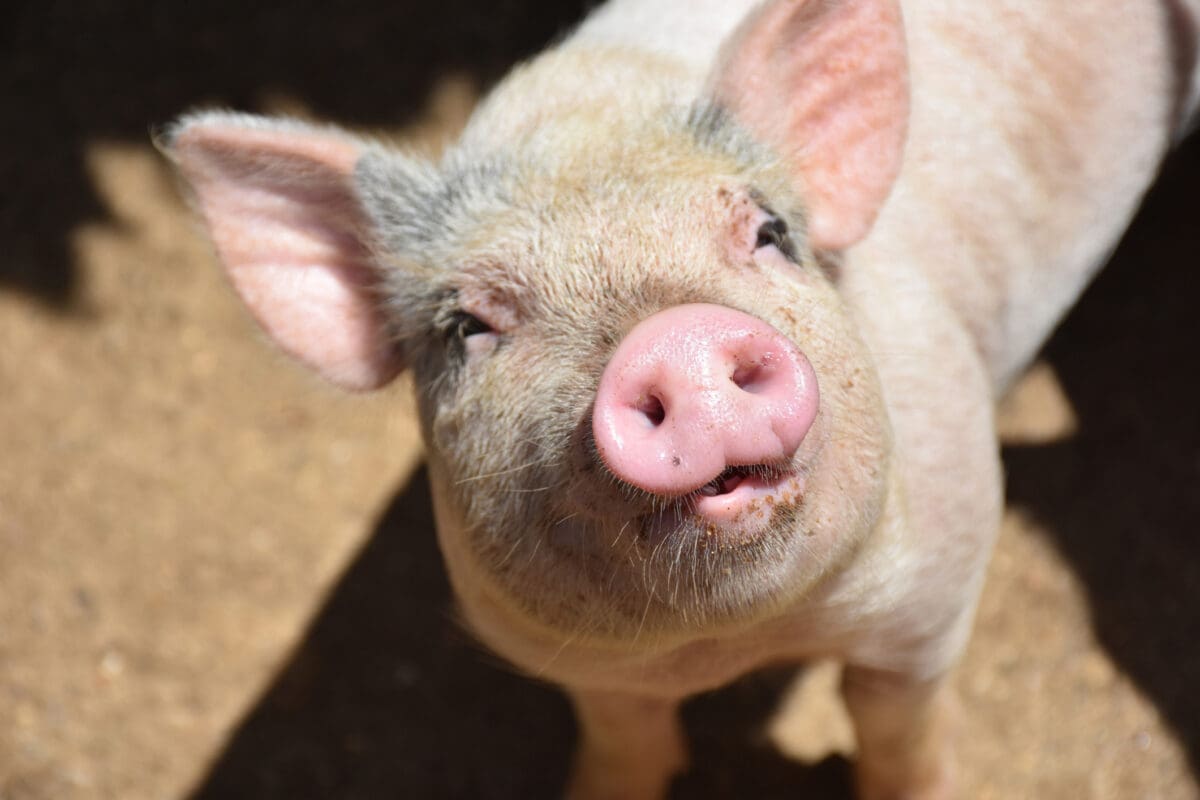
In 2014, NFACC’s update to the pig code of practice included a commitment to end the continuous use of gestation stalls for pregnant pigs and to transition to open housing by 2024. Gestation stalls are individual stalls that are so small that pigs are unable to turn around or engage in any natural behaviours. Animal welfare scientists, veterinarians and other experts have described gestation stalls as one of the cruelest forms of animal confinement and the equivalent to living in an airline seat. Meanwhile, the Retail Council of Canada, which represents grocery retailers, promised a similar move, through product sourcing, away from gestation stalls and toward alternative housing by the end of 2022.

Now, NFACC is attempting to extend their gestation stall deadline until 2029, leaving thousands of pregnant pigs to continue suffering in gestation stalls. VHS’s campaign called on the industry and Retail Council to keep their original housing transition commitments. To date, more than 4100 VHS supporters have joined us in speaking up for pigs. VHS will continue to monitor this important welfare issue moving forward.