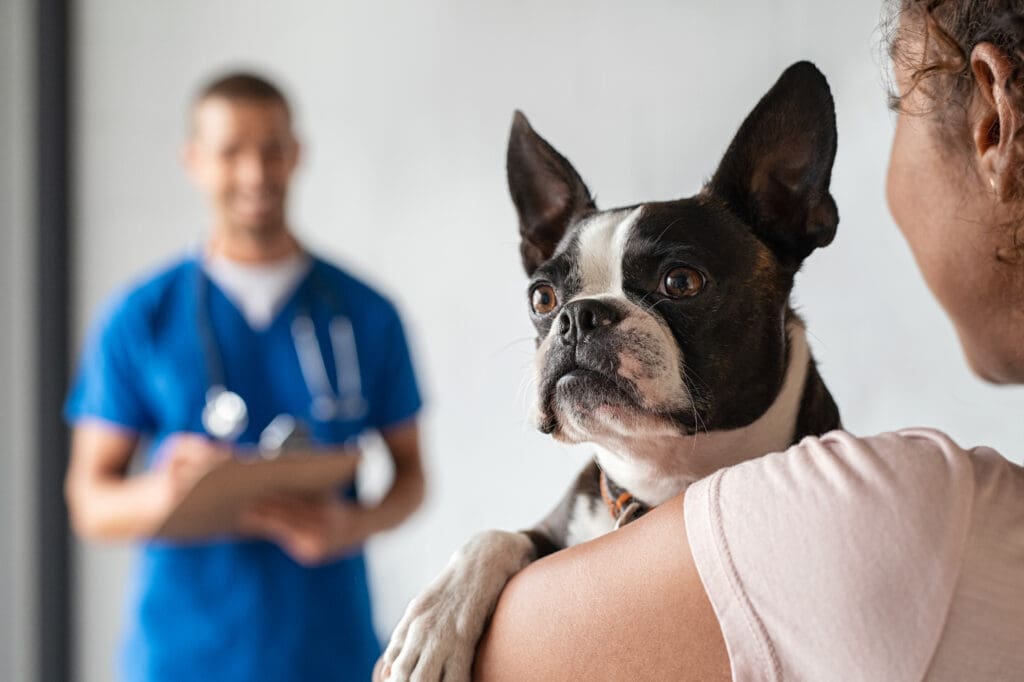
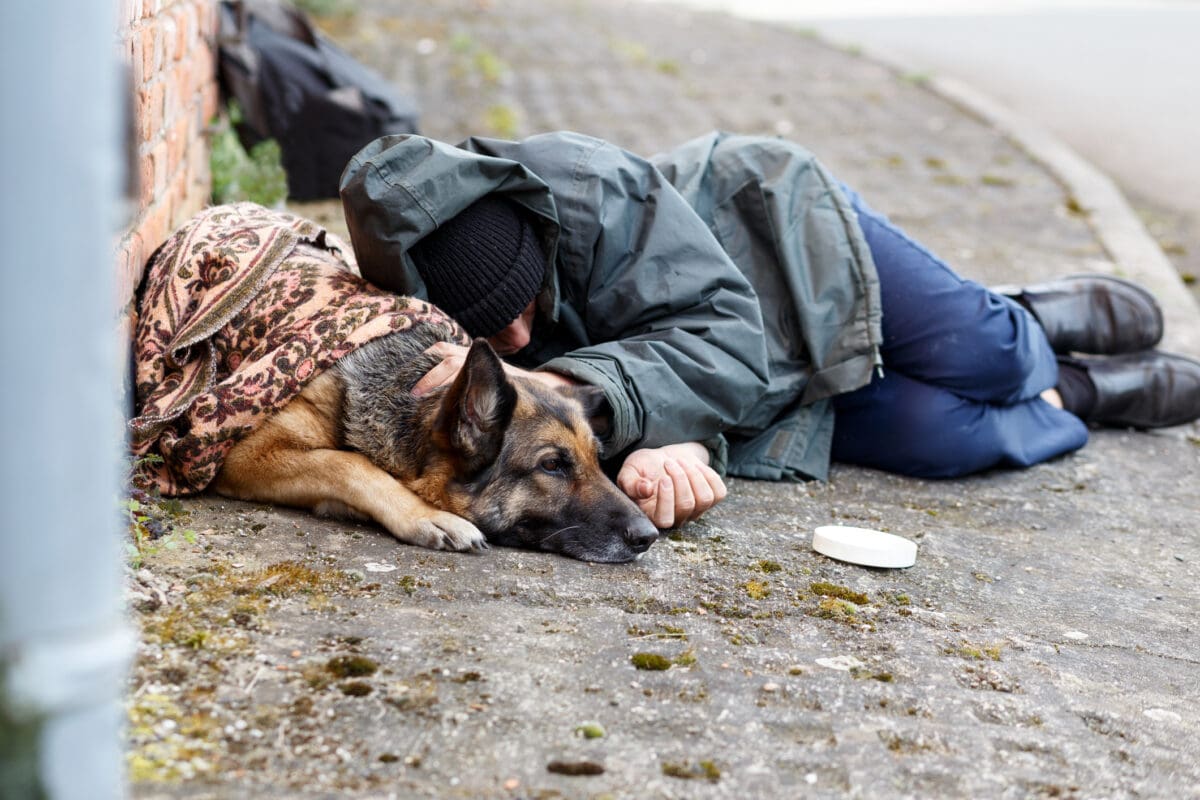
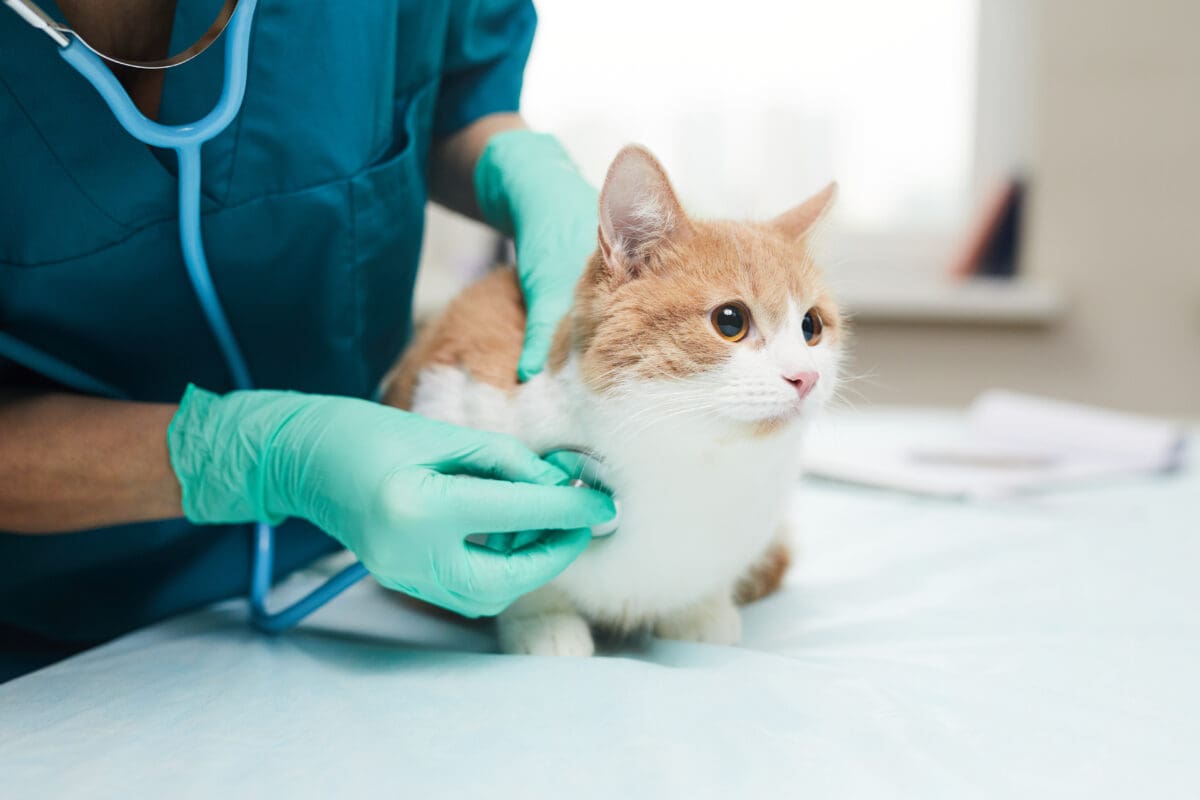
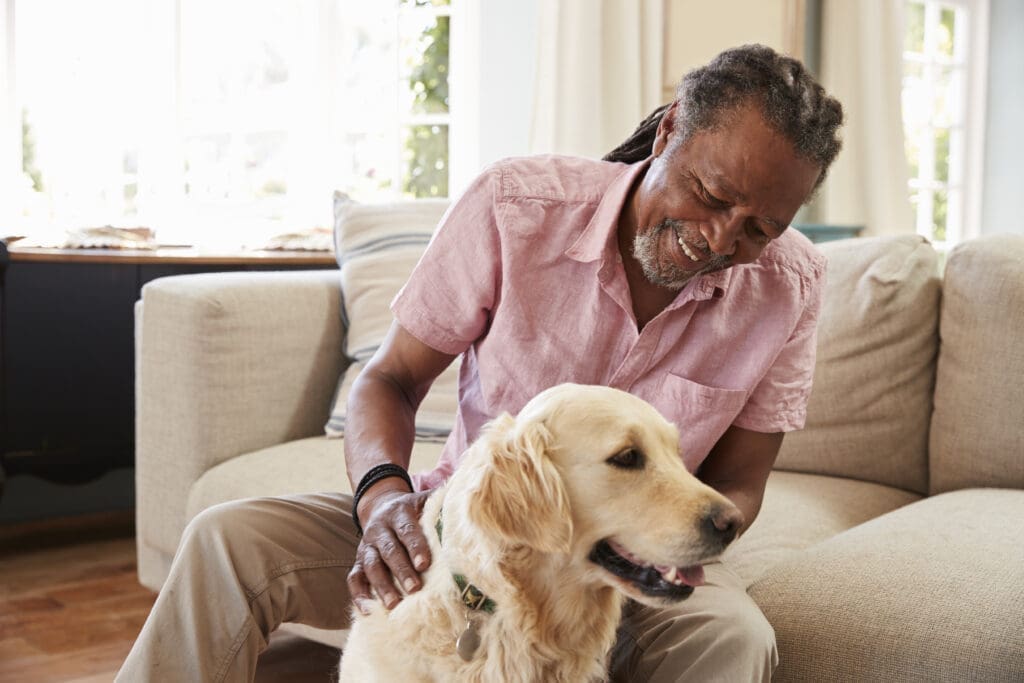
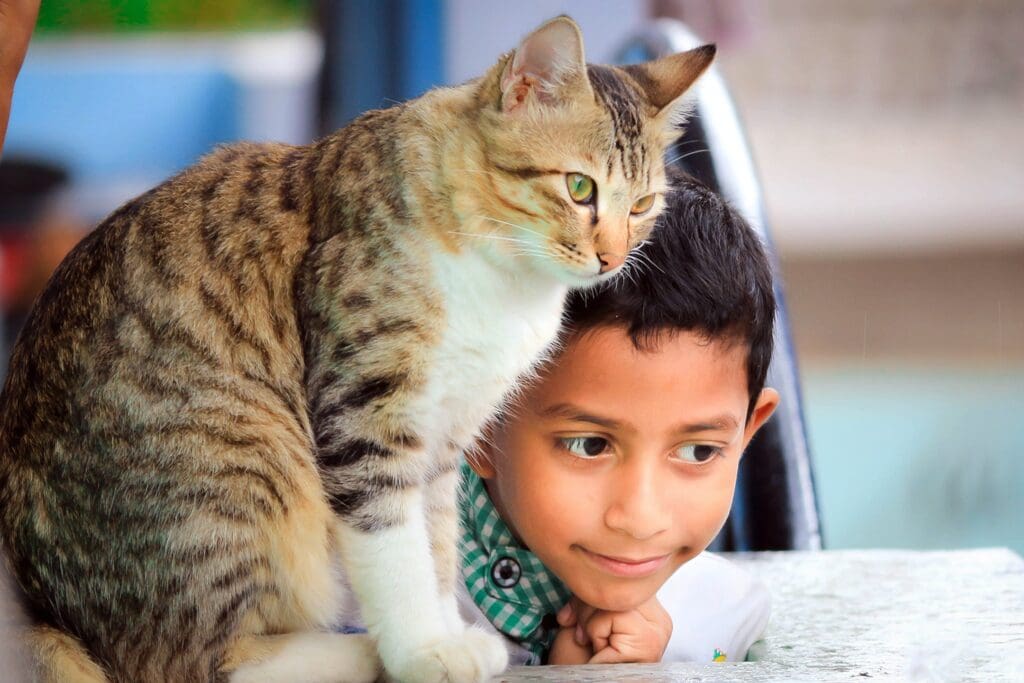
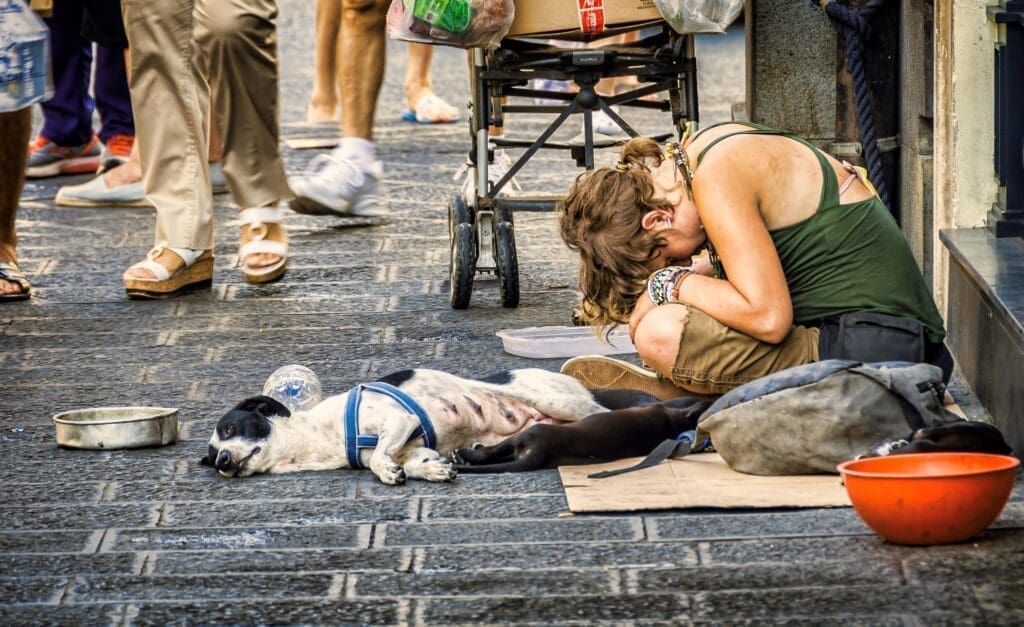
The McVitie Veterinary Assistance Program has been helping pets of low-income caregivers get assistance for many years, ensuring guardians are not forced to surrender the animals they love and are bonded with. During this time, other caring individuals have provided some of their own money towards the program to keep people and their pets together. Sandra Todd is one of those individuals, always working to assist those in need to ensure their pets have care.
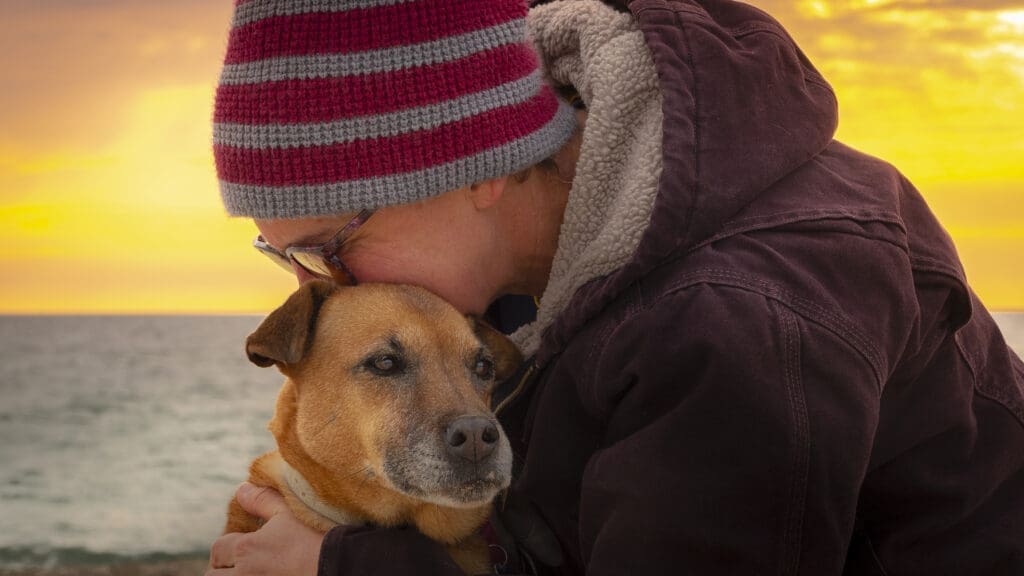
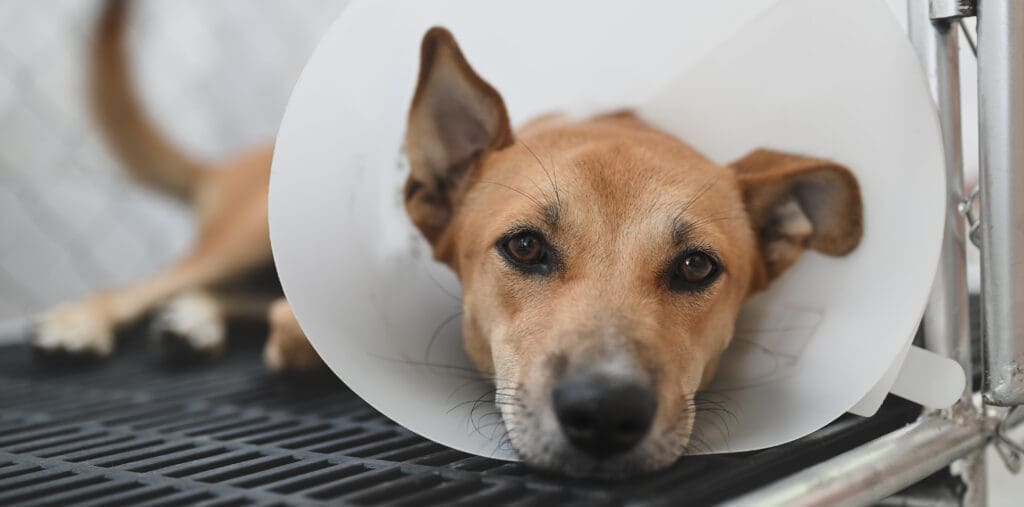
When Sandra was partially laid off due to COVID-19, she faced a difficult decision herself for the first time. Sandra cares for a few aging rescued animals, and her 17-year-old dog Odie was showing signs of sickness. Odie lived a rough early life, abused by his first owners and treated roughly by his second owners. He came into Sandra’s care with wounds on his neck and a broken leg.
Since then, Sandra has worked to give him a good life. At the end of March, Odie started sleeping too much, he became too weak to walk and gastro problems were evident. Sandra knew the bill would be high for the veterinarian to diagnose the cause and hopefully heal Odie and that she would fall short with her own available funds. She reached out to the Vancouver Humane Society for help with covering the cost of a blood panel, fluids, and antibiotics to get 17-year-old Odie feeling well again.
Please consider contributing a gift today to support the McVitie low-income veterinary assistance program.
Update: District of North Vancouver votes to ban rodenticides!
District of North Vancouver Council has voted to ban anticoagulant rodenticides on district-owned properties. The unanimous vote on June 15 approved Councillor Megan Curren’s proposal for a ban.
Thank you to everyone who wrote to the council and signed the petition by VHS supporter Yasmin Abidi. Yasmin raised the issue with Councillor Curren after rescuing an owl poisoned by rodenticide in the district. (Full story below.)
The vote also means that the council will petition the provincial government to ban anticoagulant rodenticides in B.C. and will communicate their harmful impacts to all residents and businesses in the district.
Councillor Megan Curren of the District of North Vancouver has proposed the following recommendation, to be voted on June 15, 2020:
Recommendation:
THAT a complete ban of anticoagulant rodenticides on all District of North Vancouver owned properties is supported;
AND THAT staff is directed to petition the Province to ban anticoagulant rodenticides;
AND THAT staff is directed to communicate the harmful impacts of anticoagulant rodenticides to all residents and businesses in the District of North Vancouver and to share findings about alternatives.
How you can help
You can sign this petition created by Lucky’s rescuer, Yasmin: Save the Owls
Original story:
Birds and other wildlife are often the unintended victims of rodent poison
VHS supporter Yasmin Abidi helped rescue what appeared to be an injured owl last week in North Vancouver. It later emerged that the owl had been poisoned, most likely by rodent poison.
Yasmin and several other Good Samaritans found the owl in a tree near a main road, bleeding and being attacked by crows. They contacted the Orphaned Wildlife Rehabilitation Society (OWL) in Delta and protected the bird until OWL staff arrived to take it back to their clinic for examination.
The examination found that the owl had ingested rodent poison and needed immediate treatment. Nicknamed “Lucky” by Yasmin, the owl is expected to recover, thanks to her quick actions.
Enjoy the videos and music you love, upload original content, and share it all with friends, family, and the world on YouTube.
It also emerged that the owl had been poisoned three weeks earlier (and treated by OWL), indicating such poisonings are not uncommon.
Wildlife are often the victims of poisons used by businesses, landlords, municipalities and homeowners to control rodent populations.These “secondary poisonings” happen when birds of prey or other predators eat poisoned rodents and can cause a slow and painful death.
The BC SPCA has more information on how you can help wildlife by decreasing the amount of rat poison in the environment. If you find sick or injured wildlife you can contact one of the organizations listed by the Wildlife Rehabilitators’ Network.
As an organization working to end the oppression of animals, we acknowledge that to advocate for social justice we must work together to challenge and dismantle oppression in all of its forms. We are committed to listening, learning, and standing against racism and colonization.
We recognize that our voice has not adequately considered other movements, including Black Lives Matter. We have put together a list of resources that we are using to learn. Please do reach out if you have ideas about how we can improve as an organization in being anti-racist and decolonizing our work.
Some resources we have been learning about/from include:
Stratagem Virtual: We’re registered and excited to learn through the month of July. They have a great podcast, too!
What plant-based foods are produced in Canada? Do you have to farm animals to produce enough food for Canadians? Would our economy fail if we stopped slaughtering animals? What’s the deal with vegan junk food? Learn about all of this and more by listening to our interview with VHS’ Projects and Communications Director, Peter Fricker.
Upcoming talk
On June 24, we are hosting an online presentation with Dr. Lisa Kramer, a behavioural economist at the University of Toronto, entitled Is the Future of Meat Plant-Based?. It is a free presentation and Dr. Kramer will be answering questions live! We have scheduled it for 12pm and 7pm to accommodate for different schedules.
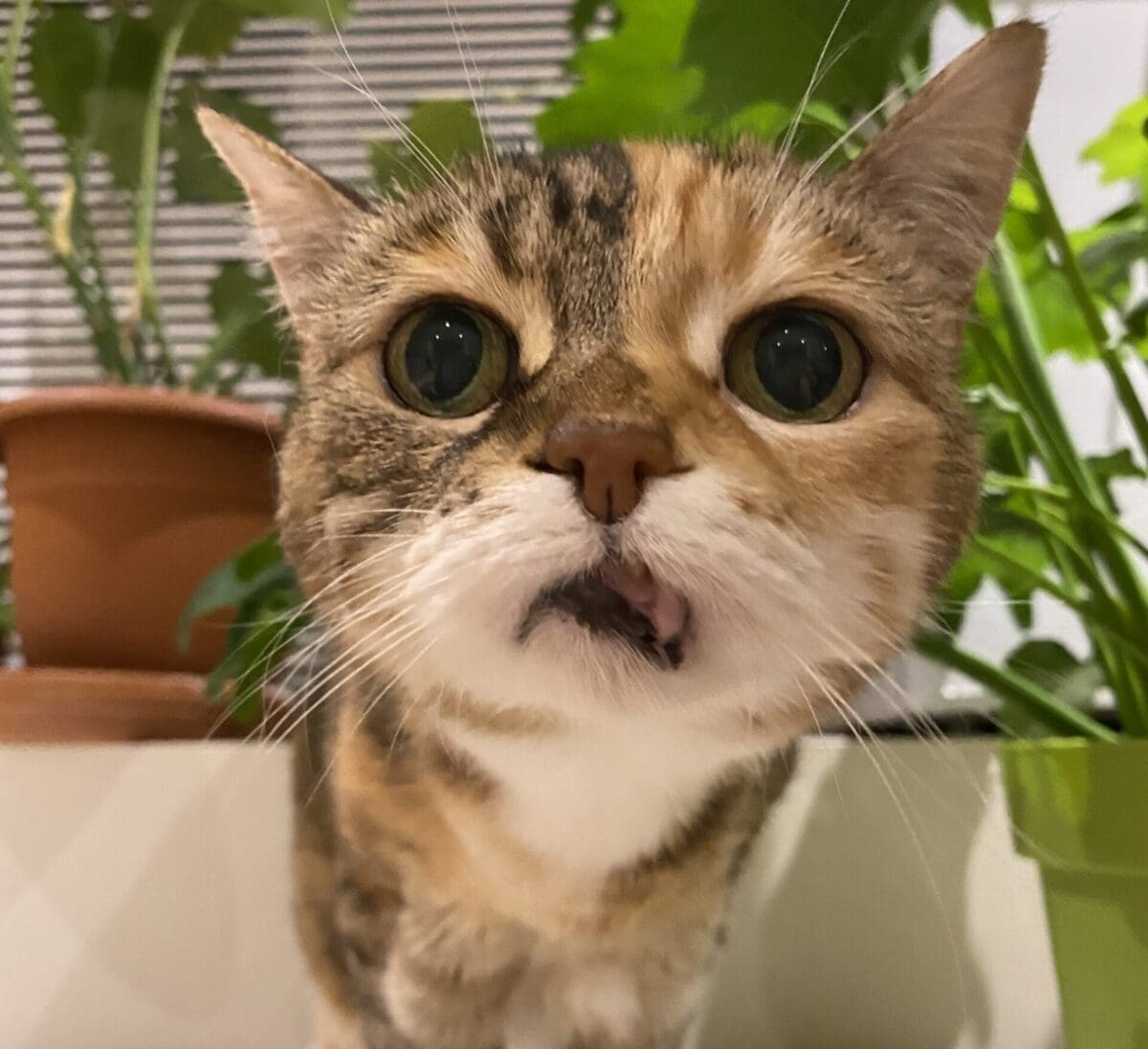
“Puggy came to me through a friend a few years ago, I have another cat named Jasper and they are buddies. I have always had a strong connection to my animals and they mean so much to me. I would do anything to make sure my cats are happy and healthy.”
Brittney, Puggy’s loving guardian
Last year Puggy had some health complications and ended up needing a surgery which was a very scary time. Brittney would visit him everyday at the vet and he was so happy to see her while he was healing.
“I am grateful the vet was so kind and let me make financial installments on his treatment because it was so expensive. Since then he has had to go back for several check ups and recently Puggy developed what seemed to be a bladder infection, which meant he needed further x-rays, urine samples, bloodwork and treatment.”
Brittney contacted VHS last week as she was struggling to pay for Puggy’s veterinary care.
“I do not qualify for CERB (Canadian Emergency Response Benefits) and I’m a former youth in care living off of very little funding and school bursaries. I also have a disability which prevents me from being able to work and I can’t work during this time due to covid. Any assistance would be much appreciated as I can not afford a huge vet bill and have no other resources or people that can help pay.”
“Puggy is honestly the sweetest and most loving cat ever and he is very attuned to my emotions. We both love and support each other when we are in pain, and he loves to cuddle and is very social. I take him on walks in the garden and we sit in the sun together. I couldn’t imagine life without him.”
Could you help Brittney and Puggy by making a donation to our McVitie Fund today?
“Having help from the McVitie fund is a blessing especially during COVID-19. Animals are so special and because of programs like this one people can have support in making sure their animals are healthy and safe. No one should have to choose between their animal and paying for rent or groceries. Thank you from Puggy and I both, we are so grateful for the support!!”
When thirteen-year-old Brutus developed a persistent cough and began bringing up fluid, his worried owner Carol made several trips to their vet.
After two unsuccessful rounds of antibiotics, Brutus’ vet advised that he would need x-rays in order to diagnose the issue and prescribe Brutus with the medication he needed.
Carol is currently unable to work due to her own medical conditions, and is not yet receiving EI because of delays due to COVID-19.
“It is breaking my heart to think I may have to put him down because I do not have the funds to pay for his further tests and medication. Brutus is such an affectionate dog, sometimes I think he is human! We cannot imagine him not being part of our family. He could still have a few more years with us.”
Carol, Brutus’ loving guardian
Please consider making a donation today towards our veterinary care assistance program, the McVitie Fund, to help us cover the cost of Brutus’ x-ray. Thank you!
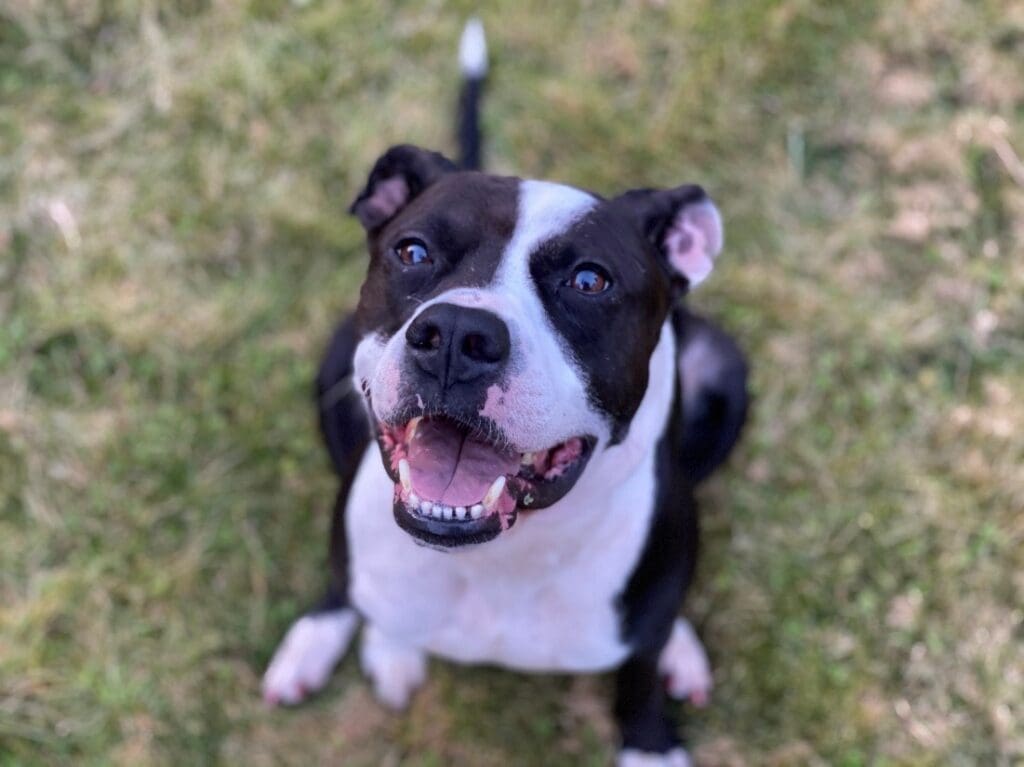
Exuberant English Bulldog, Bubba, injured his leg while playing at the park.
When he began limping and showing signs of pain, his owner Holly took him to the vet, who confirmed he would need an x-ray, most likely followed by surgery for a suspected torn or broken ligament.
Holly, a single parent on disability, reached out to VHS for help.
Could you make a donation today to help us cover the cost of Bubba’s x-ray?
Rocco’s owner, Fay, adopted Rocco when he was 2-years-old. On a limited pension from the government, Fay was nervous when Rocco started limping. He needed an ACL surgery, but on her limited funds she was going to have to choose between buying groceries and giving up her best friend.
Luckily, Fay found the Vancouver Humane Society and we were able to assist her in covering the costs of Rocco’s much needed surgery.
For his 10th birthday, days before his surgery, Fay showered Rocco in treats, happy to celebrate their close bond. Rocco’s surgery went well and he is now on the mend!
UPDATE: This campaign petition gained more that 3300 signatures, which VHS forwarded to officials at the B.C. Wildlife and Habitat Branch. We are now asking the federal government to take action against the wildlife trade. Please support our new petition!
Original post:
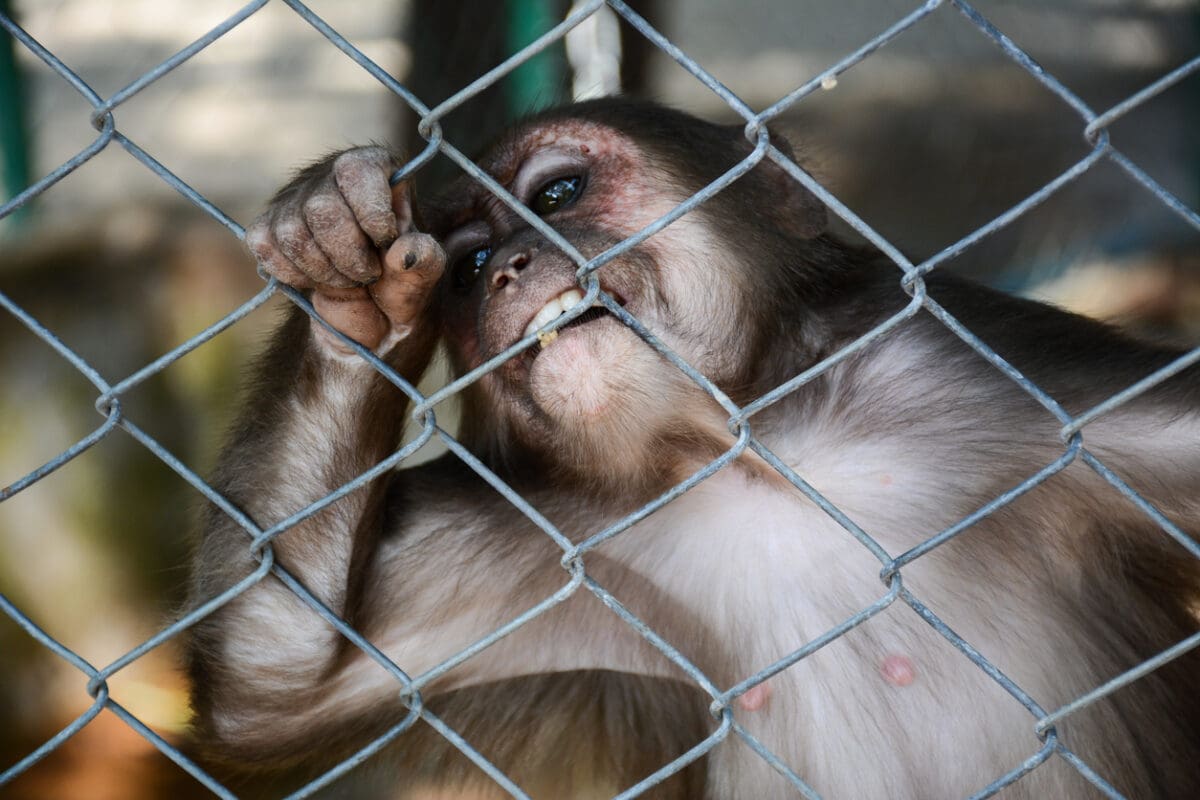
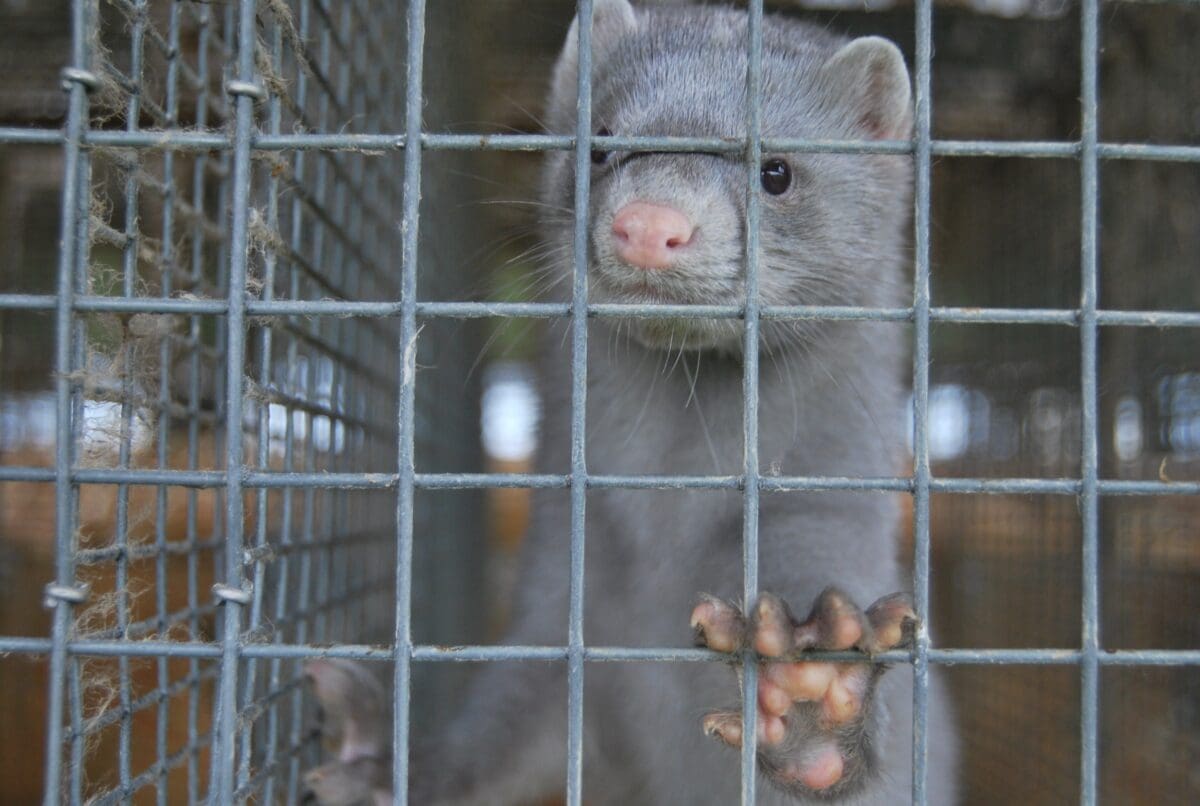
VHS is shifting the focus of our campaigns and communications to include the wildlife and exotic pet trade, which has been implicated in the emergence of COVID-19.
The emergence of new zoonotic diseases (diseases that spread from animals to humans) has been ignored for far too long, especially its connection to the international wildlife trade (explained in our recent op-ed). It’s time the international community and all levels of government in Canada took action to put and end to the illegal wildlife trade, which is not only inhumane but also is a threat to biodiversity and public health.
Here in B.C., the provincial government’s Controlled Alien Species Regulation governs “the possession, breeding, shipping, and releasing of alien animals that pose a risk to the health or safety of people, property, wildlife, or wildlife habitat.”
We’re calling on the government to review the regulation to ensure it addresses the threat of zoonotic disease from the trade in wild and exotic animals.
Please send a message to the provincial government’s Wildlife and Habitat Branch, asking them to take action to address this important issue.
NEW ORLEANS, La.- Surrounded by flood waters, Senior Master Sgt. Pete Callina rescues the stranded beagle from the I-10 overpass. The dog assisted Sergeant Callina, a pararescueman with the 308th Rescue Squadron, by shepparding hurricane victims into waiting 920th Rescue Wing helicopters.
VHS letter calls for legislation to require local authorities to include animals in emergency plans
VHS has submitted a letter to a provincial government consultation on modernizing B.C.’s Emergency Program Act (EPA), calling for the Act to ensure animals are not forgotten in emergency planning.
Current legislation does not require local officials to include domestic animals as part of their plans, which we believe puts not only animals at risk but also their guardians.
Our letter also points out that animals held in establishments such as zoos, aquariums, kennels, sanctuaries and breeding facilities are also at risk during emergencies. The letter states: “The EPA should ensure local authorities include these facilities in their emergency plans and provide them with guidance and support in implementing them.”
The consultation ends January 31st, but there is still time to submit your views.