Categories
News/Blog

Open letter: B.C.’s wild and exotic animal captivity rules due for update

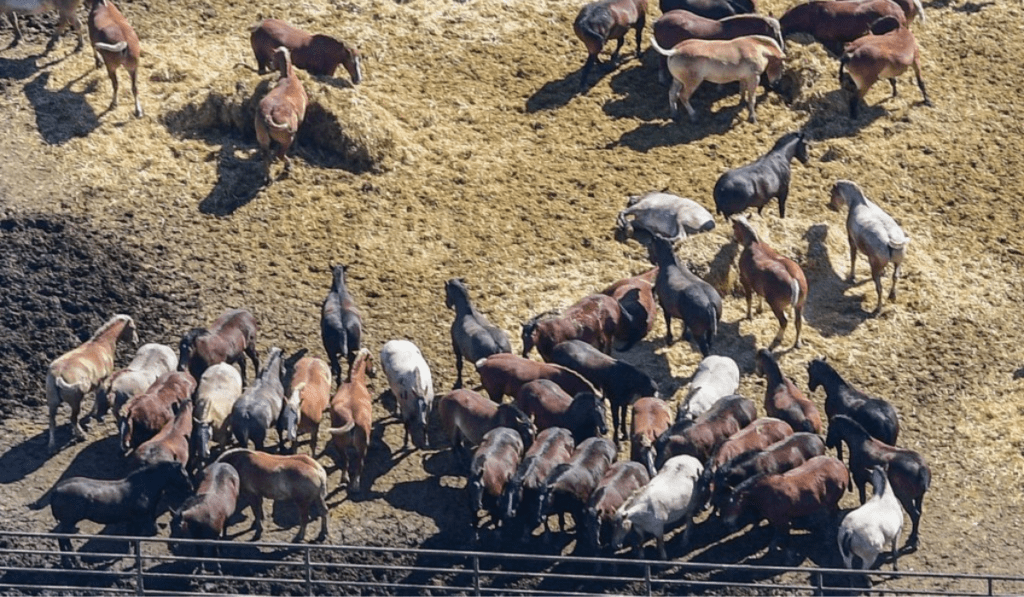
VHS and residents from across B.C. and Canada call for better protections for wild and exotic animals

Last month, VHS launched a campaign seeking changes to B.C.’s rules around wild and exotic animal captivity. To date, the petition demanding immediate action to protect animals from suffering in zoos and aquariums has received more than 4,700 signatures.

VHS has now shared that petition with provincial decision-makers, along with a request for a meeting and an open letter outlining our recommendations for updating B.C.’s outdated regulations around wild and exotic animal captivity.

The open letter calls on the B.C. government to:

  • Incorporate animal welfare criteria into considerations around species suitability for captivity
  • Prevent bringing in new exotic animals into permanent captivity and prohibit captive breeding of existing captive exotic animals
  • Close loopholes in current provincial regulations that leave out many species
  • Acknowledge and act on growing body of science that indicates wild and exotic animals suffer psychologically in captivity

You can read the full letter below as a PDF, or scroll down to add your name to the growing call for change and view the open letter on this page. We will keep ministry decision-makers updated on the total number of public signatures in support of the campaign, and will keep you updated on the campaign’s progress.

Discussion & recommendations for updating B.C.’s wild and exotic animal regulations 

Summary of recommendations 

  • Expand the Controlled Alien Species regulation criteria to include animal welfare considerations and update the CAS list to include and prohibit the keeping, breeding and transporting of all exotic species for permanent captivity. If no suitable alternatives exist, allow exotic species currently kept in captivity to remain; 
  • Adopt a positive list approach, which allows only those species that meet certain evidence-based suitability criteria to be kept, bred and transported; 
  • No longer allow permits to be issued for the keeping, breeding and transporting of exotic animal species, including for zoos and aquariums, film and tv industry, and research and education institutions; 
  • Relocate to more appropriate facilities, animals whose physical, psychological and/or social needs are not being adequately met in captivity and/or those who are not appropriate for B.C.’s climate. 
  • Prohibit captive breeding of exotic species. 
  • Restrict captive breeding of native wildlife, unless it is part of a reintroduction program into the wild. 
  • Maintain records for all individual wild and exotic captive animals in facilities, including information related to origin, import/export, breeding, births, deaths, and transport history.  
  • Require emergency management plans for all wild and/or exotic animals in captivity. 

Introduction 

The Vancouver Humane Society (VHS) is a registered charity dedicated to the humane treatment of animals. The VHS has identified that the keeping, breeding and transport of wild and exotic animals (wild animals not native to B.C.) for the purposes of permanent captivity is not in the public interest. 

Background 

Psychological impact of captivity 

Society’s understanding of how wild and exotic animals can suffer in captivity has expanded greatly over the years. Consider that around the time Canada’s first SPCA was founded in 1869, much of the focus was on the treatment of work horses, used routinely as transportation in cities at the time. Efforts were focused on preventing physical mistreatment of animals, but much less was known then about the psychological suffering of animals. Nearly 150 years later, in 2017, the Vancouver Park Board prohibited new cetacean (whales, dolphins and porpoises) captivity and performances in city parks, citing that the display of these intelligent and social mammals was no longer ethical. This decision, along with ground-breaking federal legislation in 2019 that similarly banned cetacean captivity, acknowledged the scientific evidence that reflects how confinement in captivity causes not only physical, but also psychological suffering.  

Today, a vast body of scientific literature outlines that good welfare is about more than just an animal’s basic health and functioning, such as freedom from pain, injury or disease. Good welfare goes beyond this to consider an animal’s ability to live naturally, including engaging in important instinctual behaviours, as well as an animal’s emotional state and their ability to engage in positive experiences, such as play and social contact.  

Wild and exotic animals, whether wild-caught or captive-bred, retain their complex social, physiological and behavioural needs that they would have in the wild. Attempting to replicate their natural environment in a captive setting is incredibly challenging and failure to meet their needs can significantly compromise their welfare. 

Scientific research, including studies published since B.C. implemented the Controlled Alien Species regulation in 2009, outlines how wild and exotic animals suffer in captivity when deprived of the ability to live naturally and experience positive affective states. Captive conditions are known to elicit abnormal behaviour across a range of different species, due to an animal’s inability to cope with stressors, behavioural frustration or psychopathology.  

Stressors in captivity can include exposure to aversive sounds and smells; uncomfortable temperatures or substrates; artificial lighting; restricted movement; inability to escape from public view and from other animals; artificial social groupings; and inability to engage in instinctive behaviours. Captive animals are often kept in climates and exposed to temperatures that their species is not adapted to, which can cause distress and impact their behaviour. Studies suggest that thermal ranges are complex and can differ based on the species, developmental age, weight and number of animals being housed. This makes temperature control especially challenging for captive facilities.  

Chronic stress in captive animals can lead to health problems including weight loss, immune system changes, disease susceptibility, reproductive suppression, premature death and high infant mortality rates. For example, studies indicate that giraffes have shorter lifespans in captivity than in the wild. Cheetahs in Western captive facilities have been found to experience reproductive issues, including high infant mortality rates. They also exhibit elevated cortisol levels and are more susceptible than their wild counterparts to bacteria that causes severe gastritis. Captive penguin species are also more likely than wild penguins to experience Aspergillosis, a stress-related fungal infection.

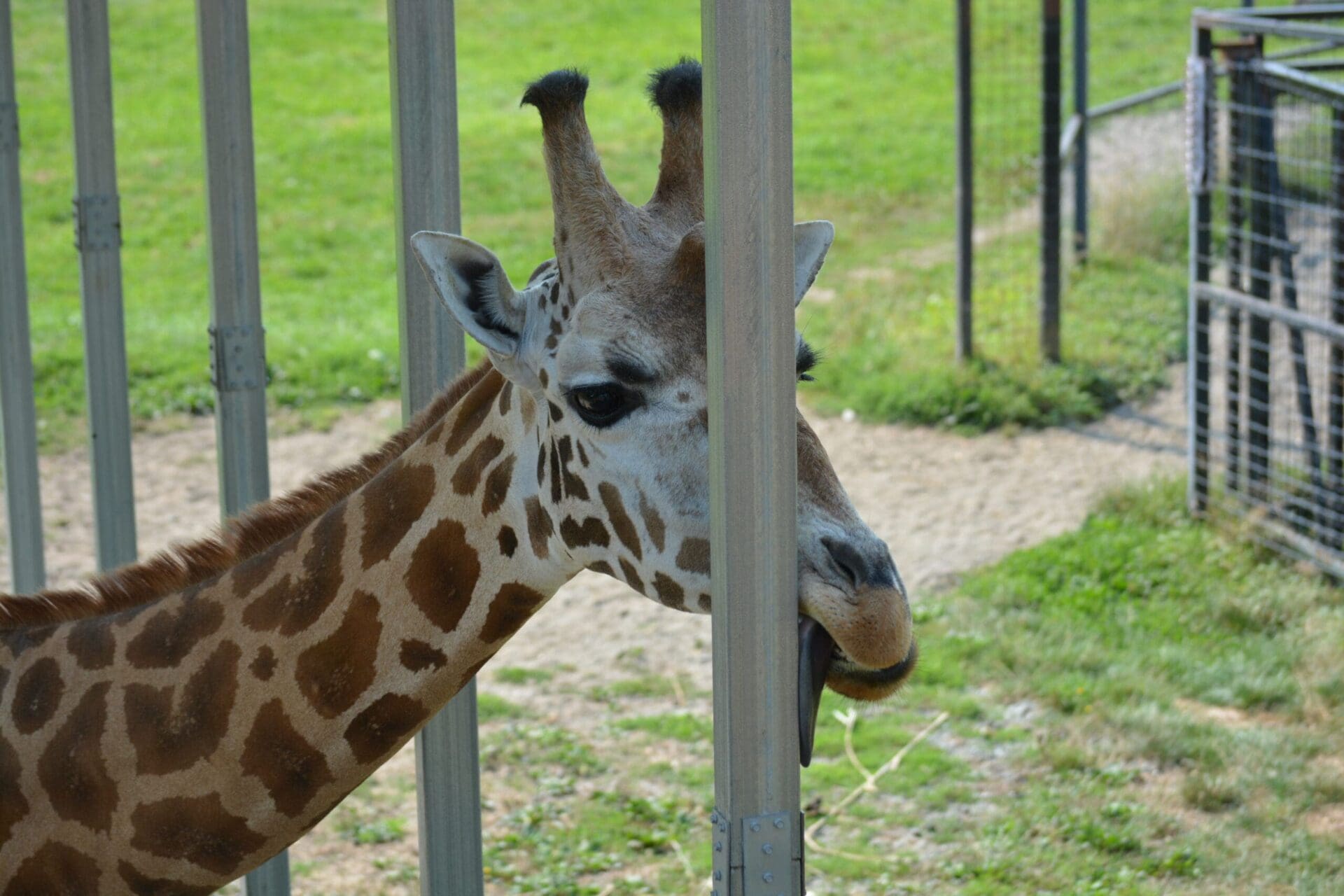
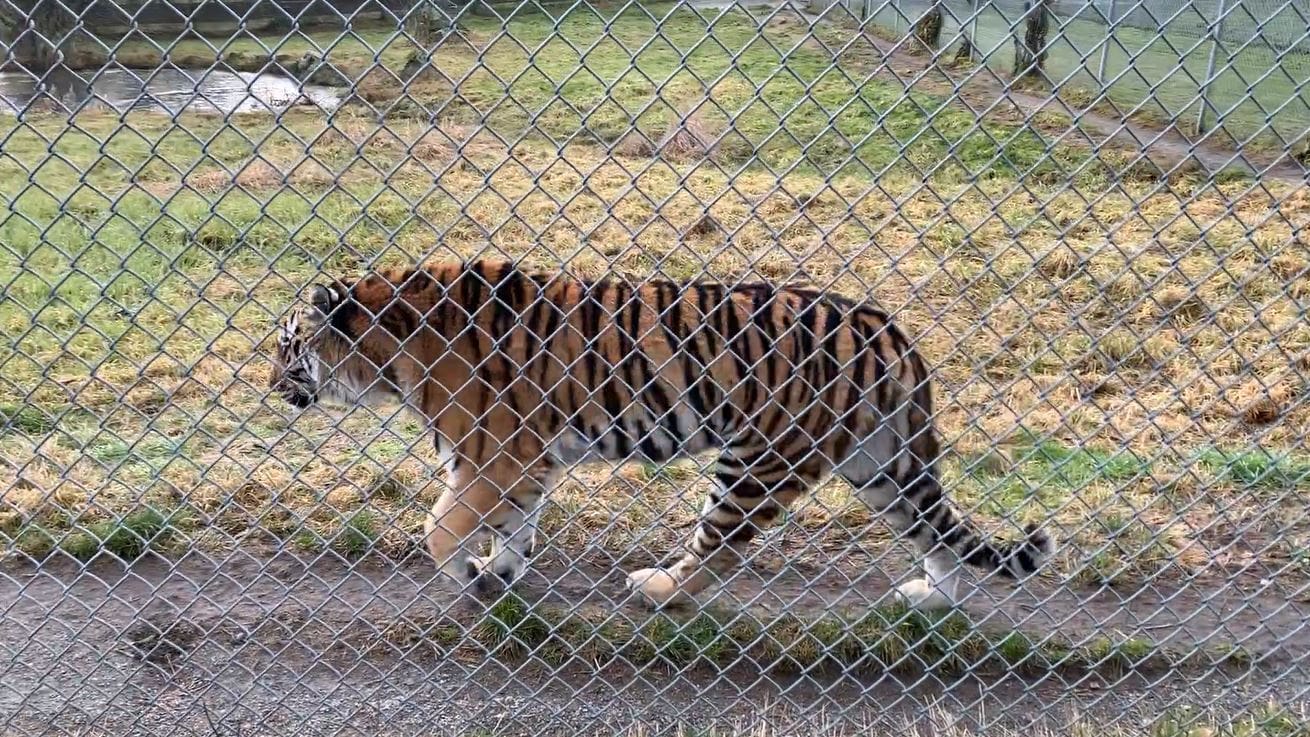
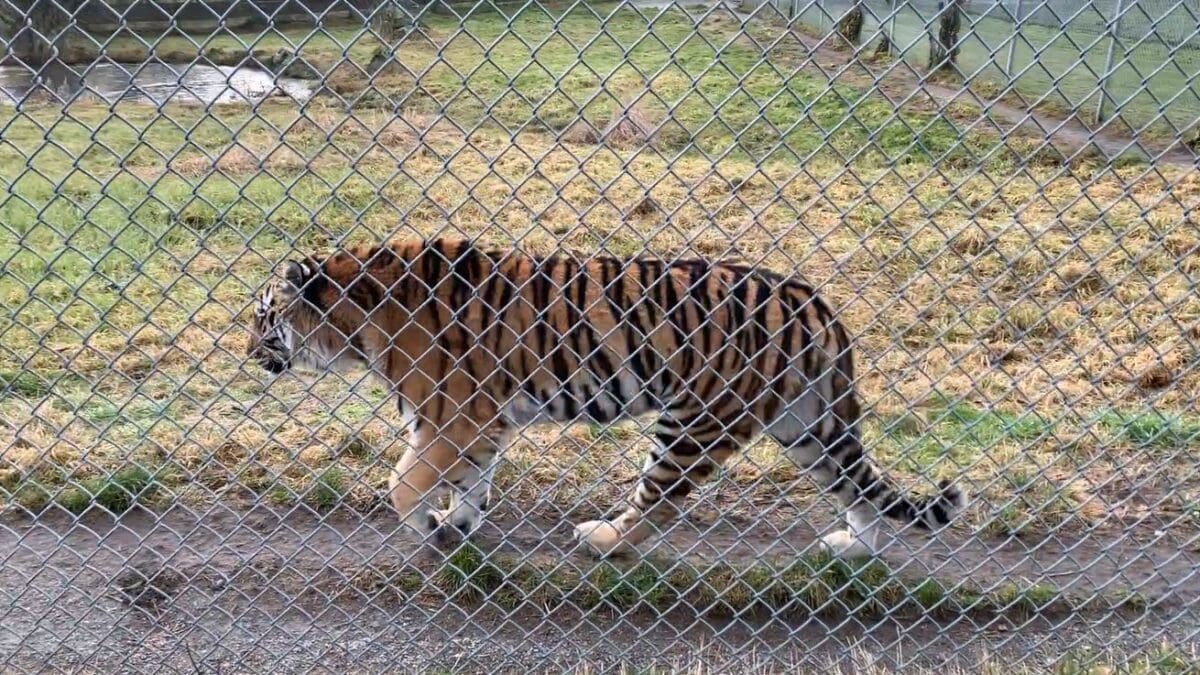
Responses to chronic stress can also present as stereotypical behaviour, which is repetitive, purposeless and an indicator of poor psychological well-being and poor general welfare. This can include stereotypic ritualistic behaviour like pacing or head-tossing; self-directed behaviours, like feather-plucking or over-grooming; or externally directed behaviors, like aggression toward other animals. Stereotypy is a major issue for zoos and aquariums. In fact, approximately 75% of the captive giraffe population in North America exhibits oral stereotypic behaviours, including wall licking. Stereotypy is also estimated to occur in the vast majority, approximately 82%, of captive carnivores.

These behaviours, which are common in captivity but almost never take place in the wild, are often referred to as zoochosis. This chronic inability to cope with stressors and/or behavioural frustration can also lead to significant cognitive issues in captive animals. Research explains that “…these states may result in physiological stress and the release of cortisol into the circulatory system…Specifically, circulating cortisol may act upon the hippocampus in the brain, resulting in temporary amnesia and inhibition of learning or response to new experiences (e.g., enrichment or behavioral modification)…In addition, chronic exposure of the hippocampus to circulating cortisol may accelerate hippocampal degeneration, a normal ageing change associated with senile cognitive dysfunction or dementia-like syndromes which have been described in apes, canids and felids.” In the wild, the stress-response allows an animal to make decisions and escape dangerous situations, but in captivity there is little to no ability for an animal to make such choices when stressed. This chronic stress can lead to “learned helplessness”, a psychological condition whereby individuals learn that they have no control over their environment. This can result in negative behavioural and physiological consequences, including impacting brain health by compromising the functioning of the hippocampus, amygdala, neurons and serotonin, which regulate memory, emotions, movement, behaviour, and mood. 

Addressing the psychological suffering of captive wild and exotic animals is incredibly challenging, particularly when we consider that for some species the evidence of suffering can be very subtle or undetectable by humans (e.g. outside of our audible range). In addition to this, new research suggests that abnormal behaviour repertoires and the behavioural expression of stress can also vary between individuals of the same species, adding further complexity to the issue.

Government responsibility 

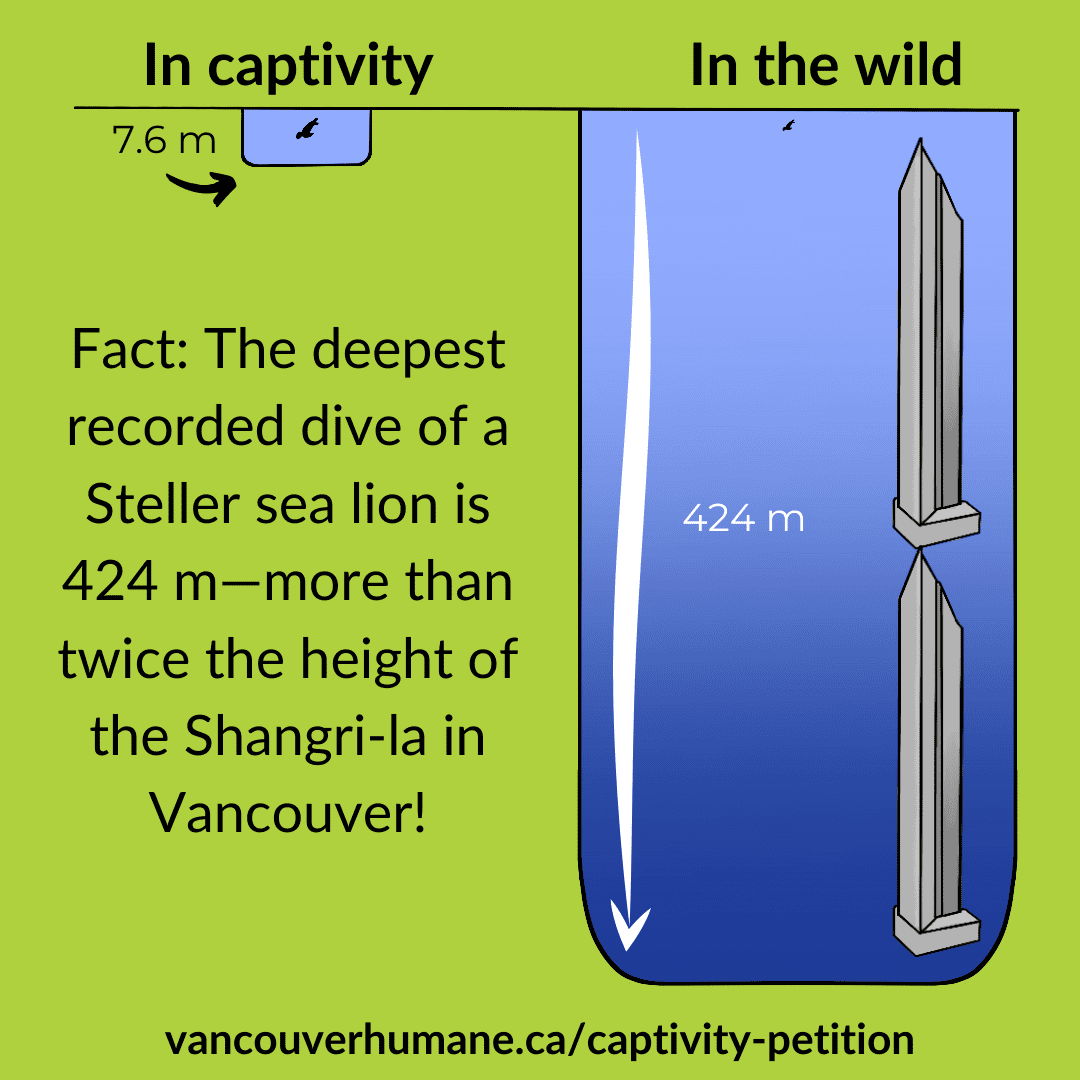
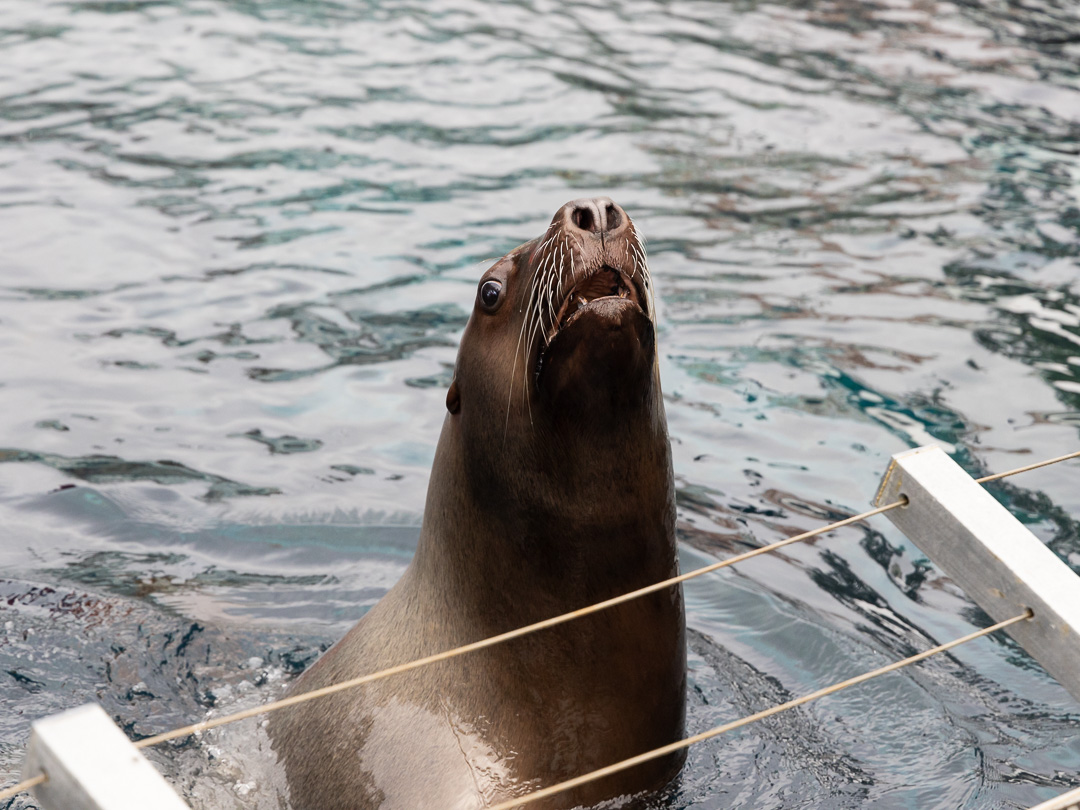
Public sentiment around wild and exotic animal captivity has also been shifting in recent years, with growing concern about the welfare of animals in captive environments. This is reflected in research that indicates good welfare in zoos and aquariums is valued by the general public. The same research found a high rate of willingness among zoo visitors to pay for animal welfare improvements. Another study found “dissatisfaction of zoo staff with executive management and government officials’ knowledge and leadership in promoting good animal welfare.” The study suggests that leadership in prioritizing animal welfare is also needed at the level of government ministries responsible for overseeing captive facilities. These studies highlight the government’s responsibility to address animal well-being, as instances of abnormal behaviour have been minimized by facilities holding captive animals. For example, when asked why a Steller sea lion at the Vancouver Aquarium was repetitively sucking on the substrate of their enclosure, an aquarium representative explained it as a “comforting behaviour the animals like to do after eating”, comparing it to a baby sucking their thumb.  

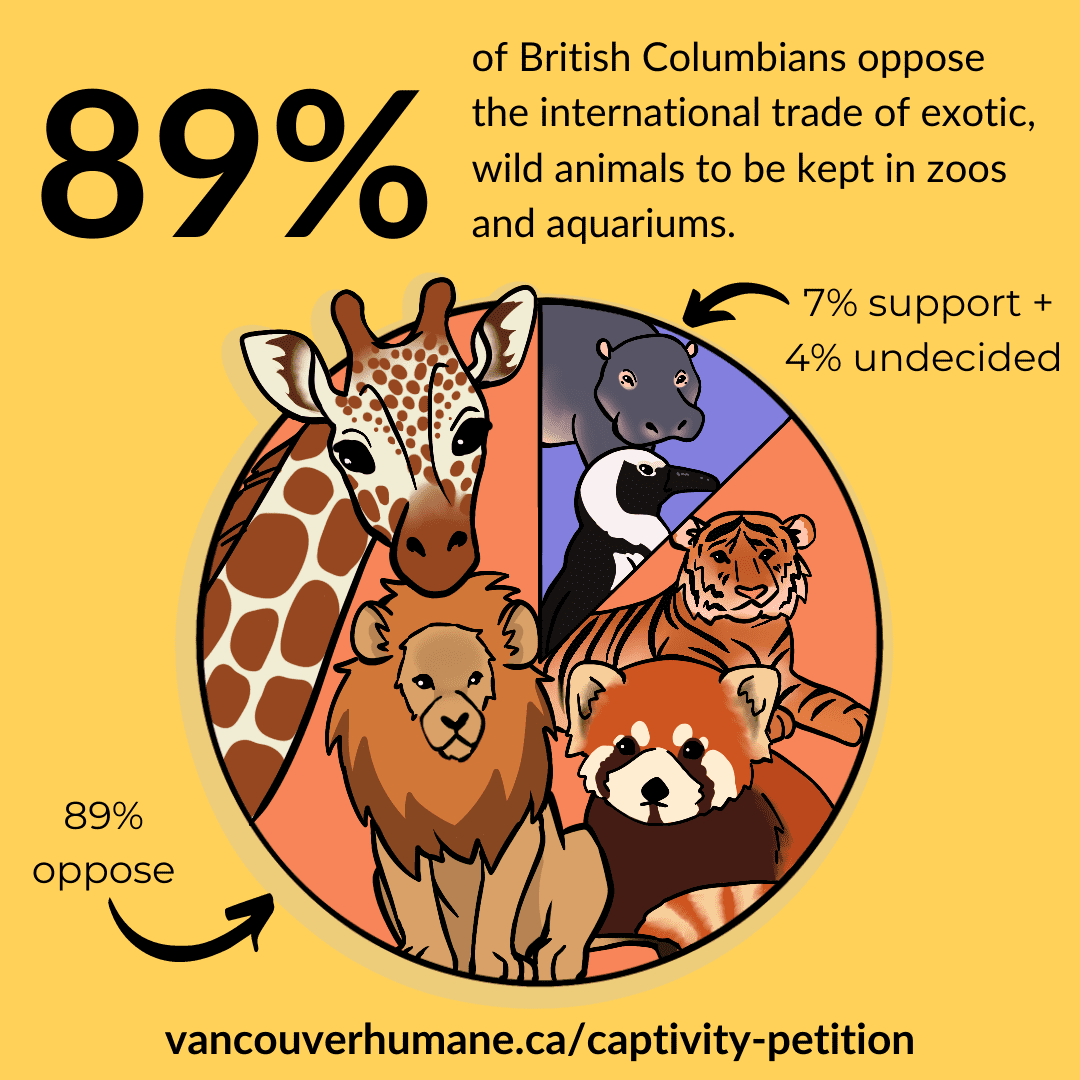
Locally, recent public polling data reveals that 89% of British Columbians oppose the international trade of exotic, wild animals to be kept on display in permanent captivity in zoos and aquariums. This reinforces that protecting the welfare of captive animals is indeed in the public interest and there is an expectation that the provincial government, as the regulator of wild and exotic animals in captivity in B.C., has a responsibility to prioritize this. The protection of animal welfare is a widely shared value in our society, as evidenced by its inclusion in our laws, but it’s not being consistently applied. Given the obligation under our existing laws to not knowingly harm animals; the leadership of other levels of government to respond to changing public sentiment and animal welfare considerations; and the scientific evidence outlining the harm that non-domesticated animals face as a direct result of captivity, it follows that the provincial government has the moral responsibility to better protect wild and exotic animals in captivity.    

Zoonosis concerns 

The Covid-19 pandemic also put a spotlight on the wildlife trade and its connection to infectious disease risk. In fact, research indicates that 75% of emerging infectious diseases are zoonotic (transmitted from non-human animals to humans). The international trade of animals, including for captive facilities, increases the risk of disease spread. Factors that increase the risk of disease spread include more animal species; higher risk species; more animal numbers; more human contact; greater geographic ranges; movement from less encountered areas; species we know less about; mixing of species (in transit, upon arrival); less structure/scrutiny. These factors directly relate to captive facilities like the Greater Vancouver Zoo and Vancouver Aquarium, where large numbers of animals, from a variety of species and geographic ranges that would otherwise not occur in such proximity to each other are kept.  

Covid-19 cases or evidence of exposure has been confirmed in a number of captive species, including tigers, lions, puma, snow leopards, Canada lynx, jaguars, Asian small-clawed otters, gorillas, mink, white-tailed deer, ferrets, binturongs, fishing cats, coatimundi, spotted hyenas, and hippopotamus.

Local context 

The VHS has monitored the issue of wild and exotic animal captivity in B.C. for many years, dating back to 1997, with the first report about the Greater Vancouver Zoo published by VHS and Zoocheck. Subsequent reports were published in 2003, 2008, and most recently in 2019. Common recurring issues throughout the reports include observed abnormal behaviour by animals; inappropriate housing of social species; enclosure conditions; water-logging and dampness of outdoor exhibits; lack of enrichment; and breeding practices. Recurring recommendations have included ending the keeping of exotic species; providing more enclosure space and complexity; improved enrichment; housing according to social needs; and ending captive breeding.  

The VHS has also advocated over the years for changes at the Vancouver Aquarium, including supporting a move away from cetacean (whale, dolphin and porpoise) captivity. Through a report, “A Crumbling Case for Cetacean Captivity”, claims that cetacean captivity resulted in substantive conservation research and education benefits was critically assessed. The report concluded that the output of captive cetacean research papers was relatively low and a citation analysis largely suggested that impacts were not substantive. The educational benefit of captive cetaceans was also not substantiated. The report went on to note that stated goals of conservation and education made by zoos, marine parks and aquariums can be achieved, and in many instances are being achieved, in other ways that do not require the keeping of live cetaceans in captivity. It’s also worth noting that in terms of research on captive animals, they can respond quite differently to a range of experiments than a wild, free-living counterpart would. This reinforces the importance of prioritizing field research and the conservation benefits of studying species in the wild. 

The VHS has encouraged both facilities to transition toward a sanctuary model, focused on rescue, rehabilitation and release programs for injured and orphaned native wildlife and to assist and support conservation efforts of native, wild populations. 

Provincial definitions and regulation of wild and exotic species 

The keeping, breeding and transport of wild and exotic animals is governed under British Columbia’s Wildlife Act and its regulations.  

Under the Wildlife Act, the definition of “wildlife” includes raptors, threatened species, endangered species, game and other species of vertebrates prescribed by regulation, and for the purposes of a number of specific sections, also includes fish. The definition of “game” includes big game, small game, game birds and fur bearing animals, and other species prescribed as game. The Designation and Exemption Regulation lists several schedules of species, noting that Schedule A are prescribed as wildlife for the purposes of the definition of “wildlife” in section 1 of the Wildlife Act. Schedule B lists animals that may be captured or killed only for the specific purpose of protecting property unless an open season is designated by regulation. Schedule C lists animals that can be captured or killed anywhere and at any time in B.C. A hunting licence is not needed to hunt or kill Schedule C animals, unless a person is hunting the following species on their property or they are damaging the person’s property: crows, black-billed magpie, and brown-headed cowbird. Schedule D lists threatened species, with sea otters as the only species currently listed. Schedule E lists endangered species, including the Vancouver Island marmot, burrowing owl and American white pelican. Under the Wildlife Act Permit Regulation, a permit can be issued to possess and transport live wildlife.

Under this framework, the definition of “wildlife” excludes exotic animals, a number of species of which are designated as “controlled alien species” under a separate regulation by the Wildlife Act. Section 6.4 of the Wildlife Act states that the minister can designate a non-native species that poses a risk to the health or safety of any person or poses a risk to property, wildlife or wildlife habitat as a controlled alien species. The minister may by regulation prohibit and impose requirements in relation to the possession, breeding, release, selling and transporting of a controlled alien species. B.C.’s Controlled Alien Species Regulation currently designates more than 1,000 exotic species as controlled alien species, prohibiting that they be kept, bred or transported without a CAS permit. Permits are allowed for accredited or equivalent zoos and aquariums; certified research and educational institutions; film and tv production companies; rescue facilities; and prohibited animals passing through the province in transit. Private individuals still have sunset permits and if they want to transfer ownership to another person, can apply for permit. 

Bill S-241 

Recently proposed federal legislation, Bill S-241 (Jane Goodall Act), aims to improve protections for captive animals across Canada. The bill prohibits owning, breeding, importing/exporting and interprovincial transport, and possessing reproductive materials for a wide range of species, including big cats, bears, wolves, seals, sea lions, walruses, certain monkeys, and dangerous reptiles, such as crocodiles and giant pythons. It provides exceptions for existing individual animals currently in captivity; for those in need of rehabilitation; for the purpose of conducting non-harmful scientific research or in the best interest of the animal, with regard to individual welfare and conservation of the species.   

Bill S-241 also prohibits the captivity of the listed species for entertainment purposes; phases out captivity of elephants; and restricts captivity of great apes to specific organizations for the purpose of conservation and research only. It also identifies seven organizations that have been deemed in the bill to be eligible animal care organizations, including the Vancouver Aquarium but no other facilities in B.C.  

It outlines a number of factors to be considered when adding or removing a species from the list of designated animals subject to the prohibitions and references consultation with representatives of groups whose objective includes the promotion of animal welfare. Considerations listed include whether the biological and ecological needs of individual animals to live a good life can be met in captivity, specifically their ability to engage in natural behaviour; their intelligence, emotions, social requirements, physical size, lifestyle and potential use in performances of species; the public safety risk they pose; and the evidence of harm to animals of the species in captivity, including stereotypies, health problems in captivity, shorter lifespans and increased infant mortality rates. 

The bill allows the Minister to issue permits authorizing eligible animal care organizations to keep designated animals; conduct non-harmful scientific research; breed; import; transport between eligible animal care organizations; transport/export for relocation to natural habitat; export to an animal care organization outside of Canada that is a member of the Association of Zoos and Aquariums or the Global Federation of Animal Sanctuaries or that would be considered an eligible animal care organization if located in Canada. The bill requires organizations to apply for designation as an eligible animal care organization. Organizations are expected to administer the highest professionally recognized standards and best practices of animal care; have procedures that protect whistleblowers; refrain from activities that misrepresent or degrade captive animals, including through performance for entertainment purposes; and acquire animals in a manner that doesn’t threaten species populations. The Minister may prescribe standards and best practices of animal care, if professionals in animal science, veterinary medicine and animal care, and groups whose objective includes promotion of animal welfare have been consulted and if the standards account for the best available science and information. 

Issues 

Gaps in provincial regulations 

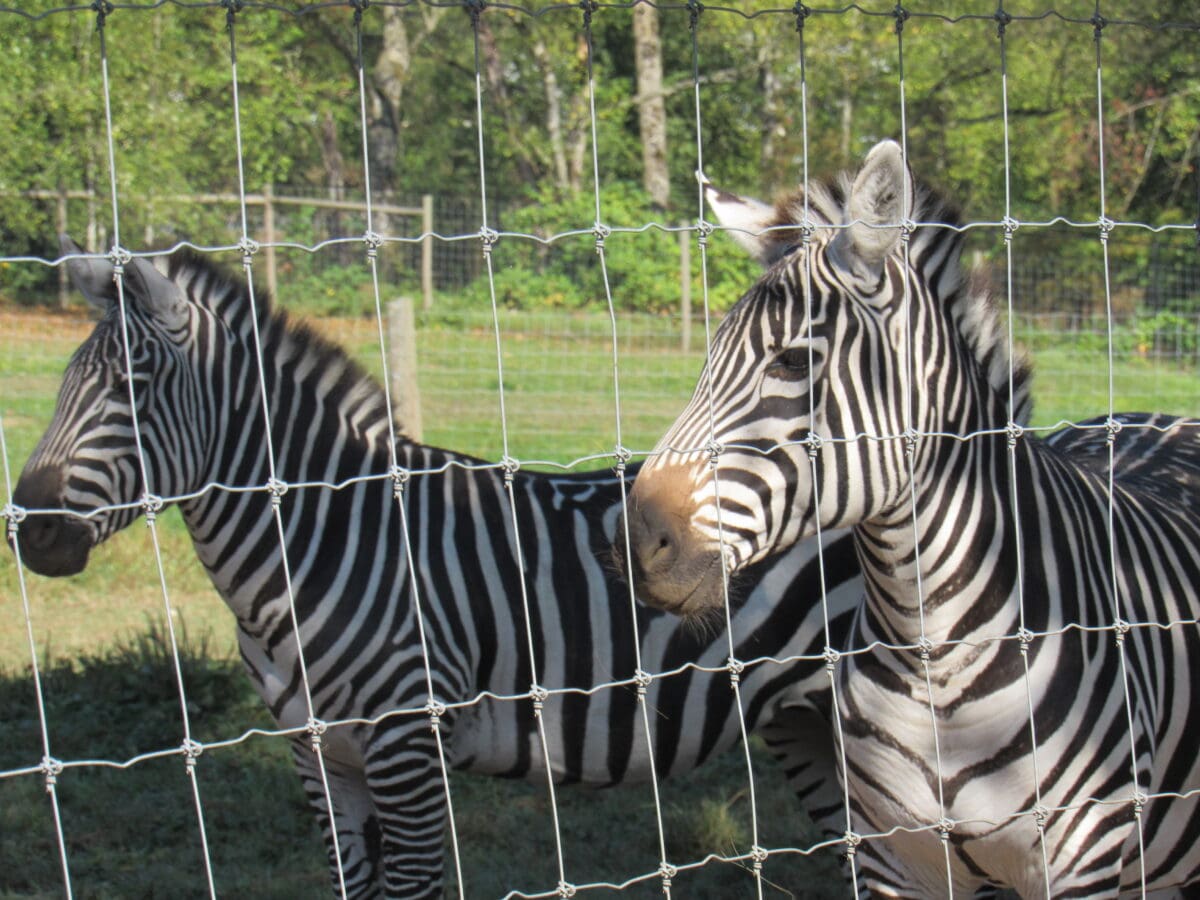
B.C.’s existing regulations related to the keeping, breeding, display and transport of exotic species are not comprehensive, leaving out many exotic species that are not subject to permits under regulations, because they are not considered “wildlife” as per the Act’s definition, or are not on the CAS list. For example, exotic species including, but not limited to, zebras, kangaroos, serval cats, ball pythons, and wallabies can still legally be kept by anyone in B.C. where there are no municipal restrictions. 

The CAS regulation currently prohibits only species that pose the greatest threat to public health and safety and does not consider animal welfare or a species’ suitability for captivity. The CAS regulation has not been significantly updated since it was created in 2009. Meanwhile, a growing body of evidence, as outlined in this document, pointing to how exotic animals suffer in captivity, along with shifting public sentiment, reflects the need for B.C.’s regulations to be updated. 

Controlled alien species permits and reliance on Canada’s Accredited Zoos & Aquariums accreditation  

Currently, the B.C. government issues permits to zoos and aquariums for possessing, breeding and transporting prohibited controlled alien species, requiring that they be either accredited by Canada’s Accredited Zoos & Aquariums (CAZA), or able to provide proof to the satisfaction of the director of meeting or exceeding the accreditation standards set by CAZA in order to receive a permit. In reviewing the B.C. government’s permit application, the only supporting documentation required is certification of insurance. Any other information pertaining to species welfare and care, enclosure details, safety standards and collection/breeding plan is available upon request and shared by CAZA on the facility’s behalf.

This heavy reliance on and downloading of responsibility to ensure high standards to a private, industry association is problematic for ensuring oversight and transparency around captive facility operations.  

A review of CAZA’s organizational structure, as outlined in the 2021 Accreditation Process Guide, illustrates how the organization is a private zoo and aquarium industry association that represents the interests of its members and that CAZA accreditation is not, on its own, an indicator of best practices and high animal care standards. CAZA’s organizational structure, including the Board of Directors, Accreditation Commission, Visiting Committee, Accreditation Appeal Panel, and Ethics and Compliance Committee, are comprised of CAZA members, with the exception of a veterinarian, permitted to be on the Visiting Committee and Accreditation Commission (as a non-voting member). The criteria for serving as an Accreditation Inspector requires that individuals are CAZA members (veterinarians may be an exception) and that individuals are currently employed at an accredited institution, with no exception noted for veterinarians.

Another overarching concern regarding CAZA is that the accreditation standards are vague, not species-specific, and largely outcome-based, leaving the process in terms of how to achieve them open to interpretation. Instead, prescriptive requirements can help prevent animal welfare issues from occurring in the first place, because they outline a specific process or action to follow, making them more objective and easier to enforce. For example, the Global Federation of Animal Sanctuaries (GFAS) accreditation program includes more taxa-specific, in-depth animal care standards. Standards around space allocations illustrate this difference between outcome-based and prescriptive approaches. CAZA standards around space allocations, which are not taxa-specific, state that “Habitats in which animals are on public display must be of a size which enables the animal to demonstrate natural behaviours and to achieve a full range of body motion and physical movements.” While outcome-based measures can be useful, when used, they must be based on both psychological and physical metrics. Being able to physically move is not enough of a benchmark to establish the well-being of an animal in captivity. 

CAZA standards also state that member institutions must develop a clear and transparent process for identifying, communicating, and addressing animal welfare concerns, including from members of the public. It’s required that feedback to the person submitting the observation be timely. Prior to publishing of VHS’s most recent Greater Vancouver Zoo report in 2019, the author of the report made a number of attempts to engage with zoo management but received no response. VHS also shared the report with the zoo’s owner and received no response.  

Also of concern is that CAZA facility inspections occur only once every five years, with facilities notified in advance when they will be subject to an inspection. The results of these inspections are also kept confidential, preventing transparency and oversight of the accreditation process.  

Ultimately, CAZA accreditation simply indicates that minimum standards have been met that qualify an institution for CAZA membership, rather than any assurance of adequate standards for animal care and welfare.  

Recent captive facility incidents and site visits 

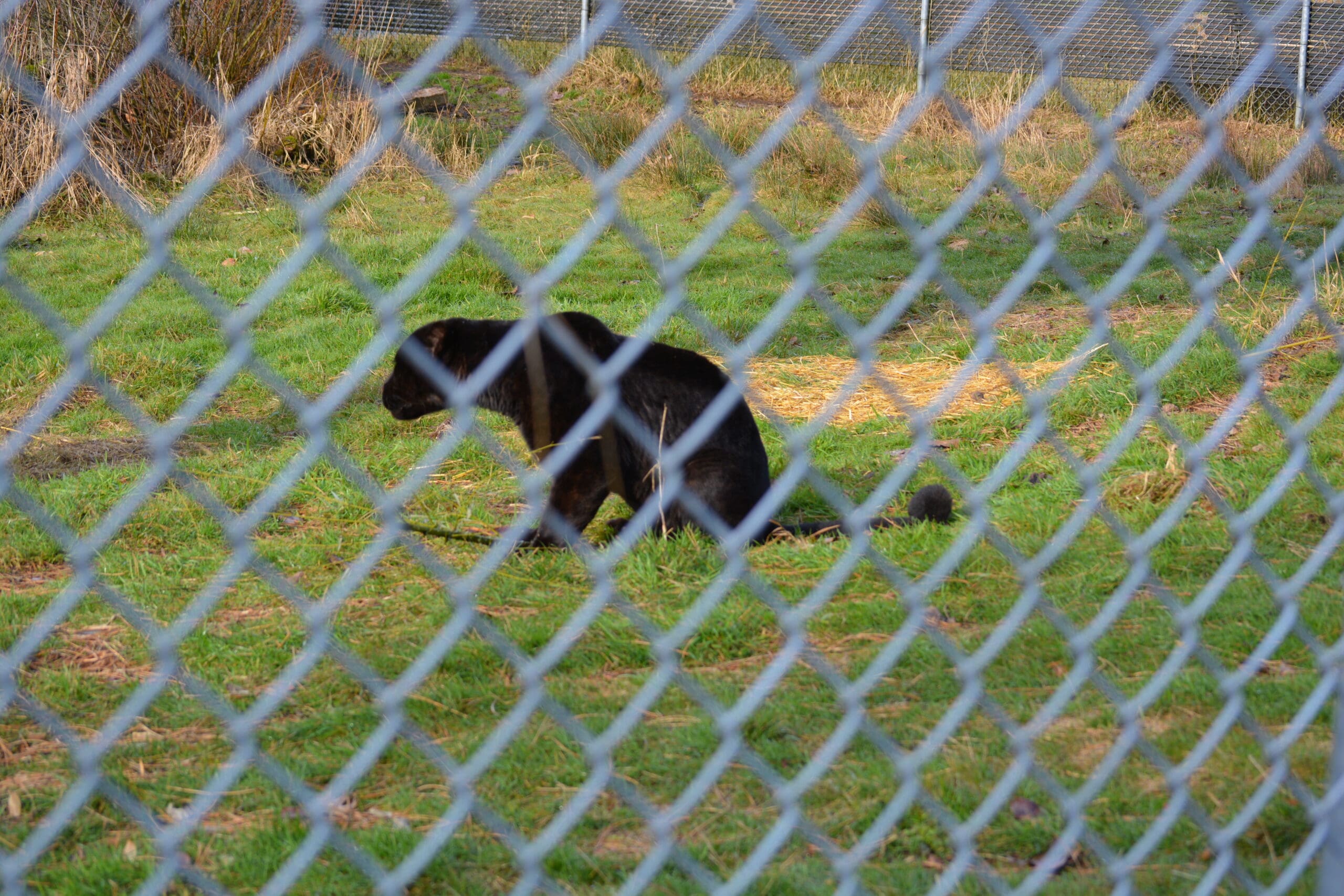
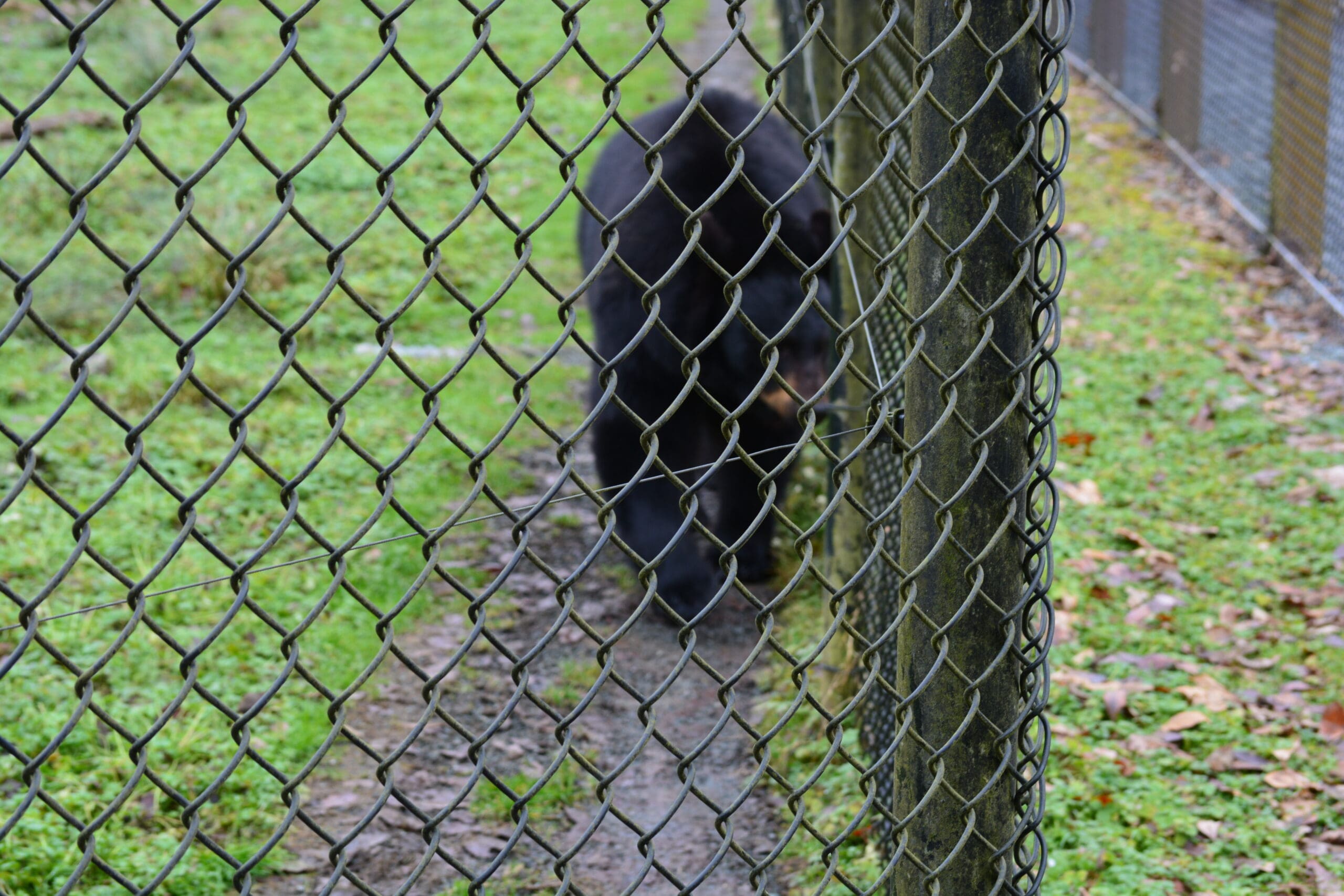
A series of high-profile incidents that have occurred in recent years at CAZA-accredited facilities in B.C., along with the multiple reports, photos and video evidence collected of concerning behaviours and circumstances, reinforce the issues around relying on CAZA accreditation for CAS permits. A lack of adequate facilities is also evidenced by the history of incidents and concerns outlined in various VHS reports, dating back to 1997, and discussed in the background section of this document. Since VHS’s last report was commissioned, several more high-profile incidents have occurred at the Greater Vancouver Zoo, including an incident in August 2019 in which a toddler was able to access an unauthorized area and was bitten by a black bear, resulting in the child being airlifted to hospital in serious condition. Then in the summer of 2020, photos of an emaciated-looking moose shared by a zoo visitor prompted public concern and resulted in the animal being euthanized the following day. Most recently, a WorkSafeBC report obtained by CBC News discovered that in December 2021 a zoo employee was bitten while feeding one of the zoo’s jaguars through a metal feeding chute. 

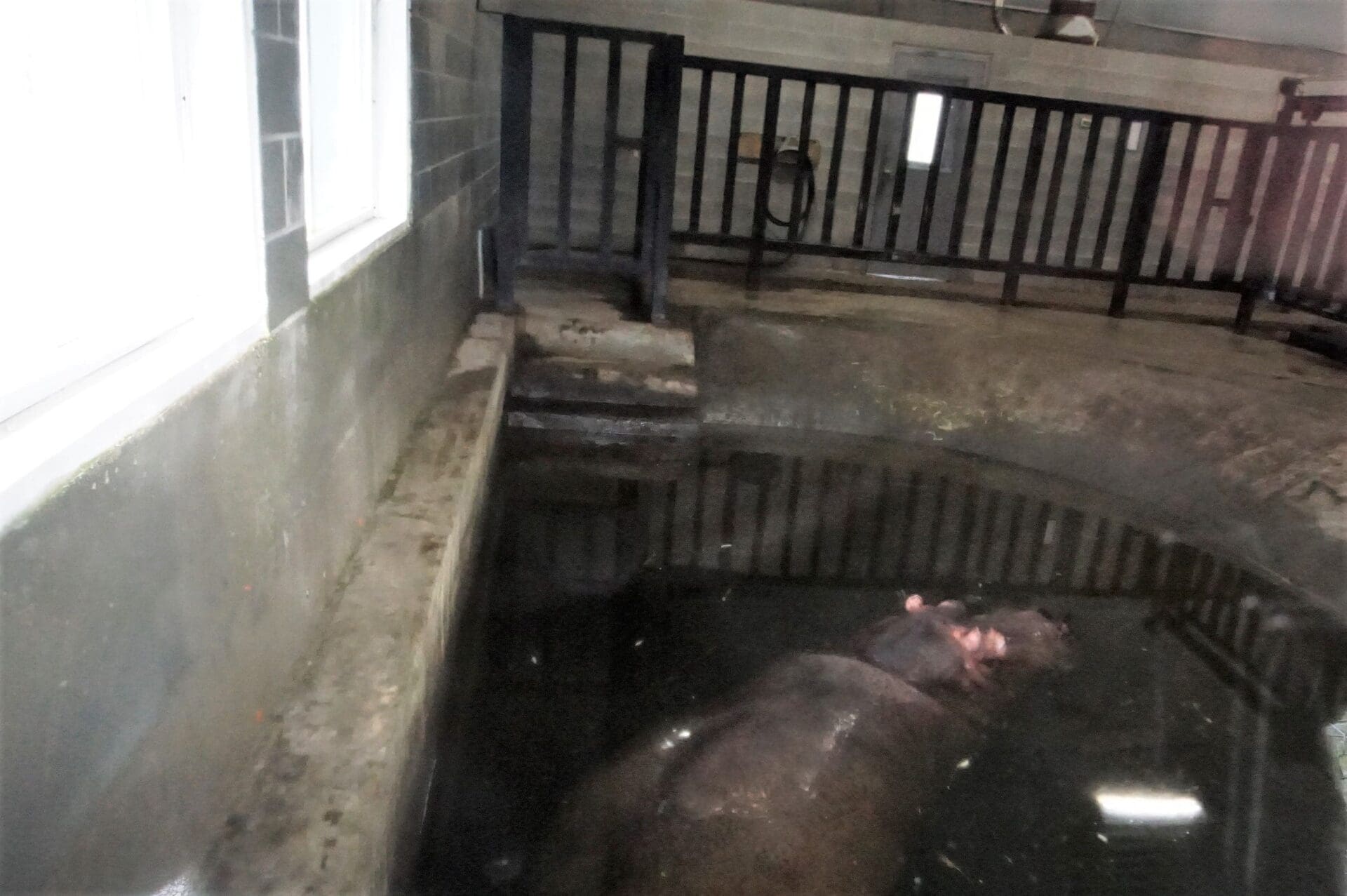
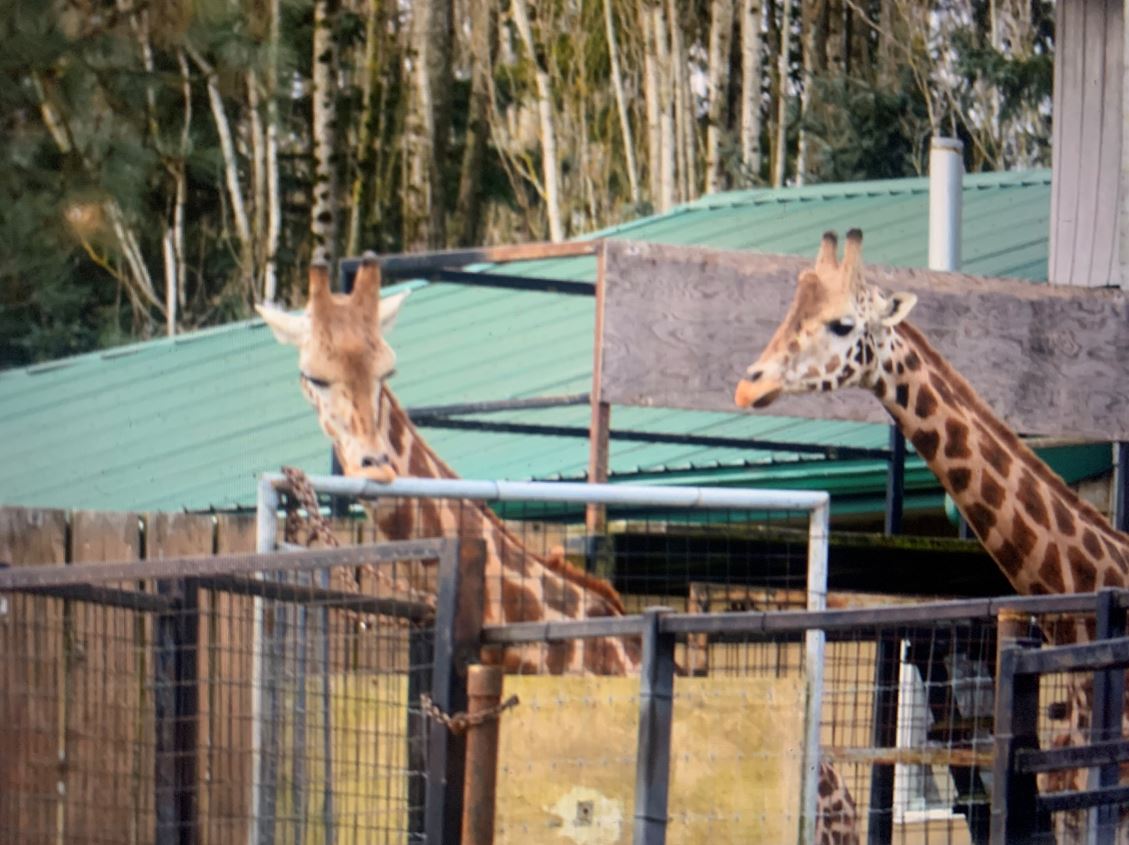
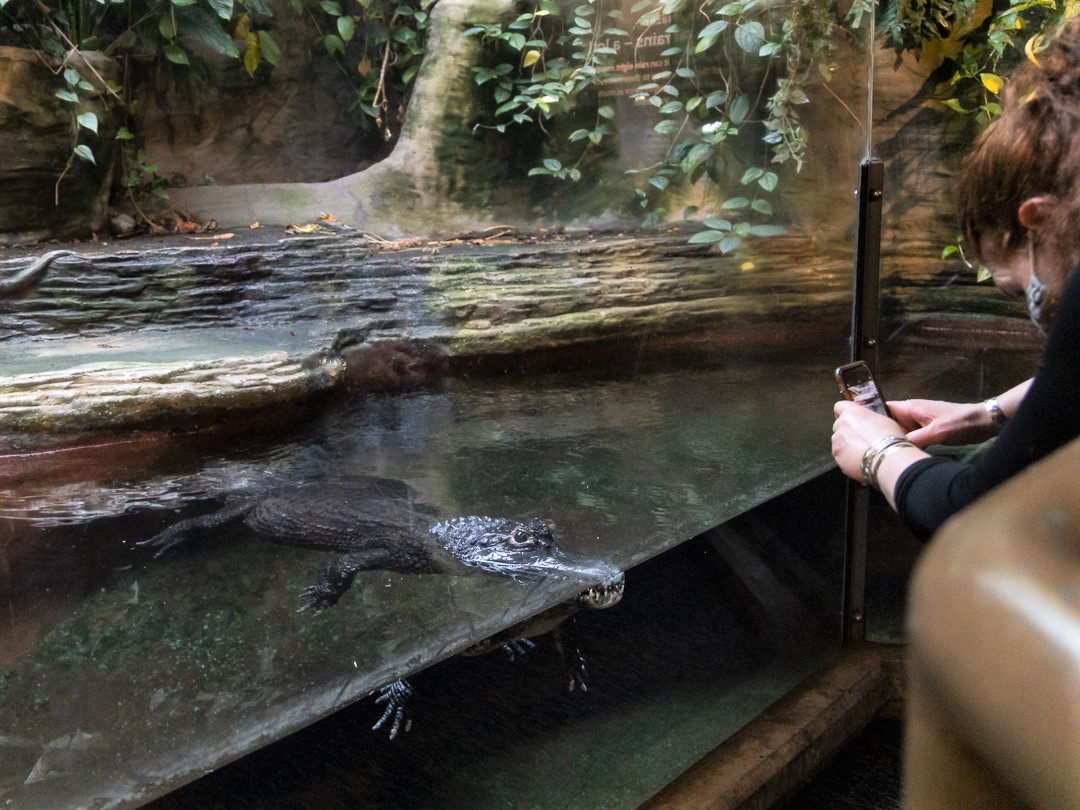
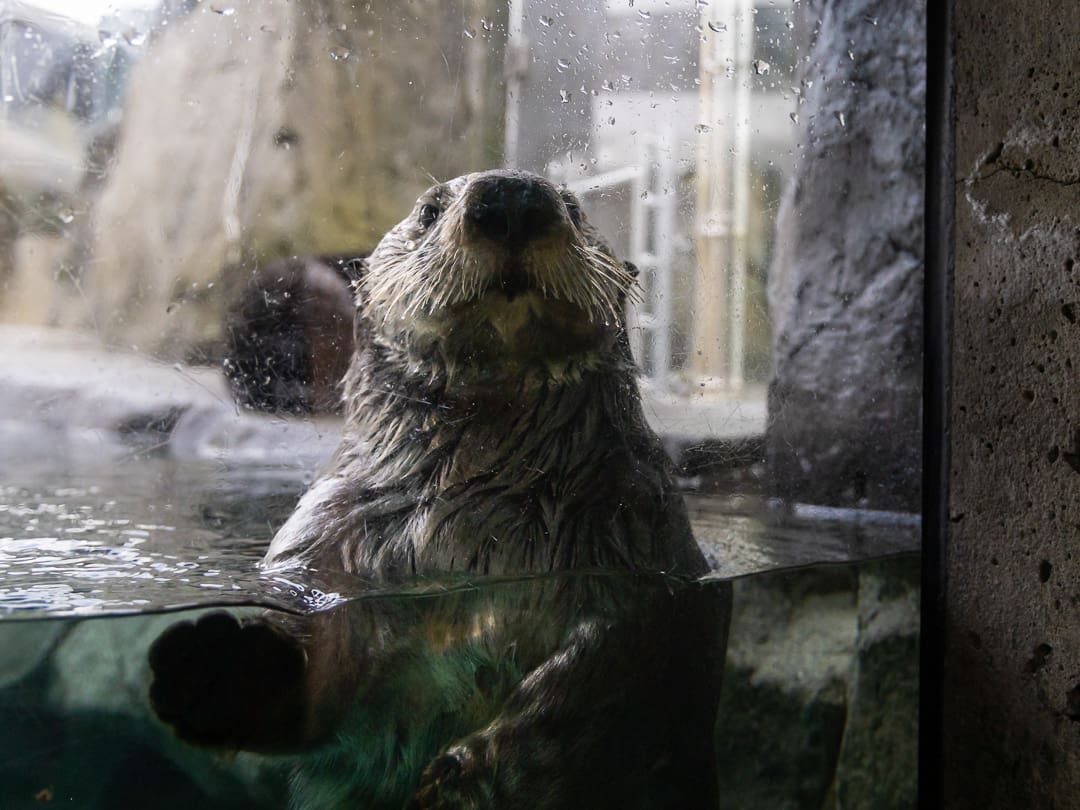
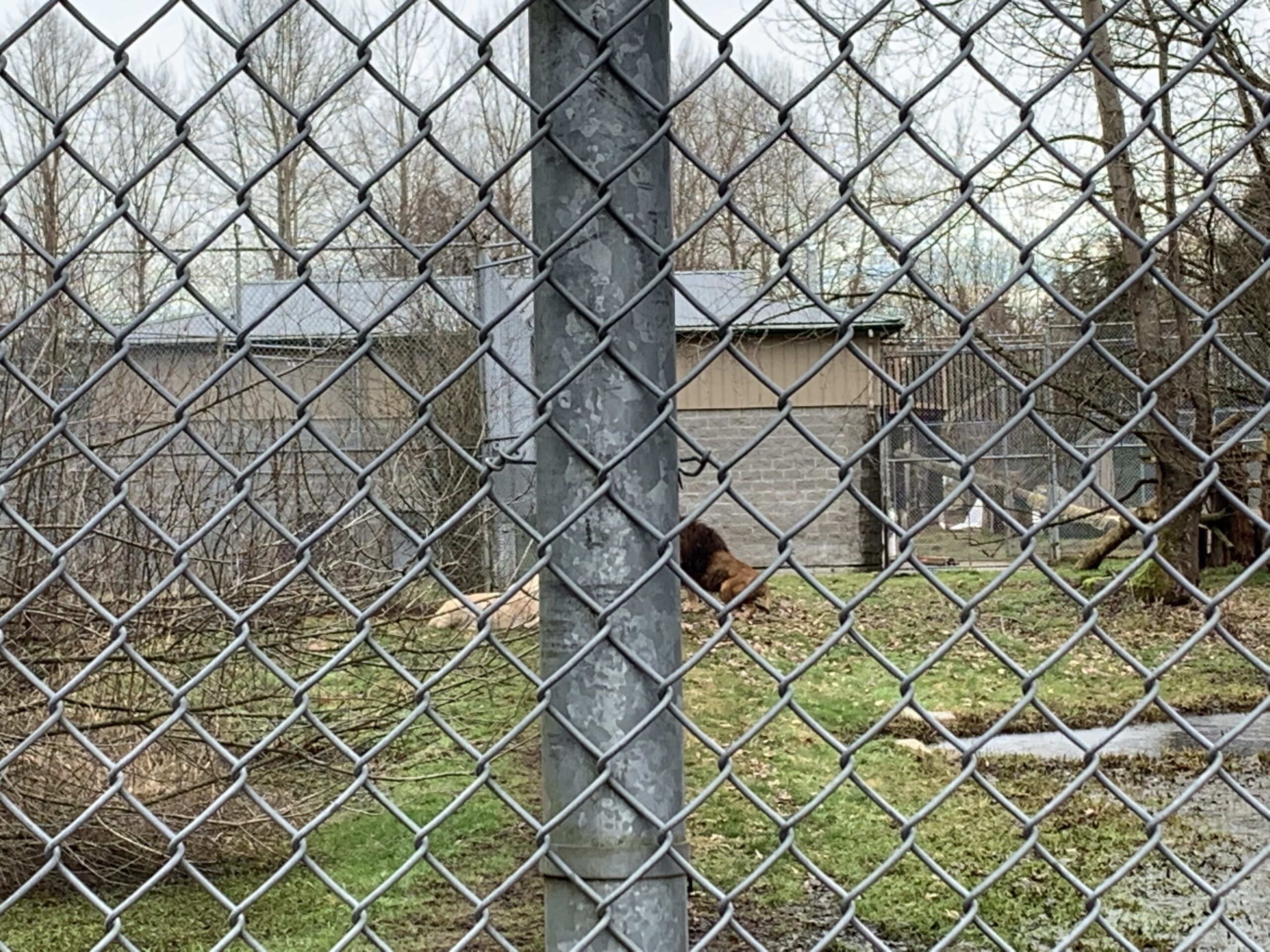
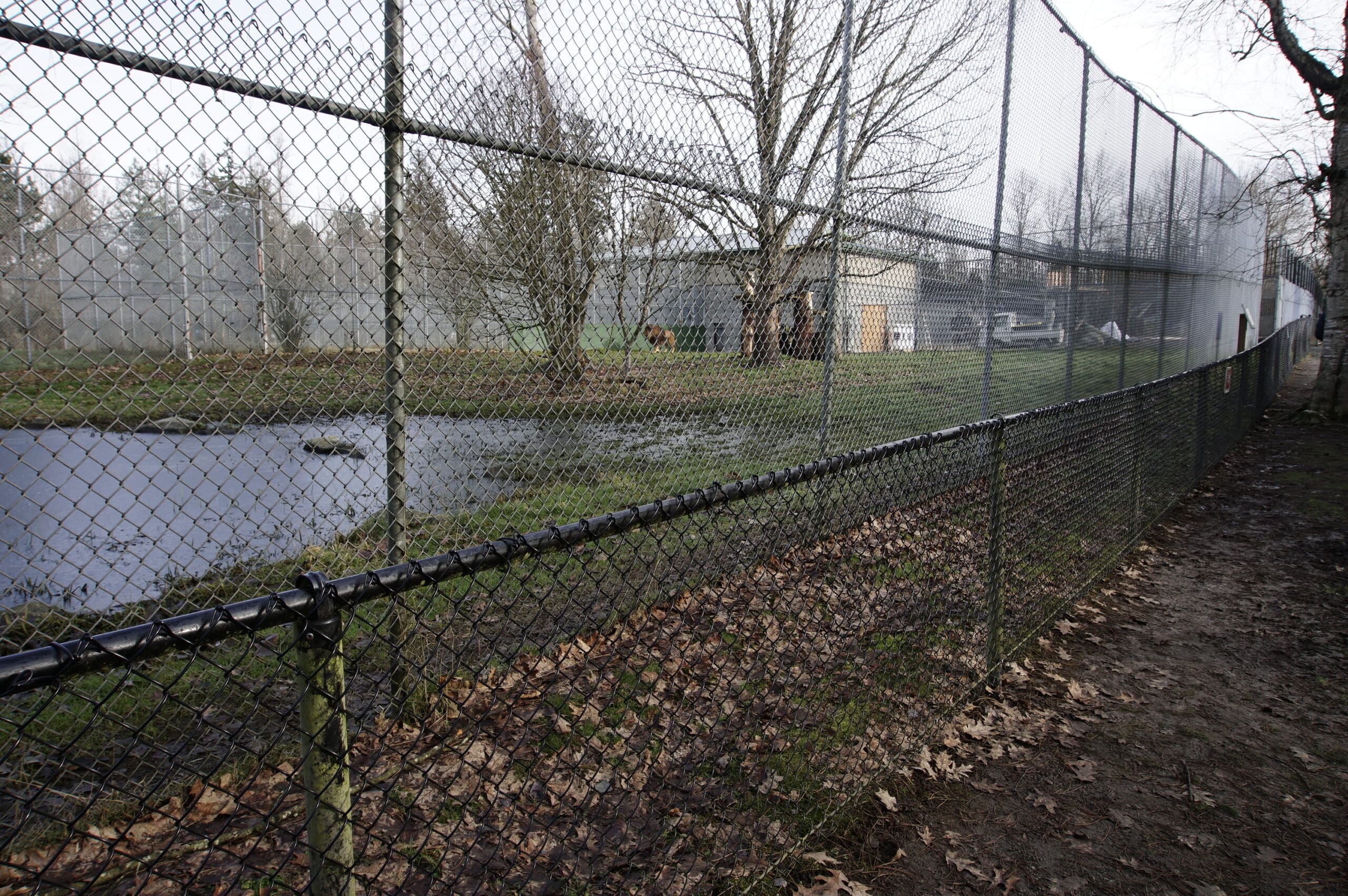
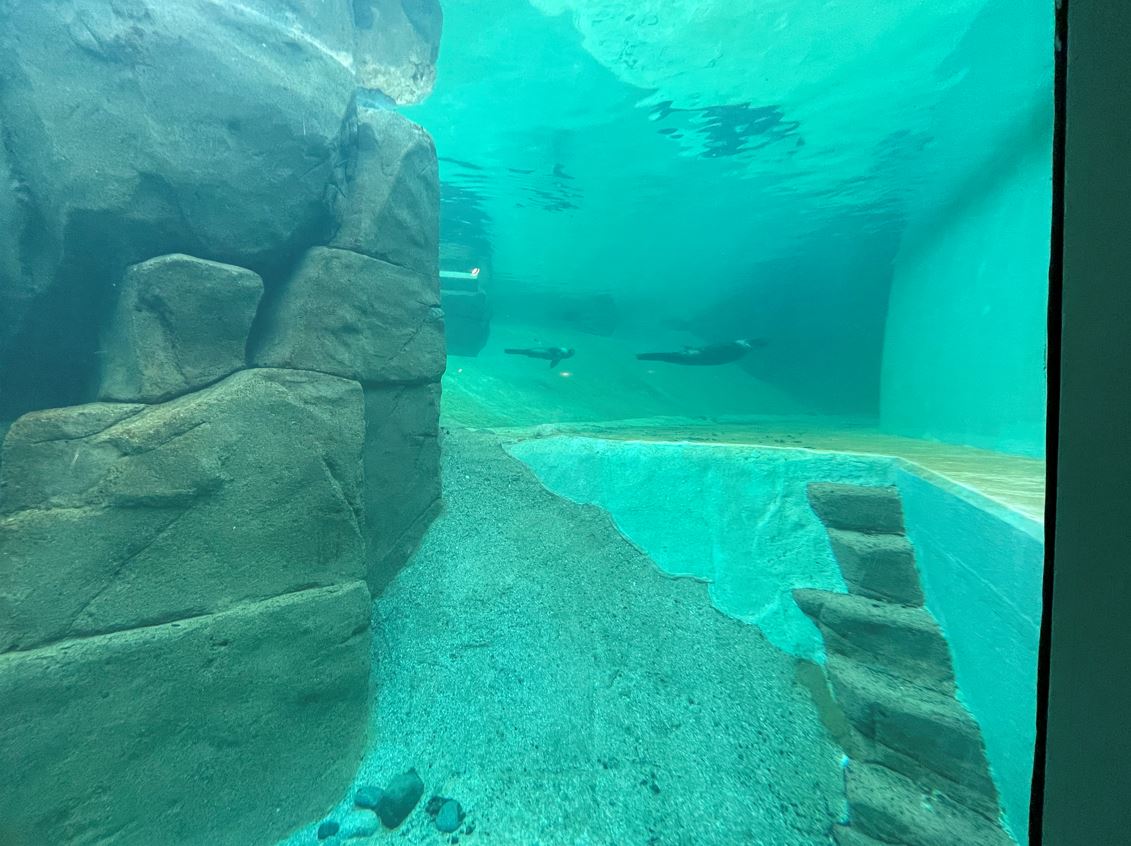
VHS visits to the Greater Vancouver Zoo in January and the Vancouver Aquarium in February of this year resulted in further documentation of ongoing animal welfare concerns. Photo and video evidence collected during these facility visits and from previous visits in recent years establishes a history of concerning situations and behaviour. This includes abnormal, purposeless, and repetitive behaviour by a number of animals, including a Steller sea lion seen repeatedly sucking on the ground of their enclosure; sea otters repeatedly pulling on the edge of their tank; a lone male lion repetitively pacing the fence that separates him from other captive lions; and giraffes licking and biting the bars of their enclosure. VHS also documented a number of inadequate enclosures, including for the two hippos at the Greater Vancouver Zoo, whose indoor enclosure is small and barren. It also appears there is only one, small indoor pool. Signage on their enclosure indicates they have been kept separated from each other since at least the summer of 2020. The African Penguin enclosure at the Vancouver Aquarium is also small and fails to provide any opportunity for the animals to escape public view. The penguins were observed spending the vast majority of the day during public viewing hours huddled together around a door in their enclosure. This evidence led VHS to submit a report to the BC SPCA and an investigation has since been opened and is underway.  

Bill S-241 gaps 

While Bill S-241 proposes a number of significant changes to the wild and exotic animal captivity industry across Canada, particularly in areas of the country where current regulations are largely non-existent, there are gaps in the bill which B.C. can address through action at the provincial level. The bill’s exceptions around owning, breeding, importing/exporting and transporting of designated animals for non-harmful scientific research or in the best interest of the animal, with regard to individual welfare and conservation of species leaves room for interpretation. Clarity is needed around what criteria will constitute legitimate non-harmful scientific research, an animal’s best interest and species conservation.  

The preamble to Bill S-241 acknowledges the shared federal and provincial jurisdiction around the subject of non-domesticated captive animals. This reality of shared jurisdiction means that, should Bill S-241 pass, the B.C. government would need to update provincial permitting for wild and exotic animals to meet or exceed the regulations outlined in Bill S-241, as the federal regulations would prevail over any weaker provincial regulations in this case. In its second reading in the Senate, the bill’s sponsor, Senator Martin Klyne, stated that the Association of Zoos and Aquariums (AZA) has one of the highest standards of accreditation, with only seven facilities in Canada achieving AZA accreditation. These seven facilities, which includes the Vancouver Aquarium but not the Greater Vancouver Zoo, are listed as the first eligible “animal care organizations” under bill S-241. Senator Klyne acknowledged that other organizations, including CAZA-accredited facilities, would need to improve or evolve in order to be approved as an animal care organization under the bill. This reinforces the need for improvements to B.C.’s regulations around wild and exotic animal captivity.  

While Bill S-241 extends protections to more than 800 wild animal species, thousands of other species remain unprotected under the proposed regulations, as well as under existing provincial CAS or Wildlife Act regulations. This includes species such as zebras, kangaroos, serval cats, ball pythons and wallabies. 

Recommendations 

With B.C.’s Controlled Alien Species regulations currently under review, now is the ideal time for updated regulations that are informed by society’s expanded awareness of the issues facing wild and exotic animals in captivity.  

The VHS is recommending a number of actions be taken to address the issues and gaps outlined in this briefing note: 

First, the VHS recommends that B.C.’s Controlled Alien Species Regulation be expanded to include criteria related to animal welfare considerations and, ultimately, that the possession, breeding, and transporting of all exotic species for the purpose of permanent captivity be prohibited. Crucially, this prohibition must also apply to circumstances under which the B.C. government currently issues CAS permits, including accredited zoos and aquariums, TV and film industry, and research and education institutions. 

Exemptions should be considered for existing exotic animals in B.C. In regards to possession, this includes maintaining the exemption that allows for a Rescue Centre Possession Permit for seized, abandoned or surrendered CAS animals. An exemption should also be included for the possession and transport, for the purposes of rehabilitation, of established, wild, non-native Wildlife Act species, including but not limited to grey squirrels. This exemption is not intended to include invasive species that pose serious impacts on native species and the environment. In addition, abandoned domestic European rabbits should be removed from Schedule C of the Wildlife Act, to allow for rehabilitation and rehoming without the requirement of a permit. 

In regards to transport of exotic species, an exemption should be included that allows existing exotic animals in B.C. to be relocated to more appropriate facilities if their physical, psychological and/or social needs are not being adequately met in captivity and/or those species who are particularly inappropriate for B.C.’s climate. Criteria for what constitutes a more appropriate facility should be based on the Global Federation of Sanctuaries accreditation standards or equivalent. A transport exemption should also apply for seized, abandoned or surrendered CAS animals under a Rescue Centre Possession permit. The VHS asks that the B.C. government adopt a positive list approach to the CAS regulation, which is a framework that allows only those species that meet certain evidence-based suitability criteria to be kept, bred and transported. This serves as an alternative to B.C.’s current negative listing approach, which involves restricting or banning problematic species. As outlined in a previous VHS submission regarding positive lists, the advantages include that they are short and easily understood by the public; they use an evidence-based approach, including animal welfare considerations; they are preventative and utilize the precautionary principle; and the onus is on those who wish to trade or keep exotic animals to identify animals suitable as pets. 

The VHS also asks that breeding of existing captive exotic species in B.C. be prohibited, effective immediately, so that efforts can be focused on providing the best possible care for those individual animals while ensuring no additional exotic animals are born into permanent captivity in B.C. facilities. Native wildlife must not be bred for the purpose of permanent captivity. As such, breeding of captive native wildlife should be restricted and only permitted as part of a reintroduction program into the wild, with video streaming permitted, but no physical display of the animals to the public allowed.  

The VHS’s final recommendation relates to record-keeping and emergency planning for facilities that have captive wild and exotic animals. As part of the B.C. government’s permitting process, the province should require and maintain records for all individual wild and exotic captive animals in B.C. facilities, including information related to every individual animal’s origin, import and export history, breeding history, births, deaths, and transport history. This should also include all animals owned by a facility but on loan. Similarly, emergency management plans for all wild and exotic captive animals must be required. Last year’s catastrophic flooding, heat dome and wildfires and the deaths of more than one million farmed animals as a result reiterates the growing importance of protections for animals under human care during disasters and emergencies. The area impacted in last year’s flooding of the Fraser Valley was not far from the location of the Greater Vancouver Zoo. It’s crucial that emergency planning include a feasible strategy for urgent animal evacuations to prevent the kind of mass suffering we have seen. 

While this document is focused on the context of zoos and aquariums, B.C.’s regulations also encompass the use of wild and exotic animals in other industries, such as TV and film, exotic pets, and educational and research institutions. The discussion and considerations outlined in this document should apply to all industries and use of wild and exotic animals that are subject to B.C.’s regulations.  
Categories
News/Blog

“Dogs in Distress”, Iditarod, and summer weather: Sled dogs still suffering

“Dogs in Distress”

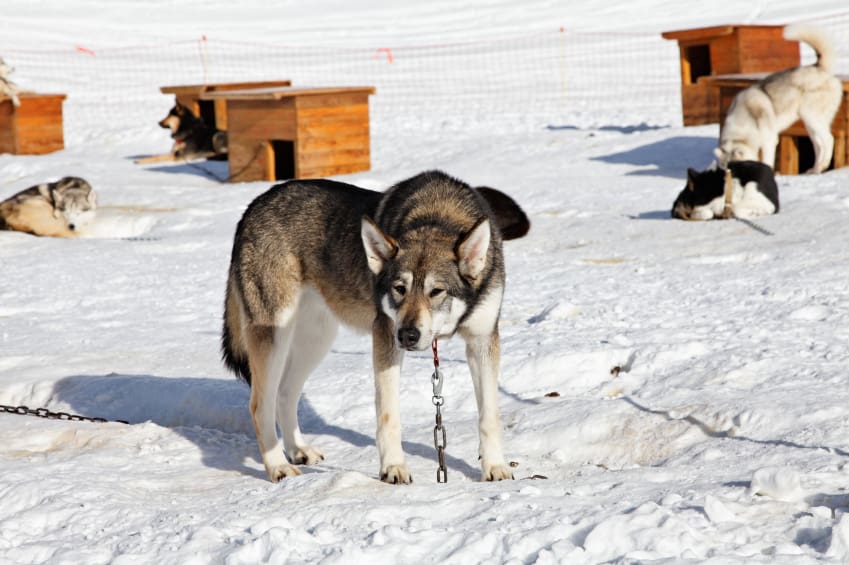
You may have seen the recent W5 investigation, “Dogs in Distress”, which exposed the commercial sled dog industry in Canada. The investigation found disturbing evidence of dogs chained outdoors for prolonged periods; repetitive pacing behaviour; and inhumane forms of euthanasia.

The welfare issues highlighted in the investigation reiterate the need for updating B.C.’s Sled Dog Standards of Care Regulation, which are overdue for review.

You can watch the full investigation below. Please note that the images and stories shared in this story may be very upsetting.

W5: Uncovering the shocking treatment of sled dogs in Canada

An iconic winter tourist draw is being scrutinized by experts and activists. Once essential to the survival of indigenous communities, dog sledding is embraced today for sport and tourism. W5 investigates what sometimes goes on behind the scenes when dogs aren’t pulling paid customers.

Recent decision by Iditarod

A recent concerning decision by Iditarod officials also highlights welfare issues in the long-distance sled dog race across Alaska. Despite claiming that participants would be disqualified for inhumane treatment of dogs, race officials penalized those who made the decision to shelter their dog teams safely indoors during a dangerous storm.

Officials noted that the participants who decided bring their dog teams indoors gained a competitive advantage even though they “did the right thing for their dogs”.

This concerning decision highlights a prevailing attitude that sled dogs can be exploited for human gain, even at the expense of their well-being.

Act now!

Update

This action has now ended. Thank you to the 6,315 advocates who used the quick action to call for meaningful changes for sled dogs. Please see the Current Campaigns page for more ways you can help animals used for human entertainment.

With warmer weather fast approaching, sled dogs will soon find themselves in the sled dog tourism industry’s off-season. Current regulations allow dogs to be chained for more than 23 hours a day, and many outdoor dog houses provide little protection from the summer heat. Use the quick email tool below to help protect sled dogs now.

Last year, animal advocates called for stronger regulations for sled dogs.

More than 4,700 individuals used VHS’s quick action tool to contact B.C.’s Minister of Agriculture, Lana Popham, who is responsible for the Sled Dog Standards of Care Regulation.

Thanks to all the support, VHS was able to meet with the Minister. She indicated that reviewing the sled dog regulations was delayed, but that they are on the Ministry’s to-do list.

Each email to the Ministry helps to get this issue recognized as a priority as VHS continues to follow up. Can you send a quick email to Minister Lana Popham now?

This action has now ended.

6,315 people used this tool to call for changes for sled dogs. Thank you for taking action.

See more campaigns
Categories
News/Blog

District of North Vancouver passes plant-forward motion

The District of North Vancouver has passed a motion to grow awareness throughout the community of the health and environmental benefits of increasing the intake of plant-based foods.

The motion, championed by Councillor Megan Curren, cited VHS’s report entitled “Increasing Plant-Based Purchasing at the Municipal Level”. The report was also cited in a motion unanimously passed by the City of Vancouver in November, which aimed to reduce animal-based food purchasing at the city level by 20%, to be replaced with plant-based foods.

You can read the full report, which outlines a case study of the impact of a 20% reduction in the volume of animal-based foods purchased at the City of Vancouver level, below. The report found that the proposed policy change would:

  • save up to $99,000
  • reduce greenhouse gas emissions by more than 500 tonnes
  • save the equivalent of nearly 400 farmed animal lives on annual basis

Thank you to Councillor Curren and the rest of the District Council for taking this plant-forward and planet-friendly step!

Categories
News/Blog

Helping animals after flooding devastates B.C.

In November of last year, devastating floods hit British Columbia. Nearly 15,000 people and their companion animals were forced to evacuate their communities; others were affected by floods through road closures, veterinary office closures, and more; homes and barns were damaged and destroyed; more than 640,000 farmed animals lost their lives.

Many families suddenly found themselves unable to afford veterinary care for their beloved companion animals. As those impacted by the floods began the long journey to recover and rebuild, our province came together to support them.

Hundreds of kind people gave toward VHS’s Flood-Impacted Veterinary Assistance fund. These generous donations from people like you helped flood-impacted people ensure their beloved animal family members were safe and healthy, and helped local organizations and veterinary offices to keep their doors open to continue providing essential care for animals affected by flooding.

Here are some of the stories of the flood-affected animals who have received assistance through VHS’s veterinary assistance fund.

Greenbelt Veterinary Services

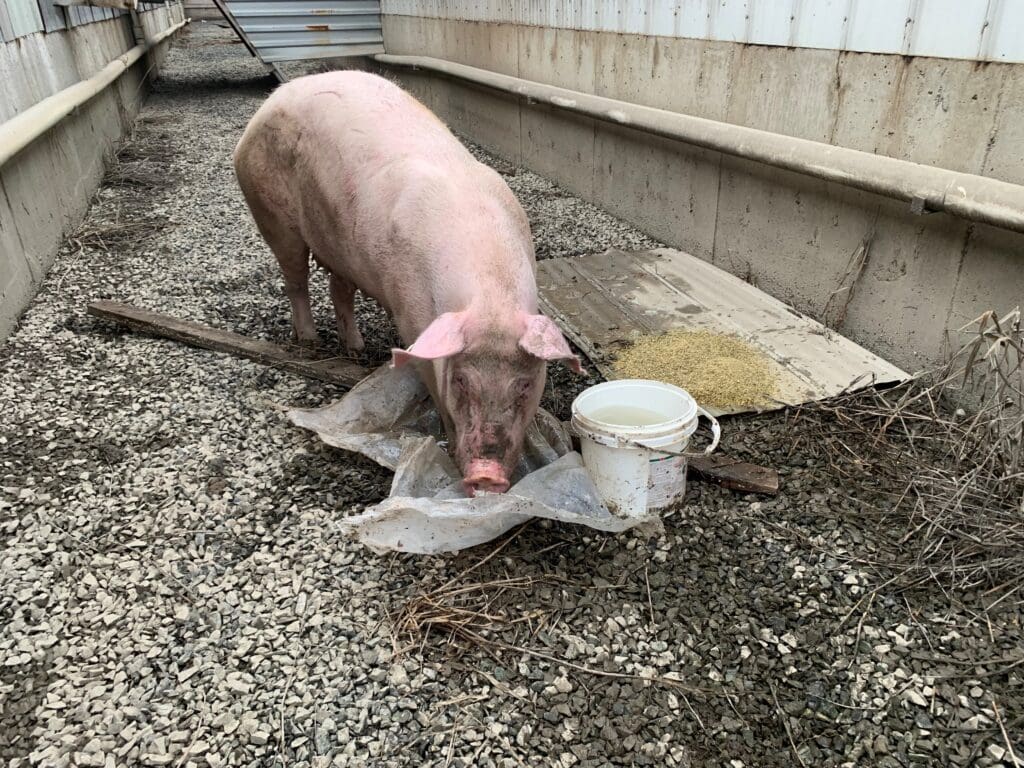
A pig roots in gravel after escaping floodwaters in Abbotsford.
During the rescue, a Greenbelt veterinarian found and helped a pig who had miraculously escaped on her own and found her way to higher ground.

Greenbelt Veterinary Services joined in the effort to rescue 6,000 dairy cows from flood waters over the span of 36 hours. Animals who had stood chest deep in water, unable to lie down for more than 36 hours were found in flooded barns as the waters receded. Many of these animals required immediate and ongoing veterinary treatment and supervision on their road back to health. Greenbelt took in animals who had been evacuated, including calves experiencing hypothermia. A gift from a generous anonymous donor enabled them to continue their vital work helping animals to overcome these devastating conditions.

Joanne’s Sanctuary

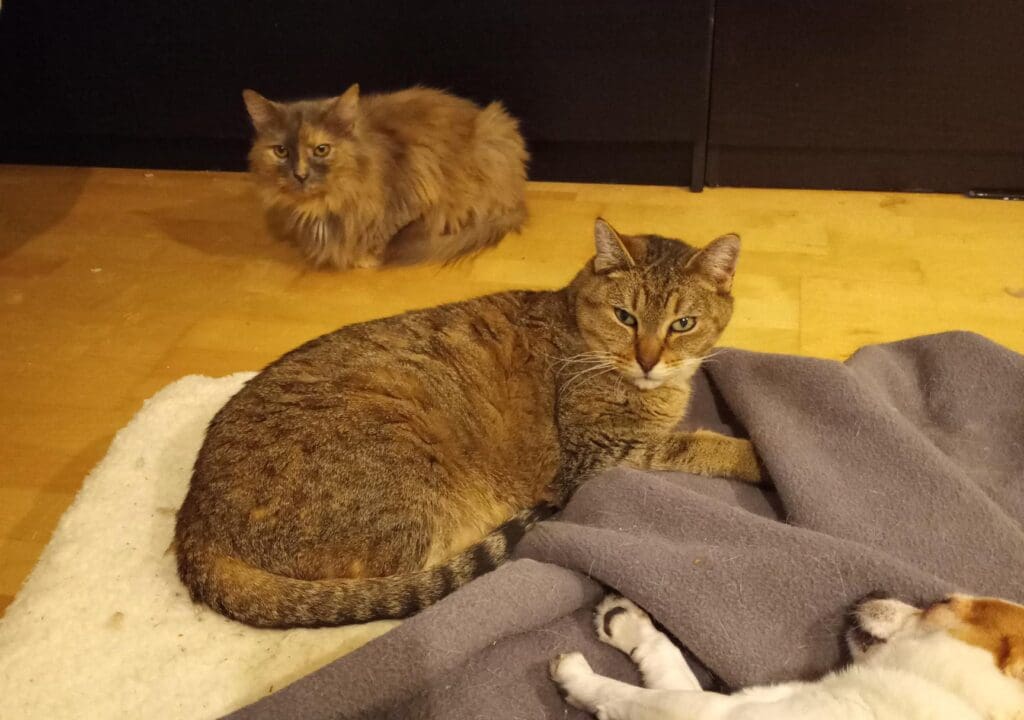
Two rescued cats, Elvis and Cleo, received veterinary care with the support of VHS donors.

The VHS also reached out to Joanne, whose sanctuary for farmed and companion animals was completely flooded. Joanne, her husband Mike, and a dedicated group of volunteers came together to rescue as many animals as possible with trailers and boats. The barn ended up six feet underwater and the house four feet. Gifts from incredible animal champions covered veterinary costs for two rescued cats, Elvis and Cleo, and provided funding to the veterinarians who work with the sanctuary’s horses, goats, and sheep.

Janine’s Equine Therapy Farm

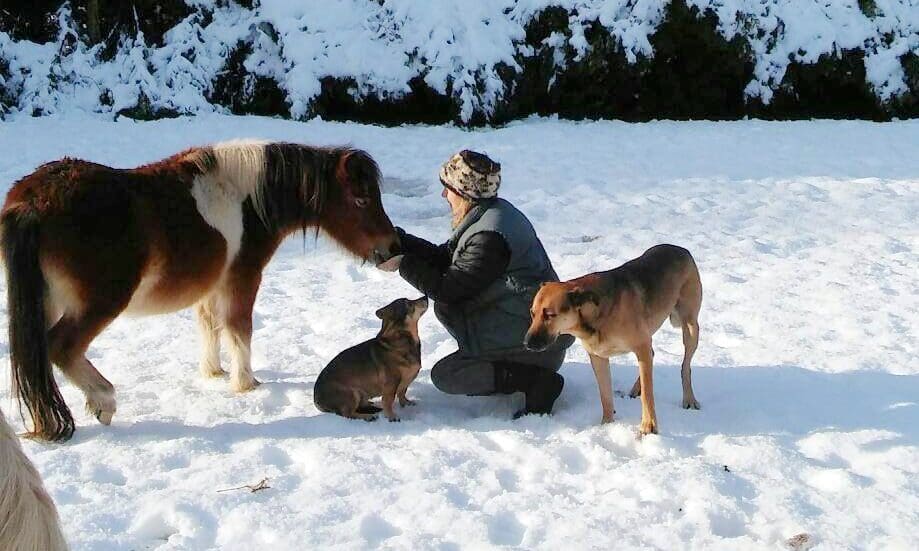
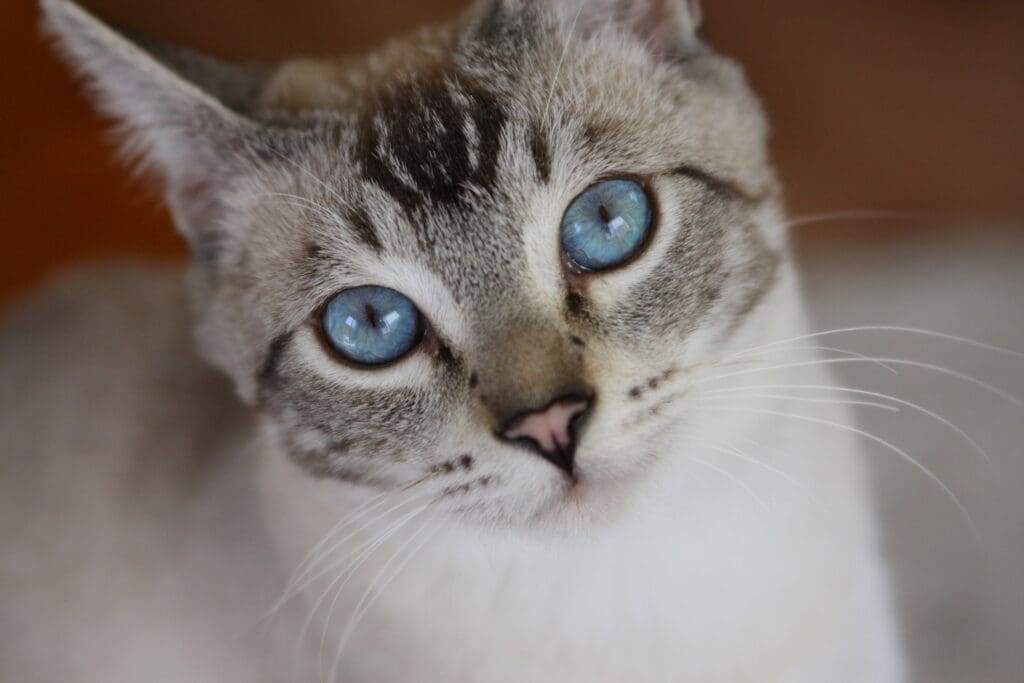
Through the generous support of donors, Beethoven received much-needed treatment including nuclear medicine to cure his hyperthyroidism.

Janine runs an equine counselling therapy farm (pictured on page 1). When the floods hit, this safe haven for humans and animals ended up in waist-high water. Between the costly damages and emergency care for the animals, Janine quickly ate through all her savings. She reached out for help for top dog Finnegan, who had a lump on his back; Daisy the 18-year-old horse, who was experiencing lameness from the flooding; and Beethoven, a gorgeous cat with hyperthyroidism who began experiencing seizures.

Thanks to generous donations from community members, the VHS worked with Janine and veterinarians to make sure all of these loved animals got the veterinary care they needed. Since our last update, Beethoven has received much-needed radiotherapy for his hyperthyroidism!

Dian’s rescued animals

Keri has begun gaining back his lost weight after being hospitalized for 24 hours.

Dian is a longtime rescuer of animals who lost her home in the flooding, but managed to save all her animals by carefully moving them to high ground and rationing water for herself so they could have enough.

You may remember the story of Dian’s senior rescue dog Buhrmeez, who received essential support for his recently-diagnosed leukemia which meant he could live out his golden years with his loving family.

Since we shared this story, Dian’s other dog Keri frighteningly began to vomit blood and had to be hospitalized for 24 hours. Keri has begun gaining back his lost weight with the help of medication and Dian’s loving care.

Donate toward flood evacuee veterinary support

Categories
News/Blog

Protect wild, exotic animals in captivity: Petition

Wild, exotic animals suffer in captivity

Zoos and aquariums cannot replicate the size and complexity of a wild animal’s natural habitat. Captive wildlife are also unable to engage in many natural behaviours that are crucial to their physical, social and psychological well-being. Captive exotic animals are often kept in climates that are not suitable for their species.  

According to polling,89% of British Columbians oppose the international trade of exotic animals (wild animals not native to B.C.) to be kept on display in permanent captivity in zoos and aquariums.

The VHS has shared an open letter outlining recommendations for updating B.C.’s outdated regulations around wild and exotic animal captivity.

View the full footage.

Learn more about exotic, wild animal captivity and help raise awareness

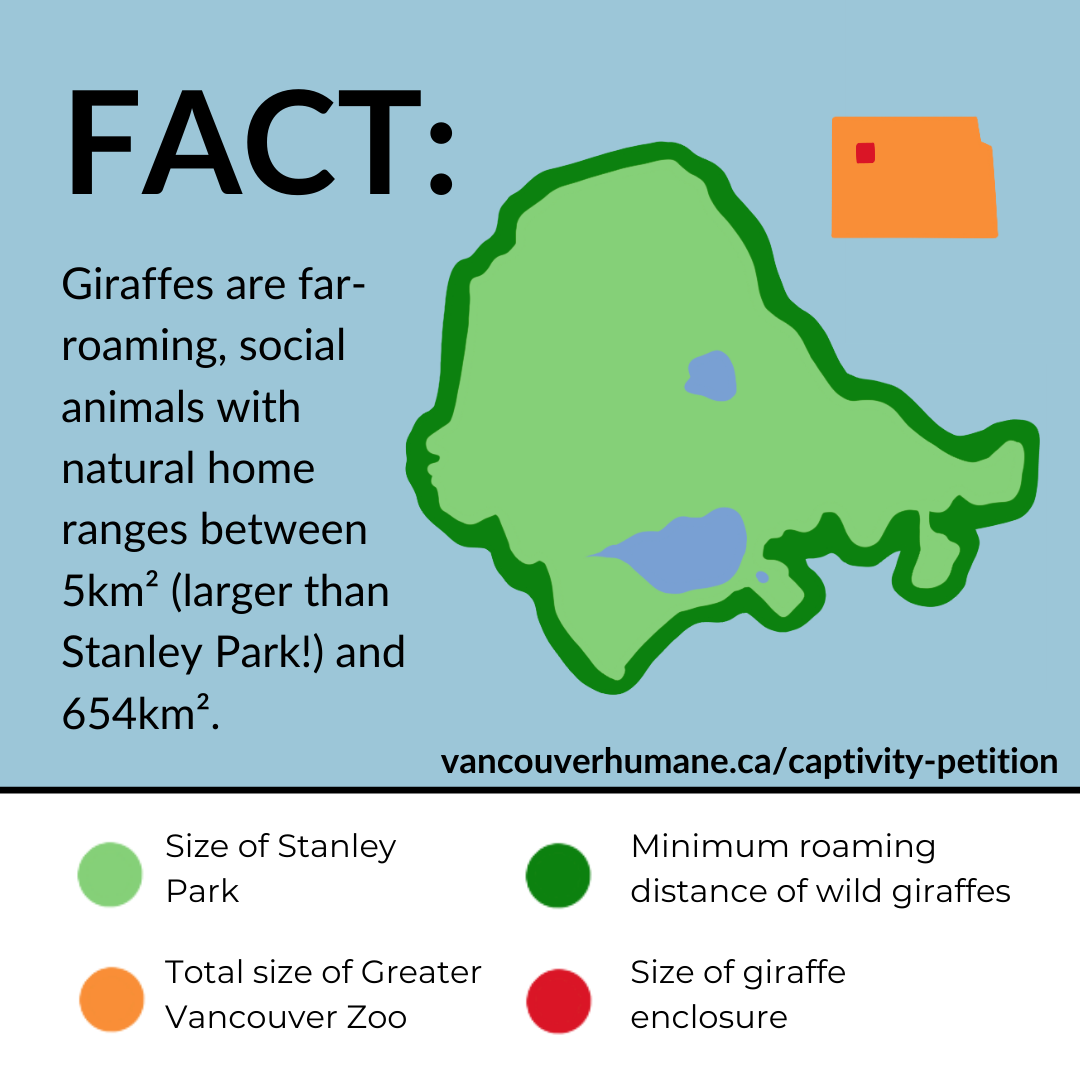
Scroll through the infographics below to learn more about the issues facing captive wild animals. Click the images to save and share them on social media, or scroll down the page for key messages to share on Twitter.

Wild, exotic animals have no place in B.C. zoos. I support @vanhumane’s suggested restrictions to animal captivity.
I signed the petition to protect wild, exotic animals from suffering in captivity! Will you join me?
B.C.’s Controlled Alien Species regulation has not been updated since 2009 and is overdue for an update. Sign the petition to call for changes!

B.C.’s outdated regulations

There are loopholes in the law when it comes to keeping exotic animals. While B.C. has regulations related to the possession, transportation and breeding of exotic animals (wild animals not native to B.C.), the “Controlled Alien Species” (CAS) regulation prohibits only species that pose the greatest threat to public health and safety and does not consider animal welfare or a species’ suitability for captivity. This leaves out many exotic species, such as kangaroos and zebras, who are not subject to the CAS regulation.

The international trade of animals also increases the risk of disease spread. One in four emerging diseases is zoonotic; many of the most serious illnesses of our lifetimes have originated in animals, including COVID-19.

In B.C., zoos and aquariums, industries using animals for research, and the TV and film industry can get permits to keep dangerous exotic animals through provincial laws regulating the trade of exotic animals. These Controlled Alien Species permits lead to frequent trade of exotic animals and end up resulting in at best, boredom and repetitive behaviours, and at worst, physical suffering and early death.

The province has not significantly updated the CAS regulation since its passing in 2009 and it is overdue for an update.

Categories
News/Blog

Hiring a Program Coordinator for Farmed Animal programs

How to apply:
Qualified and interested applicants are invited to email their resume with a cover letter to info at vancouverhumanesociety.bc.ca. We thank all interested applicants, only short-listed candidates will be contacted for interview.

About Vancouver Humane Society

The Vancouver Humane Society has existed since 1985 to provide an alternative to sheltering animals. Over time, animals have been helped through trap-neuter-return programming and more recently, providing funding for veterinary assistance for people and their pets who are in need. The Vancouver Humane Society is also an organization working to end the exploitation of animals, and has programming focused both on the reduction of animal use in food and in entertainment. The office is a vegan environment, with vegan defined as: “a way of living which seeks to exclude, as far as is possible and practicable, all forms of exploitation of, and cruelty to, animals for food, clothing or any other purpose.”

The Opportunity

The Program Coordinator is responsible for the coordination of the Vancouver Humane Society’s farmed animal advocacy programs, particularly focused on plant-based food advocacy for individuals and institutions, and the maintenance and promotion of the PlantUniversity.ca website.

Ideal skills and competencies:

Marketing, Sales, Customer Relationship Management, Excel, WordPress, Canva, knowledge of food systems, advocacy.

Duties and responsibilities:

Coordinating the promotion of PlantUniversity.ca to individuals, including:

  • Developing a strategy for advertising, including print media and social media,
  • Purchasing advertising,
  • Coordinating volunteers and contractors for graphic design,
  • Coordinating with Communications Director to promote advertising,
  • Engaging in public outreach, including presentations, attending events, etc.
  • Managing and monitoring funds in and out,
  • Tracking success by meeting identified targets;

Coordinating the promotion of PlantUniversity.ca to institutions and achieving commitments to a reduction in the volume of animal products served, including:

  • Preparing written information briefs for municipalities, food service agencies and the province,
  • Coordinating with volunteers and consultants to develop and update web-based print marketing materials, recipes and a recipe database, and guidance materials around purchasing for food service providers, and
  • Conducting research around potential partners and target audiences, organizing phone calls and in-person meetings and presentations where appropriate to partner with public and private agencies (e.g. schools, municipal parks and community centres, retirement homes, hospitals, corporate cafeterias) to assist with increasing their plant-based options and associated commitment.

Collaborating with agencies working towards the reduction of farmed animal suffering,

Providing program-specific information to VHS team members for publications, including newsletter, fundraising appeals, board reports, annual reports and grant applications,

Working in collaboration with the Campaign Director on farmed animal advocacy opportunities,

Adhering to VHS’s ethical standards in accordance with the Society’s mission and vision whenever representing the Society, and

Completing other duties as assigned.

Knowledge and skills (note, VHS is happy to employ someone who may not have every listed knowledge and skill if they are a good fit for the role):

  • Completed degree at the undergraduate level or 2 years of related work or community experience;
  • Demonstrated experience of working on a project with people with backgrounds other than your own;
  • Demonstrated experience of working to eliminate institutional isms such as racism/ableism/transphobia in previous jobs;
  • Demonstrated customer service/stakeholder relations and interpersonal skills;
  • Demonstrated ability to communicate effectively with staff, Board, donors, vendors, and the public;
  • Demonstrated experience developing and implementing marketing strategies;
  • Well-developed planning and organizational skills necessary for effective project management;
  • Demonstrated experience using social media platforms effectively;
  • Demonstrated ability to learn and use software and web applications efficiently, including WordPress;
  • Demonstrated experience using Microsoft Office effectively;
  • Demonstrated trustworthy nature, able to use discretion when handling confidential information;
  • Demonstrated experience in the supervision of volunteers;
  • Demonstrated experience giving presentations and engaging in advocacy, including the ability to engage effectively with target audience/decision-makers; and
  • Capacity to travel locally for meetings, presentations, and outreach, including transporting materials from the office, and setting up outreach materials.
  • Familiarity with food systems and foodservice industry considered an asset.
  • Comfort and familiarity using Canva an asset.
  • Comfort and familiarity editing videos an asset.

As individuals working or volunteering for the Vancouver Humane Society, we commit to expanding our awareness of social justice issues, checking our privilege, listening, learning, and unlearning about how to disrupt oppressive institutions in our community through our mission work. We recognize that every person has a basic right to human dignity, respect, and equitable access to resources.

Benefits of Joining the VHS Team

Use of a vehicle is reimbursed at $.50/km.

Pet-friendly workplace.

Supportive & friendly work environment.

Health & dental benefits.

POSITION DETAILS:

· Start Date: Flexible, as soon as possible.

· Permanent – Full-time, 37.5 hrs – week / Flexible schedule.

Reports to: Executive Director

· Salary: $48,750/year

How to apply:
Qualified and interested applicants are invited to email their resume with a cover letter to info at vancouverhumanesociety.bc.ca. We thank all interested applicants, only short-listed candidates will be contacted for interview.

Application deadline: March 6, 2022

Categories
News/Blog

Public feedback needed on dairy farm practices

Update

The comment period for the “Dairy Cattle Code of Practice” has now ended. The updated code is set to be released in 2023. Thank you for helping to ensure animals’ well-being is considered in this consultation.

The National Farm Animal Care Council’s (NFACC) “Codes of Practice” serve as guidelines for the care and handling of animals in Canada’s animal agriculture industry. The “Dairy Cattle Code of Practice” was last updated in 2009 and since that time cruelty cases, as recently as late last year at a B.C.-based dairy farm, have demonstrated serious systemic non-compliance in the dairy industry. 

NFACC is considering changes to the Code of Practice and is asking for public feedback. Your input is needed prior to the January 27th deadline to help advocate for stronger protections for cows on dairy farms.

We’ve compiled a summary of 13 key points below – please be sure to submit constructive comments in your own words. Do not copy and paste the key points below, as duplicate comments will not be considered.  

Participate in the “Dairy Cattle Code of Practice” public comment period before the January 27th deadline.

Note: If you don’t have time to comment on the specific sections, you can choose to leave general comments by clicking on the “general comments on the code” section, at the end of the survey

13 key points:

  • Section 1: Training – Consider sharing about how previous cruel handling of cows on Canadian dairy farms (e.g. such as kicking, punching, and beating animals, as seen in the following cases: Chilliwack Cattle Sales in 2014, Cedar Valley Farms in 2021) reflects a need for stronger requirements around supervision of staff, animal welfare training, and a process for staff to report concerns that ensures accountability.
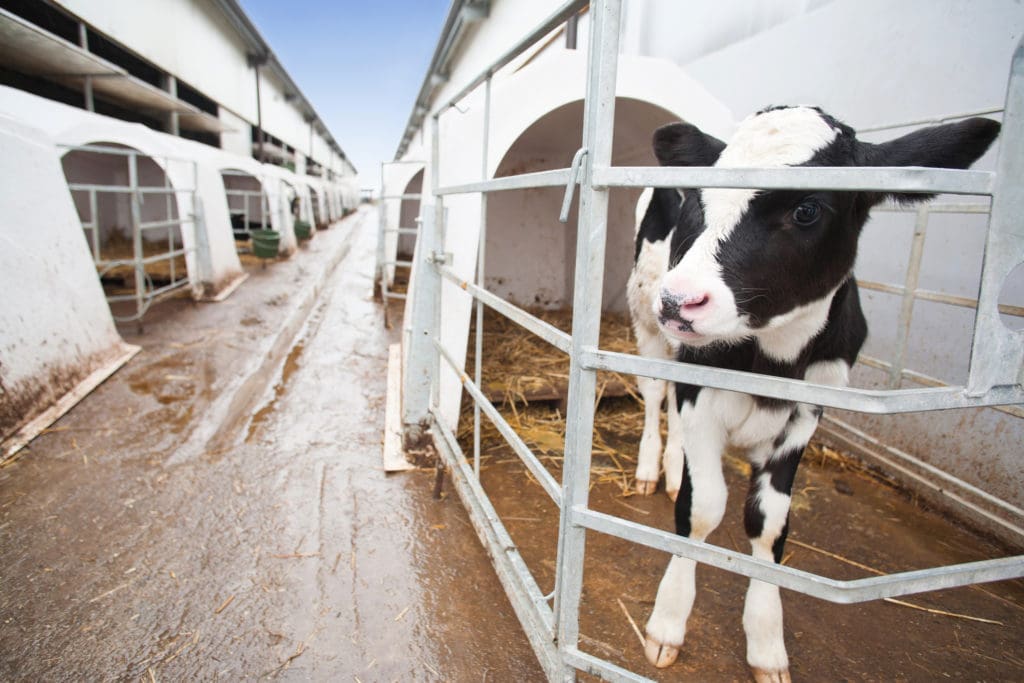
A veal calf from the dairy industry chained up during the Quebec winter. Photo: Jo-Anne McArthur \ We Animals Media.
  • Section 2.2.1: Calves (Pre-Weaning) – Currently, calves are commonly kept in individual housing and are only required to be housed in a way that allows them to easily stand up, lie down, turn around and adopt a normal resting posture, with visual contact with other calves. In your comments, ask for a requirement for a full, immediate ban on tethering of calves. There should also be an immediate requirement that calves have access to an area outside of a hutch and are housed in social groups with other calves as young as possible and not later than 3 weeks of age. 
  • Section 2.2.3: Lactating and Dry Cows – Currently, cows can be kept tied in individual stalls and there is no requirement for access to pasture, outdoors or a covered, bedded pen. Share in your own words that tie-stall housing prevents freedom of movement and that a deadline should be set to phase out tie stalls as soon as possible for lactating and dry cows, as well as for heifers. Ask that housing be required to allow daily freedom of movement, exercise and social interactions year-round. Ask that pasture or outdoor access, as weather permits, and daily access to a large, covered bedded pen that allows for exercise, rest, and socialization also be a requirement. 
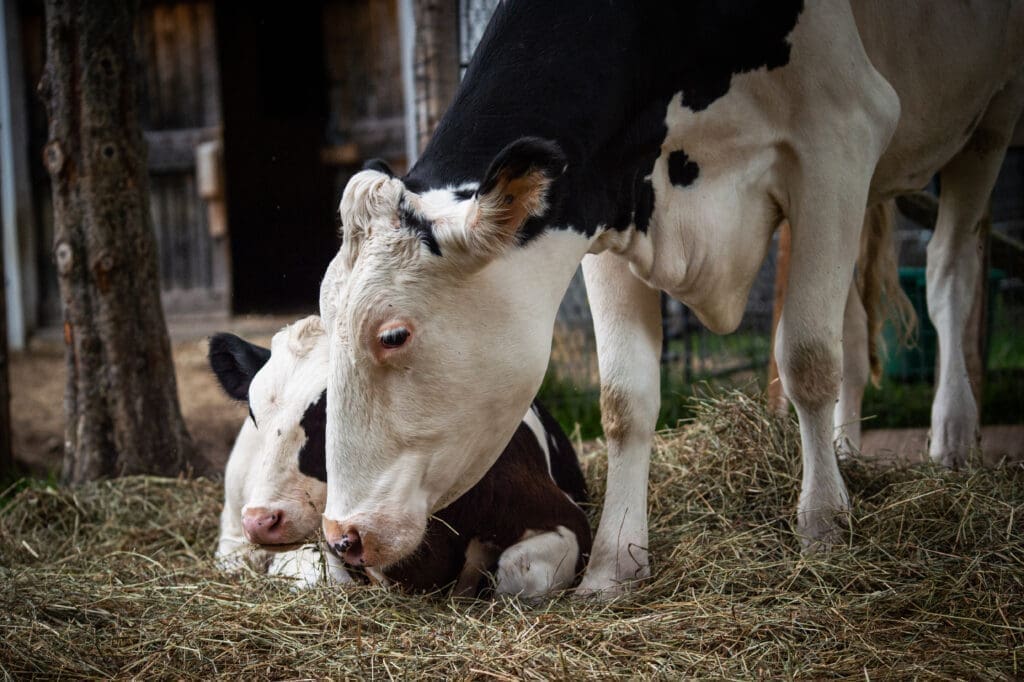
A calf and mother dairy cow.
A calf and mother at Sanctuaire pour animaux de ferme de l’Estrie in Quebec. Photo: Photo: Jo-Anne McArthur We Animals Media.
  • Section 2.3.1: Calving Areas – Currently, cows can be kept in stalls (including in tie stalls) while giving birth. In your comments, ask that a quicker deadline for calving in loose housed pens or pastures be required. The separation of cows and their calves soon after birth is also not addressed in this section. Separation is distressing for both the cow and calf and research shows health and social benefits when kept together. Research shows that there are active, modern farms using cow-calf systems that allow mothers and young to be together. Share in your own words why the separation of cows and their young is a concern for you as a consumer and that the industry needs to address this issue and move away from this practice.   
  • Section 2.5.1: Electric Trainers – Ask for a requirement that prohibits electric trainers, as using an electric shock device to “train” cows to urinate and defecate outside of the stall bed poses welfare issues.
  • Section 2.8: Bedding Management – In your own words, express your support for the requirement that cattle must have a resting surface with bedding, as research shows that large amounts of bedding is a crucial welfare improvement. Ask that specific bedding depth requirements be added. 
  • Section 2.10: Pasture and Exercise Yards – Currently, there is no requirement that cows have access to pasture or outdoors. Ask that pasture or outdoor access, as weather permits, and daily access to a large, covered bedded pen that allows for exercise, rest, and socialization be a requirement. In your own words, highlight one of more of the following benefits: more freedom of movement; exercise opportunities; ability to socialize and engage in more natural behaviours; reduced risk of lameness and other health problems.  
A flooded dairy farm in Abbotsford BC.
A dairy farm sits just above the floodwaters in Abbotsford, BC. Photo: Nick Schafer \ We Animals Media.
  • Section 2.11: Emergencies and Safety – In 2021, approximately 1.3 million farmed animals in B.C. died during record-breaking heat waves and flooding. This reflects the need for stronger emergency preparedness and plans for farms. Ask for required emergency planning that includes a realistic and achievable strategy to ensure animals can safely be evacuated from farms in an emergency.
  • Section 4.1 Handling, Moving and Restraining Cattle – In your own words, express your support for the requirement that prohibits the use of electric prods.  
  • Section 4.1.1: Additional Considerations when moving or handling down cattle Ask for a requirement that electric prods also be banned for use on “down” cows who appear unable to get up. Instead, assisting a down animal should include the use of more humane tools when appropriate, such as full body slings and transport mats. Express your support for the requirement that prohibits down cattle from being moved by hoisting by chain, dragging or lifting without adequate support. Again, here you can highlight how previous cruelty cases have showcased mistreatment and mishandling of animals and that this requires stronger staff training and supervision related to moving and handling animals. 
  • Section 5.3: Caring for Sick, Injured or Compromised Animals – Express your support for the requirement that cattle in pain (from a condition or procedure) must be provided prompt pain control. Ask that this requirement be elaborated on to include the use of local anesthesia (to prevent acute pain) and a non-steroidal anti-inflammatory drug (to reduce longer lasting pain)
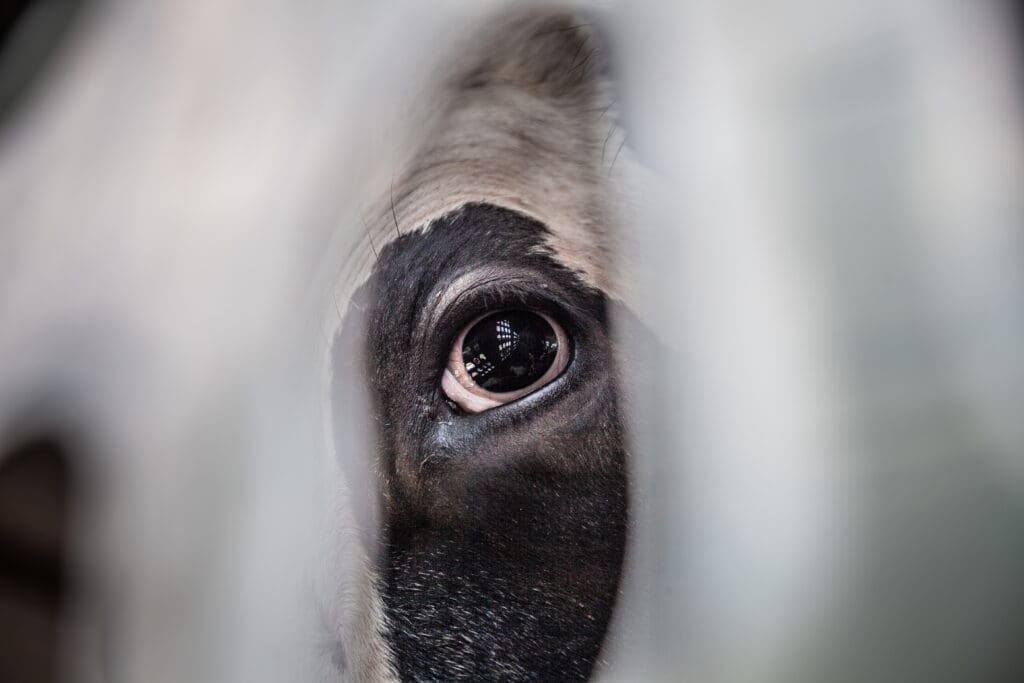
A close-up of a dairy cow's eye in a transport truck.
A dairy cow is transported. Photo: Louise Jorgensen / We Animals Media.
  • Section 6.1.1: Fitness for transport – Currently, compromised animals (e.g. those with mild lameness, those who have not fully healed after a procedure) can still be transported. Dairy cows sent to auction or slaughter after their milk production declines are particularly vulnerable during transport. Ask that it be required that unfit and compromised animals are not allowed to be transported, as it poses a serious welfare concern.  
  • 6.1.3: Preparing Cattle for Transportation – Currently, cows are commonly transported while still lactating, putting them at risk for udder issues, including mastitis, due to a change in their milking routine. Ask for a requirement that cows are not lactating at the time of transport.  

Note: clicking the button below will open the link in a new tab. You can still return to this tab to review the key points.

Categories
News/Blog

Have your say on proposed hunting & trapping regulations in B.C.

The B.C. government is seeking public feedback on a long list of suggested changes to hunting and trapping regulations. Now is your chance to see proposed changes in your area and across B.C. and speak up for wildlife. Their website is open for comments until January 23, 2022 at midnight.
Potential changes include:

  • A ban on the use of trail cameras for hunting
  • A ban on feeding or baiting ungulates such as deer near human dwellings to prevent human-wildlife conflict
  • Expansions and additions of no hunting and no shooting areas

How to register & comment

To participate through the government’s engagement website, you’ll need a Basic BCeID account.

  1. If you don’t have a BCeID account, register for a “Basic BCeID” account online. If you have a BCeID account and have not logged in for a while, you may need to reset your password.
  2. Go to the “Hunting” page and click “Login”.
  3. If you are prompted to complete your registration, fill out the required fields and submit the form.
  4. Once you’ve logged in, it will return you to the main “Hunting” page.
  5. You can now scroll through the proposed regulations and click or tap each regulation title to comment.

Note: You must be logged in and select one of the three cells (“Support”, “Neutral”, “Oppose”) under “Level of Support” to comment.

Some regulation changes to consider commenting on:

TitleProposed “Level of Support”
Wireless Trail CamerasSupport
Black Bear No Hunting Area Within the Primary Range of Kermode BearsSupport
Squamish River Valley No Shooting AreaSupport
Prohibit Feeding of Ungulates Within 200m of a Dwelling HouseSupport
No Hunting Zone – Highway 3 – Loop Bridge to Alexander BridgeSupport
Compulsory Inspection for Black BearSupport
Woodhus Slough No Hunting AreaSupport
Close Pink Mountain Caribou General Open Season (Bow Only) and Limited Entry Hunting OpportunitiesSupport
Minimum Distance Between Exposed Bait and TrapsSupport
Compulsory Inspection for Bobcat and Lynx in the OkanaganSupport
Mayne Island – HuntingNeutral
*3 options are suggested. Be sure to comment and indicate your preferred solution.
Rescind Downie Creek Motor Vehicle for Hunting Closed Area RegulationOppose

Trouble logging in?

If you have difficulty obtaining a BCeID, please make your concerns known to the Honourable Katrine Conroy directly at FLNR.Minister@gov.bc.ca.

A community-led initiative is available to support residents in participating in this feedback process. For further information, please email friendsofpublicsafety@gmail.com.

Thank you for taking the time to share your feedback on policies that impact wildlife.

Categories
News/Blog

BC: end unnecessary owl deaths

VHS and BC residents call for comprehensive rodenticide ban

Following a public campaign gathering B.C. resident signatures in support of a comprehensive rodenticide ban, the Vancouver Humane Society has submitted a letter to provincial decision-makers and reported on public support for the campaign. This document contains scientific evidence for improving regulations of rodenticides. At the time of submission, 2582 B.C. residents signed on in support of the campaign and its recommendations for a full ban. This letter is a direct response to B.C.’s update to its Rodenticide Action Plan.

You can read the briefing note by clicking the button below or scrolling down this page.

January 5, 2022

Integrated Pest Management & Bonding Team
PO Box 9341 Stn Prov Govt
Victoria BC
V8W 9M1
ENV.mail@gov.bc.ca

Discussion & Recommendations for Rodenticide Action Plan (RAP)

Summary of recommendations

  • Scientific evidence demonstrates significant negative impacts on wildlife, particularly raptors and owls, due to all rodenticides.
  • Effective and sustainable alternative solutions exist to address human-rodent conflicts, including high quality snap traps, captive bolt traps, rodent contraceptives, and exclusion and preventative measures.
  • The current temporary, partial ban is unenforceable and it’s impossible for the public to identify non-compliance. The exemptions will continue to result in significant animal suffering and wildlife losses.
  • Following the current 18-month ban, 2582 B.C. residents support a comprehensive ban on all rodenticides and a significant decrease in exemptions, which have been shown to threaten wildlife.

Introduction

The Vancouver Humane Society (VHS) is a registered charity dedicated to the humane treatment of animals. The VHS advocates for humane wildlife management practices and, as such, supports an end to the use of inhumane and indiscriminate rodenticides, in favour of humane alternatives and preventative measures that address the root cause of human-rodent conflict. 

Background

Rodenticide use

The use of rodent poisons has become a primary approach for managing unwanted rodent populations. In British Columbia, the quantity of rodenticide products sold increased from 62,233 kg in 2010 to 81,340 kg sold in 2015.[i] Despite suggestions that rodenticides are intended to be a temporary, last resort, it appears that in practice these products are used much more routinely, at times even proactively and permanently.[ii]

There is no evidence that indicates the permanent use of rodenticides is the most effective method for reducing rodent populations. In fact, the regular use of rodenticides has resulted in resistance among rodent populations to some poisons.[iii]

Negative impacts of rodenticides

The impact of rodenticides not only on target species, but also on non-target wildlife, pets, and the environment is a growing public concern. By design, rodenticide baits aim to attract animals, creating a risk for primary poisoning of wildlife and pets, should they access the bait directly. Secondary poisoning of non-target species that may consume poisoned rodents, such as coyotes, raccoons, hawks, eagles and owls, is also a major concern. Data has shown that residues of anticoagulant rodenticides have been found in all tested species of raptors that inhabit agricultural landscapes in southwestern British Columbia, reflecting the widespread impacts of secondary poisoning among predators and scavengers.[iv] In addition to this, B.C.-based Orphaned Wildlife Rehabilitation Society (OWL) noted that a few years ago a blood test study found that more than half of the animals in their care had poison residue in their system.[v]

There are also concerns surrounding the bioaccumulation of rodenticides across a variety of species and the impact of these poisons on the larger environment. Evidence of contamination among insects, slugs, and songbirds reflect how these poisons may move through the food chain.[vi] Meanwhile, the prevalence of these toxins in the environment, along with the decomposing remains of poisoned animals, may also contribute to contamination of soil and water.[vii]

Rodenticides contribute to significant and prolonged suffering for target and non-target species, taking days and sometimes even weeks for poisoned animals to die.[viii] For animals that don’t die, the effects of sub-lethal rodenticide poisoning, including lethargy and internal bleeding, may put them at increased risk of injury or death due to other causes, such as window and vehicle strikes. For example, a sub-lethal dose of anticoagulant rodenticides, which prevents blood clotting, in an owl could mean an injury causing an otherwise survivable cut could lead to the animal bleeding to death.[ix] Research also suggests that rats that experience external bleeding or bloody diarrhea, as a result of consuming anticoagulants, present a public health risk as contact with their blood can increase the chance of pathogen transmission to humans.[x]

Current situation

Municipal & provincial bans

While recent action by a growing number of B.C. municipalities to restrict or ban rodenticides on city property, along with the provincial government’s temporary, partial ban on second generation anticoagulant rodenticides are important first steps, further action is needed to effectively address the widespread use and impacts of rodenticide products.

Other rodenticides

B.C.’s temporary 18-month ban prohibits only second-generation anticoagulant rodenticides (SGARs), leaving first-generation anticoagulants (FGARs) and other rodenticides permitted for use. Many of these products not included in the ban, such as bromethalin, zinc phosphide, chlorophacinone, diphacinone, and warfarin, are also inhumane and pose the above mentioned threats to wildlife, pets and the environment. Diphacinone and chlorophacinone, for example, are high risk for secondary poisoning for wild mammals, dogs and cats.[xi] Concerns have also been raised by veterinarians in regards to secondary poisoning by bromethalin, a neurotoxin that targets the central nervous system and causes paralysis and convulsions, as there is no specific antidote.[xii] Another non-anticoagulant, zinc phosphide, produces a toxic gas in the animal’s body, leading to respiratory distress. Warfarin has been so widely used that rodents are becoming increasingly resistant to it, yet its use continues to harm non-target wildlife.[xiii] In practice, pest control companies can simply replace the now-banned SGAR products with these other types of rodenticides.

Exemptions

The current temporary ban also permits the continued use of SGARs by a long list of exempt users, including agricultural operators, hospitals, gas stations, food processing and storage facilities, restaurants, grocery stores, convenience stores, transportation facilities, sanitation facilities, coroners and facilities performing mortuary services.[xiv] Given the lengthy list of exemptions, it’s inevitable that the use of these products will continue to result in direct and indirect poisoning of wildlife, pets, as well as negative impacts on our food systems that would benefit from more research. The current list of exemptions is based on the Covid-19 essential services list, raising questions about the list’s applicability to a very different issue of rodenticides and the government’s justifications for allowing the continued use of SGARs in each of these situations. For example, allowing the continued use of SGARs in locations where wildlife activity is common, such as at garbage dumps or recycling facilities, is especially problematic in terms of the strong likelihood of poisoning of non-target wildlife.

Issues of non-compliance & lack of transparency

Non-compliance with the current SGAR ban is an area of concern, as evidence of suspected SGAR use in prohibited locations continues to be found and reported by members of the public. In a number of these situations, upon the public reporting bait boxes labeled as containing SGARs in prohibited locations, the Ministry has responded that the bait boxes were mislabeled and did not contain SGARs. This was the case in a recent report of a SGAR bait box at the Ministry of Environment’s office in Victoria.[xv] The mislabeling of these bait boxes fails to align with the Integrated Pest Management regulations, which require labeling indicating the pesticide’s active ingredient or its registration number under the federal Act.[xvi] This raises questions about overall compliance with and enforcement of the regulations and the recent ban. It also creates issues around transparency, as the public cannot be certain as to whether or not poisons (and prohibited poisons specifically) are in use in their community. 

Enforcement of ban and Integrated Pest Management (IPM)

The provincial government also requires that rodenticides only be used after following the principles of “Integrated Pest Management” (IPM). Specifically, IPM requires that preventative measures to address rodent attractants and structural flaws are implemented and that rodenticides are a last resort and temporary treatment, with other sustainable long-term strategies prioritized.[xvii] It is unclear how IPM is tracked and enforced to ensure the use of alternative approaches are exhausted before resorting to rodenticides, but the outcome of a series of inspections by provincial IPM officers in 2019 raises cause for concern. A total of 311 inspections were conducted, which found that only 39% were in compliance.[xviii]

In public education webinars hosted by Ministry staff outlining the temporary ban, it was noted that SGAR users must keep records about rodenticide use and IPM measures implemented, but these records are not required to be submitted to government.[xix] Without strong government oversight and proactive enforcement of the ban and IPM requirements related to preventative measures and rodenticide use, industry compliance will largely be based on the honour system and there will be a heavy reliance on the public to identify suspected violations. As previously noted, with the allowances given by government regarding labelling (e.g. mislabeled or label inside box) it’s not possible for the public to identify where prohibited poisons are in use.

Alternative approaches & products

The expansion of humane alternative products and approaches in recent years presents an opportunity for government to shift from rodenticide use and to prioritize further research and trials around innovative and sustainable alternatives. Alternative products for rodent control or lethal management, when necessary, range from high-quality snap traps; captive bolt traps and other mechanical systems (e.g. Goodnature device); rodent contraceptives (e.g. Contrapest); remote monitoring technology; and measures to support the presence of natural rodent predators, such as owls, through building owl boxes. Natural predators can help keep rodent populations in check, with evidence suggesting that a family of owls can consume more than 1,000 rodents per year.[xx] It’s worth reiterating that the use of rodenticides reduces natural rodent control through secondary poisoning of owls and other predators.

Some initial research surrounding the Goodnature A24 rat and mouse trap has been conducted, including recently in North Vancouver and at the University of British Columbia. The evidence suggests the Goodnature trap is more cost-effective than rodenticides and it eliminates the risk of poisoning of other animals and the environment. [xxi] [xxii]

Humane Solutions, a B.C.-based wildlife management and pest control company, reports strong success with their poison-free approach to dealing with rodent conflict, including in high-attractant scenarios, such as in agricultural, industrial and commercial settings. Their approach focusses on resolving attractants, structural flaws and access points. Structural removal includes the use of one-way doors that allow rodents to leave the structure and prevents them from re-entering. Rodent-proofing can include addressing gaps in foundations, venting, and utility lines. In high-attractant locations, further rodent-proofing steps can be taken inside of buildings to reduce human-rodent conflict. For example, in a feed store this may involve keeping feed in rodent-proof containers. If lethal management is justified, it is conducted through the use of high quality snap traps enclosed in containers to exclude non-target species. The company says that their poison-free approach is scale-able and adaptable to a variety of settings, ranging from households to large institutions. For example, Humane Solutions reports successfully working with Langara College to become rodenticide-free in their operations.[xxiii]

Ultimately, the best long-term approach for addressing human-rodent conflicts is exclusion and preventative measures. This includes removing attractants, such as open garbage, compost bins, fallen fruit or bird seed, and leaking plumbing. It also involves fixing and rodent-proofing structural flaws and access points in buildings, as these provide sources of shelter for rodents. Habitat modification and sanitation, such as cutting back dense vegetation and tall grass from along the perimeter of buildings and storing firewood and other materials away from buildings and off the ground, can also reduce the presence of rodents by making the immediate environment around a location less desirable to them. [xxiv] [xxv]

Conclusion & Recommendations

The humane treatment of animals is a central value of Canadian society and it’s crucial that this value be reflected in the many ways we as a society interact with animals, ranging from those we label as “pets” and others we label as “pests”. Regardless of the labels assigned to them, commensal rodents share the same capacity to suffer as other vertebrates and therefore the same humaneness considerations should apply in how they are managed.[xxvi] Likewise, the continued use of poisons threatens the balance of our ecosystem with raptors and owls suffering significant losses in B.C. each year.

The VHS suggests that the continued use of rodenticides presents significant animal welfare, conservation and environmental concerns. The growing body of data and public awareness around the issues associated with rodenticides, along with the expansion of humane alternative approaches and products requires that more be done to urgently move away from these indiscriminate and inhumane poisons.

Specifically, the VHS recommends a comprehensive and permanent rodenticide ban, including first and second generation anticoagulants and non-anticoagulant rodenticides. It’s also recommended that the lengthy list of current exemptions under the temporary ban, which is based on the Covid-19 essential services list, be re-evaluated for appropriateness and applicability to the issue of rodenticides. It’s also crucial that government prioritize enforcement of the current temporary ban. Ultimately, the VHS believes that the issues surrounding compliance with IPM practices and the current ban reflect the difficulty in enforcing a partial rodenticide ban. The VHS recommends that the remainder of the temporary ban timeframe be spent prioritizing research around innovating and sustainable alternatives and planning a transition away from rodenticides, in favour of approaches that address the underlying causes of human-rodent conflict.

The recommendations outlined in this submission are supported by 2582 B.C. residents that have signed on to a statement which asks the provincial government to implement these recommendations.[xxvii]

References


[i] https://www2.gov.bc.ca/gov/content/environment/pesticides-pest-management/publications-guides/pesticide-use-surveys

[ii]http://www.barnowlsbc.ca/uploads/3/0/2/7/30276721/rats_what_triggers_us_to_control_for_rodents_rodenticide_user_survey_in_british_columbia_canada_hindmarch_et_al._2018.pdf

[iii]http://www.barnowlsbc.ca/uploads/3/0/2/7/30276721/rats_what_triggers_us_to_control_for_rodents_rodenticide_user_survey_in_british_columbia_canada_hindmarch_et_al._2018.pdf

[iv]http://www.barnowlsbc.ca/uploads/3/0/2/7/30276721/rats_what_triggers_us_to_control_for_rodents_rodenticide_user_survey_in_british_columbia_canada_hindmarch_et_al._2018.pdf

[v] https://www.surreynowleader.com/news/south-surrey-resident-sounds-alarm-after-neighbourhood-owl-dies-from-eating-rat-poison/

[vi]http://www.barnowlsbc.ca/uploads/3/0/2/7/30276721/rats_what_triggers_us_to_control_for_rodents_rodenticide_user_survey_in_british_columbia_canada_hindmarch_et_al._2018.pdf

[vii] https://pubmed.ncbi.nlm.nih.gov/25965004/

[viii] https://www.epa.gov/rodenticides/restrictions-rodenticide-products

[ix] https://thetyee.ca/News/2010/12/13/BarnOwls/

[x] https://www.tandfonline.com/doi/full/10.1080/23311932.2018.1525147

[xi] http://npic.orst.edu/factsheets/rodenticides.html

[xii] https://www.aspcapro.org/resource/treating-bromethalin-toxicosis

[xiii] https://animalkind.ca/wp-content/uploads/AnimalKind-Wildlife-Control-Standards.pdf

[xiv] https://www2.gov.bc.ca/gov/content/environment/pesticides-pest-management/legislation-consultation/rodenticide-ban#essential_services

[xv] https://www.saanichnews.com/news/saanich-owl-advocate-calls-for-permanent-rodenticide-ban-after-collecting-another-dead-bird/

[xvi] https://www.bclaws.gov.bc.ca/civix/document/id/complete/statreg/604_2004#section81

[xvii] https://www2.gov.bc.ca/gov/content/environment/pesticides-pest-management/legislation-consultation/rodenticide-ban#user_resources

[xviii] https://spca.bc.ca/ways-to-help/take-action/safe-from-poison/

[xix] https://www.youtube.com/watch?v=yAKUdiaeJ4s&t=1435s

[xx] https://canadianraptorconservancy.com/barn-owls/

[xxi] https://open.library.ubc.ca/soa/cIRcle/collections/ubctheses/24/items/1.0401883

[xxii] https://drive.google.com/file/d/15ZnK6b9INxAiZAXyKdEk-53BSu7oDQSH/view

[xxiii] Personal communication with Humane Solutions, 2021.

[xxiv] https://drive.google.com/file/d/15ZnK6b9INxAiZAXyKdEk-53BSu7oDQSH/view

[xxv] https://www2.gov.bc.ca/gov/content/environment/pesticides-pest-management/managing-pests/animals/rodents#prevent

[xxvi] https://animalkind.ca/wp-content/uploads/AnimalKind-Wildlife-Control-Standards.pdf

[xxvii] https://vancouverhumanesociety.bc.ca/posts/rodenticide-ban/

Categories
News/Blog

A better world for animals in 2022

The new year is here, and with it comes an opportunity to build on last year’s great progress for animals! Here is a look back on some of the amazing highlights and achievements that were made possible in 2022 because of animal allies like you. 

Wins for wildlife

B.C. permanently restricts deadly rodent poisons

In July 2021, the provincial government introduced an 18-month partial ban on some of the deadliest rodent poisons. Animal advocates continued to speak out throughout the temporary ban about the dangers of rodenticides to wildlife and pets—more than 2,500 British Columbians signed the Vancouver Humane Society’s petition in support of a comprehensive rodenticide ban, and more than 1,300 individuals participated in the provincial government’s public consultation! The VHS also submitted a report in support of a comprehensive rodenticide ban. 

On October 28, 2022, the government announced it would be implementing permanent restrictions on second-generation anticoagulant rodenticides. This was a momentous first step in protecting wildlife and companion animals from dangerous rodent poisons—but it is not the last step. Concerned animal supporters can continue to advocate to address gaps in the regulations by following these tips.

Province updates hunting regulations

In early 2022, the VHS shared information to help animal allies to voice their support for stronger hunting and trapping regulations during the government’s public consultation period. Many advocates participated, and following the consultation the Ministry of Forests introduced updated regulations that included the introduction of new No Hunting areas as well as region-specific restrictions on baiting, using wireless cameras for hunting, and more. 

Advocacy for animals in entertainment

Photo: Jo-Anne McArthur/We Animals Media

Thousands speak out against rodeo cruelty at the Calgary Stampede

Last year, the Vancouver Humane Society collaborated with concerned Calgarians to create RodeoTruth.com, a website that aims to expose the evidence-based realities of rodeo and other animal events at the Calgary Stampede. More than 9,600 people visited the website in 2022 to learn about the realities of rodeo cruelty, and more than 2,900 people took the #SayNoToRodeo pledge. 

Following a tragic chuckwagon incident that claimed the life of a horse, the VHS spoke out against the Stampede’s continued hosting of the deadly event in interviews with media outlets including City News, CTV Calgary, and the Daily Hive.  

A Research Co. poll commissioned by the Vancouver Humane Society during the Stampede revealed that the removal of the rodeo and chuckwagon events from the Calgary Stampede program would have virtually no impact on attendance rates and would bring in new crowds. 

British Columbians rally against a new rodeo

After several years that saw the decline of cruel rodeo events in B.C., a new rodeo event was sadly introduced in Langley Township in 2022. The VHS spoke out against this inhumane and unnecessary event in interviews with the Langley Advance Times, Global News, the Jill Bennett Show, and more. Nearly 3,000 members of the public signed the VHS’s petition calling on decision-makers to prevent the new rodeo.  

Video footage captured at the rodeo shows stressed and frightened animals being roughly handled and deliberately agitated into fleeing and bucking. Following the event, the VHS launched a quick action that all British Columbians can take to help prevent inhumane rodeo practices from coming to their community. 

Change for animals in captivity

Provincial decision-makers agree to meet to discuss captivity regulations 

89% of British Columbians oppose the international trade of exotic animals to be kept on display in permanent captivity in zoos and aquariums, yet provincial regulations continue to allow the keeping, breeding, and import of wild and exotic species. These outdated regulations have enabled ongoing issues to continue, as highlighted in video footage of abnormal behaviour from animals at Metro Vancouver’s two major animal attractions, and by two recent high-profile incidents at the Greater Vancouver Zoo which put animals and humans at risk. 

More than 5,400 animal supporters signed a petition calling for the much-needed updates to captivity regulations. Thanks to this strong push for support, along with an in-depth report outlining key recommendations, the VHS was able to schedule a meeting to raise concerns and suggestions directly with provincial decision-makers! The meeting will take place today, January 12th
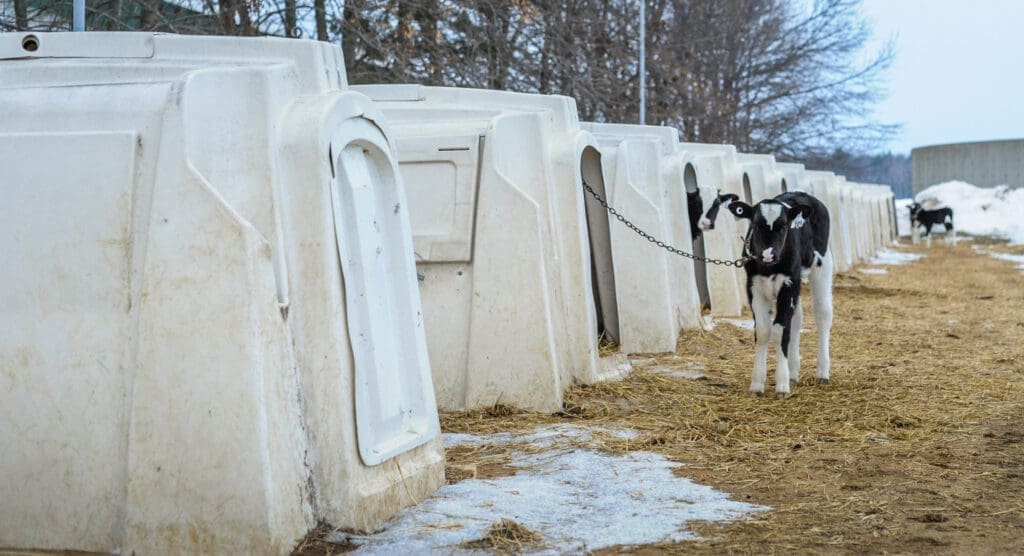
Care for companion animals

A record number of animals receive veterinary assistance through the McVitie program 

Between rising costs and a growing number of people experiencing barriers to veterinary care, more animal guardians than ever are needing extra support to keep their beloved companion animals healthy without surrendering them to the already-overburdened shelter and rescue system.

Thanks to the generosity of donors, the VHS’s McVitie program was able to provide urgent veterinary assistance to more companion animals than ever before! 629 animals received assistance through the program in 2022, enabling animals like Precious, Chipper, Shailoh, and Copper to stay with their families who love them. 

Animal heroes break down barriers at Because They Matter 

On July 24th, 22 participants took to the streets of Vancouver’s Downtown Eastside to hand out much-needed pet supplies and share essential veterinary support resources with animals and their guardians who spend their days on the streets. In all, Because They Matter event participants handed out thousands of pet supplies and around 300 pamphlets about the Vancouver Humane Society’s veterinary assistance programs! Participants also raised more than $15,000 donated by generous supporters to help make these vital assistance programs possible. 

Protections for farmed animals

Photo: Jo-Anne McArthur/We Animals Media

Federal government begins enforcement of new animal transport regulations 

Every year in Canada, approximately 14 million animals suffer injuries and 1.6 million die during transport journeys that are often long-distance and in extreme weather conditions. Despite updates to farmed animal transport regulations being introduced in 2020, the federal government delayed full enforcement of the requirements for two years. More than 2,500 animal advocates pushed back against the possibility of further delays, and thanks to the strong call for action, the CFIA announced that enforcement of new regulations would begin on February 20, 2022. 
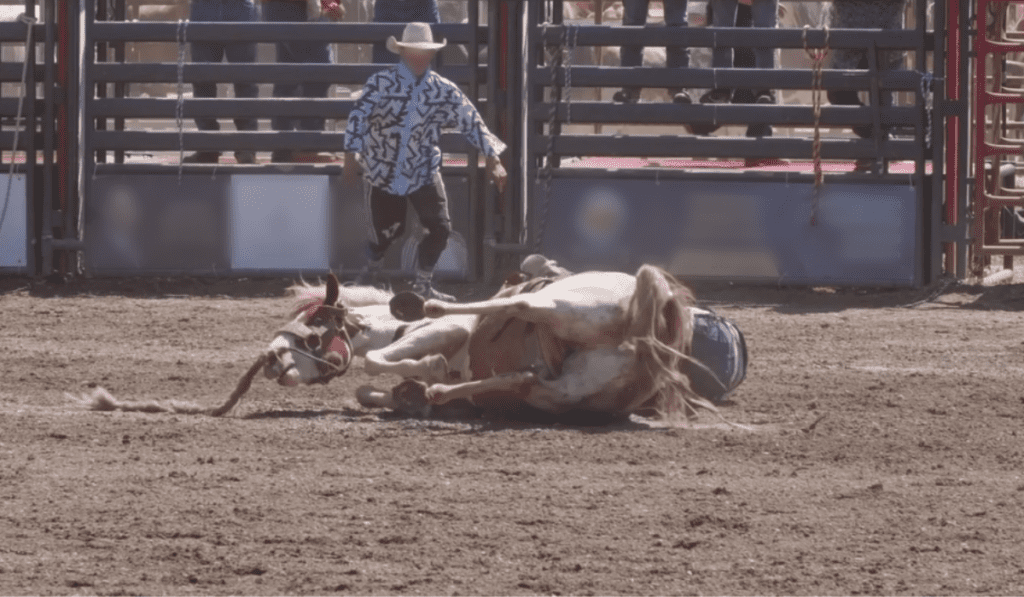
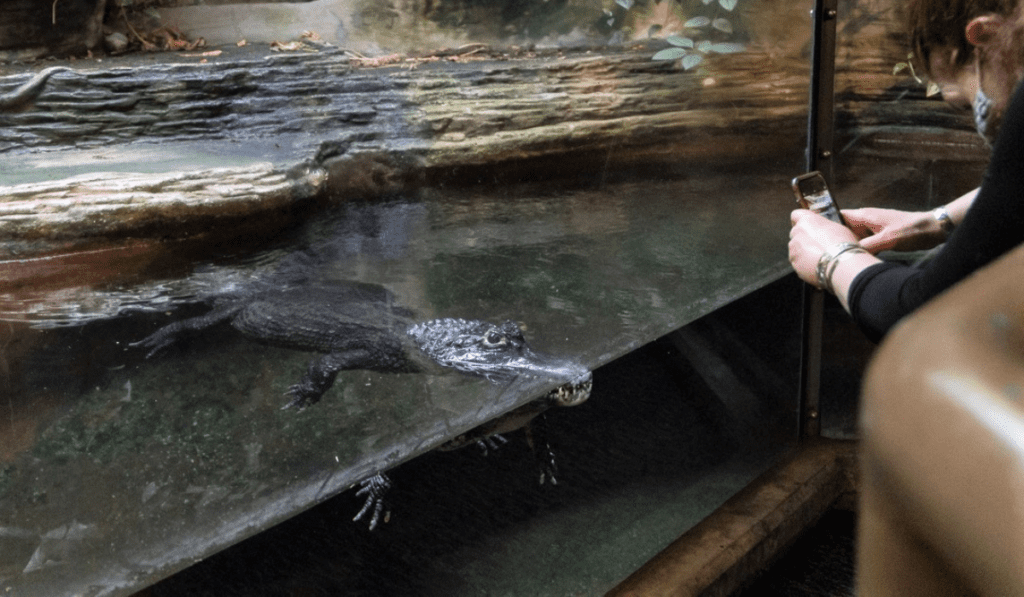
B.C. announces review of farmed animal welfare framework 

Following the release of undercover footage revealing egregious cruelty on a dairy farm in Abbotsford, the VHS launched a public campaign calling for greater protections for farmed animals. More than 2,400 individuals took the quick action to demand change from the B.C. government. The VHS also supported advocates in speaking up for animals in the dairy industry by providing a guide for submitting comments to the National Farm Animal Care Council’s (NFACC) “Dairy Codes of Practice”. The Dairy Code, which was last updated in 2009, serves as a guideline for dairy industry practices.  

In late 2022, the Country Life in BC agricultural newspaper confirmed that The Ministry of Agriculture would be conducting a review of the farmed animal welfare framework. This review is an important opportunity to push for real action to protect farmed animals from cruelty and suffering. Read the VHS’s open letter to the Ministry of Agriculture calling for true public transparency on farms and changes that would make a meaningful difference in the lives of the millions of sentient animals raised for food in this province.  

Donors make life better for animals with VHS & The Happy Herd on Giving Tuesday

On Giving Tuesday, the VHS partnered with The Happy Herd Farm Sanctuary to raise funds for vital animal supplies, programs, and advocacy work. Animal lovers supported animals through both organizations by donating or shopping at participating businesses, including Panago Pizza, who offered discounted plant-based pizzas across B.C. and donated $1 for each plant-based pizza sold.

Wonderful supporters like you raised an astounding $22,900 for animals! These generous donations will help rescued farmed animals to stay healthy and safe in their loving forever home, enable companion animals to get the life-saving veterinary care they need, and ensure the work to create a more compassionate world for all species will continue.

Photo: Canadian Horse Defence Coalition

Canadians call for an end to inhumane live horse exports 

More than a year after the federal government committed to end the cruel live export of horses for slaughter, these gentle animals continue to be shipped on long, stressful journeys during which they can go 28 hours without food, water, or rest. In 2022, more than 19,000 Canadians signed onto a federal e-petition led by Jann Arden calling on the government to follow through on their promise to end this inhumane industry. Your support is needed to help push this change across the finish line! Read the VHS’s piece in the Daily Hive, Why hasn’t Canada stopped horses from being shipped to slaughter overseas?, to learn more about this urgent issue. 

A kinder future for all species

Thank you for helping animals in 2022! With your continued support, we can all continue to work toward a kinder future for animals in 2023. Can you keep the momentum going by taking action on the current campaigns to end animal suffering or making a donation toward vital animal programs and advocacy?

Take action
Donate now