Categories
News/Blog

Vancouver park board staff considers removing horse carriages from Stanley Park

  • A recent report from Vancouver park board staff includes a consideration for removing “animal-powered transportation” from Stanley Park.
  • For years, the VHS has called for the removal of horse-drawn carriages from the park.
  • The use of carriages in crowded urban environments poses a risk to horses and the public. Horses endure regular exposure to traffic, noise and pollution; long hours of standing and walking on hard surfaces; and hard labour under sometimes extreme weather conditions.
  • Other jurisdictions, such as the City of Montreal, have banned horse-drawn carriages due to animal welfare concerns and incidents.

Read media coverage on the report and the VHS’s campaign below. Stay tuned for updates!

Six-storey parkade among ideas for Stanley Park’s future

Park board staff are giving commissioners dozens of options to manage traffic in the park

“Vancouver park board commissioners will be asked to weigh up dozens of possible options to reduce the number of cars entering Stanley Park each year.”

“The document includes an option for removing ‘animal-powered transportation’ in the park.”

“The Vancouver Humane Society has a campaign to have the Stanley Park Horse-Drawn Tours business removed from the park.”

“‘Being surrounded by motor vehicle traffic forces horses to inhale toxic exhaust and causes them mental distress, which can make the animals unpredictable and potentially dangerous to park pedestrians, cyclists and motor vehicles,’ the society states.”

Read article
Contact the Park Board
Categories
News/Blog

VHS welcomes end to horse racing at Fraser Downs, calls for changes in Vancouver

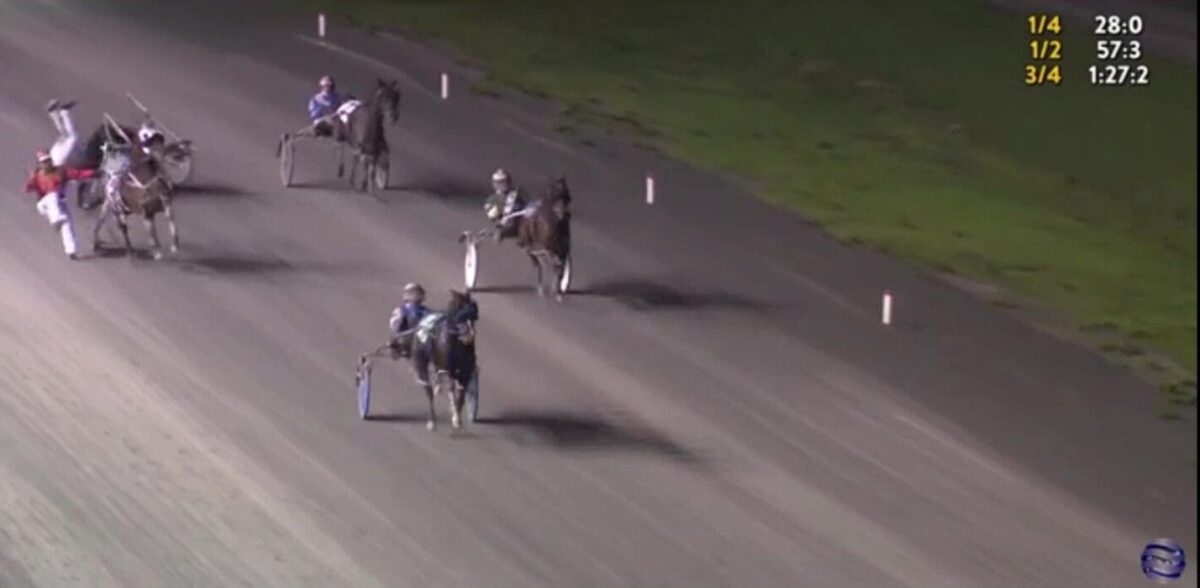
Screenshot: Incident on October 19, 2023 from ElementsCasinoSurrey.com

  • Last week, Surrey’s Fraser Downs Racetrack announced its immediate closure.
  • The move follows a wider trend of waning public support for horse racing, plummeting revenues, and increased knowledge around animal sentience and well-being.
  • The Vancouver Humane Society (VHS) welcomed the decision by the City of Survey to terminate the racecourse’s lease, and called for the City of Vancouver to follow suit with Hastings Racecourse.
  • A recent VHS report shared with the City of Vancouver in June outlines persistent animal welfare concerns and the long-term decline in attendance, revenue, and race days at Vancouver’s Hastings racecourse. The report recommends ending horse racing at Hastings Parks when the current Operating Agreement expires in 2026.
Sign petition

Read media coverage on the racetrack’s closure and the VHS’s response below.

CTV News Vancouver

Horse racing ends in Surrey ‘effective immediately’ after city takes back land for development

The Fraser Downs Racetrack announced there would be no more horse racing “effective immediately” after the City of Surrey, which owns the land, decided to terminate its lease.

“The Fraser Downs Racetrack announced there would be no more horse racing ‘effective immediately’ after the City of Surrey, which owns the land, decided to terminate its lease.”

“The Cloverdale Fairgrounds track is one of two in B.C. and the only one that hosts standardbred harness racing.”

Read article

CityNews Vancouver

‘Part of me is gone’: Abrupt end for Fraser Downs track a blow to B.C. horse racing

A groom at the Fraser Downs racetrack said the abrupt announcement of the harness racing track’s closure last week is a blow to her childhood memories.

“The Vancouver Humane Society welcoming the city’s decision, calling horse racing ‘outdated’ and ‘harmful’ entertainment.”

“‘While the closure at Fraser Downs marks an end to racing at that site, it is emblematic of a wider, long-overdue shift away from horse racing,’ the society’s campaign director, Emily Pickett, said in a statement.”

“‘Horse racing inherently subjects horses to pressure and danger, debilitating injuries, early physical decline, and at times fatal outcomes.'”

Read article
Categories
News/Blog

VHS responds to Calgary Stampede’s new animal care statements

Screenshot: THE CANADIAN PRESS/Jeff McIntosh via CTV News

  • With the 2025 Calgary Stampede almost a week away, organizers are carefully curating a narrative on improved animal welfare at their controversial and deadly rodeo and chuckwagon races.
  • While minor changes like shaded areas and heart monitors are being promoted as signs of progress, they do little to address the serious, ongoing risks animals face in these events.
  • At least 109 animals have died at the Stampede’s animal events since 1986.
  • The VHS continues to call for a shift away from rodeo and chuckwagon racing.

Read media coverage of the new rules below, share your concerns in the comments, and join VHS in calling for an end to inhumane rodeo events at the Calgary Stampede.

Media coverage
Take the pledge

CTV News Calgary

Calgary Stampede rodeo safety to include shaded pens, heart monitors for horses

Tents are being set up to provide shade for bulls and broncs and some chuckwagon horses are to be fitted with tiny electrocardiograms at the upcoming Calgary Stampede.

“The 10-day celebration of western culture, which runs from July 4-13, has long been a target of animal rights groups. The Vancouver Humane Society wants the rodeo portion of the Stampede eliminated.”

“‘We’re seeing deaths at the Calgary Stampede almost every single year. It’s really not a matter of if another animal will die at the Stampede … it’s when,’ said Chantelle Archambault with the group.”

Read article

CityNews Calgary

Calgary Stampede talks animal care ahead of controversial events

Calgary Stampede officials spoke about animal care on Tuesday and a continued partnership with UCalgary to address the ongoing safety.

“The Vancouver Humane Society says 109 animals have died at the Calgary Stampede since they started keeping track of fatalities in 1986.”

VHS Communications Director Chantelle Archambault shared, “I would really question what is entertaining about seeing animals suffer… These animals are not only facing fear and stress inherently in these events, but a risk to their lives.”

“Last year it did turn out to be the deadliest event since 2019.”

Read article

Take the #SayNoToRodeo pledge to reflect your opposition to the inhumane treatment of animals in rodeo events.  

Photo: Jo-Anne McArthur/We Animals Media

Categories
News/Blog

New data highlights need for veterinary support

  • New polling highlights the impact that the cost of living crisis has on companion animals and their guardians.
  • Data from Gallup, Inc. and PetSmart Charities of Canada shows that half of pet guardians have not brought their pets to the veterinarian for care within the past year or have declined previous recommended care.
  • Demand for the VHS’s McVitie Fund, which offers emergency veterinary support for low-income pet guardians across B.C., has grown significantly over the past five years.

Read the article below by journalist Serah Louis to learn more about how the cost of living crisis is impacting animals and those who care for them.

Soaring costs are forcing some Canadians to limit vet visits or even give up their pets

‘The magnitude of the problem in Canada alone is billions of dollars a year,’ says PetSmart Charities of Canada. Find out more

“Chantelle Archambault, communications director at the Vancouver Humane Society, said its McVitie program, which provides emergency funding for life-saving veterinary care for pets in low-income households across B.C., has ballooned from less than 200 applications in 2020 to about 1,600 in 2024.”

“‘This year, we have already processed more than 900 applications,’ Archambault said in an email, noting more people are struggling to afford veterinary care as the cost of living has gone up.”

“‘Increasingly, applicants … mention that their rent alone is nearly the same as their full monthly income,’ she added. ‘Many applicants report having only $100 to $200 per month left for food for themselves, their pet and other necessities.'”

Read article
Help pets in need
Categories
News/Blog

VHS speaks out on preventable horse death, submits report calling to end racing at Hastings

Screenshot: Hastings Racecourse

  • On Wednesday, June 11, the Vancouver Humane Society learned of the tragic and senseless death of a horse named Gem Dancer, who collapsed and died after a race held during this past weekend’s heat warning.
  • That same day, VHS submitted a report to Vancouver City Council calling for an end to horse racing at Hastings Park when the current Operating Agreement expires in 2026.
  • The report highlights animal welfare concerns and demonstrates that the racecourse conflicts with the City of Vancouver’s goals for public access, sustainability, and economic resilience.

Read media coverage on this devastating incident below, comment on the news articles sharing your support for an end to horse racing at Hastings, and add your voice to the VHS’s call to end this risky and outdated use of animals in our city.

Media coverage
Take the pledge
Read the report

CTV News

Calls to abolish horse racing in East Vancouver after latest animal death

There are calls to abolish horse racing in East Vancouver following another death at the Hastings Racecourse.

“There are calls to abolish horse racing in East Vancouver following another death at the Hastings Racecourse.”

“The racehorse Gem Dancer collapsed and died following an event on Sunday, during a period of elevated temperatures that Environment and Climate Change Canada called an ‘early season heat event.'”

“In a news release, the Vancouver Humane Society suggested the horse died due to heat exhaustion, and called the incident ‘preventable.’ The charitable organization also submitted a report to city council the following day asking officials to end horse racing at the facility when its operating agreement expires next year.”

Read article

Daily Hive

Horse dies during heat event at Hastings Racecourse in Vancouver | News

The Vancouver Humane Society is raising the alarm after a horse died at the Hastings Racecourse during a heat event.

“The Vancouver Humane Society (VHS) is sharing information about a death that occurred at the Hastings Racecourse in Vancouver within the last week.”

“VHS confirmed the details in an email from B.C.’s Gaming and Policy Enforcement branch. Emily Pickett, the VHS campaign director, had some strong words in the aftermath of the death.”

“‘This horse was literally run to their own death for the sake of public entertainment,’ she said.”

Read article

Sign the pledge to not attend horse races and the VHS will update Vancouver City Council regarding the number of pledge signatures.

Categories
Media Release

VHS report calls for end to horse racing at Vancouver racecourse

VANCOUVER, June 12, 2025 – The Vancouver Humane Society (VHS) is doubling down on its call for an end to horse racing at Vancouver’s Hastings racecourse following the preventable death of a horse this past weekend. The horse, Gem Dancer, collapsed and died of suspected heat exhaustion after a June 8th race held during a heat warning. 

The same day the VHS learned of the horse’s senseless death, they submitted a report to Vancouver City Council advocating for an end to horse racing at Hastings Park in 2026, when the current Operating Agreement is set to expire. 

The recommendations in the VHS report, “Considerations for the Discontinuation of Horse Racing at Hastings Park”, depict the long-term decline of the industry—including reduced attendance, revenue, and race days—and its increasing reliance on public subsidies. The report describes persistent animal welfare issues and crumbling infrastructure, which have diminished public support. Given that the 45-acre racecourse provides minimal public benefit—averaging fewer than 9 visitors per acre per day—and conflicts with the City of Vancouver’s goals for public access, sustainability, and economic resilience, the VHS argues that dedicating such a large portion of the park to horse racing is no longer justifiable. 

The report also points to data indicating the sad reality that the racing-related fatality rate at Hastings Racecourse is markedly higher than the industry average. According to the B.C. Gaming & Policy Enforcement Branch, the 2024 fatality rate at Hastings was 1.78 per thousand starts, compared to the 2024 industry average of 1.11 across U.S. and Canadian tracks that report to the Equine Injury Database,and almost double the 0.90 fatality rate at tracks regulated by the Horseracing Integrity and Safety Authority (HISA).  

The VHS is urging decision-makers to support a move away from horse racing at Hastings Park and toward alternative land use that offers potential for long-term economic resilience, greater public utilization of space, and alignment with public values and interest. 

 – ends –         

SOURCE Vancouver Humane Society        

For more information, contact Emily Pickett: (604) 416-2901, emily@vancouverhumanesociety.bc.ca    

Related files:

No Title

No Description

Categories
Media Release

Horse Dies from Suspected Heat Exhaustion After Racing During Vancouver Heat Wave

VANCOUVER, June 11, 2025 – The Vancouver Humane Society (VHS) is sounding the alarm following the recent suspected heat-exhausted death of a horse named Gem Dancer at Vancouver’s Hastings racecourse. 

B.C.’s Gaming & Policy Enforcement branch confirmed via email that on June 8, 2025, Gem Dancer began showing signs of distress while being led off the track following the race and soon collapsed. Despite efforts to cool the horse down, and after being in distress for approximately 2 minutes, Gem Dancer became unresponsive and was pronounced dead. 

“This horse was literally run to their own death for the sake of public entertainment,” said VHS Campaign Director, Emily Pickett. “It’s incredibly irresponsible to race horses in the midst of a heat warning. Gem Dancer’s senseless death demonstrates how horses in the racing industry are exploited for profit, pushed beyond their limit and raced to the point of injury and death.”  

Gem Dancer’s death marks the second known horse death at Hastings racecourse this year. On April 13th, just weeks before the start of the 2025 racing season, a 3-year old horse named Wynn Magic suffered a compound leg fracture during a timed workout and was subsequently euthanized.  

The VHS is deeply concerned that the 2025 race season will continue to see more tragic and avoidable injuries and deaths, pointing to the four horse fatalities at Hastings in 2024 and eight in 2023. 

The B.C. Gaming & Policy Enforcement Branch confirmed via email that the racing-related fatality rate at Hastings racecourse in 2024 was 1.78 per thousand starts. This is markedly higher than the 2024 industry average of 1.11 across U.S. and Canadian tracks that report to the Equine Injury Database, and almost double the 0.90 fatality rate at tracks regulated by the Horseracing Integrity and Safety Authority (HISA). 

The VHS continues to highlight welfare concerns within the industry. The use of stressful and aversive training methods, reliance on painful tools like whips and bits, and breeding practices that prioritize speed over skeletal strength, have no place in modern society. Even if horses do not die from heat exhaustion or a being euthanized from a broken leg, horses deemed no longer profitable at the end of their short careers may be sent to auction and ultimately slaughtered. 

The organization is urging the public to pledge not to attend horse races and is reiterating calls for decision-makers to invest in alternative community events – ones that bring people together without putting animals at risk. 

 – ends –        

SOURCE Vancouver Humane Society       

For more information, contact Emily Pickett: (604) 416-2901, emily@vancouverhumanesociety.bc.ca   

Categories
Media Release

Hastings horse death just weeks before start of race season prompts renewed calls for change


FOR IMMEDIATE RELEASE

VANCOUVER, April 17, 2025 – The Vancouver Humane Society (VHS) is reiterating concerns after learning that a 3-year-old horse was injured and euthanized during a recent timed workout at Vancouver’s Hastings Racecourse. 

On April 13, 2025, a horse named Wynn Magic suffered a compound fracture to the left front leg and was euthanized, B.C.’s Gaming Policy and Enforcement Branch (GPEB), which oversees horse racing in the province, confirmed to the VHS in an email.  

This death comes just weeks before the scheduled start of the 2025 horse racing season at Hastings and follows a controversial 2024 racing season, which resulted in four horse fatalities. In 2023, there were eight horse fatalities at Hastings. The VHS is concerned that the 2025 season will see more tragic and avoidable horse injuries and fatalities.  

“It’s not a matter of if, but when, the next horse will lose their life entertaining a crowd,” said VHS Executive Director, Amy Morris. “That’s why we’re urging the public to rethink attending horse races and calling on decision-makers to invest in alternative community events – ones that bring people together without putting animals at risk.” 

The organization has also raised concerns regarding welfare issues around horse racing, including stressful, aversive training methods, the use of painful tools like whips and bits, the breeding of thoroughbred horses for speed rather than skeletal strength, and the risk of being auctioned off for slaughter for horses who are no longer profitable at the end of their short careers. 

The VHS is encouraging the public to take the organization’s pledge not to attend horse races and instead choose entertainment events free of animal suffering.  

– ends –       

SOURCE Vancouver Humane Society      

For more information, contact Amy Morris: (604) 993-0167, amy@vancouverhumanesociety.bc.ca  

Categories
News/Blog

Senator Plett incorrect about horse exports: Animal Justice

Photo: Canadian Horse Defence Coalition

In late March, The Hill Times published an opinion piece by Senator Don Plett, an appointed leader who has vocally defended Canada’s controversial live horse export industry and delayed the passing of life-saving Bill C-355. The piece defended the shipping of live horses from Canada on long journeys overseas for slaughter.

Senator Plett denounced animal advocates who are standing up for horses while making many misleading claims, ignoring recent exposes that revealed the underreporting of horse deaths in transit and the prevalence of journeys that exceed the legal time limit.

Earlier this week, The Hill Times published a second opinion piece by Kaitlyn Mitchell of Animal Justice setting the record straight.

Senator Plett incorrect about horse exports: Animal Justice

Senator Plett incorrect about horse exports: Animal Justice

Canada’s Politics and Government News Source Since 1989

Mitchell calls Senator Plett’s defence of the live horse export for slaughter industry “a bold move, given that the industry is seen as a national embarrassment to most, with nearly 80 per cent of Canadians of all political stripes supporting its timely end.”

The piece outlines several of Senator Plett’s misleading claims, including:

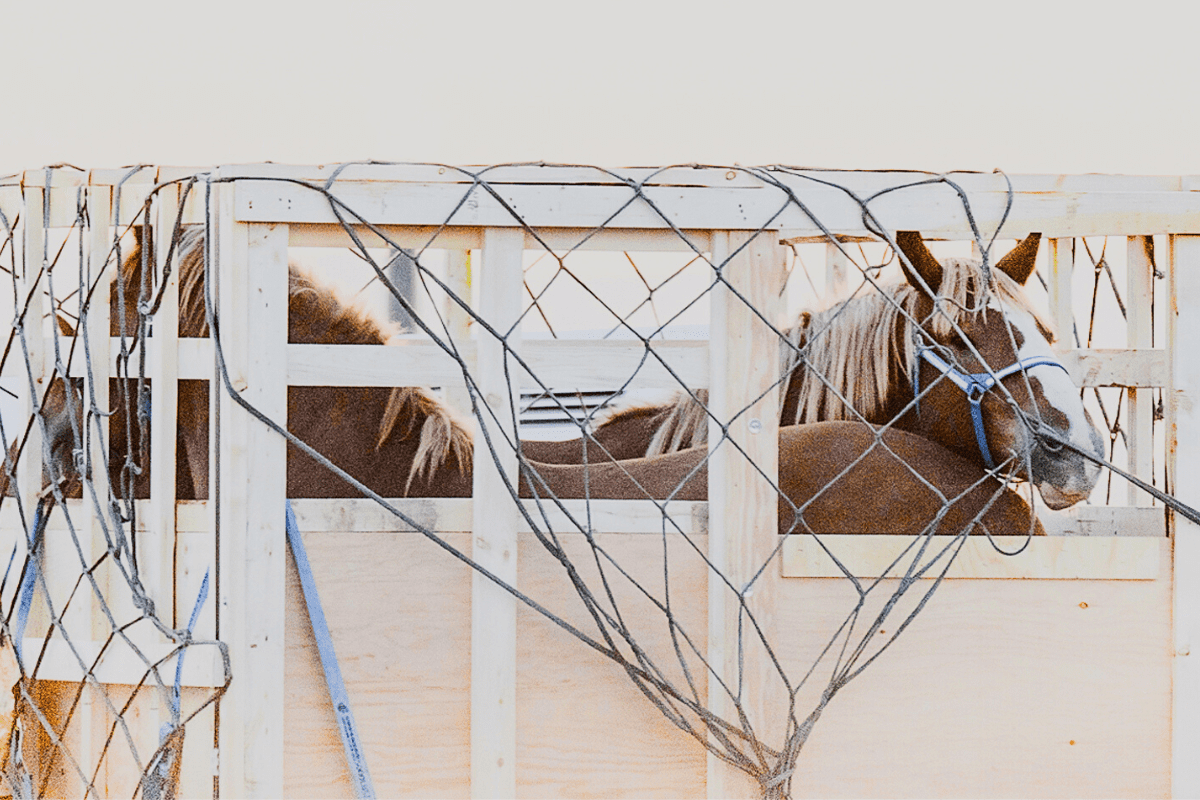
  • The claim that horses exported for slaughter have “ample room”. “This despite countless images captured at Canadian airports showing these horses crammed together in wooden crates as well as evidence given by the horse racing industry and others at parliamentary committee hearings on this issue last year.”
  • The claim that “qualified” attendants are present on flights. While sport horses often travel with multiple staff, Mitchell notes that “a single attendant on a flight of 100 or more horses packed into a cargo hold can do little to assist horses who may fall or become injured or stressed during transport.” Records show that these attendants routinely miss animal injuries, including a January 2024 incident involving four collapsed horses, one of whom was already dead and two of whom died after landing.
  • The claim that “virtually no deaths of horses during transport have been ‘reported to the CFIA'”. Mitchell outlines the underreporting of horse deaths: “Government of Japan data from June 2023-June 2024 alone shows that although no deaths or injuries were reported to the CFIA during this time, at least 22 horses died during or shortly after transport and more than 60 others suffered serious injuries and illness.”
Read article
Categories
News/Blog

Changes needed to stop “unprecedented” bird flu spread

“The ongoing spread of the highly pathogenic bird flu worldwide is reaching an “unprecedented” scale, a United Nations agency warned” earlier this month. The disease spreads easily on crowded poultry farms, which has led to 600 million farmed birds being killed.

Bird flu’s current spread is ‘unprecedented,’ UN agency warns

Bird flu’s current spread is ‘unprecedented,’ UN agency warns – National | Globalnews.ca

The ongoing spread of highly pathogenic bird flu worldwide is reaching an unprecedented scale, a United Nations agency warned Monday.

“Speaking at a conference in Rome, key members of the Food and Agriculture Organization of the United Nations (FAO) met to discuss the global outbreak of avian influenza.”

“Once limited to a few continents, avian flu has spread across all five continents since 2021, affecting more than 528 species, the FAO warned.”

“The virus is now present in 124 countries, causing the deaths of 47 million wild birds, while more than 600 million domestic birds have been culled (killed)”.

Read article

To address bird flu, reform chicken farming

An opinion piece by Eleanor Boyle, published in the Tyee earlier this year, suggests that scaling down the farming of birds for food will be necessary to control the spread of avian flu. Boyle notes that British Columbia, a hot spot for bird flu, is a great place to start shifting the food system.

“Though B.C. turns out less than 15 per cent of Canada’s chicken and eggs, the province accounts for more than 50 per cent of the nation’s recent avian flu-related bird kills and 81 per cent of the country’s now-infected barns.”

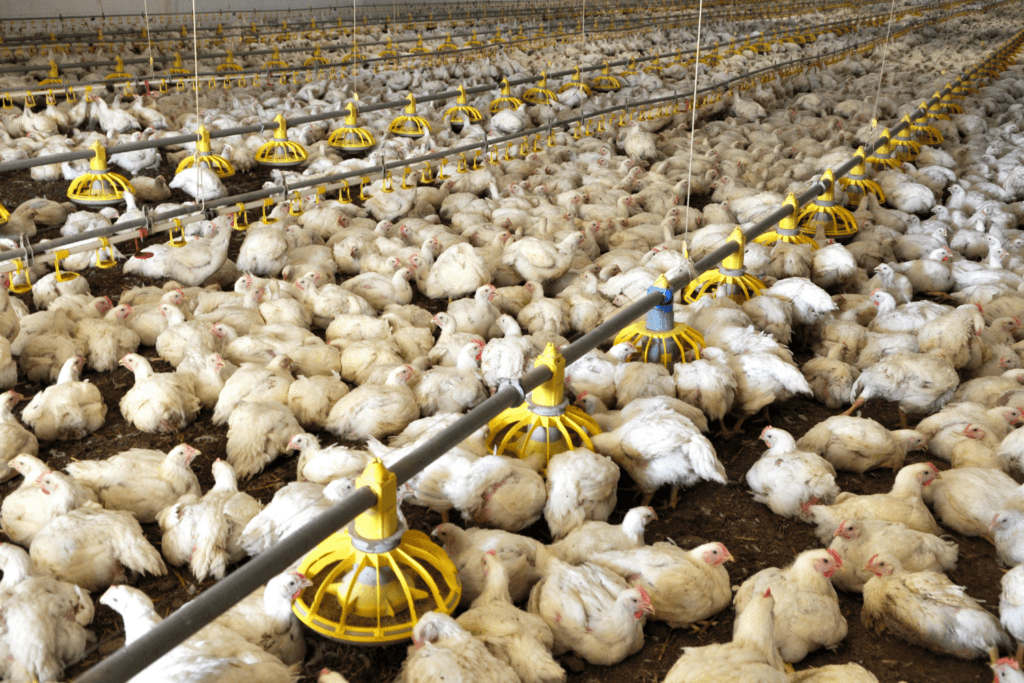
The high density of birds packed into barns and the close proximity of farm buildings are risk factors, the article notes. Research shows the disease spreads (and mutates) among crowded animals.

Although wild birds shed pathogens as they fly overhead, “historically, wild-bird pathogens were innocuous. Commercial poultry settings are where low-pathogenic strains tend to become high-pathogenic.”

“Compassion in World Farming says there’s such strong evidence that the poultry industry fuels avian flu that ‘only major farm reforms can end it.'”

Taking decisive action to shift toward more plant-based foods will mean less zoonotic disease risk and a brighter future for animal well-being and public health.

Read article