A bill seeking to ban the export of horses for slaughter is currently stuck in limbo, with Canada’s Parliament prorogued.
What are live horse exports?
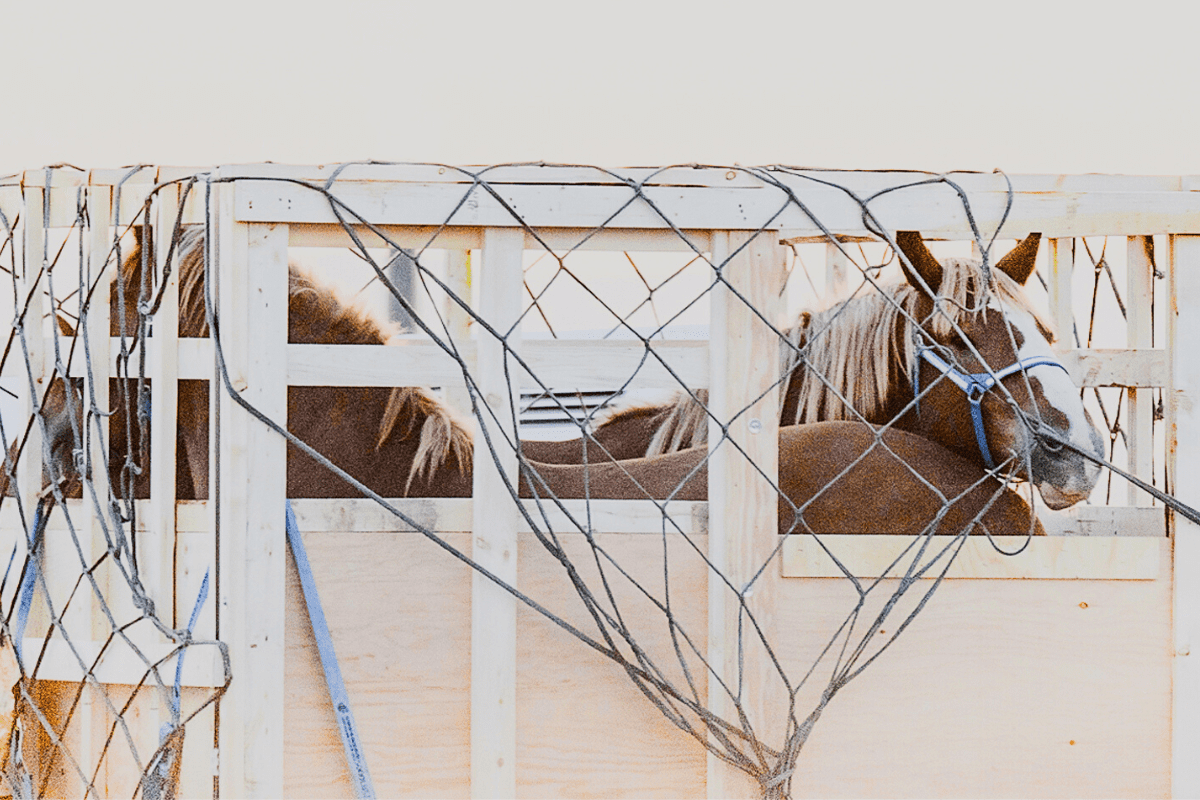
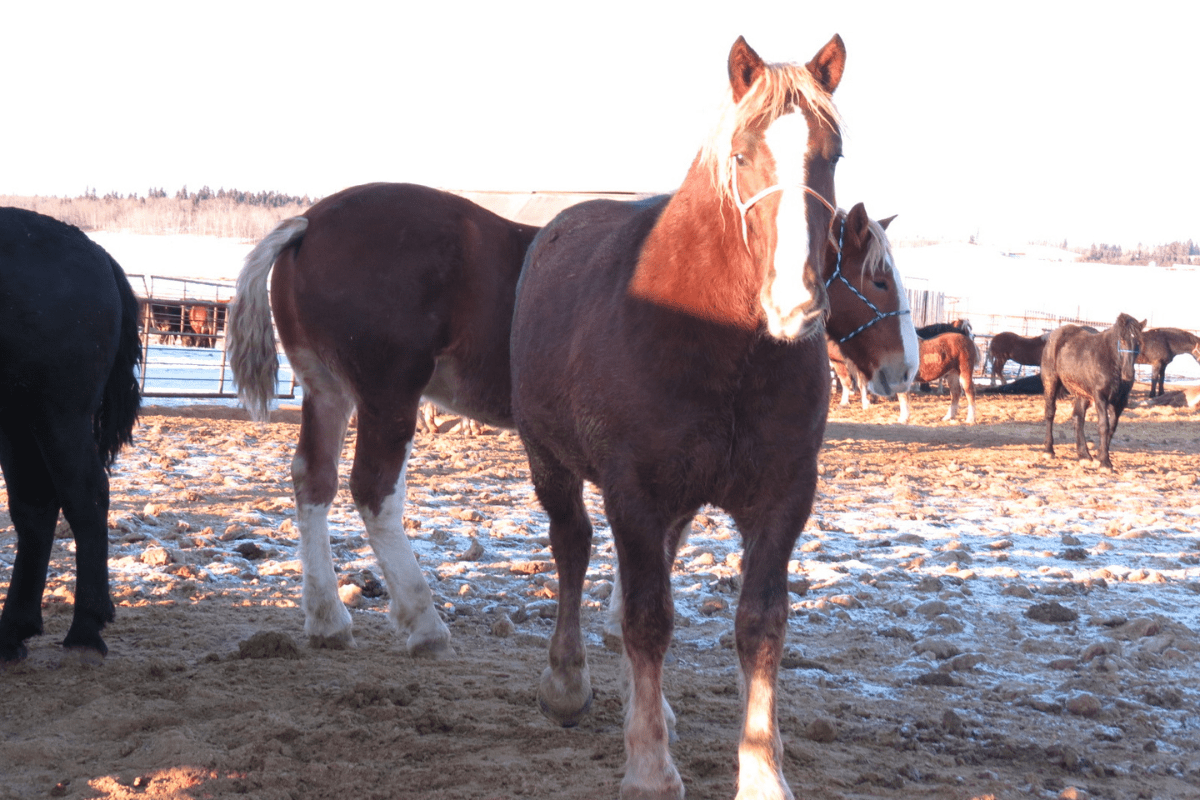
For years, compassionate Canadians have been advocating to end the nation’s cruel live horse export industry, which sends horses on long, dangerous journeys for slaughter overseas.
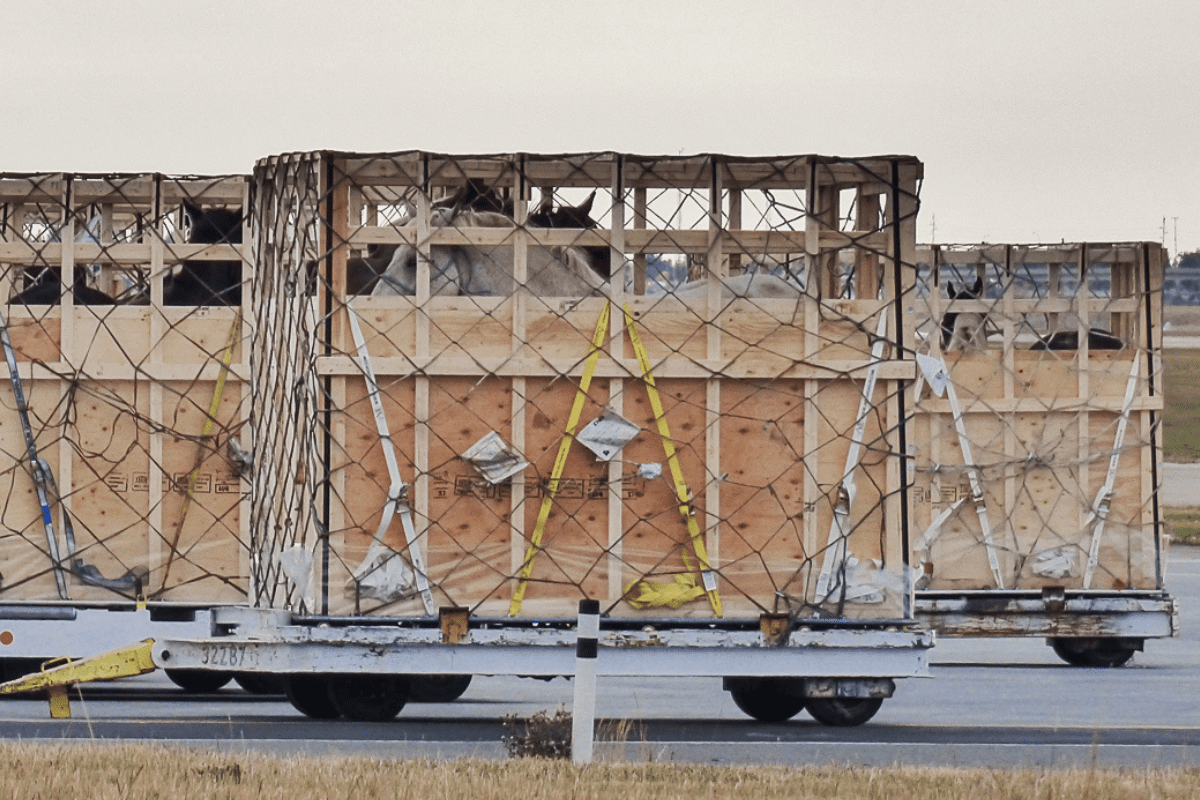
Horses are cramped in crowded crates and can legally go 28 hours without food, water, or rest – though investigations show most journeys exceed this time limit. Deaths and injuries are commonplace, with a recent exposé showing that 21 horses died in 13 months between May 2023-June 2024.
If an election is called, the bill will be wiped out. Advocates are encouraged to contact the federal Minister of Agriculture to call for regulations banning the industry before that happens.
Footage timed for release by Animal Justice just before Christmas, alleges pigs were ‘left in agony, cut open while still alert and conscious’
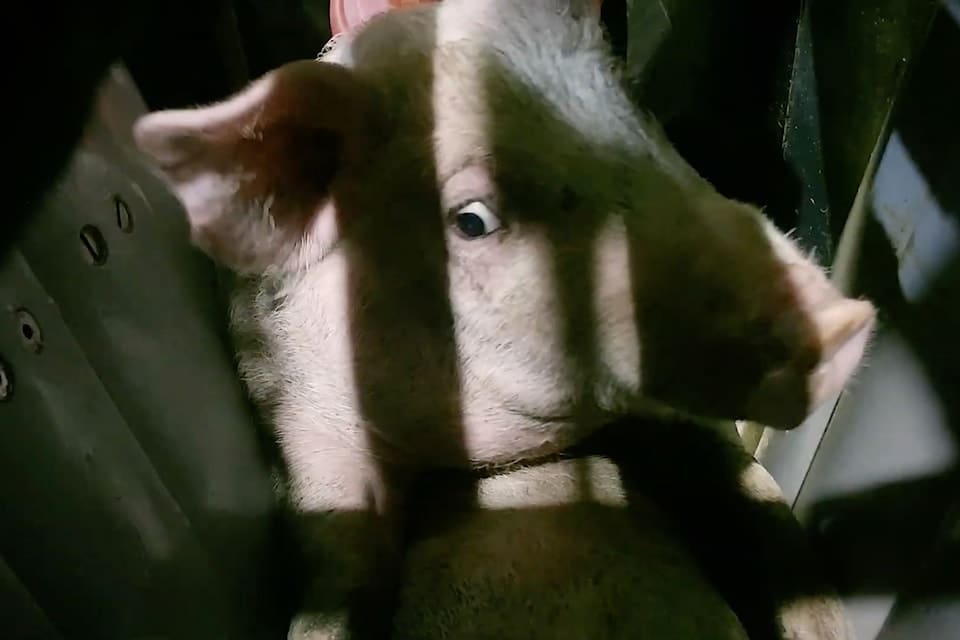
New undercover footage reportedly filmed at a B.C. slaughterhouse shows horrific animal suffering and violations of slaughter regulations.
The footage, made public by Animal Justice, was allegedly filmed by a whistleblower at the Chilliwack-based Johnston’s Meats facility.
The disturbing footage shows frightened and panicked pigs being inhumanely handled, including:
Animals being improperly stunned before having their throats cut, being hung upside down to bleed out while conscious, and then placed into a scalding tank of boiling water.
Multiple animals appear to show signs of consciousness after being electrocuted, which is required to render them fully unconscious for the rest of the slaughter process.
In some clips, workers are seen slitting still-conscious pigs’ throats and electrocuting them multiple times.
The investigation into Johnston’s Meats facility offers a look into the horrific realities of animals killed for meat that is marketed as “proudly local”.
This small-scale, provincially-licensed slaughterhouse kills approximately 500 pigs per day, arriving from family farms around the Fraser Valley. Pig meat from this facility can be found at local grocery stores and butcher shops.
It is another devastating reminder that labels such as local, family run, and small-scale are not indicators of good welfare conditions for animals.
Latest in a series of undercover investigations in B.C.
Over the past decade, near-annual investigations at farms and slaughterhouses have uncovered recurring welfare problems in British Columbia’s animal agriculture industry.
Patterns have emerged over years of investigations that reveal:
Cruelty is endemic in animal agriculture industry
Repercussions are not enough to prevent companies from being repeat offenders
Animals are treated as products, not beings
Read about the past ten years of animal cruelty investigations in the province.
Following growing concerns about the state of farmed animal welfare in B.C., an advisory committee tasked with reviewing the province’s farmed animal welfare framework has presented its recommendations to the Ministry of Agriculture. The report aligns with many of the recommendations that the VHS and other animal protection organizations have long been calling for.
Join the VHS in urging decision-makers to prioritize next steps to better protect farmed animals in B.C.
The owner of Holly Hill Farm said on Facebook that each of their approximately 50 chickens and ducks were put down after they learned avian flu, also known as H5N1, was spreading through the flock.
Vancouver Island’s health authority is warning the public after an avian flu outbreak at a petting farm resulted in the euthanasia of 50 animals and possible human exposure.
Highly pathogenic avian influenza (HPAI) has been killing animals around the world, and British Columbia is a major hub for the disease. More than half of birds killed due to the virus spread over the past few years – 6 million of 11 million – have been in B.C.
The disease has also been seen in mammals, including wild mammals, marine mammals, cows, and pigs. There have been 44 reported human cases in the U.S. and one in Canada. “So far, the people who are contracting the disease have gotten it from cows or chickens.”
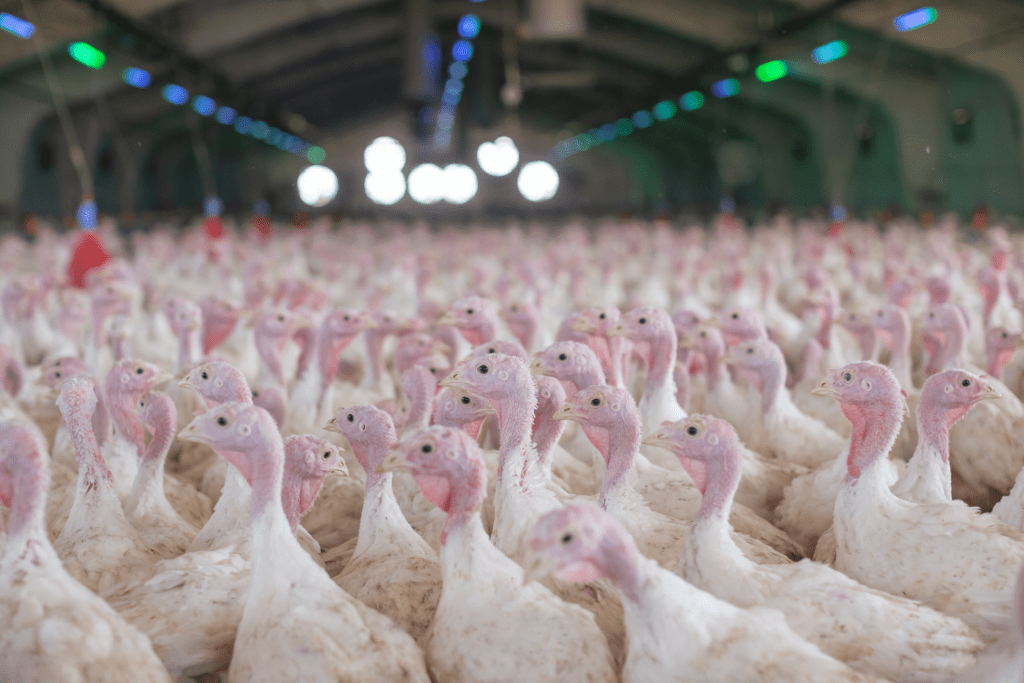
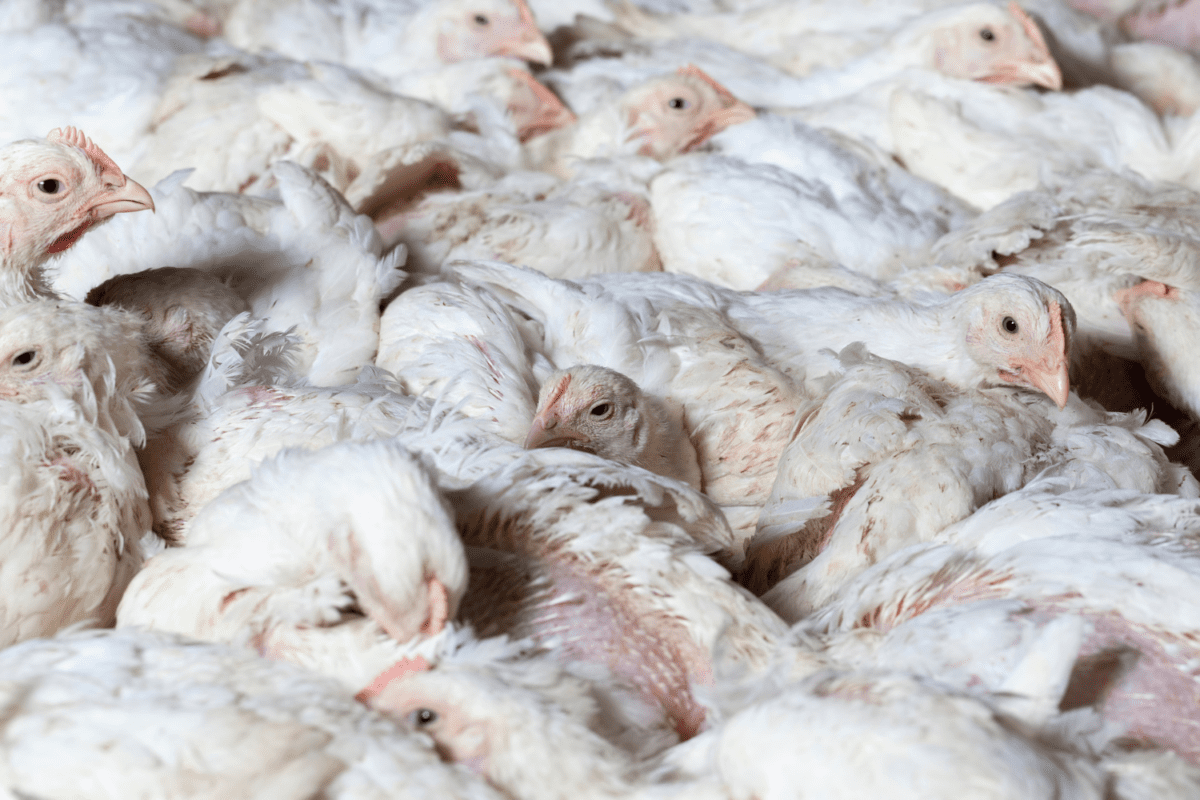
The spread and mutation of avian flu is accelerated by commercial poultry farms, where birds such as chickens and turkeys are often raised in crowded, stressful conditions. Earlier this year, an article by Eleanor Boyle discussed the avian flu outbreak and the need to transition away from industrial animal agriculture to address disease spread.
Ends November 8: Share your top 3 welfare concerns for chickens & turkeys
The National Farm Animal Care Council’s (NFACC) Chicken and Turkey Code of Practice, which serves as a guideline for on-farm care and handling of birds raised for meat, is coming up for review. The current code allows for many inhumane practices that compromise the welfare of chickens and turkeys in the poultry industry, such as overcrowding and painful procedures.
By taking the quick survey, you can help determine the top priorities for the code review and speak up for hundreds of millions of individual animals.
Newly released access to information documents from the Japanese government show at least 21 horses died during or in the days after being flown from Canada for slaughter in Japan between May 2023 and June 2024. That contradicts information from the Canadian Food Inspection Agency.
New reports obtained by animal advocacy groups in Japan reveal 21 horses died after export from Canada for slaughter – far more than reports from Canadian regulators indicate.
“Newly released access to information documents from the Japanese government show at least 21 horses died during or in the days after being flown from Canada for slaughter in Japan between May 2023 and June 2024. “
“That contradicts information from the Canadian Food Inspection Agency, suggesting serious incidents are not being reported to the regulator. In February, a CFIA representative told a House of Commons committee the agency is aware of only five horse deaths related to air shipments since 2013.”
For the first time, the same shipments of Canadian horses being sent to Japan for slaughter have been documented leaving Canada & landing overseas. Animal Justice is releasing new groundbreaking footage of these harrowing journeys, breaking the 28-hour legal time limit for travel. Take action: https://bit.ly/4bkINJn
This is the second time this year that Canadian regulators have been found underreporting the severity of horse suffering during transport. In June, Animal Justice released an exposé which revealed the gruelling journeys of horses exported from Canada for slaughter regularly exceed legal limits.
Legislation ending exports of livestock for slaughter and fattening receives Royal Assent
Congratulations to animal allies across the pond! After years of advocacy, a law was passed in the UK banning the live export of farmed animals like cows, pigs, sheep, horses, and goats for slaughter and fattening abroad.
Farmed animals suffer greatly on long transport journeys, enduring long periods of time without food, water, or rest. They are packed together in overcrowded conditions and can face extreme temperatures, leading to injuries, illness, and deaths.
The Animal Welfare (Livestock Exports) Act in the UK was met with cross party support and passed into law on May 20 when it received Royal Assent. This new legislation marks enormous progress for the well-being of farmed animals.
Here in Canada, a similar bill to ban the live export of horses for slaughter is currently in Senate after being passed at the House of Commons.
Experts suggest commercial poultry, especially factory-farmed and crowded in barns, is one culprit behind the rapid spread of avian flu. But one response by the Canadian government is to compensate farmers – paying the industry millions for bird slaughters – without requiring improved biosecurity against potential pathogens. Perhaps we should question this approach.
In this piece published in Canada’s National Observer, Eleanor Boyle discusses the avian flu outbreak and the steps needed to truly address it.
Boyle notes that more than 94% of cases where bird flu viruses mutated from low-pathogenic to high-pathogenic over the past 55 years have been in commercial poultry.
“Experts suggest commercial poultry, especially factory-farmed and crowded in barns, is one culprit behind the disease’s rapid spread. But one response by the Canadian government is to compensate farmers — paying the industry millions for bird slaughters — without requiring improved biosecurity against potential pathogens.”
British Columbia is being hit particularly hard by the outbreak. The density of poultry farms in B.C. makes the province a hub for avian flu in Canada, leading to a disproportionate number of bird culls on B.C. farms.
“Avian flu is yet more evidence for moving toward smaller-scale agriculture that’s also more plant-based,” Boyle says.
In what’s believed to be a first in relation to farmed animals, a court has given animal welfare advocates the green light to privately prosecute a live-horse exporter in Manitoba after three horses collapsed during a trip that exceeded the 28-hour maximum journey without food, water, or rest.
“We have so few laws on the books to protect these horses,” said Kaitlyn Mitchell, director of legal advocacy with the non-profit group Animal Justice.
“The least that we can do is to make sure that what few laws we do have are actually enforced. Otherwise, what good are they?”
The PETA Foundation has written a series of alternate food options to help stop the spread.
“The best way to prevent future outbreaks of bird flu, which has been found on more than 50 poultry farms in British Columbia since October, is to stop raising birds for food.”
The PETA Foundation has written a series of plant-based options to help stop the spread in this letter to the Times Colonist.
Two new cases of bird flu have been confirmed in Chilliwack by the Canadian Food Inspection Agency, bringing the total cases across the Lower Mainland to 11.
“Canadian Food Inspection Agency data show there have been 39 B.C. outbreaks of H5N1 avian flu since Oct. 20, resulting in almost five million birds dying of infection or being ‘humanely depopulated’ to halt the spread of the virus.”
Intensive animal agriculture, where a large number of animals are kept in close quarters under stressful conditions, puts animals at risk of disease spread like avian influenza.
There are numerous places in Metro Vancouver, BC that are asking for donations leading up to Christmas Day 2023. Find out how to help those less fortunate.
The Vancouver Humane Society, the Happy Herd Farm Sanctuary, and other worthy causes were featured in Vancouver is Awesome! Read the article to find out how your gift can make a difference this holiday season.
“Panago Pizza locations across B.C. will offer plant-based pizzas for $15 with the code PLANT15 on Tuesday, Nov. 28. One dollar from each purchase will be donated to the Vancouver Humane Society (VHS) and the Happy Herd Farm Sanctuary. Panago has five plant-based pizzas to choose from.
“Funds support a loving forever home for more than 65 animals at the Happy Herd sanctuary in Aldergrove, which rescues animals from the farming industry.
“Donated dollars also support vital program and advocacy work at the Vancouver Humane Society, including covering life-saving veterinary care for beloved pets and ensuring they can return to their caring guardians rather than being surrendered to the overburdened shelter and rescue system.
“Members of the community can also donate directly to the VHS and The Happy Herd online. Panago is matching donations made to the Giving Tuesday campaign up to $2,000, and other generous local partners are matching an additional $6,000 in donations.”