Categories
News/Blog

Podcast: “Dangerous dog” laws

All episodes

Dogs have a meaningful place in many families across Canada; but what happens if a dog is deemed “dangerous”?

In this month’s episode of The Informed Animal Ally’s series on animal cruelty, animal law lawyer Rebeka Breder joins the Vancouver Humane Society’s Amy Morris and Chantelle Archambault to discuss “dangerous dog” laws, including how a dog is deemed “dangerous”, and what happens as a result.

Note: This written interview has been edited for length.

Rebeka Breder portrait

Animal Law Lawyer

Rebeka Breder practiced for more than a decade in a Vancouver law firm specializing in animal law and civil litigation before becoming a founding lawyer at Breder Law, Western Canada’s first law firm to focus exclusively on animal law. She is known as a trailblazer in developing Animal Law in Canada for over a decade. 

Municipal bylaws

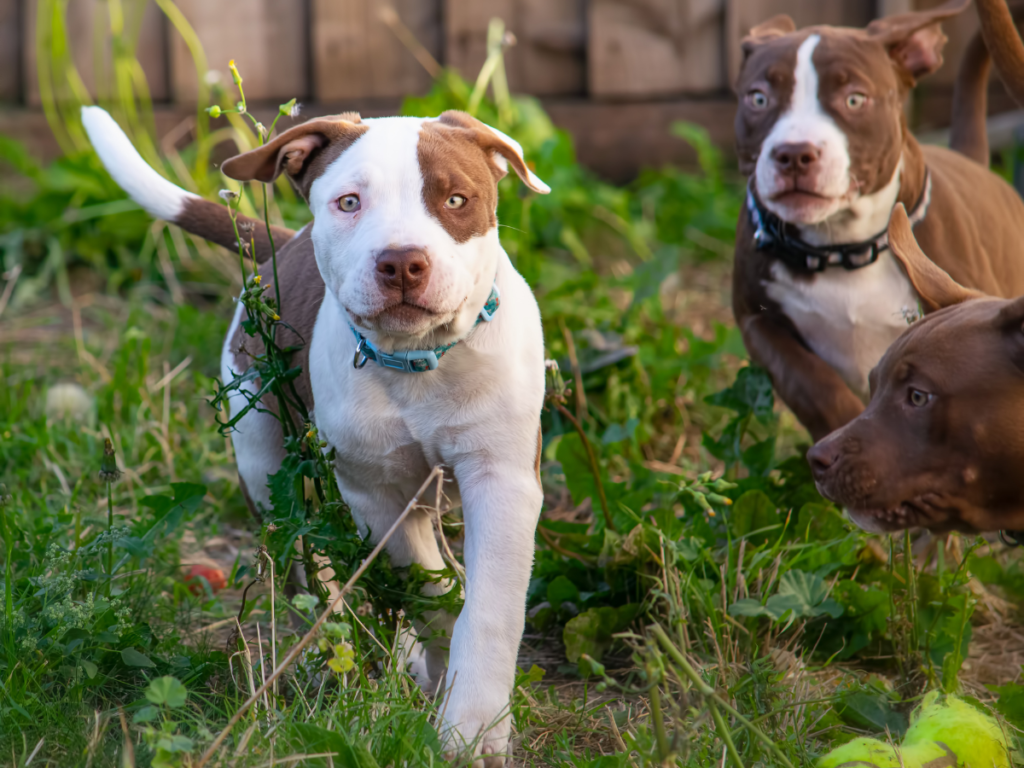
A group of pitbull puppies run in the grass. Pitbulls are still considered a dangerous dog in some laws, evidence to the contrary.

Chantelle: Can you tell us a little bit about what dangerous dog laws are and your experience defending dogs who are deemed “dangerous”?

Rebeka: Yes, there are really two main areas. There’s the municipal bylaws and dealing with “dangerous” or “aggressive” dogs. And there are provincial laws that deal with the same issues.

So when it comes to the municipal level, which is at the city level, those types of cases often arise when people are out walking their dogs. And there are some kind of incident between the dog who’s being walked with another dog or the dog with another person. And those types of cases also range so much.

It could be anything from dogs kind of being dogs and playing in a dog park; and there’s a dog who is very possessive over his ball and another dog tries to take that ball away and then the dogs start fighting and one of the dogs gets injured.

Or a person trying to break up a fight between two dogs at a dog park and then the person gets injured.

Or let’s say a person is walking their reactive dog. And I’ll just pause here to say that there’s a very big difference between reactive dogs and truly aggressive dogs. So when you have reactive dogs on a leash walking in an on leash area—in other words, in areas where dogs are supposed to be leashed, like on a street—and then you have someone walking their dog not on leash and the dog that off-leash dog run up to the dog who’s leashed and then the reactive dog barks and reacts, and then the other off-leash dog gets aggressive and then there’s a fight that starts, then the question is, well, whose fault is it?

And very often I could tell you that whichever dog caused the injury, regardless of the circumstances, is more often than not considered guilty, even though the dog guardian who was walking their dog on leash didn’t do anything wrong. I had a recent case like that, so it’s kind of top of mind.

Or this one where there were puppies off leash in an area where they were supposed to be on leash, walking to an off-leash dog park. At some point, one of the puppies allegedly jumped and attacked a child. I’m going to focus on that as an example.

The woman got upset because her kid fell. My client’s dog was four months old and looks like a pitbull. The police ended up coming. The child was seen running around and not injured. So what ended up happening was that the woman complained to animal control, animal control then brought charges for bylaw infractions for dog off leash and a dog biting, attacking, and injuring.

There was a trial. What it came down to is whether what happened was a dog attack. If you’re found guilty of allowing your dog to bite attack or injure, then that causes complications for the dog guardian and the dogs, because that’s a huge strike against the dog on his or her file. If there’s another incident, it gives stronger grounds for the city to seize the dog and put the dog on death row.

So just going back for a moment to this case that I was talking about with the puppies playing, and it came down to whether in this context of play, if there was some contact between the puppy and the child, was it an attack?

We, first of all, argued that there was no contact, but if there was contact that it wasn’t an “attack”. Maybe the puppy jumped on the child because the puppy was on his way to get the ball, saw a kid, got excited, jumped on the child. The kid was 18 months old and didn’t have stability and fell, but it wasn’t an attack. The dog didn’t bite the child.

I was essentially making the argument that the whole purpose of these animal control bylaws is to prevent actual aggressive dogs from harming the public. It would be a huge mistake if courts started penalizing dogs in the context of play or penalizing dog guardians in the context of play, because that’s not what these bylaws are designed for.

Luckily, the court ended up agreeing, and so we have good case law now that talks about how an “attack” in the context of play is not an attack.

Now that said, I’m just gonna pause here to say, it still does not give dog guardians the right to let their dogs free wherever they want to. I’ve learned just from having a reactive dog myself a number of years ago, that out of respect for reactive dogs who don’t appreciate other dogs coming into their personal space, that we need to respect each other’s spaces.

So again, in a summary, in the municipal context, when we’re dealing with so-called aggressive dogs, usually it’s either fines or a combination of fines and a guilty plea where a dog is deemed to have bit attacked or injured a person. So that’s kind of in the municipal context.

Provincial laws

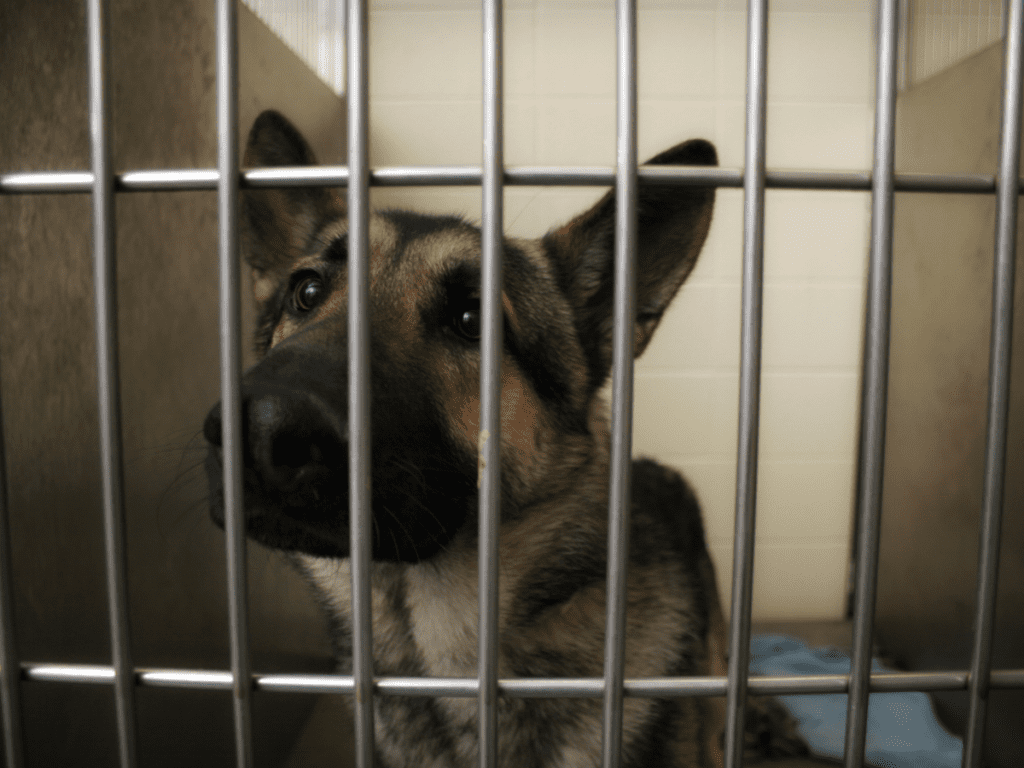
A dog in a kennel. Dogs seized due to dangerous dog laws can be held for months while waiting for a trial.

Rebeka: In the provincial context, there are barely any laws. There are two provincial pieces of legislation in B.C., the Community Charter and the Vancouver Charter. The community charter covers all cities in British Columbia, except for Vancouver. The Vancouver charter deals specifically with Vancouver.

And within both of those acts, there are only 10 to 11 provisions dealing with “dangerous dogs”. It’s certainly a far cry from having a complete code or rules dealing with these types of situations.

There’s a definition of what a dangerous dog is; it’s basically a three part test.

One is whether an animal control officer had reasonable grounds to believe that a dog will likely injure a person. Another one is whether the dog went off his or her own property and injured another animal. And then the other part of the test is whether the dog is likely to cause serious injury to another person.

Serious injury isn’t defined. There is no requirement that any qualified professionals are involved in this.

If an animal control officer believes that a dog meets a definition of dangerous, they do have the power to come and seize a dog and put the dog on death row. That said, and a lot of people don’t realize this, is that when animal control officers show up at someone’s door, they actually don’t have the right to just take your dog. They have to have a warrant; that is one of the provisions in the provincial legislation.

What happens more often than not, and I’ve seen it many times in my cases, they tell the dog guardian, you have to give your dog. People don’t know their rights, so they give their dog up to animal control. The dog ends up at the shelter for months, if not well over a year until the matter is actually heard in court.

Then it’s a whole trial process with witnesses, experts, with a judge. It’s a long, emotional, stressful, expensive process. And often it comes down to a “he said, she said” type of thing.

In these cases really fundamentally what would I focus on? The bulk of our case has to do with what a qualified animal behaviorist has to say.

And so the expert comes into court to explain what she believes really happened. And then just as importantly, if not more importantly, explains to the court what the management plan should be for this dog and whether the dog guardian is willing to follow this management plan.

What a management plan essentially is, is we put together a plan to make sure that an incident like that doesn’t happen again. And that would usually involve things like muzzling, if that’s what’s required, or a change in diet, to some temporary medication to help deal with anxiety, to property, making sure that there’s proper fencing, to dog training. That dog training is just as much for the dog guardian as it is for the dogs. And really keeping up with making sure that the welfare of the dog is good.

And in all of my cases, I could tell you that I’m yet to lose a dog in any of these cases. I really try to surround myself with individuals who know more than me in this area who could help the dog and the court to explain that this dog is, is not a threat to the community.

So you have these provincial laws, which as I said, there’s barely anything in there. There’s a definition of dangerous dog. There’s a requirement that you need a warrant. And then there’s a provision that allows an animal control officer to bring an application, to put a dog on death row. And other than that, there’s nothing else really of substance in there.

The judges in the past have allowed dogs, even though they have been designated as “dangerous”, to be returned on conditions, which in my cases was essentially the management plan put into the form of court order. So it was enforceable if the person breached any of those or breach of a court order, and then there, there could potentially be consequences. I can’t speak from experience what those consequences would be, because none of my clients have ever breached them as far as I know. So we never got to that point. It always worked.

And in 2019, all of that changed when the highest court in his province said these conditional orders are not allowed. If a dog is deemed dangerous, the dog has to be put down. Or if the dog is not an unacceptable risk to the public, then the dog is returned back to the dog guardian.

In the last couple of cases that I’ve been involved in that have gone to trial, we focused on the expert testimony and that the dog does not pose an unacceptable risk to the public. And we’re able to show that with the use of expert evidence.

In the eye of the beholder

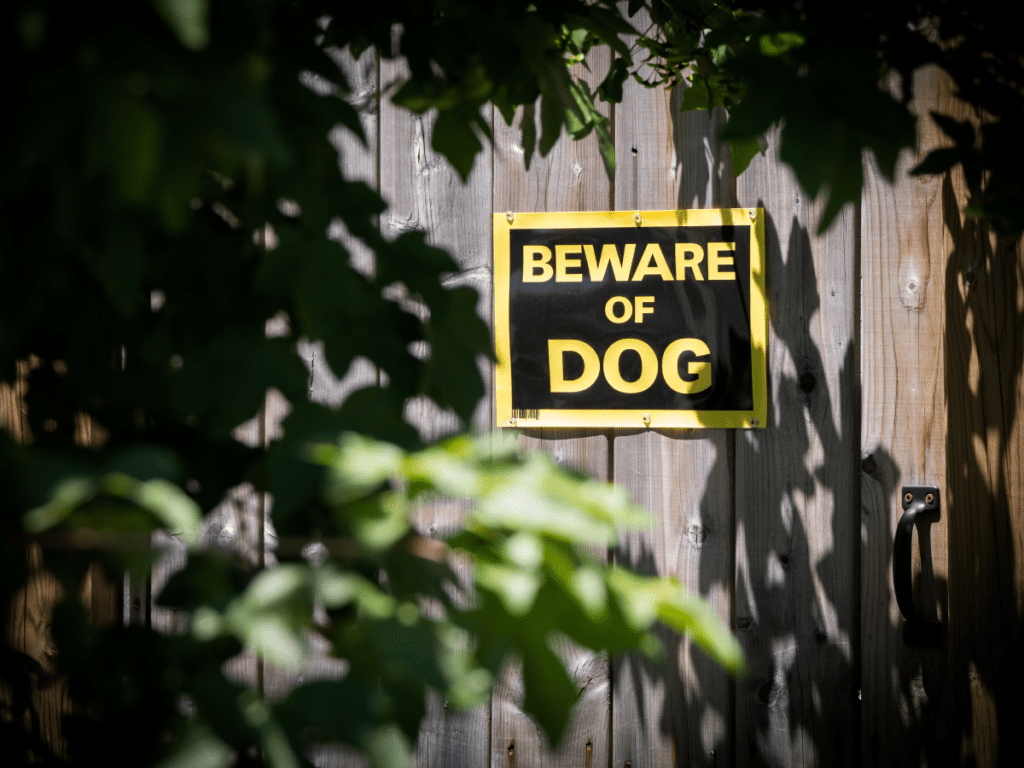
A beware of dog sign on a personal property fence.

Amy: That was really helpful, Rebeka. And it brings to mind a couple tangents that we can chat about. The first one that brings to mind is the question of “livestock”. There’s a section in the Livestock Act on dogs causing injury or damage, that essentially states a person may kill a dog if the person finds the dog running at large and attacking or viciously pursuing livestock. You mentioned these definitions of terms.

So what is “viciously pursuing” and how can someone define that if they’re alone on their property, and they’re the only one observing it? It leaves it up to the layperson to make a decision as to whether or not they’re allowed to kill a dog.

Rebeka: Yes, exactly. That reminds me of another tangent, which is that the City of Vancouver is in the process of amending its animal control bylaws. There are a number of changes that are going to come into effect as of January 2023.

One of them has to do with the definition of an aggressive dog. Right now, and I’m paraphrasing, an aggressive dog in the City of Vancouver is essentially defined as a dog that has either bit, attacked, or seriously injured another dog or person, or has the propensity to do that.

The new definition is going to include some of that, but it is also going to include a dog that exhibits “aggressive behavior”. The way the City of Vancouver is defining aggressive behavior is any action by a dog that reasonably threatens a person or domestic animal and includes snarling growling, or pursuing a person or domestic animal in a hostile manner.

So there are number of issues there. First and foremost, it is so subjective. And I have already seen it in my cases where there’s someone who either doesn’t like dogs, or is scared of dogs, or is scared of pitbull type of dogs.

The dog runs up to the person who’s scared of that dog, not in an aggressive way, but just to say hi. You have two totally different perspectives on the dog’s behavior, coming from the dog guardian and the person who doesn’t like the dog. Then it’s up to animal control to investigate.

More often than not, they side with the alleged victim. And that’s going to go to court and cost dog guardians time, money, stress.

So that definition really concerns me, because it is so subjective. What does hostile manner mean? Again, it’s in the eyes of the beholder. What does pursue mean?

I could see that what the city’s really trying to do is nip the problem in the bud, so to speak very early on so that once truly aggressive behavior is detected. They’re trying to educate the public to deal with the issue. I’m worried that it’s going to have a countereffect and that in some cases, it will work, but in many cases, it won’t.

On that note the Vancouver definition, and any other definition that I’m aware of dealing with aggressive dogs or vicious dogs or dangerous dogs, does not require the involvement of a qualified professional in making that determination. So it’s essentially animal control officers who are enforcement officers, not animal behaviorists, yet they are put in positions where they are legally allowed to designate a dog as aggressive or dangerous, which could have very serious implications for the dogs and for their guardians.

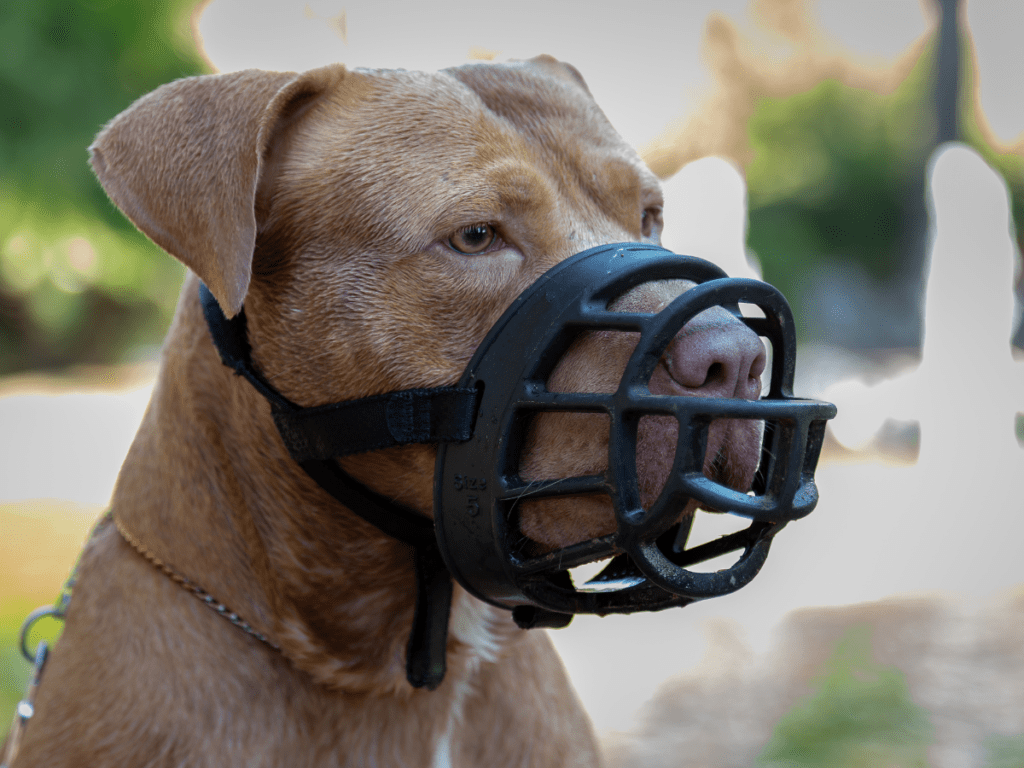
Usually that means that the dog can no longer play off leash in dog parks, always has to be muzzled when in public areas, sometimes it requires a person to build an enclosure within their property. It just really limits the welfare and the freedom of the dog guardians as well as the dog owners.

“Aggressive behaviour” or communication?

A small dog snarling. Dogs may snarl to communicate discomfort.

Amy: Going back to your explanation of the definition where you’re talking about snarling. We have this ladder of animal behavior of communication signals. They start maybe looking away and different nervous behaviors towards. Maybe a quick flash of the teeth, maybe a little growl. And these behaviors are important because the dog is letting everyone else in the area know, “I’m uncomfortable”.

And so the problem with having laws that penalize some of these behaviors is that people start to punish their dogs or start to tell their dog, “No, don’t show your teeth.” And what that actually does is the opposite effect where suddenly a dog that’s communicating really well gets punished for that communication. Well, they might skip all of that communication and go to a bite, because they’ve been taught in the past that all of that other communication isn’t allowed.

And so it, it could have that adverse effect of people thinking they need to punish their dogs for clear communication and having an increase of bites. So that’s sort of the thing that I find so conflicting with some of these laws is that they have the psychological effect on people that it’s not okay for a dog to do.

Whereas if you spend every day paying attention to your dog’s signals, you learn that, okay, my dog gave a little growl because the other dog tried to steal her stick and she wanted some space and that’s a very healthy thing to do.

Rebeka: Yeah, exactly. I couldn’t agree more. And there’s also some dogs who bark, not because they’re being aggressive, but it’s just the way they communicate. They’re excited, it’s anything but aggressive.

On the flip side, dogs who are wagging their tails does not always mean that the dog’s happy. Wagging a tail could actually be part of the excitement package, where the dog’s arousal is going up, which actually could lead to aggression.

It also depends on the body language. You could literally see some dogs almost have a smile. When my little guy is happy and he’s running toward me, his face just lights up and he’s smiling and he’s wagging his tail and he’s happy.

But anyway, I just wanted to point out that there are, there are, um, there are those times when, when people wrongfully perceive a wagging of a tail as a good sign when actually the behavior is potentially on its way to becoming an aggressive behavior.

Breed specific legislation (BSL)

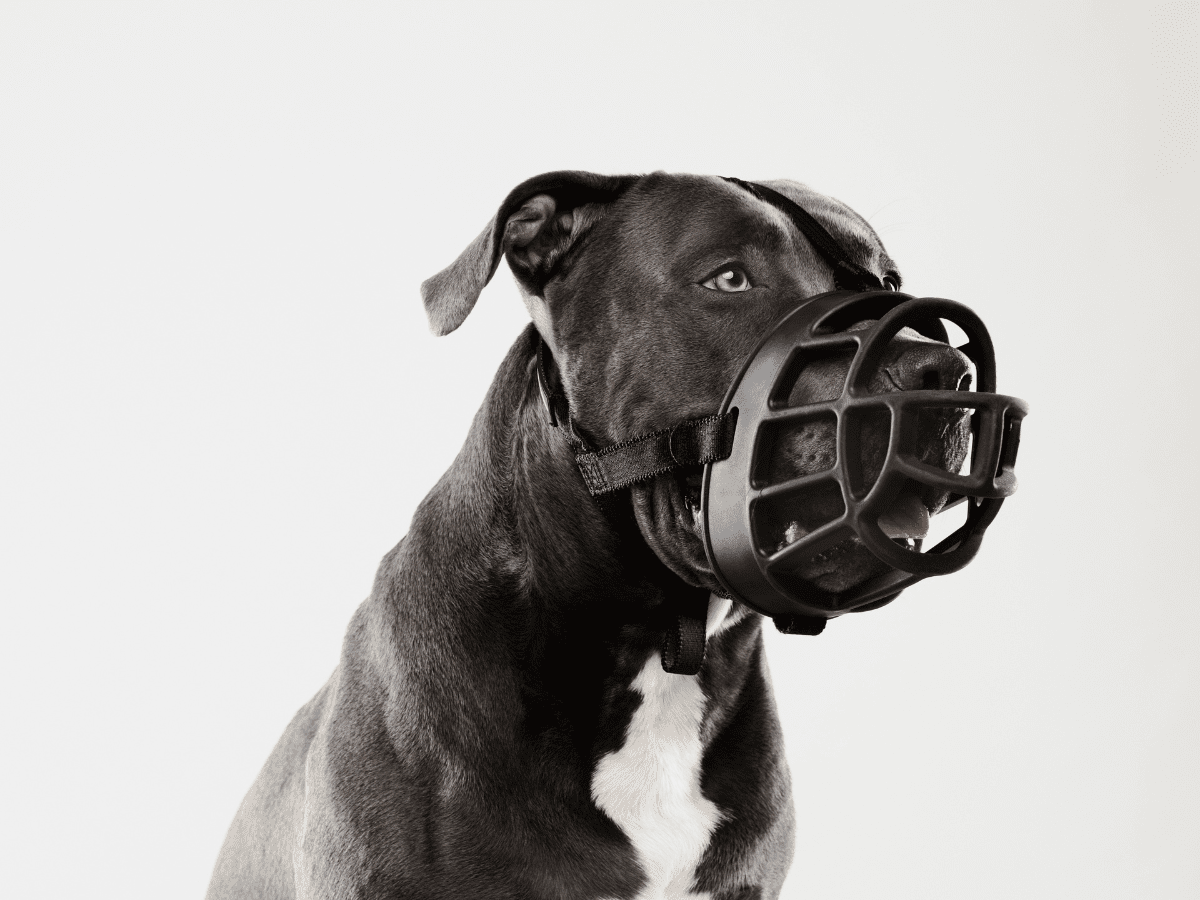
A dog wearing a muzzle, as required by some breed specific bylaws.

Amy: Yeah, absolutely. And I think the reason that municipalities are trying to go to these descriptions of aggressive behavior is because they’re maybe trying to move away from breed specific laws, which are worse.

And just to kind of talk a little bit more about breed specific laws, these can look different based on the community. In some cases, certain breeds are completely banned from a community and other cases they’re required to wear a muzzle. They’re often “specific” to a random assortment of breeds. Every municipality is different in what they choose to include or not include, but none of them are backed by data that shows consistent poor behavior in a specific type of breed.

Rebeka: Absolutely. And let me just say that in Canada, other than Ontario, no other province has a complete ban on pitbulls or bully breeds, so to speak. But there is breed specific legislation (BSL) throughout Canada, including British Columbia

On the positive side, Vancouver used to have BSL, but I believe back in 2005 Vancouver actually repealed that. And then after that, North Vancouver, Delta, Castlegar, Cumberland, Coquitlam, White Rock, Pitt Meadows, New Westminster.

The cities did that because they realized that it’s so hard to enforce those bylaws, because those bylaws usually say something like a pitbull or a dog with “characteristics” or “appearance” of a pitbull—what does that mean—must be muzzled, and must not be off leash in any areas. And secondly, we know the behavior of a dog does not depend on the breed.

If you ask any reputable animal behaviorist, they will tell you that it is just nonsensical and it just buys into the myth that pitbulls and dogs like that are more vicious or aggressive than others. And there are so many myths, including like that pitbulls’ jaws lock—that just doesn’t happen—or pitbulls can cause a lot of damage.

Well, actually there were peer reviewed scientific articles that compared to bite pressure of purebred pitbulls to other dogs, including German Shepherd and rottweilers, and actually found that other breeds have a stronger bite pressure than pitbulls.

I’m often asked, well then why do you always hear about pitbulls in the media? There are a number of reasons why that is, namely because it just catches people’s attention more.

But what I think is one of the bigger problems in this whole pitbull debate is that when the numbers of so-called pitbull attacks are reported, those are based on laypeople’s observations of the dog. So someone could say, that dog was a pitbull. And so it gets reported as a pitbull attack without really knowing whether the dog was actually a pitbull. And we know for a fact that in so many cases, the dog in question was actually not a pitbull.

There have been mistakes here in British Columbia. I remember a number of years ago in, in Fort St. John, in Yaletown, in Richmond. These are just three examples from top of mind where they were reported as pitbull attacks only later to be discovered that the dog in question was another breed that looked like a pitbull, but wasn’t.

Pitbulls end up getting this really bad rap, because really for every so-called pitbull attack, there are many, many, many more pitbulls who are living wonderful, happy, loving lives with good guardians.

Chantelle: A common thread in everything you’ve been saying is subjectivity. The behaviour and enforcement is all subjective. The snarling can not necessarily indicate aggression. And then the breeds are very subjective up to the individual doing the enforcement.

You mentioned a lot of municipalities that have removed their breed specific legislation. But for instance, one that still has it is Burnaby and they consider all dogs with predominant pitbull characteristics to be a vicious dog. And then the bylaw also allows vicious dogs that have been seized or impounded to be kept up to 21 days.

So dogs can be seized in or impounded for a number of reasons, as you mentioned before. If the dog is off leash, and that can be because the dog just escaped from home; if a dog visually looks like a pitbull to a specific person who reports it and is not muzzled in public.

Rebeka: It just reminded me. Close to 10 years ago, I attended the Burnaby City Council with representatives of another amazing organization, HugABull, a rescue organization for “bully” type breeds. We were trying to advocate for the repeal of BSL. And I remember making submissions to Council and the Mayor at that time.

But I remember getting really into a heated argument with the Mayor who was a very strong proponent of BSL.

I was a lawyer at the time, too. So you have a professional, who’s giving an opinion on why the laws are not enforceable and why they just don’t work. And you had other qualified professionals in dog behavior giving their reasons why BSL doesn’t work.

We were trying to present more factual based as opposed to emotional based reasons. And it just seemed like that’s what this issue often comes down to it just the way people feel about it, as opposed to actually looking at reliable peer reviewed science and on reliable facts that actually tell the real story.

It’s not about the pitbull breed. It’s about dog behavior. You cannot penalize a dog for being a certain breed.

Where do we go from here?

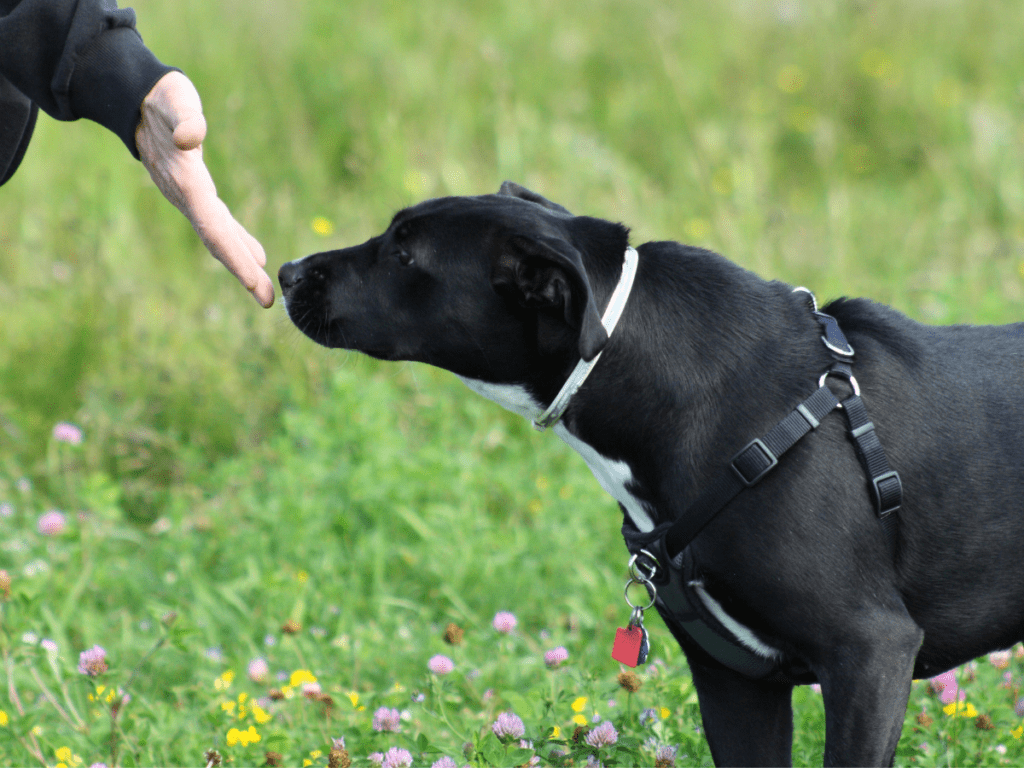
A dog smelling a person's hand in greeting.

Rebeka: In my mind, a really good legal framework would be part of the bigger picture which would include educating kids about dogs from a young age, and I think that would then hopefully translate to parents too.

Don’t let your little child just run up to any dog. When you approach a dog, how you approach? Let the dog sniff your hands first so that the dog can get to know you. Don’t crowd a dog.

Part of the bigger picture, I would love to see education as a key component to the development of a proper regulatory regime dealing with dogs.

And then what that proper regulatory regime would look like. It would include things like targeting known risk factors, such as requiring that dogs at a certain age be neutered or spayed subject to the opinion of a veterinarian. Because we do know that is a contributing factor; if dogs aren’t neutered or spayed, that could lead to aggression.

Having a requirement that investigations need to include interviews on both sides; both the dog guardian and the alleged victim.

A licensing regime to ensure that dogs are licensed so that if they get lost or if they get into trouble that the dog guardian and dog can be tracked.

Involving qualified animal behaviorists in this whole process to work together with dog guardians and dogs to ensure the dog’s welfare and ultimately the safety of the community too.

And an appeal process where if the city does find that a dog meets a definition of aggressive or dangerous or vicious, that there’s a way for that designation to be reviewed again after a certain amount of time.

Just some examples that come to mind.

Next episode

Watch out for the next episode of The Informed Animal Ally on September 27 discussing wildlife cruelty laws.

Did you enjoy this episode on dangerous dog laws?

For more background on regulations across Canada, check out Vancouver Humane Society’s first episode of The Informed Animal Ally exploring companion animal cruelty laws.
Companion animal cruelty laws
Categories
News/Blog

Making a kinder world: Because They Matter

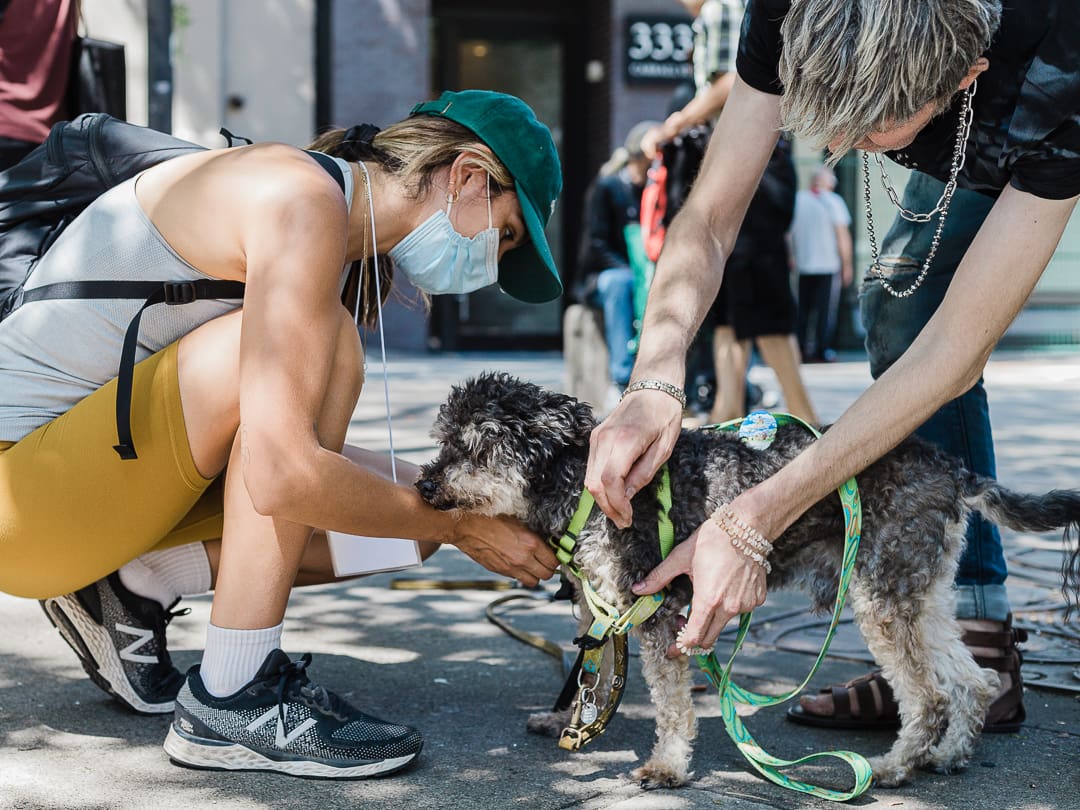
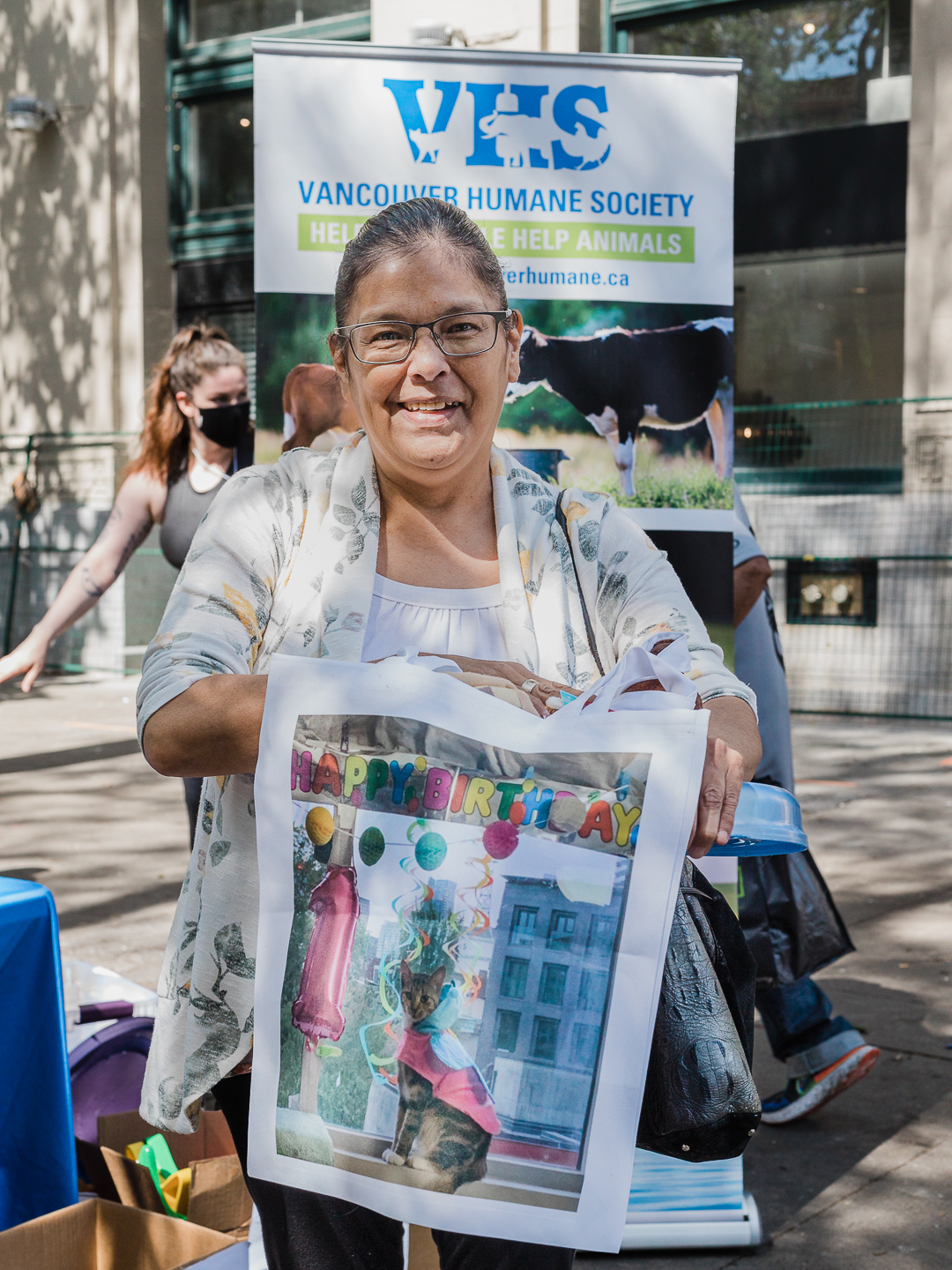
The moment the Because They Matter team arrived in Pigeon Park in Vancouver’s Downtown Eastside, the change in the atmosphere was palpable. Residents of the neighbourhood immediately came up to the table, eager to pick up much-needed supplies for their beloved animal companions.

Each person who connected with the team had a unique journey, and all had incredible bonds with their pets.

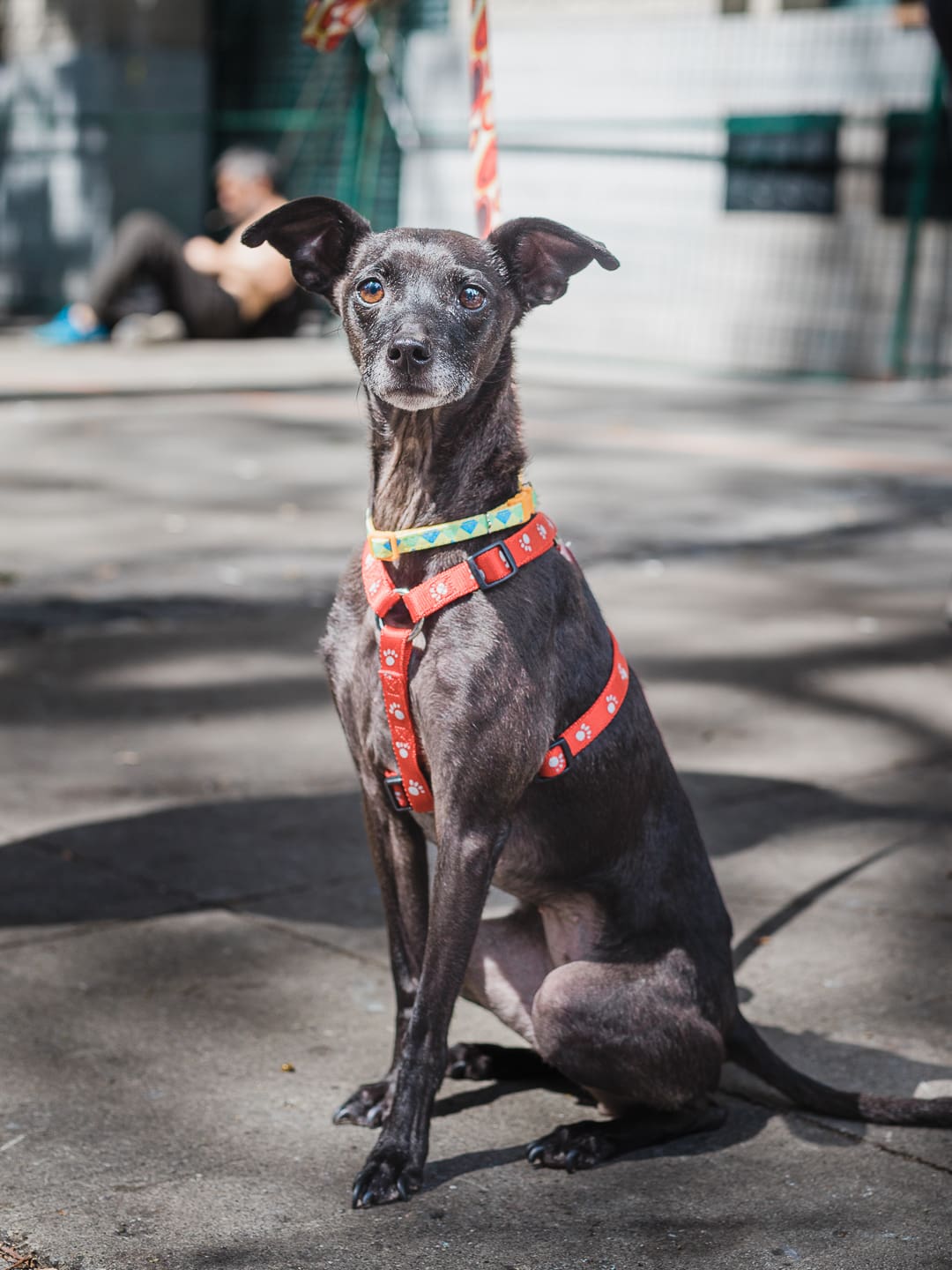
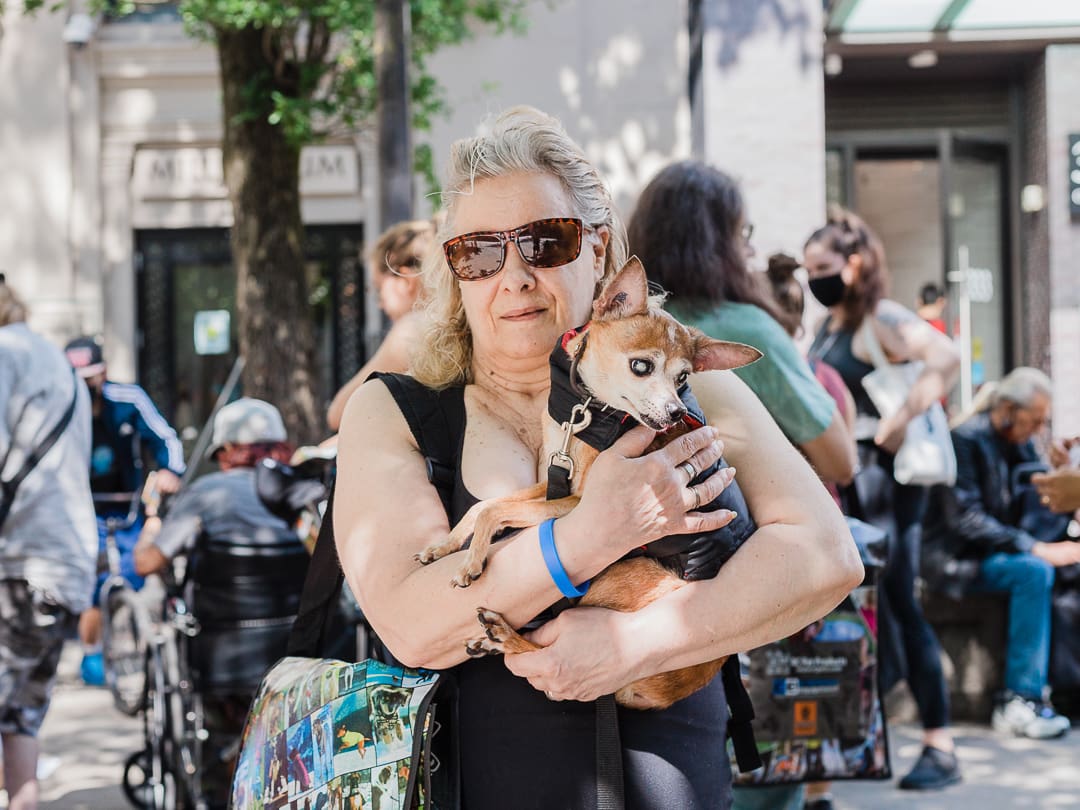
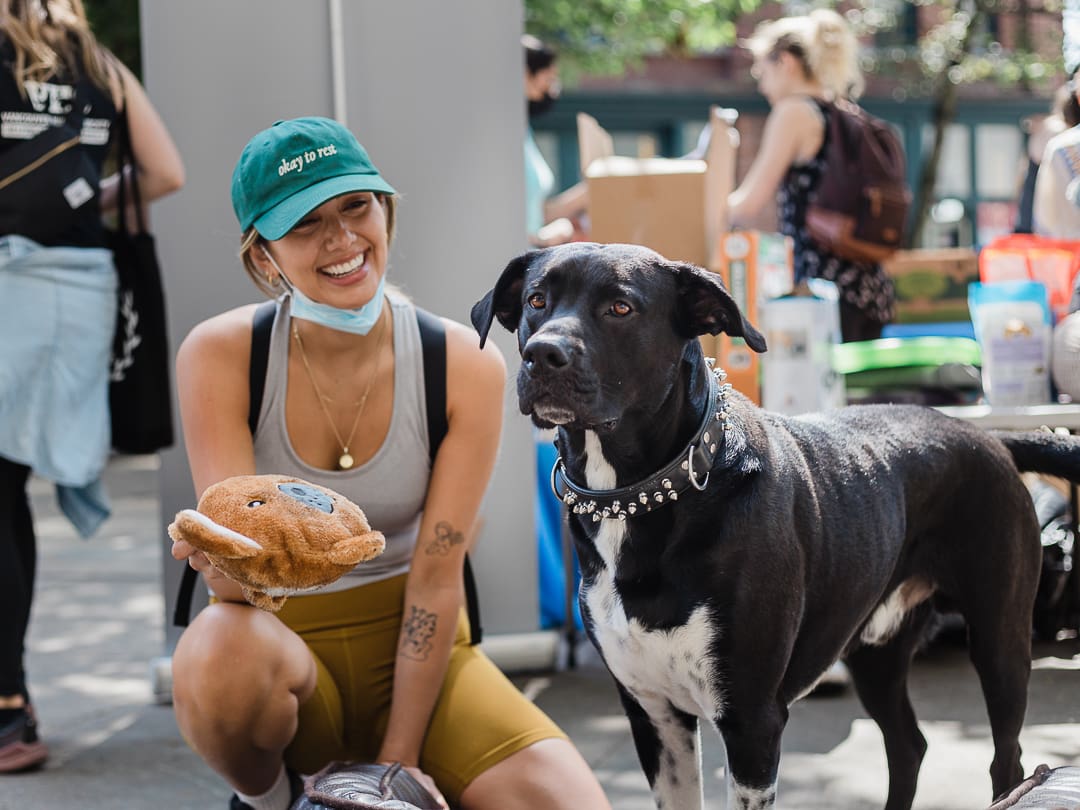
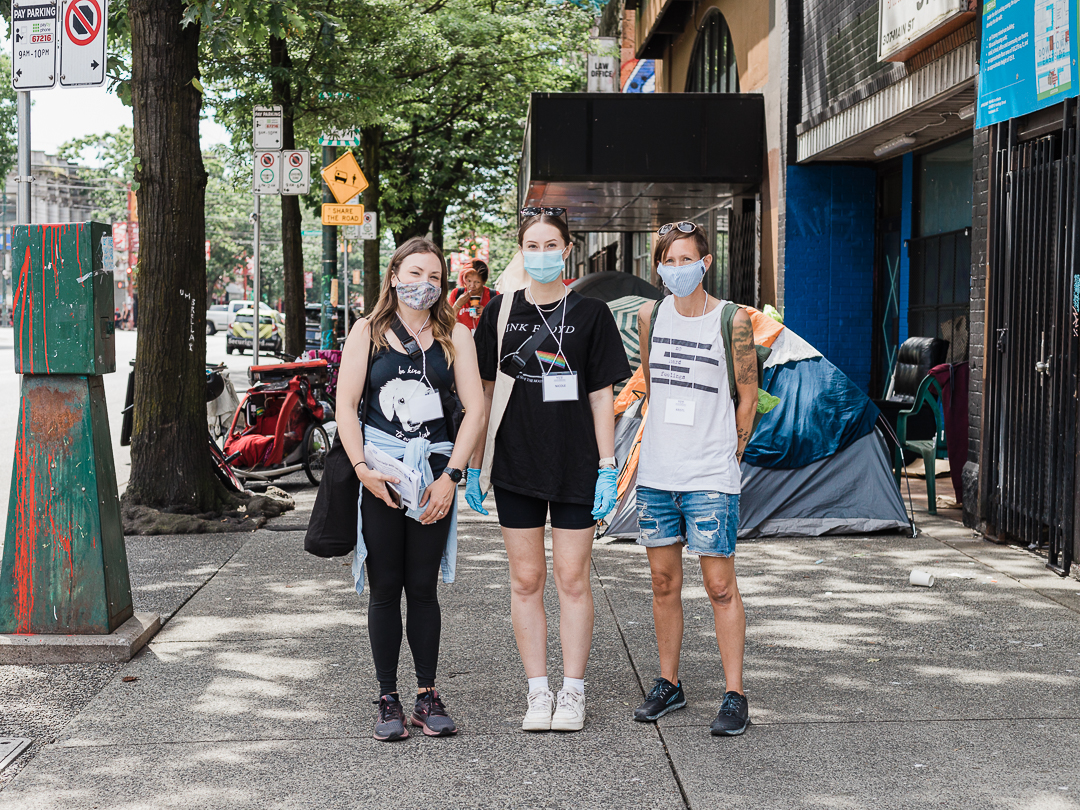
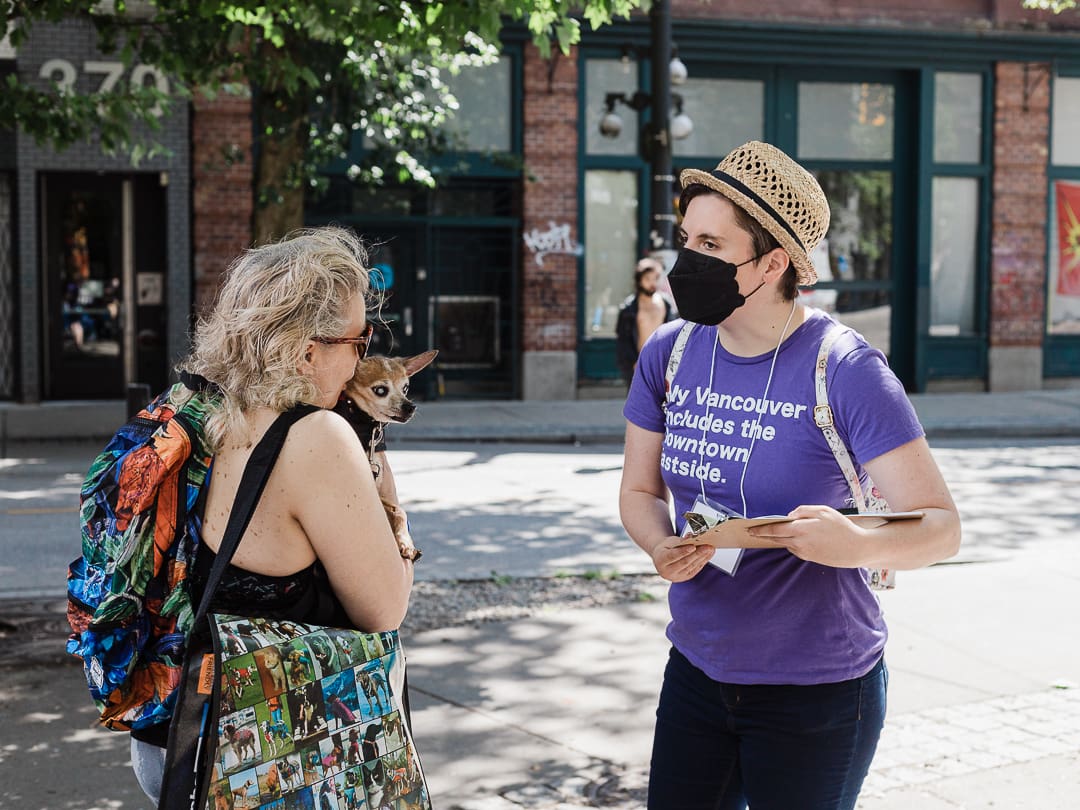
Here are some of the amazing people and pets who visited the Vancouver Humane Society’s table in Pigeon Park and spoke with the VHS street teams in the surrounding neighbourhood.

In all, Because They Matter event participants handed out thousands of pet supplies and around 300 pamphlets about the Vancouver Humane Society’s veterinary assistance programs! 

The VHS’s veterinary support programs help animals get the care they need while staying with their loving families. There is a growing need for these programs in our community, and meeting that need is only possible through kind gifts from generous animal lovers.

Can you make a donation toward VHS’s $15,000 Because They Matter fundraising goal to help animals and the people who love them?

Yes, I can make a gift to help animals
Categories
News/Blog

Pets get the care they need through veterinary support programs

Every week, animal guardians who are experiencing a period of low income reach out for urgent veterinary support for all manner of essential care—from the UTI treatment that will save a cat’s life to the knee surgery that will help a dog walk again without pain. VHS’s McVitie Fund is here to help them get the care they need without making the almost impossible decision to surrender their loved companions to a shelter.

The need for veterinary support is constantly growing, and meeting this need is only possible thanks to kind donations from animal lovers like you.

Read on for updates on some of the animals you have helped this year.

Chipper’s GI stasis treatment

Chipper the bunny on a bed. Chipper received veterinary support for gastrointestinal stasis.

Chipper needed urgent help when he stopped eating, drinking, and pooping: all signs of gastrointestinal stasis, a condition that can be fatal to rabbits if left untreated.

Chipper’s loving guardian, Danika, lives alone and is struggling financially. Despite this, Danika managed to scrape together $370 for Chipper’s vet bills. She reached out for help with the last $300 to get him well again.

Thanks to support from the community, Chipper was able to get this life-saving care! He has since fully recovered and returned to his happy life of playing with his toys and grooming his best bunny friend, Billie Bean.

Marco’s FeLV test

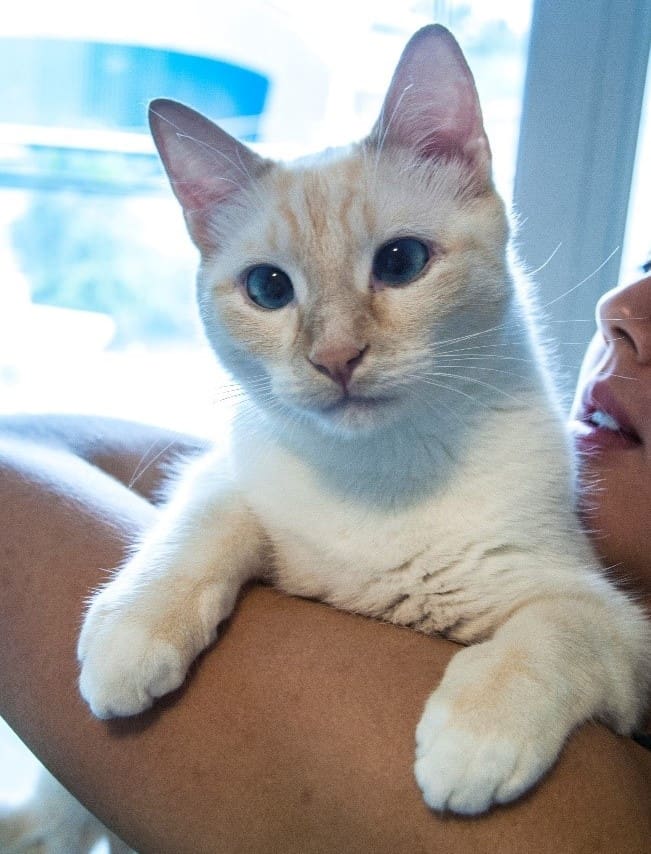
Marco the cat being held by his guardian in front of a window.

Marco’s guardian, Tim, reached out for help getting tested for Feline Leukemia Virus (FeLV). Sadly, Marco’s brother Max had been unexpectedly diagnosed with the virus and passed away.

FeLV is spread between cats who are in close contact with each other, even in the early stages before symptoms present. Because of this, Tim and the veterinarian were very concerned that Marco had contracted the virus before Max was diagnosed. Tim had spent all his savings on Max’s treatment, and reached out for help covering Marco’s blood test and exam to keep him comfortable and healthy.

Miraculously, Marco tested negative for the virus! He is now on a special diet and is getting plenty of play time to keep him healthy. Marco’s guardian, Tim, says he is doing well and adjusting to life without his brother.

“Marco’s future is bright and energetic. He usually starts waking me up at 4:30am every morning like a rooster. It is that energy and that connection that I cherish because every moment with him is a blessing.”

Abigail’s wound repair surgery

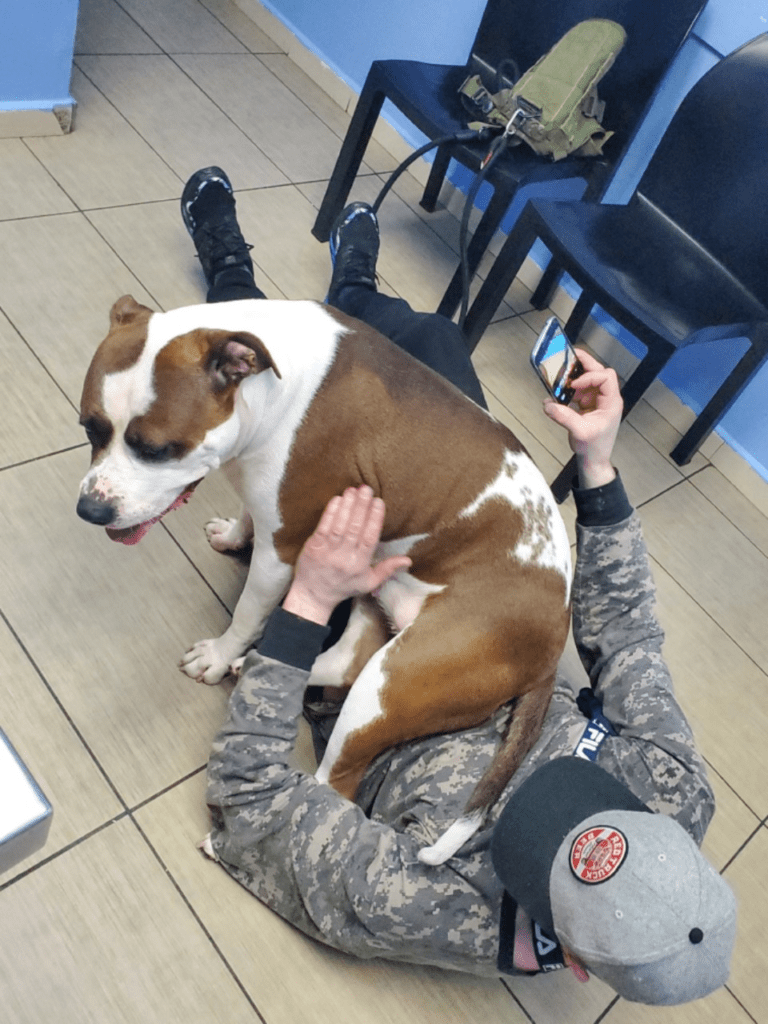
Abigail the dog sits on her guardian at the vet clinic after receiving treatment for serious wounds.

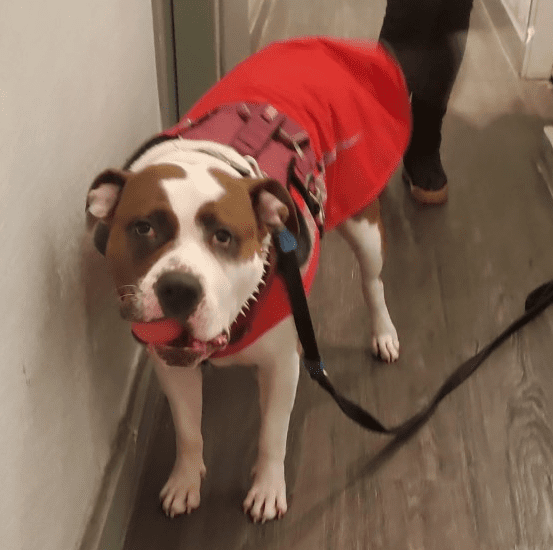
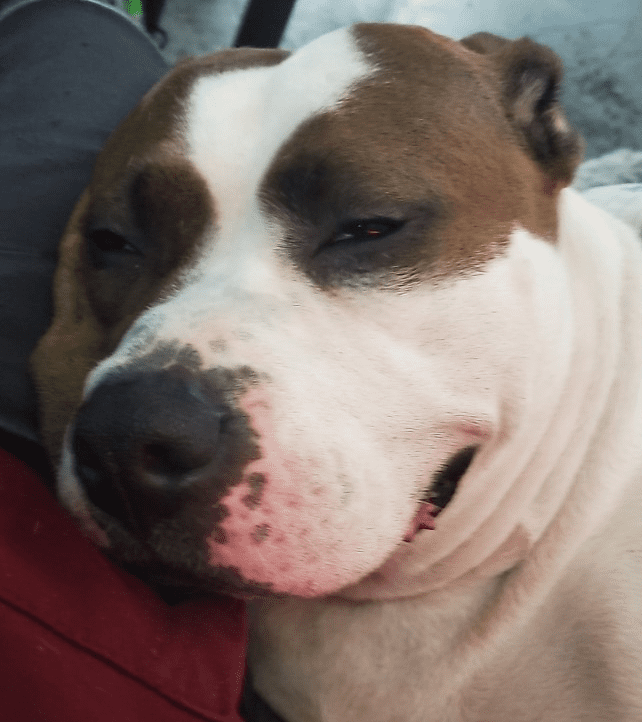
Sweet Abigail is a celebrity in her mom’s building. The staff and neighbours know her well and love this gentle giant. While out for a walk with her mom, Abigail was badly attacked by another dog. She was left with severe wounds around her head, neck, and shoulders and needed urgent surgery to remove the infected tissue. 

Abigail’s mom Tanis lives in low-income housing and was terrified because she couldn’t afford to take her to the vet. Thankfully, the staff in her building helped Tanis search for veterinary support programs and came across Vancouver Humane Society’s McVitie Fund.

Thanks to an outpouring of support from VHS donors, Abigail was able to get the surgery she needed right away. She has recovered well and is back to her old self, getting out for walks and playing with her many friends!

This vital support for pets and their low-income guardians is only possible thanks to animal lovers like you. Your donation today to VHS’s McVitie Fund will enable animals in most urgent need to receive essential medical treatment while staying with their loving families.

Learn how your donation provides vital veterinary support to animals or see the animals in urgent need today.

Categories
Urgent Care

Urgent surgery for Abigail

Abigail needs emergency surgery after a dog attack

While out for a walk with her mom, Abigail was badly attacked by another dog. The attack has left Abigail with severe wounds around her head, neck, and shoulders. 

Abigail’s mom Tanis lives in low-income housing and was terrified because she couldn’t afford to take her to the vet. Thankfully the staff in her building helped Tanis search for veterinary support programs and came across Vancouver Humane Society’s McVitie Fund.

Our program coordinator Brooklyn quickly organized an emergency veterinary appointment for Abigail. The vet confirmed she will need surgery, with an expected cost of approximately $1,000, to remove the infected tissue to allow her to fully heal. 

Tanis told VHS, We love Abigail very much. I am so grateful to you for stepping in and helping with the vet bill.

Tanis describes Abigail as a loving, kind, caring dog who is loved by so many people where she resides. She likes going for walks, eating treats, cuddling with her mom and chewing on stuffed toys. 

Can you help Abigail get better by donating?

Categories
News/Blog

Maxwell and Dodie’s story

When Maxwell and his guardian Dodie needed veterinary support, VHS’s generous donors were here to help. Watch the video to hear their story.

Help families like Dodie and Maxwell

Maxwell’s story

When Maxwell began developing dry eyes which resulted in an eye infection, his guardian Dodie rushed him to the vet. There she received much-needed medication and his eyes began to improve. 

But Maxwell wasn’t out of the woods yet. His eye infection returned and Dodie feared that her beloved companion and support dog would lose his vision.

Maxwell’s guardian Dodie is on disability income and was struggling to cover the cost of his mounting veterinary bills. That’s why she reached out to VHS’s McVitie Fund for help.

With the help of VHS donors, Dodie returned Maxwell to the vet for tests and a new round of medication that she would need to administer daily. 

Just when it seemed that all was well, a follow-up visit revealed that Maxwell had signs of cardiac disease and the vet strongly recommended an echocardiogram (ECG) to assess the function of his heart.

Support through VHS’s McVitie Fund enabled Dodie to get the ECG for Maxwell. It found that he has stage B1 myxomatous mitral valve disease, which at this time is not significant enough to require treatment but will eventually require management through medication.

Dodie shared her gratitude with VHS donors, who made it possible to get Maxwell the urgent medical care he needed.

Dodie told VHS, “Maxwell has been with me since he was 6 weeks old. I have a vestibular nerve disorder as well as several other disabilities. I cannot tolerate motion and I have no sense of balance. Maxwell will lie on me during an attack, which counteracts the sense that I am spinning wildly. He will bring me fresh water, medications, certain foods, my phone, and a blanket. He does so much for me, it’s difficult to list it all.”

Maxwell’s veterinary care cost more than $1,500, and support from generous McVitie Fund donors meant his bills were covered in full.

Every gift to VHS’s McVitie fund supports families like Dodie and Maxwell’s to get the urgent veterinary care they need. Can you donate to help animals like Maxwell today?

Categories
News/Blog

Peanut receives care after flooding leaves him and family trapped at home

Earlier this week, Cultus Lake was hit by flooding and landslides, completely blocking road access into or out of the area. Some households had been given evacuation orders and some people were unable to leave their homes at all.

Two of those left stranded were Sylvie and her dog, Peanut.

“I’ve never seen such destruction in Cultus Lake,” Sylvie said. “There are huge holes in the road and they are filling with water. We’ve had landslides like this here before, but I’ve never seen anything like this before in my life. The parking lot at the community hall is now a big crater!”

But being homebound would become much more troubling for Sylvie. Peanut soon injured his dewclaw, leaving it bent all the way back. Sylvie said that he seemed like he was in such pain that his eyes and ears were turning red. While she would have normally rushed him to the veterinarian, she now had no way of getting there.

“The lake now has floating wood and debris in it all around the shoreline. At first we couldn’t leave the house at all for resources because it wasn’t safe or possible to leave.”

Sylvie was finally able to get Peanut to the vet yesterday where, with help from Vancouver Humane Society’s Flood Evacuee Veterinary Support fund, he had the claw safely removed and received pain medication.

Many stories like Sylvie and Peanut’s are now emerging; we know that more pet guardians will need assistance in the coming days and weeks. Of the thousands of flood evacuees, more than half of households have pets.

In a time when people are doing their best to ensure their loved ones are safe and healthy, we are working to eliminate the financial barriers that come with unexpected veterinary costs for their animal family members.

Vancouver Humane Society’s Flood Evacuee Veterinary Support is here to help any pet guardians impacted by the flood with costs related to veterinary care, including medications and vet-recommended food that may have been left behind in the evacuation, as well as treatment for illnesses or injuries. Those needing support are asked to reach out through our online form, by email at mcvitie@vancouverhumanesociety.bc.ca, or by phone at 604-336-1390.

We are truly grateful for the support of our community in this time of crisis. If you are able to donate toward veterinary support for flood evacuees, we welcome gifts through the form below. All donations toward our veterinary support fund are currently being matched 100% up to $25,000 by an anonymous donor.

B.C. Flood Evacuee Veterinary Assistance

Categories
Opinion

Government support needed to help resolve veterinary care crisis in B.C.

Article originally published on The Georgia Straight.

Veterinary care in British Columbia has reached a point of crisis, and veterinary staff, pets, and guardians are all feeling the strain.

Pet guardians report months-long wait times seeking care for their animals, who are suffering due to staff shortages.

Meanwhile, veterinarians are more than twice as likely to experience suicidal thoughts when compared with other Canadians. Some aging veterinarians in B.C. worry that they will feel guilty leaving their work to their colleagues when they retire.

So how did we get here, and, more importantly, how do we fix it?

To start with, there are simply not enough veterinarians to handle the sheer volume of pets who need help. In Canada, there is about one cat or dog for every two people. In British Columbia, there is just one veterinarian graduating into the workforce each year for every 102 doctors—an especially bleak statistic considering there is also a doctor shortage in the province.

Anyone who wishes to become a veterinarian in this province must vie for one of only 20 spaces with financial aid, which would allow them to study at the Western College of Veterinary Medicine in Saskatoon for a reduced tuition fee of $11,000 per year. Those who cannot find a coveted spot must cover the entire tuition themselves—a whopping $67,000 annually.

The time, difficulty, and expenses incurred in becoming a veterinarian and maintaining a veterinary practice can drive up the cost of care for pet guardians.

Since veterinary care is not subsidized by the government, this can spark a vicious cycle that leads to stressed pet guardians, less than ideal communication between guardians and veterinary staff, and animals not getting the care they need until their health is in a severe state of crisis.

All those factors can contribute to veterinarians and veterinary technicians taking on even further mental and emotional burdens.

recent research article from the Vancouver Humane Society (VHS) and Dalhousie University assistant professor Haorui Wu proposes steps that would help break this cycle. The research delves into recommendations from pet guardians who experienced barriers to veterinary care during the COVID-19 pandemic.

It ultimately finds that changes like financial support for low-income pet guardians and training for veterinary staff on a trauma-informed approach could reduce the stress of both guardians and veterinarians while improving the lives of animals.

The link between the health of animals and the well-being of the humans around them is common sense to many people who share their home with a pet. When a guardian is unable to afford needed care for a beloved pet, the guardian often experiences stress, guilt, and shame. When a veterinarian euthanizes a pet that was unable to receive preventive care for financial reasons, the loss of that animal can take a severe emotional toll on all who are involved.

The interconnectedness between human and animal well-being has been explored in recent years under the moniker “One Health, One Welfare”. VHS’s research highlights this approach as a best practice.

One local example of this practice in action is Community Veterinary Outreach (CVO). “Our group utilizes the One Health approach,” says Doris Leung, veterinarian and regional director of CVO in Vancouver. “We recognize that by improving an animal’s health and well-being, you can improve the pet guardian’s health and well-being as well. Our volunteers support marginalized pets and their owners in Vancouver’s Downtown Eastside (DTES).”

With CVO events, pet guardians have access to caring, trauma-informed veterinary services in concert with human health services. For instance, they can learn about the importance of tooth brushing to promote good oral hygiene for their pets and to prevent pain and suffering with periodontal disease. At the same time, they can get support for their own oral health from volunteer dental hygienists at the clinic.

When pet guardians have positive experiences in seeking care for their animal—whether that means finding care with a holistic model similar to CVO, being supported through payment plans, or speaking with a veterinarian who has received training in trauma-informed care—they are more likely to prioritize veterinary care in the future.

These services help to ensure that animals will receive preventive care and decrease the need for euthanizations performed due to a lack of funds. A trauma-informed approach improves the communication between veterinarians and their clients, transforming normally stressful interactions into productive partnerships. If implemented now, these changes can even begin to decrease burnout in the veterinary sector.

Note: If you’re thinking about suicide, or are worried about a friend or loved one, you can call the Canadian Association for Suicide Prevention at any time.

Categories
News/Blog

Fireworks create more stress than joy

A brief moment of joy for some

Unintended consquences for others

Most kids have a story about the first time they got their hands on fireworks, including VHS’ recently retired Peter Fricker, who accessed some pretty dangerous fireworks when he was growing up!

While fireworks may be tempting for a moment of joy, they have some intense and devastating consequences. You may remember the 2016 case of Maggie, a 10-year-old pup who was off-leash at the unfenced Trout Lake dog park during the afternoon when someone set off fireworks. Suddenly, Maggie was running, not sure where to go for safety. Tragically, she was killed by a skytrain.

Her story is not unique. Walking down the street one Vancouver Halloween, I witnessed a coyote running full speed, terrified of the sounds. Wildlife centres receive many calls on days with fireworks about animals that are anxious and disoriented and they report that wildlife often show signs of distress for days afterward.

There is an answer: Banff was the first Canadian city to recognize these impacts and produce a sound-free fireworks display, and Canmore has followed suit.

In Maple Ridge, B.C., it is illegal to set off fireworks without a permit.

The City of Vancouver, B.C., also has a consumer fireworks ban in place and so does the City of North Vancouver.

There are three ways to prevent the suffering of animals from fireworks:

1. Write to your municipal council.

Write to your local municipal council and ask them to put a ban in place for the sale and use of fireworks by private citizens. The District of North Vancouver is currently considering such a ban. Residents can contact City Council in support of a consumer fireworks ban.

2. Sign the federal petition.

Sign the federal e-petition, which calls on the Canadian goverment to explore legislative changes around the use of fireworks. The petition is open until February 25, 2022, at 10:45 a.m. PST.

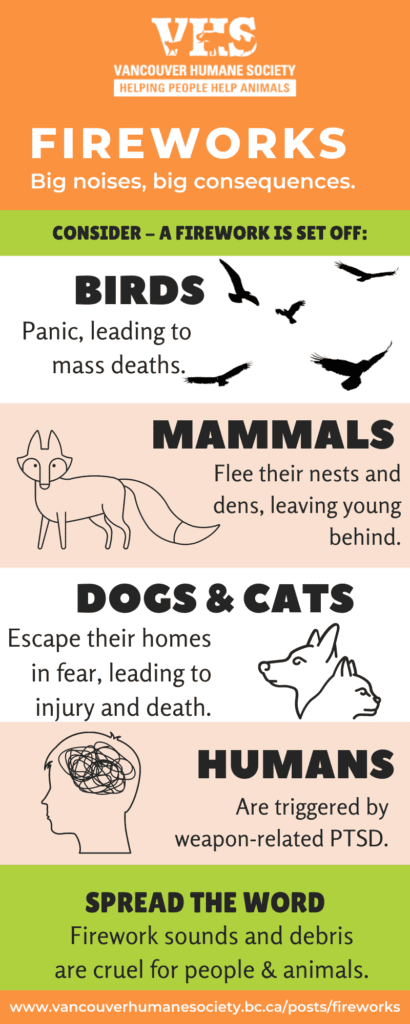
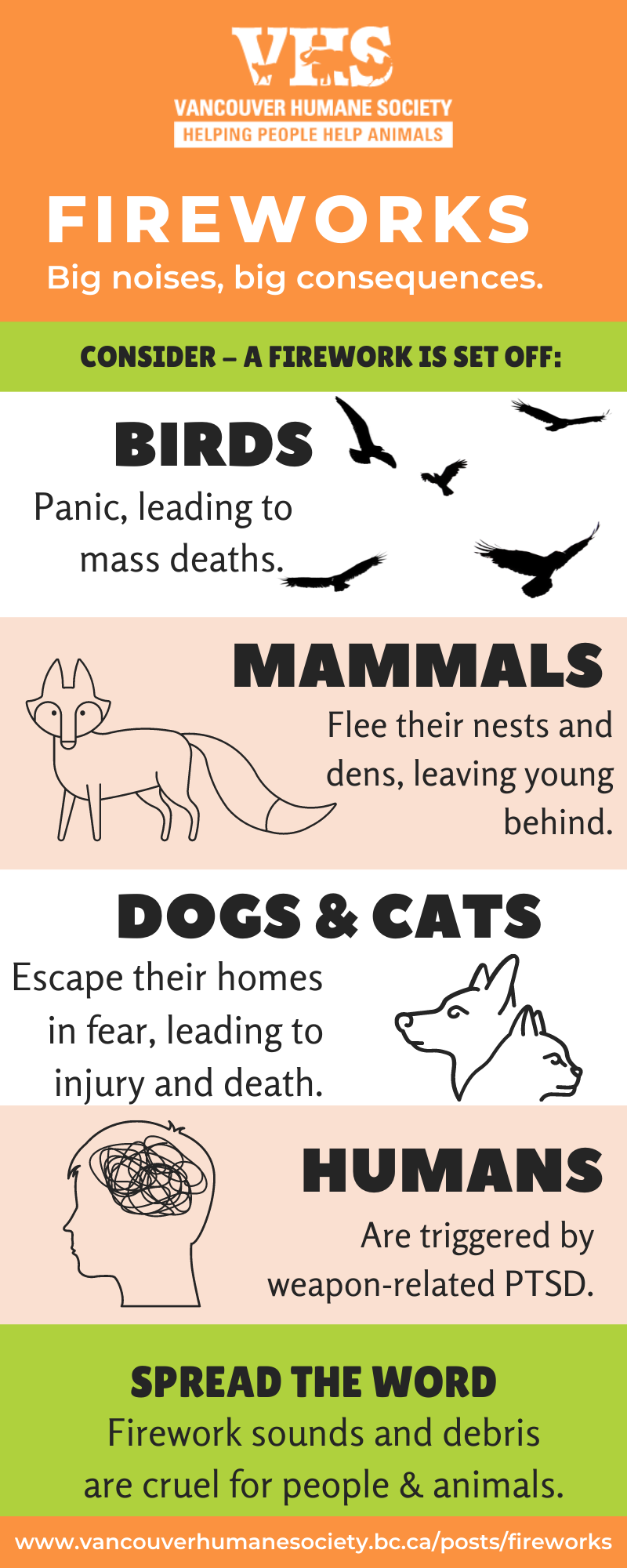
3. Share this infographic!

Without public education, people will continue to seek illegal means to access fireworks even in areas with bans in place. The infographic demonstrates how one small change can help create a community that cares for everyone who belongs in it, be they feathered, furry or human.

Categories
News/Blog

Animal champions make a difference at Because They Matter

Loretta, who spends her days outside on the Downtown Eastside, has been looking after her sister’s dog Beans while she has been ill in the hospital. She wanted to do something nice for her sister when she is reunited with her beloved dog, but she couldn’t afford a gift. Luckily, VHS was offering free pet supplies in Pigeon Park for our Because They Matter event this weekend. Loretta dropped by VHS’s table and picked up a better-fitting harness and collar for Beans.

Loretta is just one of the hundreds of people VHS staff and volunteers connected with at our first-ever Because They Matter fundraising and outreach event.

During the event, staff and volunteers handed out harnesses, leashes, collars, blankets, toys, water bowls, plant-based dog treats, and resources for veterinary assistance to happy animals and grateful guardians who spend their days on the streets of Vancouver’s Downtown Eastside.

You can see some of the happy recipients of these care items in the photos below.

Participants also raised more than $12,000 for vital animal protection efforts.

We would like to thank the amazing participants, donors, and sponsors who made this event possible, including local businesses:

  • Discover Dogs
  • Good Boy Collective
  • The Cat and Dog Shop
  • The Pet Shop Club
  • The Raw Connoisseurs

Want to participant in or donate toward this years Because They Matter event? You can sign up or donate using the link below! Thank you for helping to build a kinder world for animals!

Categories
Media Release

Vancouver Humane Society program helps to prevent homelessness for women and pets

VANCOUVER, July 22, 2021 – The Vancouver Humane Society (VHS) is partnering with women’s support agencies to break down housing barriers for women with pets through the unique Helping Women and Pets in Crisis program.

“It is difficult finding places that allow pets,” says Mariam, a client of the program whose name has been changed for privacy, “Especially with non-refundable pet deposits which take away the limited income I have per month.” Mariam’s family is familiar with this struggle; her sister has already given up a cat “because she couldn’t afford anywhere that would allow a pet to live with her.”

Currently, the lack of pet-friendly housing has a huge impact on people experiencing homelessness and survivors of domestic violence. About one in ten people experiencing homelessness have pets, and many affirm that they would never enter a shelter if they could not bring their pet with them. Pets and their guardians form strong bonds that aid each other’s mental wellbeing; living with a pet has been proven to have medical, emotional, and mental health benefits.

Likewise, many women experiencing domestic abuse have stayed in an abusive relationship longer than they felt comfortable out of concern for their pets. This is a serious welfare concern for women as well as animals, since abusers will often threaten or harm their victim’s animal as a form of intimidation and control.

An individual with a low income can also face challenges when their pet has a medical crisis. “The vet bills are the toughest, you never know if they’re going to get sick or not. How are you going to pay your other bills when the vet bills are so high?” says Mariam.

When Mariam’s cat got sick, she says, “We spent our rent money to get him medicine in the hospital to prevent him from suffering. I accepted that I would have to go without some basic needs and put off rent for a couple of months to catch up financially.”

The Helping Women and Pets in Crisis program covered part of Mariam’s urgent veterinary costs so that she did not need to shoulder the financial burden alone. “That took away the worry about being able to afford the next couple of months, knowing we won’t have to struggle for a while.”

The program recently received a generous grant of $10,200 from the Vancouver Fraser Port Authority. It is also funded in part by a $9,000 grant from North Shore Community Foundation and a $30,000 grant from PetSmart Charities® of Canada. “Helping vulnerable pet parents and their pets stay healthy and together is something we are committed to,” said Dani LaGiglia, community grants manager at PetSmart Charities of Canada. “With this funding, we hope more women will not have to make a choice between their safety and that of a beloved pet.”

VHS is hoping to grow this project beyond the grant funds and is seeking compassionate donors to support this work. If you would like to contribute to this valuable program, or if you are a woman in crisis seeking support for yourself and your pet, you can learn more on the Vancouver Humane Society website.

-ends-

For further information: Contact Amy Morris: 604-416-2901

RELATED LINKS

https://vancouverhumanesociety.bc.ca/helping-women-and-pets-in-crisis/ https://vancouverhumanesociety.bc.ca/