In summary:
- For many of us that love animals, we seek out experiences with them to feel closer.
- Whether it’s watching whales, observing bears from a distance, or visiting an elephant sanctuary abroad, wildlife encounters can seem exciting and create lasting memories.
- However, not all wildlife experiences are created equal, and it can be difficult to tell whether your participation benefits or harms animals.
- While observing animals in their natural habitats and from a safe distance can support conservation and appreciation for wildlife, many attractions involve captive wild animals and prioritize entertainment over the wellbeing of animals.
While the Vancouver Humane Society opposes keeping wild and exotic animals in permanent captivity for entertainment or education, new research offers a framework to help visitors make informed decisions before choosing to participate in wildlife tourism attractions.
Share this post!
Why it’s so difficult to identify ethical wildlife attractions
Unlike restaurants or hotels, there are no universally accepted standards regulating wildlife tourism attractions around the world. In the absence of regulation, consumers make decisions based on advertisements, online reviews, or what appears enjoyable at first glance.
Researchers argue that responsible wildlife tourism depends on giving visitors better tools to evaluate attractions, not just based on marketing claims, but on meaningful indicators of animal welfare, conservation, and governance.
Problems arise when animals are suffering, and visitors don’t recognize the signs of poor welfare
Research has found that attractions with poor welfare and conservation outcomes often receive positive tourist reviews because visitors are not equipped to assess what animals need.
An animal may appear calm when they are stressed, resigned, or displaying abnormal behaviours that most people wouldn’t recognize.
The authors describe several barriers that prevent tourists from making informed choices, including:
Looking beyond animal welfare alone
The researchers advocate that responsible wildlife tourism should be evaluated through three connected lenses:
Looking at only one of these areas can paint an incomplete picture.
An attraction may support conservation programs but keep ambassador animals in poor conditions. Another may provide good day-to-day care while sourcing animals through harmful wildlife trade or breeding animals who will be kept in captivity permanently.
Responsible wildlife tourism requires considering all three together.

Questions every traveler can ask
Rather than expecting tourists to become wildlife experts overnight, the researchers propose practical questions that anyone can use before visiting an attraction.
These kinds of questions shift attention away from whether an experience feels exciting and toward whether it benefits the animals involved.
Responsible tourism benefits animals and travelers
Ethical wildlife tourism doesn’t mean giving up unforgettable wildlife experiences.
In many cases, the most rewarding encounters happen when wild animals are observed behaving naturally in the wild from a safe distance or, where appropriate, by visiting accredited sanctuaries that prioritize the care and recovery of rescued animals over visitor experiences.
Choosing responsible wildlife experiences also sends an important message. By supporting opportunities to observe wildlife respectfully in their natural habitats or legitimate rescue and rehabilitation efforts that do not exploit animals, travelers help shift demand away from attractions that keep wild animals in captivity for entertainment.
How you can support wildlife while travelling
The Vancouver Humane Society encourages visitors to avoid attractions that keep wild animals in permanent captivity for the sake of entertainment or education.
This framework can help you assess an attraction’s animal welfare practices and make a more informed decision:
- Research attractions beyond their marketing materials.
- Turn down attractions that involve touching, holding, riding, feeding, or posing for photos with wild animals.
- Look for organizations that are transparent and detailed about their conservation efforts and animal acquisition and care practices.
- Are the animals rescued?
- Are they being rehabilitated for release back into the wild, or are they non-releasable and living in a sanctuary?
- Are animals being bred and kept permanently in captivity?
- Remember that ethical wildlife encounters involve observing animals from a respectful distance, when animals may not even be aware of your presence.
How you can support wildlife in your local community
Staying close to home? There are still ways you can be a responsible wildlife tourist in your own community.
Mobile live animal programs are a common attraction, but they involve transporting animals to different locations for display, public entertainment, fundraising, or sale, which raises welfare concerns.
Examples of mobile live animal programs can include:
- Travelling petting zoos at public or private events, such as community fairs or birthday parties
- Classroom presentations involving wild and exotic animals
- Reptile expos
- Events where exotic animals are sold
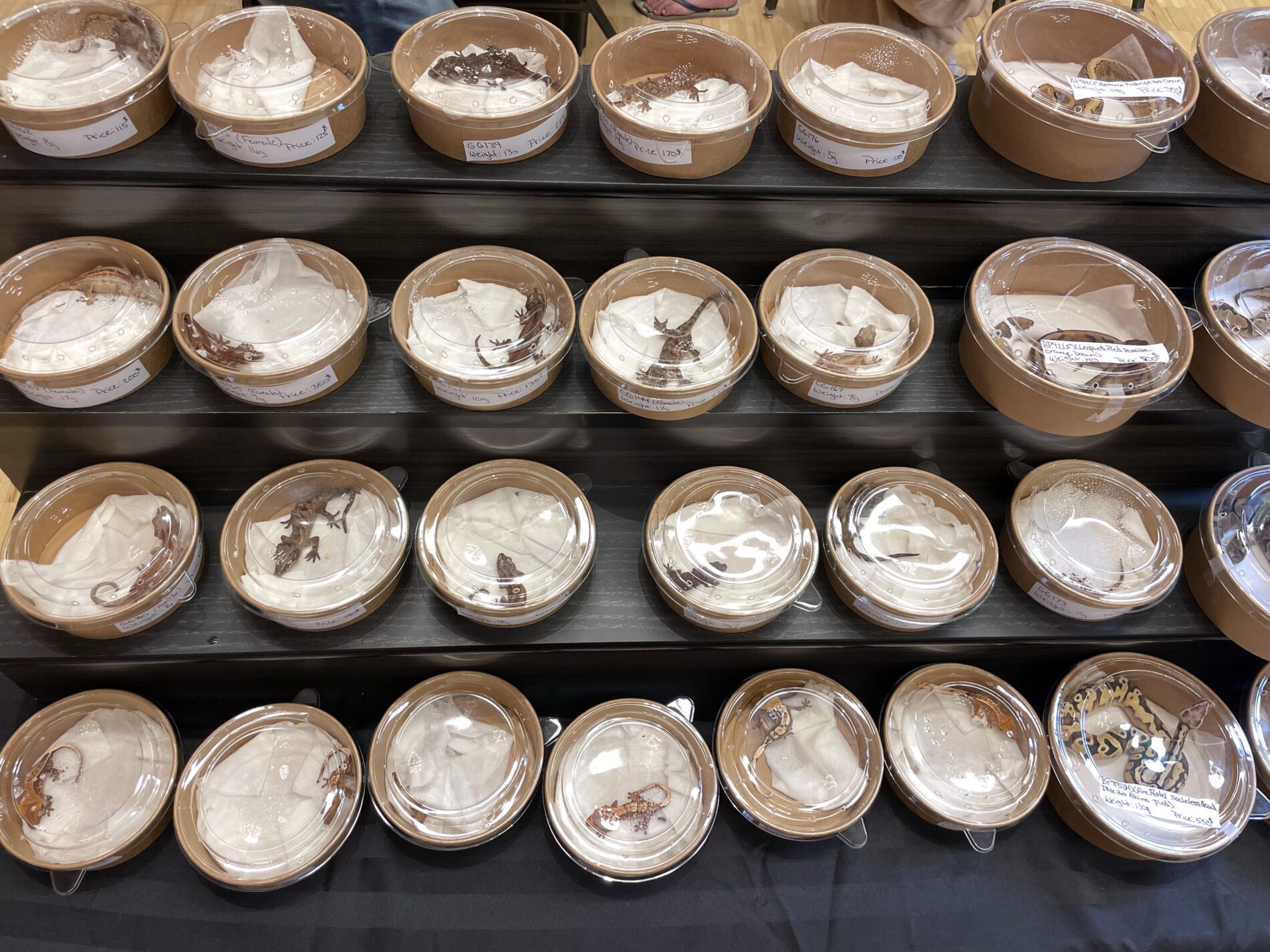
You can apply the same principles above to events in your community before choosing to attend. Learn more about the VHS’s campaign to regulate wild, exotic animals in B.C.
More ways you can take action
Now that you are better equipped to assess wildlife attractions, there are even more ways to deepen your knowledge and help protect wild animals:
Together, we can build a future where ethical wildlife tourism never needs to come at the expense of animal welfare.
The VHS is grateful to the Animal Welfare Foundation of Canada for their generous grant funding of our work to raise awareness about the suffering of wild, exotic animals kept in captivity as pets and used in mobile live animal programs.
Share our content to reach more people and spread the word!
Read the original study here: https://pmc.ncbi.nlm.nih.gov/articles/PMC4619427/
Social media can be part of the solution, not the problem.