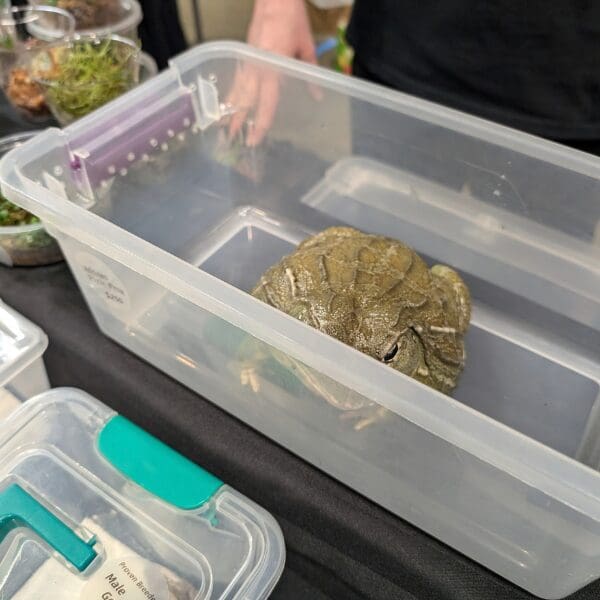
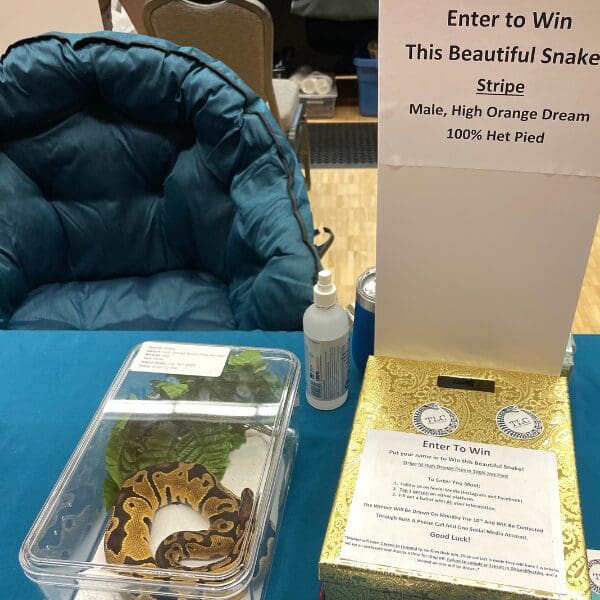
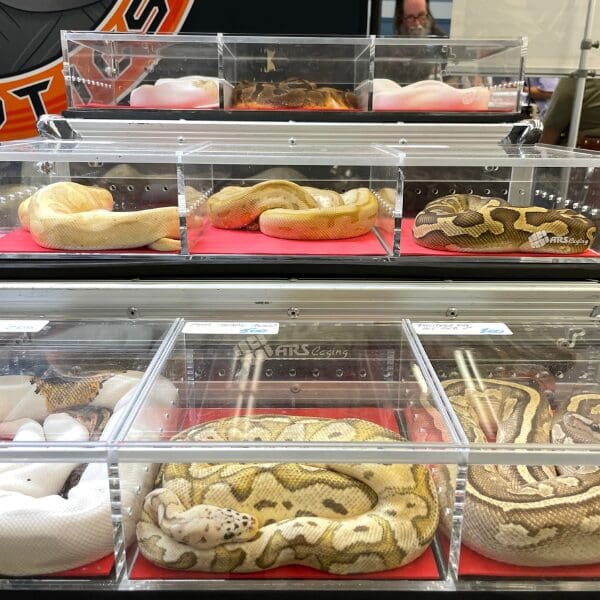
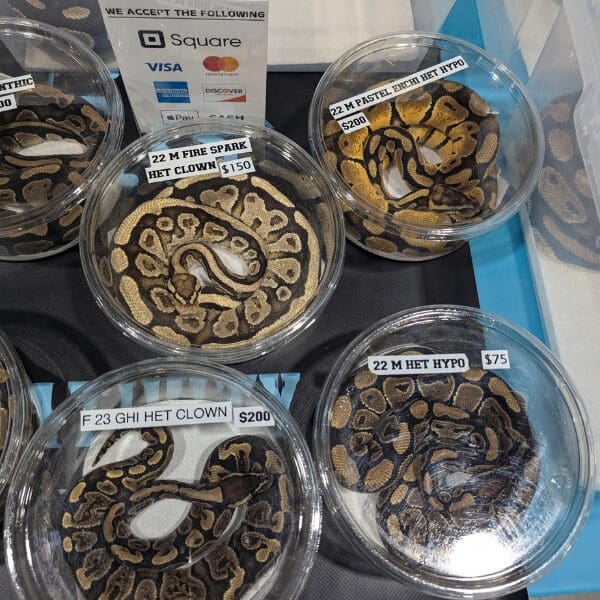
What does a bearded dragon passed from child to child at a birthday party, a snake in a small plastic container for sale at a reptile expo, and a sloth being fed carrots by children in a crowded attraction, all have in common?
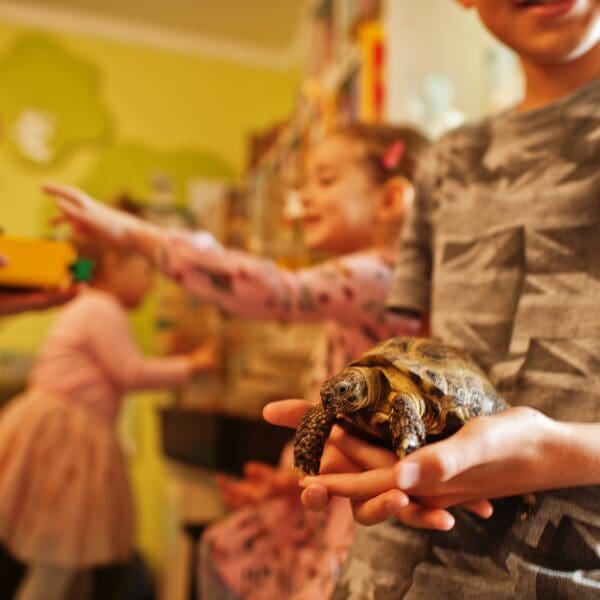
They are all examples of mobile live animal programs, or MLAPs, where animals are brought to events to be displayed, handled or sold.
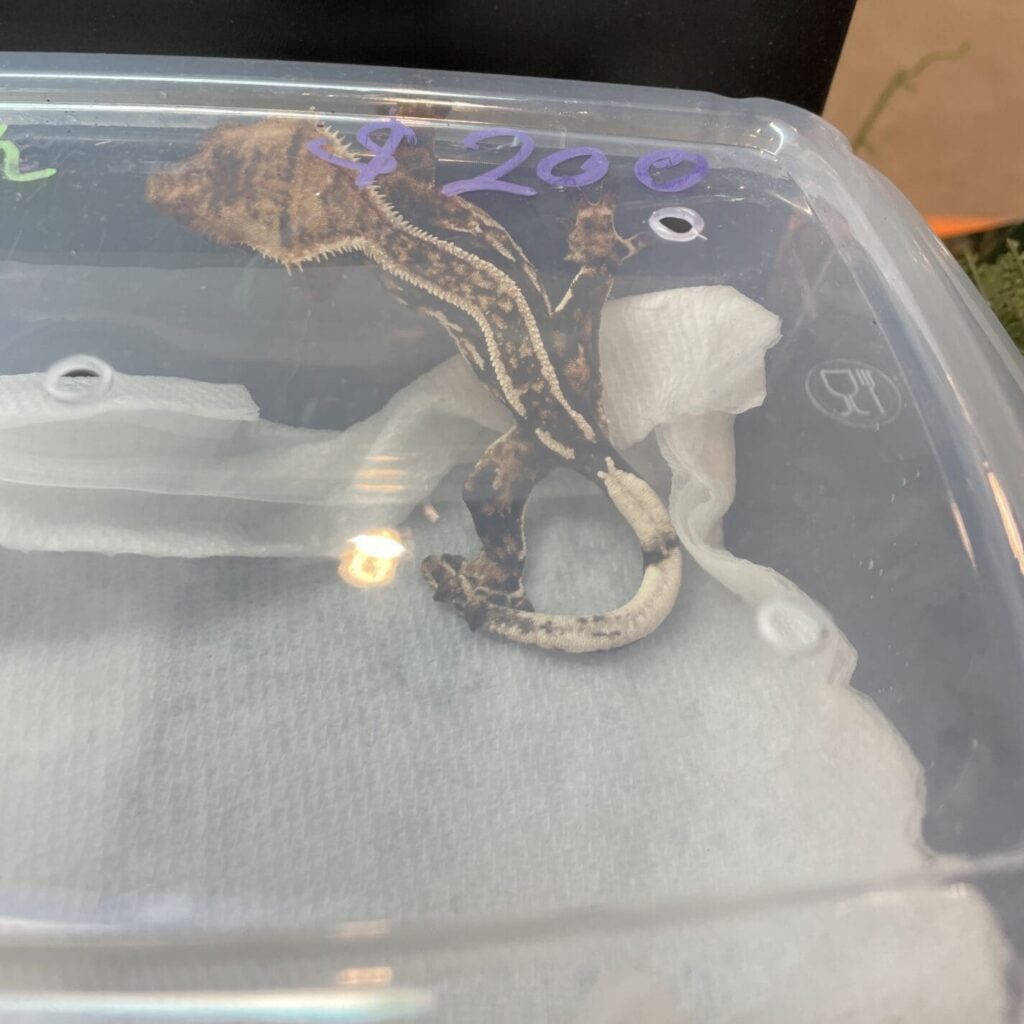
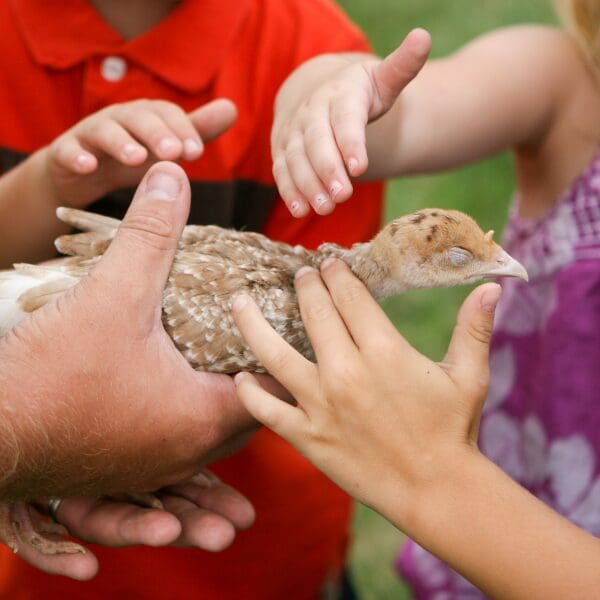
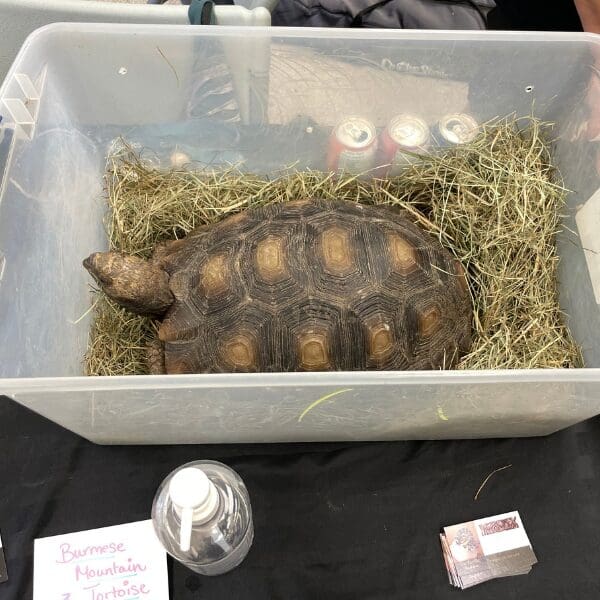
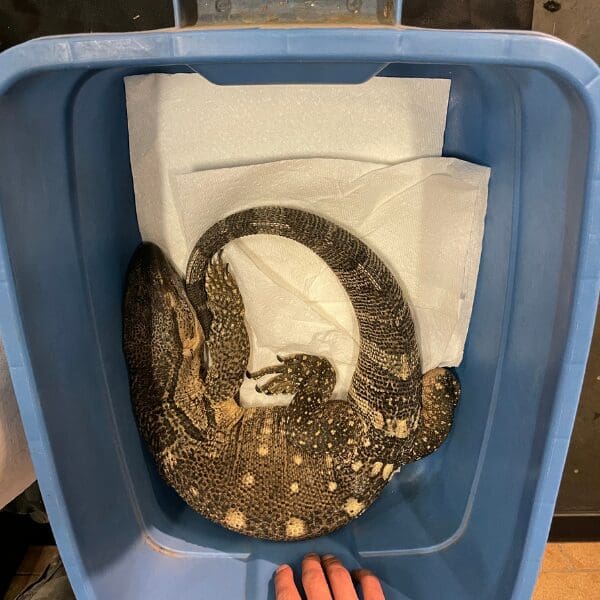
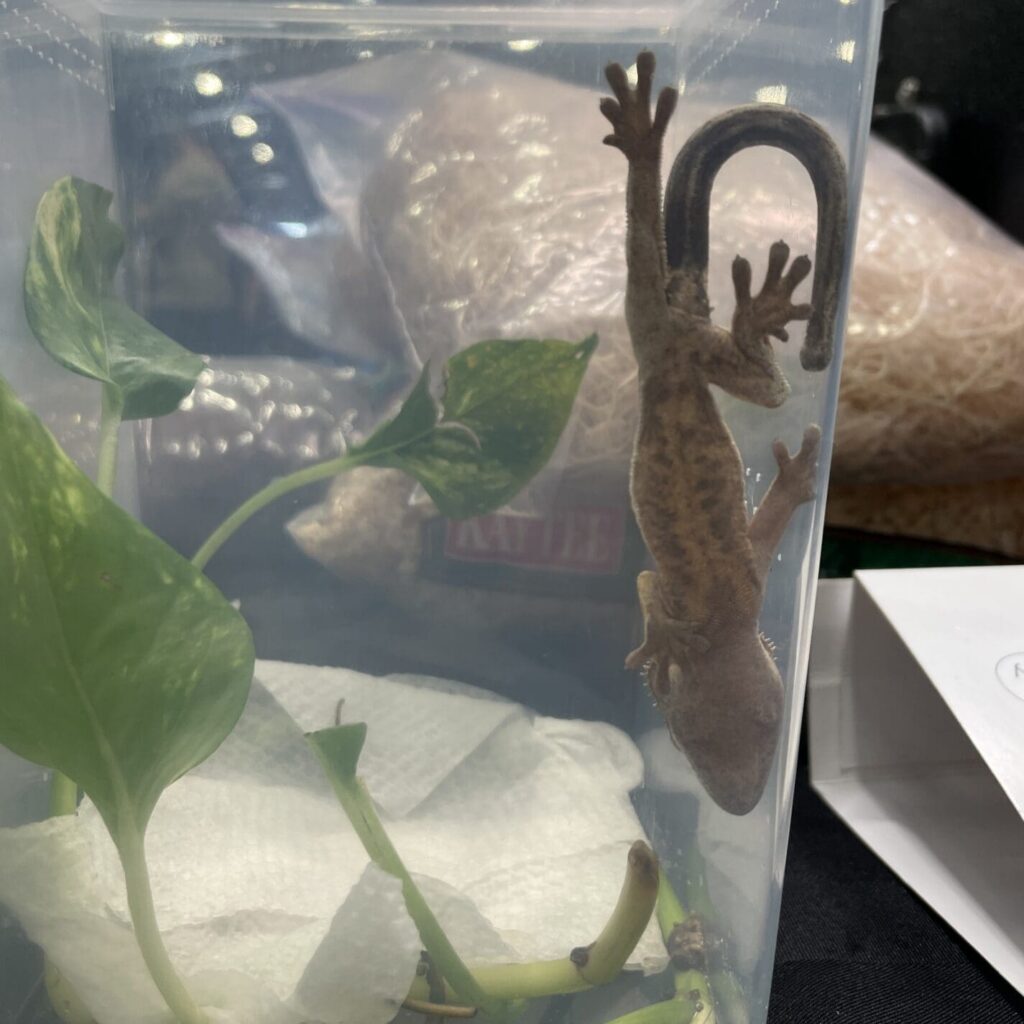
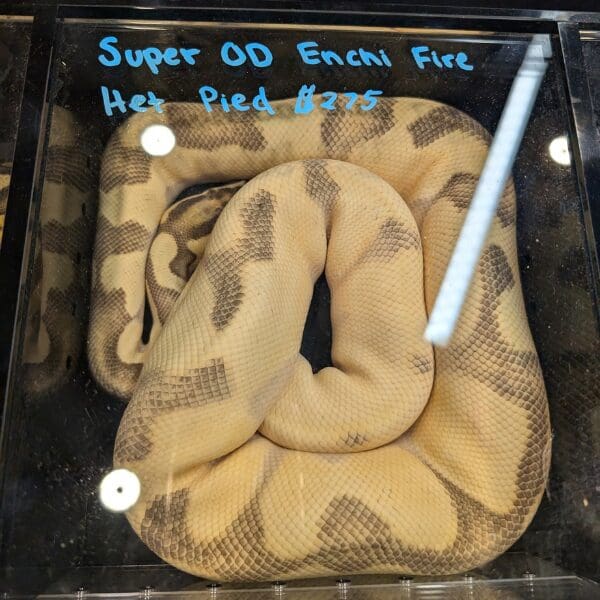
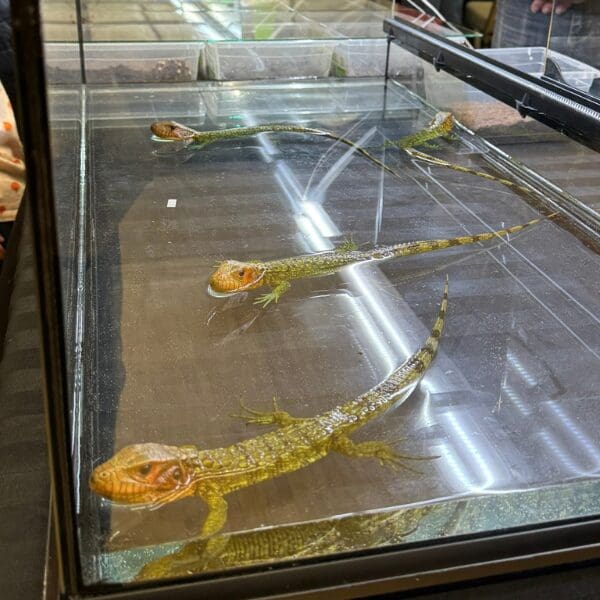
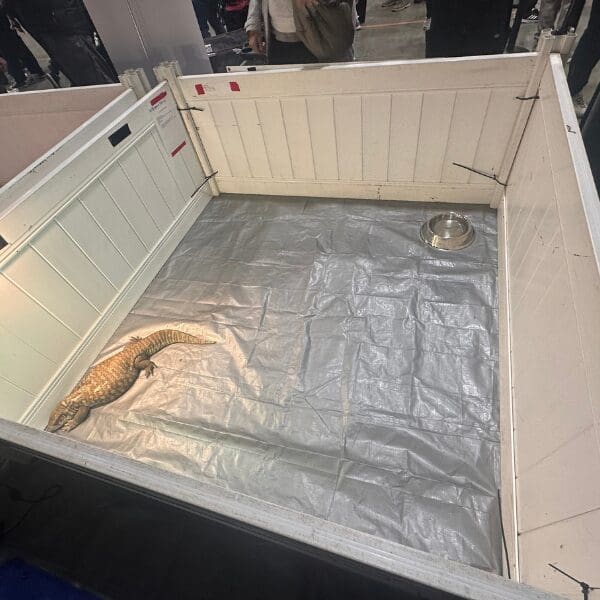
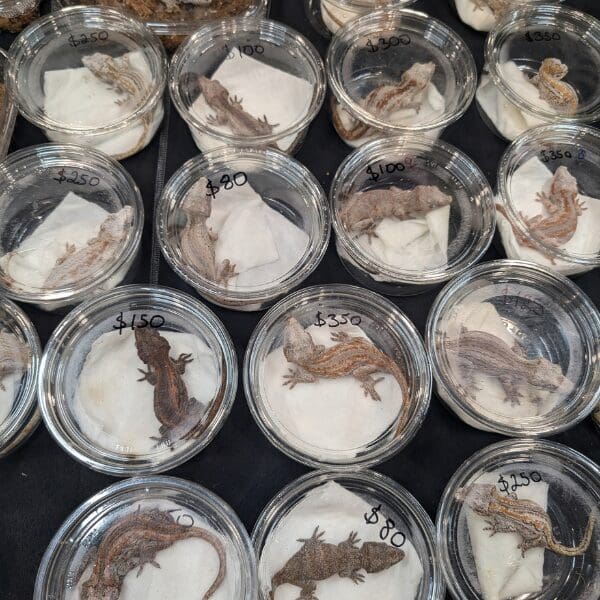
They can look like harmless fun. But for the animals, they often mean frequent travel to unfamiliar environments, hours of being on display and handled by strangers, and nowhere to hide.
And because healthy-looking animals can carry pathogens like E. coli and Salmonella, the risks reach people too, especially young children, older adults, and pregnant people.
There is little oversight of these programs, and British Columbians are concerned. New polling found that strong majorities worry about the impacts on animal welfare, public health and safety, and the environment.
Learn more about the issues with MLAPs below and help raise awareness by sharing this information with your community.
Sign up to stay updated on this campaign and for opportunities to speak up.
Share this post!
What are mobile live animal programs (MLAPs)?
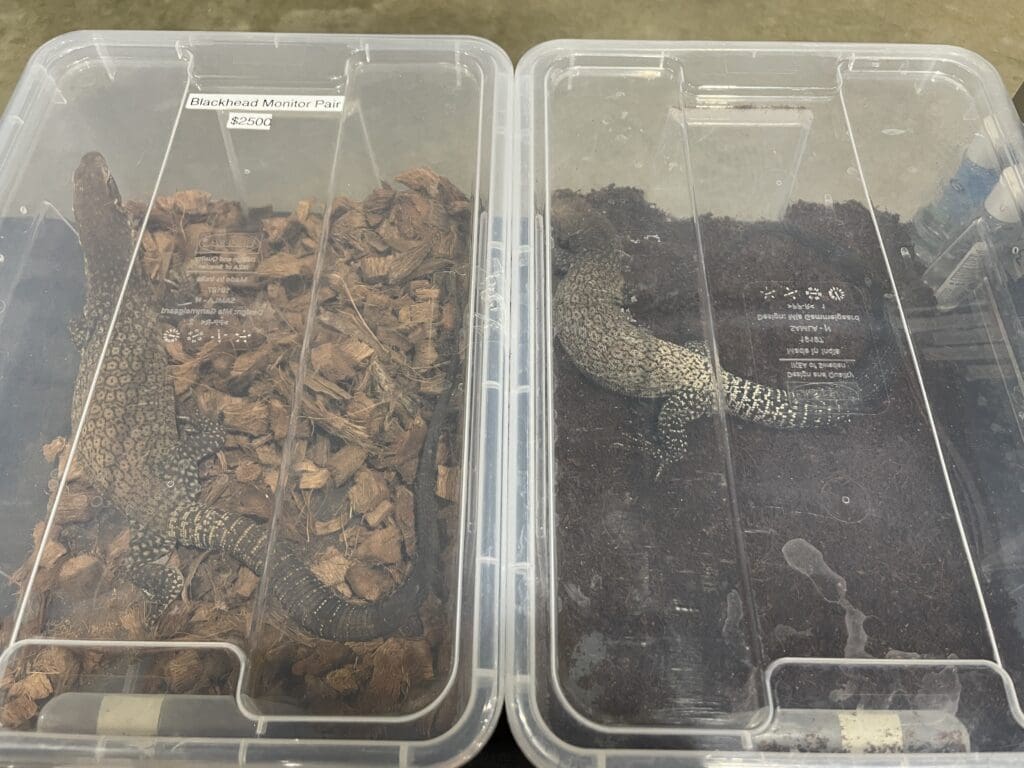
MLAPs involve transporting animals to different locations for display, public entertainment, fundraising, or sale. This includes, but is not limited to:
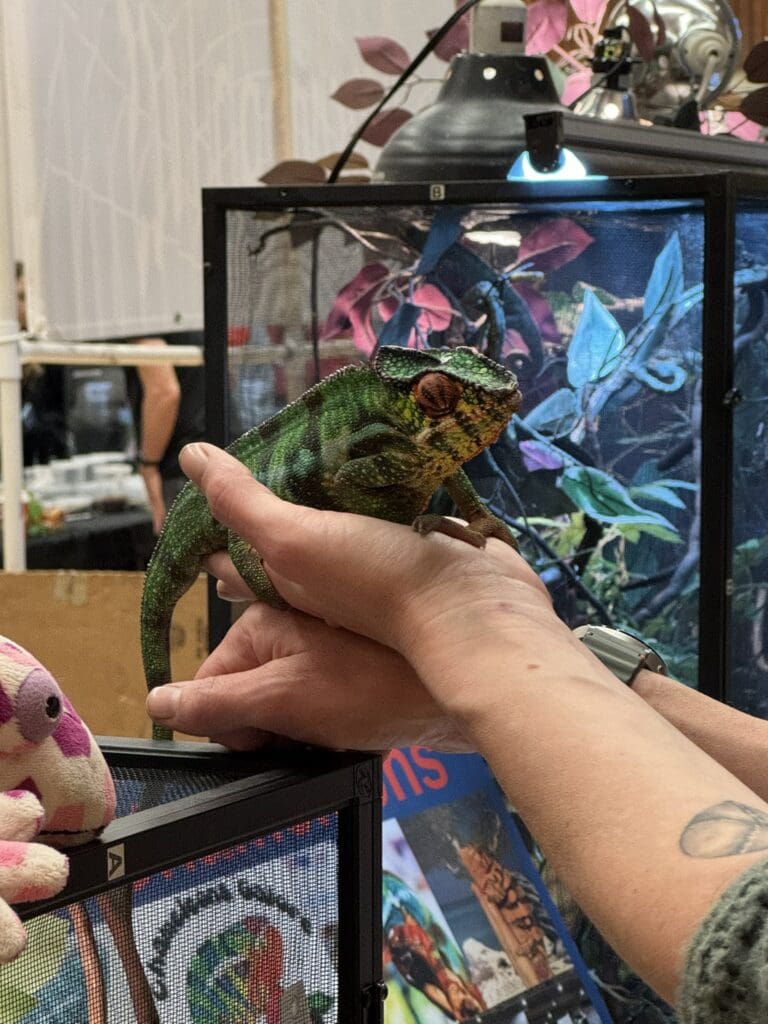
The animals involved range widely.
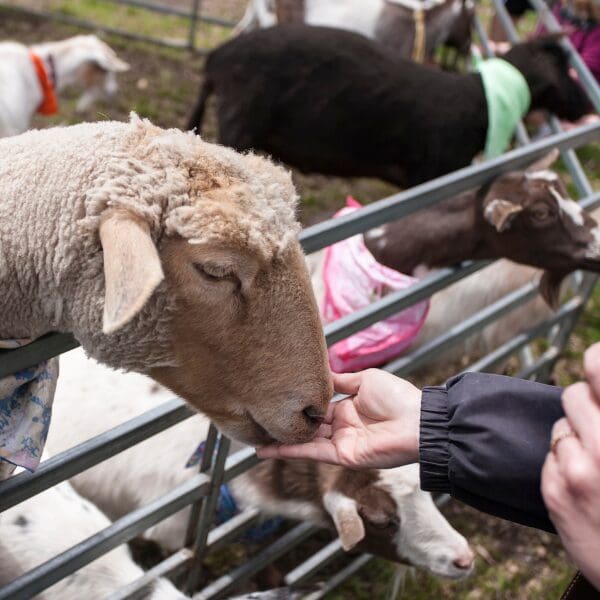
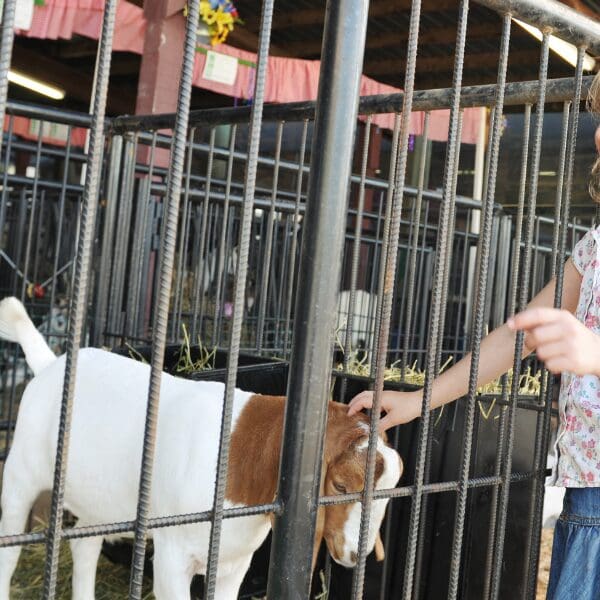
Some are domesticated, farmed animals such as goats, lambs, calves, rabbits, and chicks. Others are wild, exotic species such as snakes, lizards, tortoises, sugar gliders, and spiders, which are non-domesticated animals native to countries outside Canada.
Unlike dogs, cats, or horses, these species have not been domesticated over thousands of years to live alongside people, and they retain their wild instincts and complex needs even when bred in captivity.
Across many different species, MLAPs share several factors that researchers have identified as increasing the risk of harm. These include young animals, temporary setups, frequent close contact between animals and people, large crowds, and audiences made up largely of young children.
The issues with MLAPs
Animal welfare
Animals used in MLAPs, especially exotic species, face significant welfare risks, including:
The impact isn’t always easy to see.
A 2023 study of mobile zoos explains that an animal can appear calm while being handled and still be stressed, and that signs of stress in animals often promoted as docile, including some tortoises and bearded dragons, can go unnoticed.
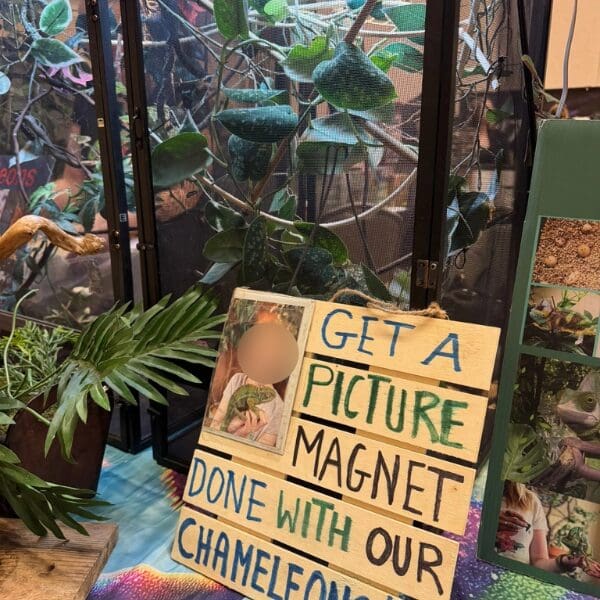
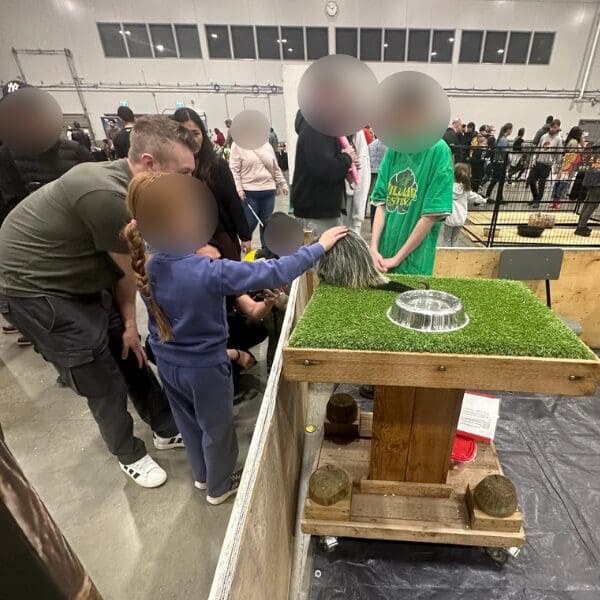
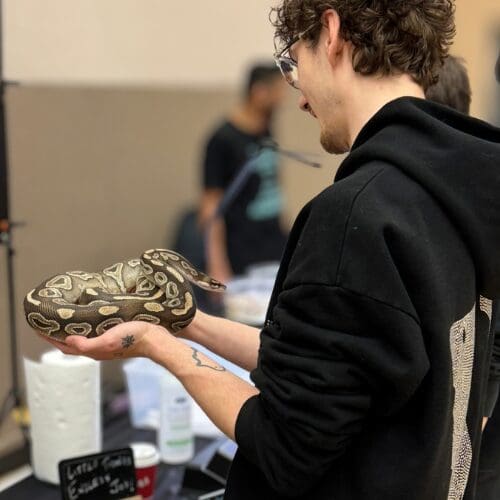
Many MLAP’s invite people to touch or hold animals.
The study also warns that frequent transport and handling can mean repeated stress with little chance to recover, which can lead to chronic stress that harms an animal’s long-term health and welfare.
The Global Federation of Animal Sanctuaries (GFAS), which sets standards for animal sanctuaries, opposes public contact with wildlife, including exotic species. GFAS says pay-to-play activities are never in an animal’s best interest, can put animal health and public safety at risk, and send the wrong message about wild and exotic animals.
The link between animal welfare and disease risk
The health and wellbeing of people and animals are often interconnected. Stress suppresses immune function and can increase how many pathogens an animal can shed. The Public Health Agency of Canada’s guidance on reptiles states this directly: stress in a reptile can increase Salmonella shedding.
The conditions described above, like frequent travel and repeated handling, are exactly those that can cause this kind of stress.
Research also shows that many reptiles and other animals hide signs of stress as a survival tactic.
An animal who appears calm may still be experiencing chronic stress with serious physical and psychological effects. Stressed animals are also more likely to bite or scratch, which compounds both injury and disease risk. Conditions that put animals at risk tend to be risky for the people around them too.
Better welfare standards helps protect animals and the public.
Public health and safety
Healthy-looking animals can carry pathogens that make people seriously ill, including strains of E. coli that can produce Shiga toxin, as well as Salmonella, Campylobacter, and Cryptosporidium. Children under five, pregnant people, older adults, and people with weakened immune systems face the highest risk of severe illness.
Recent examples include:
A mobile petting zoo operating out of Harmony, North Carolina took a group of baby goats to at least 10 venues across the state between late July and late August, including a community picnic, assisted living homes, a back-to-school event and private bookings.
Three of the goats later tested positive for rabies. Local health departments evaluated 284 people for possible exposure, and 213 were advised to begin post-exposure treatment.
One small group of animals travelled to roughly a dozen venues and came into contact with hundreds of people, including seniors in care and children at a school event, before anyone knew there was a problem.
Identifying and reaching everyone who may have been exposed then required a coordinated effort across multiple health departments, the state health agency and the U.S. Centers for Disease Control and Prevention. One of the assisted living homes involved has since decided to stop hosting farmed animal visits.
Public health officials began investigating an E. coli outbreak after multiple children who visited the fair’s petting zoo were hospitalized.
A parent advocacy organization reported that at least four hospitalized children’s families said the children had petted a pig at the exhibit.
Some children developed a serious complication that attacks the kidneys.
In October 2024, a Public Health Agency of Canada (PHAC) investigation into a Salmonella outbreak linked to geckos concluded that twenty-five confirmed cases were reported across seven provinces, including one in B.C., with four hospitalizations and one death.
Those affected ranged in age from one to 103. It was the second gecko-linked Salmonella outbreak PHAC reported that year. Notably, PHAC’s own guidance identifies birthday parties, schools, daycares, museums, science centres, zoos and travelling reptile shows as settings where this kind of exposure can occur.
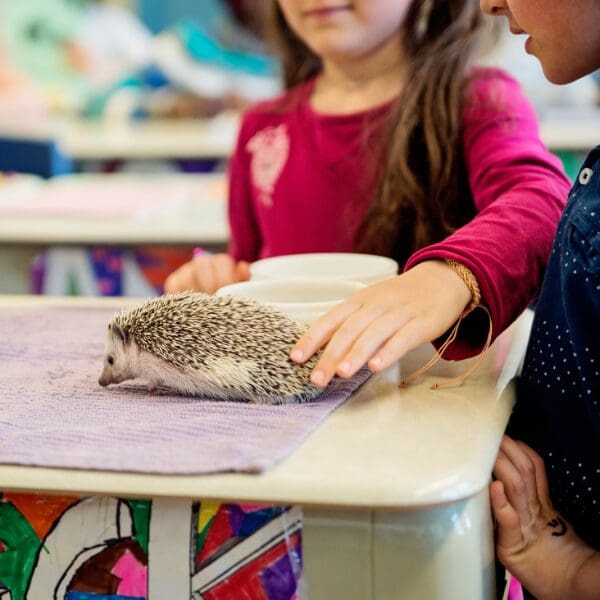
PHAC has investigated similar outbreaks linked to snakes and feeder rodents, pet hedgehogs, bearded dragons and young poultry. Research published in 2025 found that reptile-associated Salmonella outbreaks in Canada are increasing alongside the growing popularity of reptiles as pets.
Isn’t good handwashing enough to manage the risk?
Handwashing matters, and nobody should stop doing it. But it often isn’t enough to combat all the other risk factors at MLAPs.
Between 2023 and 2025, one animal contact attraction in South West England had four separate outbreaks of Cryptosporidium, a parasite that causes severe stomach illness. Thirty-nine cases were confirmed by lab testing. When investigators looked into why this kept happening, they found germs lingering in the environment and a dangerous strain of E. coli on the surfaces people touch most, like railings and gates.
The striking part is that the site was following the standards it was supposed to follow. What kept the outbreaks going was the setup itself. Visitors walked right into the pens with the animals, and young children behaved the way they often do, touching all surfaces and putting their hands near their faces.
Hand sanitizer often isn’t enough to address the problem either. Alcohol gel does not reliably kill Cryptosporidium. An event that offers a sanitizer dispenser instead of soap and running water can leave people believing their hands are clean when they are not.
The same problems identified in this investigation often persist at most MLAPs: not enough places to thoroughly wash hands, no clear line between the animal areas and the animal-free ones, contaminants on shoes that are tracked onto walkways, and too few staff watching how children and animals interact.
Lack of educational benefit
MLAPs are often defended as hands-on learning experiences that build empathy and support for conservation.However, research does not support the claim that interacting with live animals in these settings increases conservation knowledge or action.
Some research suggests these experiences can produce negative emotional or intellectual perceptions of animals. Seeing animals removed from their environments, confined in small enclosures, and handled repeatedly can normalize the idea that animals exist for human use or entertainment.
Researchers note that seeing animals up close is not necessary to foster learning, care, or conservation. Many beloved species, such as humpback whales, enjoy strong public protection without ever being handled by the public.
Promotion of exotic pets
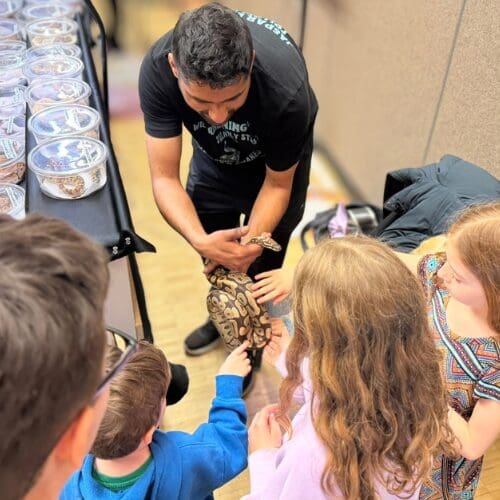
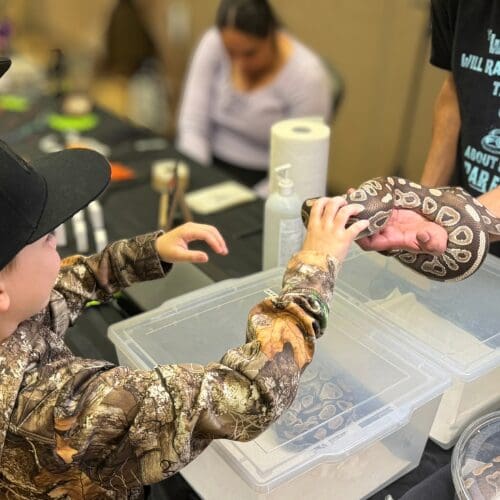
Hands-on encounters can also make exotic animals seem like suitable pets, especially to young children. A 2026 study found that even after hearing that tortoises make poor pets, children aged seven and eight were no less interested in owning one.
The researchers suggest that letting young children touch animals may encourage a desire for exotic pets. Rather than discouraging impulse purchases, close contact may unintentionally fuel demand within the exotic animal trade.
This matters because exotic animals, whether captive-bred or wild-caught, have complex social, behavioural, dietary, and environmental needs. These needs are difficult to meet in captivity and even harder to meet in private homes. When those needs aren’t met, animals may suffer chronic stress, illness, and premature death. Specialized veterinary care can also be hard to find and is expensive. As a result, animals may suffer or die without treatment or be abandoned or surrendered to already overburdened rescues.
Even well-intentioned guardians may not have the expertise or resources to properly care for exotic species. That’s why the VHS supports a science-based “positive list” framework. It would set out which species can be kept as pets based on welfare, health, safety, and environmental criteria. A species would be allowed to be kept only after being assessed as suitable.

Community & environmental impacts
The demand for exotic pets, fueled by MLAPs, can have environmental consequences. Exotic pets that escape, are released, or are surrendered add strain to shelters, rescues, and veterinary services. These services are already overwhelmed and may not have the resources or expertise to care for such a wide range of species.
There have been many documented cases of environmental impacts of escaped or released exotic pets in B.C. in recent years, including red-eared slider turtles. In summer 2025, for example, conservation officers and B.C. Parks staff cleared visitors and closed trails in Miracle Beach Provincial Park while searching for an escaped boa constrictor. The snake was then taken to the Comox Valley SPCA.
The mobile nature of MLAPs can make tracking health impacts difficult. Many people may recover from infections without seeing a doctor or getting tested, so outbreaks are likely under-reported. The 2023 study of mobile zoos adds that symptoms can be delayed or mistaken for common illnesses. As the authors point out, a lack of recorded cases doesn’t mean infections are rare.
What about rescues?
Some MLAPs describe themselves as rescues that rely on events to raise funds for animal care. Funding challenges in animal care are real and should be taken seriously.
However, reputable sanctuaries and rescues consistently raise funds without placing animals in situations that cause stress or create disease risk.
Grants, animal sponsorship programs, online peer-to-peer fundraising, corporate partnerships and community events all offer fundraising alternatives.
Ethical rescues prioritize animal wellbeing and do not use animals for public handling or entertainment.
New polling shows strong public concern
Public concern surrounding mobile live animal programs is growing. In 2025, the Union of B.C. Municipalities, an organization that represents local governments across British Columbia, endorsed resolution NR75 calling on the B.C. Government to regulate mobile live animal programs, demonstrating that this issue matters to municipalities.
Polling* of British Columbians in 2026 found that:
- 85% think there should be restrictions on bringing exotic animals into schools, childcare settings, or long-term care facilities, and;
- a strong majority of British Columbians are concerned about the following issues associated with mobile live animal programs such as how the animals are captured or bred (83%), the welfare of the animals (79%), the risk to the environment if animals escape (74%), the risk of disease passing from animals to people (73%), and the risk to public safety (69%)
*Research Co. poll conducted for the Vancouver Humane Society August 30 to September 1, 2026 (n=806 B.C. residents, margin of error +/-3.5%, 19 times out of 20)
There are better ways to educate & inspire caring for animals
There are many alternatives to MLAPs that can build curiosity and compassion for animals without transporting them to parties, classrooms, and expos to be handled, displayed or sold.
Documentaries, virtual learning, visits to sanctuaries that prioritize animal wellbeing, and conservation programs all offer meaningful ways to engage and educate the public, without the risks to animals, people, and the environment.
Sign up to stay updated on this campaign and for opportunities to help raise awareness
Help us spread the word about the harms of mobile live animal programs.
Together, we can build a future where education and compassion never come at the expense of animal welfare or public health and safety.
The VHS is grateful to the Animal Welfare Foundation of Canada for their generous grant funding of our work to raise awareness about the suffering of wild, exotic animals kept in captivity as pets and used in mobile live animal programs.