Image credit: Jo-Anne McArthur We Animals Media
- Each year in Canada, 3 to 5 million animals, like beagles, rabbits and mice, are used in scientific research and toxicity testing, as reported by the Canadian Council on Animal Care.
- In 2024, nearly 100,000 animals were subjected to procedures causing severe pain or distress.
- There is growing evidence to suggest that animal studies fail to reliably predict human outcomes.
- Despite the urgent need for better, more human-relevant science, Canada’s progress has been slow.
- Last year, the Canadian Centre for Alternatives to Animal Methods (CCAAM), one of the country’s leading programs for alternatives to animal-use, closed due to a lack of funding.
TAKE ACTION: Sign the new official federal e-petition calling on Canada to do better. Tell the federal government that transitioning to animal-free research and testing is important to you!
When you sign an official federal e-petition, you’ll get an email asking you to confirm your signature. Your signature doesn’t count until you click that confirmation link.

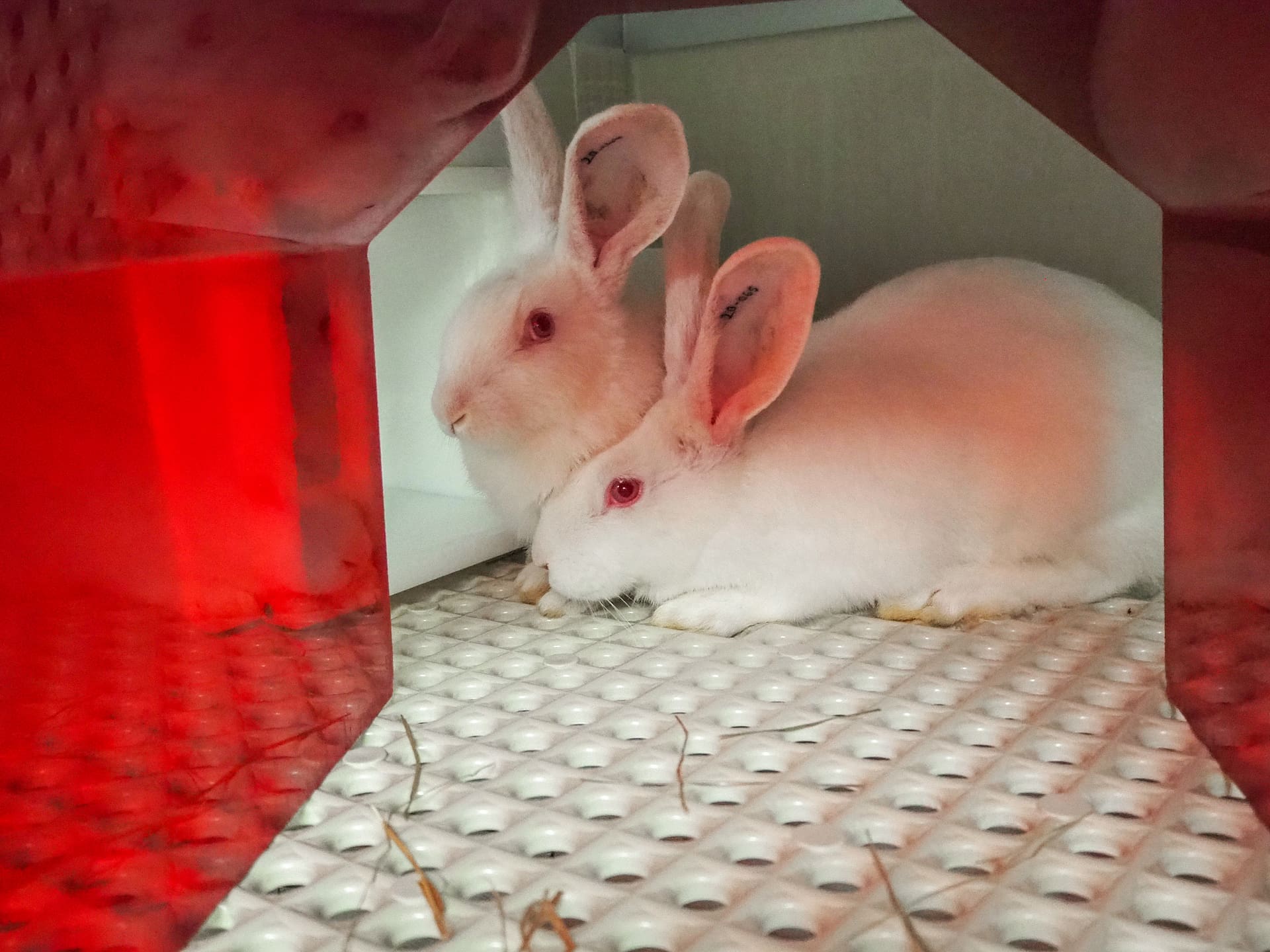
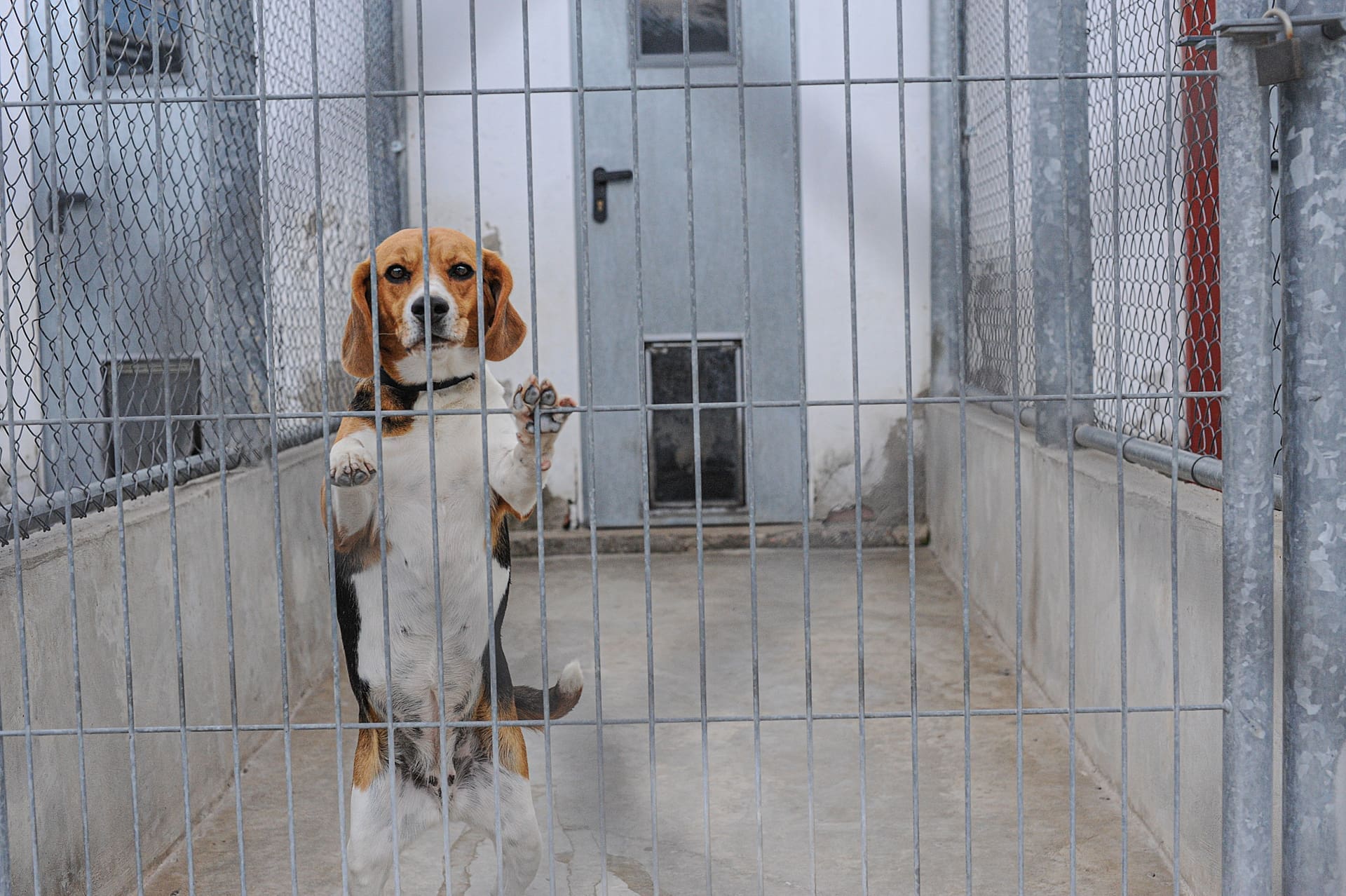
Image credit: Jo-Anne McArthur + Media Roger Kingbird / We Animals.
Why change is needed
Despite Canada committing to reduce animal testing for chemical safety in 2022, and a 2025 federal strategy under the Canadian Environmental Protection Act (CEPA) to replace, reduce, or refine the use of vertebrate animals in toxicity testing, the strategy does not include targets, timelines or dedicated funding.
Federal e-petition 6841 asks for:
- A coordinated national effort to transition away from animal models;
- Measurable targets to reduce animal use in research and regulatory testing (50% reduction by 2030, full replacement where feasible by 2035);
- Sustainable federal funding to establish a national centre to lead the transition to animal-free research and testing;
- A mandate to prioritize non-animal methods, with replacement as the default;
- Federally recognize non-animal methods as the standard by amending federal laws and regulations;
- Establish mandatory public reporting on non-animal method adoption rates, federal funding, and animal use in public and private sectors.
Public support for humane science
Canada is falling behind countries like the United States and those in the European Union, which have developed strategies and investments in new methods that do not use animals. Canadians overwhelmingly agree that it’s time for Canada to catch up.
- 83% of Canadians believe that whenever modern scientific alternatives are available, they should be used instead of subjecting animals to painful experiments;1
- On average, Canadians rate the importance of considering animal welfare in research decisions at an 8 out of 10, reflecting strong public concern for the treatment of animals used in science;2
- When asked how important it is to find effective alternatives to the use of animals in science and medicine, Canadians gave an average score of 7.7 out of 10.2
Sign the official federal government petition:
Join fellow Canadians in calling for a transition to animal-free research and testing!
1 According to a Léger Marketing survey conducted for the Montreal SPCA from September 19 to 21, 2025, among 1,521 Canadians.
2 Nanos Research. Public Opinion Survey on the Use of Animals in Canadian Science (October 2024), conducted for the Canadian Council on Animal Care (CCAC). https://ccac.ca/Documents/About/CCAC_NANOS_EN-02-2025.pdf