
Categories
News/Blog

Speak out for sled dogs

Update

This action has now ended. Thank you to the 3,877 advocates who pledged to boycott sled dog tours. Please see the Current Campaigns page for more ways you can help animals used for human entertainment.

Sign the pledge not to take part in sled dog tours

Sled dogs are tethered for long periods and it is still legal to shoot surplus dogs

Speak out for sled dogs

Who can forget it? The 2010 killing of 56 sled dogs in Whistler shocked B.C. and made headlines around the world. The public outcry prompted government intervention but has life really changed for sled dogs?

Many questioned whether justice was served when the sled dog tour company employee who killed the dogs was sentenced to three years’ probation, a $1,500 fine, 200 hours of community service, and a ten year firearms ban. It was alleged he had been instructed by the company to “cull” the dogs due to a downturn in business following the 2010 Winter Olympics.

Nevertheless, there was hope that public outrage would lead to positive change. The “Whistler sled dog massacre,” as it came to be known, shone a light on the sled dog tour industry and its treatment of the dogs. The provincial government responded with a code of practice and standards of care for the industry. But the effectiveness of these actions has long been questioned.

In a sad irony, it is still legal for tour companies in B.C. to shoot surplus sled dogs, provided the operator has “made reasonable efforts to rehome the sled dog, but those efforts have been unsuccessful” and the operator follows certain guidelines (as illustrated below).

A major problem with the provincial government’s regulation of care standards for sled dogs is lack of enforcement. This became clear when the regulation was introduced and no government funding was allocated to the BC SPCA to enforce the regulations. Tour operations are not inspected and action can only be taken if a complaint is made to the BC SPCA. In short, no one is watching to ensure regulations are followed.

Although the sled dog standards of care were a step forward, they did not ban tethering or chaining of dogs, which VHS and many animal advocates had called for. The standards only require that: “An operator must ensure that each sled dog is released from its containment area at least once in each 24-hour period, for the purposes of socialization and exercise.” This means a dog could be tethered for 23 out of 24 hours with violating the regulations.

Tethering is a contentious subject, with sled dog tour industry claiming it is humane while many animal advocates call for it to be banned. The 2016 documentary Sled Dogs, which revealed how tethering is the norm in the industry, quoted animal behaviour and animal welfare scientist Dr. Rebecca Ledger: “When they’re tethered they may live in community with other dogs, but that’s not a community – it’s a prison.”

The Canadian Veterinary Medical Association’s Code of Practice for Canadian Kennel Operations states that “Tethering of dogs (i.e., chains or ropes used to tie the dog to an immoveable object such as a stake or building) is not allowable as a method of confining a dog to a primary enclosure, nor as the only means of containment.”  If true for a dog kennel, why not for a sled dog kennel?

This action has now ended.

3,877 people pledged to boycott sled dog tours. Thank you for taking action.

See more campaigns
Categories
News/Blog

Speak out to end the inhumane live export of horses

Please support the call to the federal government to ban the live export of horses for human consumption.

This inhumane trade involves draft horses, known as “gentle giants”, being shipped live in wooden crates to Japan and for slaughter for human consumption. Since 2014, more than 27,000 draft horses have been live exported by air, primarily to Japan, for slaughter.

VHS has signed a joint letter to the federal Minister of Agriculture, calling for the Canadian government to stop the inhumane shipments of draft horses to other countries for slaughter.

You can help by signing the House of Commons E-petition, which calls for an end to “air shipments of horses exported for human consumption, due to ongoing animal welfare concerns inherent in this practice.”

Categories
News/Blog

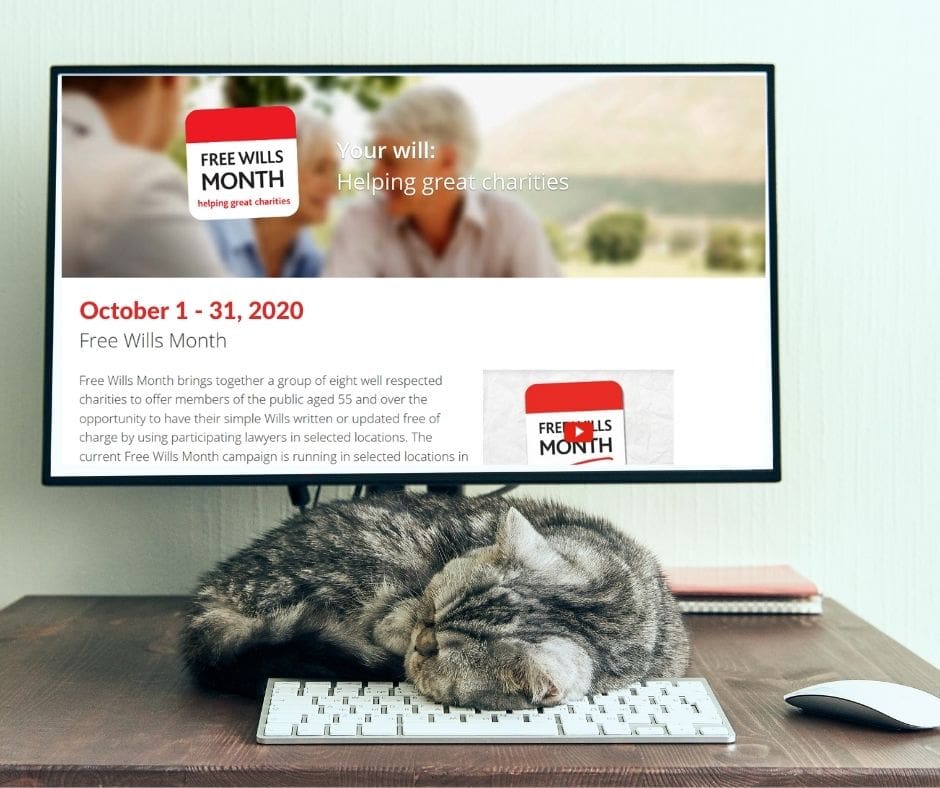
This month is Free Wills Month

For October is Free Wills Month and you have the chance to support our work for years to come by leaving a legacy for the animals. If you are an animal lover aged 55 or over, from October 1-31, you have a unique opportunity to either make a new will or revise your current will, for free! There is absolutely no obligation to include a charity in your will in order to participate. This is the last year the VHS is participating in this program, and a great opportunity to plan for the future.
 
You can have a simple will written or updated free of charge through lawyers participating in this campaign. If you’d like to participate or get more information, please visit the Free Wills website. If you have any questions, please contact Claire Yarnold at 604 266 9744 or email claire@vancouverhumanesociety.bc.ca.

Categories
News/Blog

Treating people and their pets with dignity

For many people, their pet is their lifeline and mental health support. We know from separation anxiety, cuddles, and protective behaviours that the feeling is mutual! Across Canada, people face difficult decisions as they struggle with poverty, and sometimes those decisions involve the well-being of themselves and their best friend. VHS received a two-year grant from the B.C. government to create a training program for animal services providers to ensure their programs provide trauma-informed care to people and their pets. We’ve recruited Celeste Morales as Lead Researcher to do this work. Celeste has a Master’s in Sociology and wrote her thesis on poverty reduction. (See full bio.) Welcome Celeste!

Categories
Opinion

Farming and grocery industries’ broken promises betray majority of Canadians

Article originally published in The Georgia Straight.

For decades, animal-welfare groups have been campaigning for better conditions for animals on Canada’s farms. Progress has been slow, but two major achievements seemed to be within reach: an end to battery cages for laying hens and a phase-out of gestation crates for pigs. Until now. 

Hopes for better lives for pigs and hens are now in doubt following news that the Retail Council of Canada (RCC) is reneging on commitments to sourcing only cage-free eggs and to shift away from selling pork from farms using gestation crates. The RCC represents Canada’s major grocery chains. 

Last week, the RCC announced that it “will pursue and make commitments solely through NFACC, thus removing previous commitments on sow housing and cage-free eggs…”. NFACC is the National Farm Animal Care Council, an industry-dominated body that oversees codes of practice for the care and handling of farm animals. 

In 2013, the RCC announced it would move toward sourcing pork from pigs raised in “alternative housing practices” by 2022. In 2016, the council committed to sourcing only eggs from cage-free hens by 2025.  

The RCC’s abandonment of these commitments follows last year’s decision by Canada’s pig farmers to renege on their 2014 commitment to end the continuous use of gestation stalls by 2024. 

These moves by farmers and the grocery industry fly in the face of public opinion. Polling has shown that 85 percent of Canadians support a complete phase-out of gestation stalls, and almost two-thirds want an end to battery cages for hens. 

Gestation crates confine pregnant sows so tightly that they are unable to engage in natural behaviours or even turn around. Scientists and animal welfare experts have long argued that the crates compromise pigs’ welfare. Temple Grandin, the renowned professor of animal science, has stated: “Gestation crates for pigs are a real problem… Basically, you’re asking a sow to live in an airline seat…” 

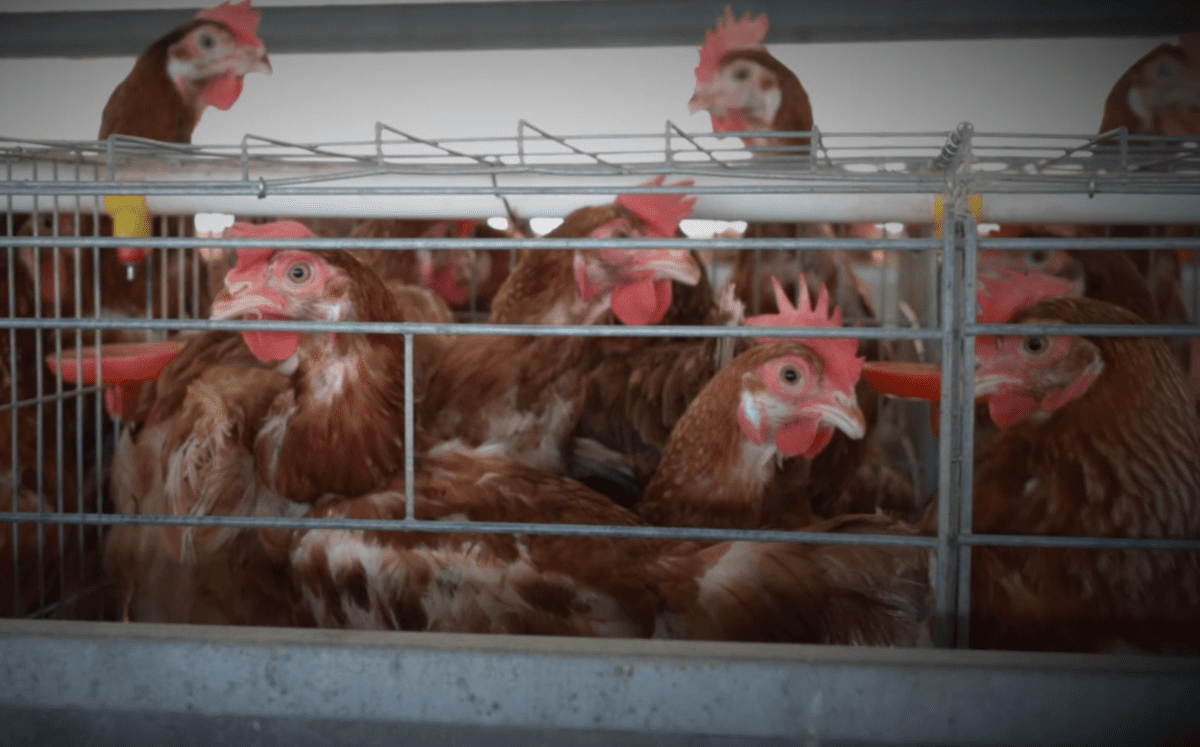
Battery cages for laying hens allow approximately 22 x 22 cm (9 x 9 inches) of space per hen, preventing them from engaging in natural behaviours or even flapping a wing.  The European Union banned battery cages in 2012. 

There is no doubt that gestation crates and battery cages are inhumane and that consumers want them gone. So why are the farming and grocery industries backsliding on their promises to move toward systems with better animal welfare?  Are they hoping the commitments they made amidst high-profile campaigns by animal-welfare groups can be quietly dropped now that those campaigns have abated? 

If so, they are misreading the public mood, which has been increasingly supportive of better welfare for farm animals. A 2017 poll found that a majority of Canadians would pay grocers more if animal welfare were improved. 

Breaking promises to support better welfare could backfire on farmers and the RCC, as animal-welfare organizations and the public lose faith in a system that is essentially self-regulating and dependent on the industry-dominated NFACC. The public perception that animal agriculture is averse to transparency and accountability has already been heightened by the introduction of “Ag-gag” legislation in Ontario and Alberta. Calls for independent regulation, inspection, and enforcement are likely to grow as trust in industrialized animal agriculture and the grocers that sell its products declines. 

Canadians know animals suffer on factory farms and they want it to stop. (Is it any wonder that the plant-based food industry is booming?) If farmers and retailers break their promises on gestation crates and battery cages, hundreds of thousands of pigs and millions of laying hens will suffer. The RCC needs to stand by its previous commitments on farm-animal welfare, not only to show it cares about what consumers want but because it’s the ethical thing to do.

Categories
News/Blog

VHS supports pets in need due to Covid-19

Calls have been pouring in to our veterinary assistance hotline as the COVID-19 shutdowns continue. Each month, more and more people are experiencing financial crisis. They are stressed and worried; the sighs of relief are tangible when our program coordinator, Terri, confirms that their pet can be helped. We would not have been able to help all the cases that come to us without the financial support from the Community Response Fund, made possible by the Vancouver Foundation, Vancity Credit Union, United Way Lower Mainland, and the City of Vancouver. They provided $10,000 to ensure we are able tomeet the increased demand for the program. Thank you also to our donors who give generously to the McVitie program!

Categories
News/Blog

More municipalities take action on cruel rodenticides

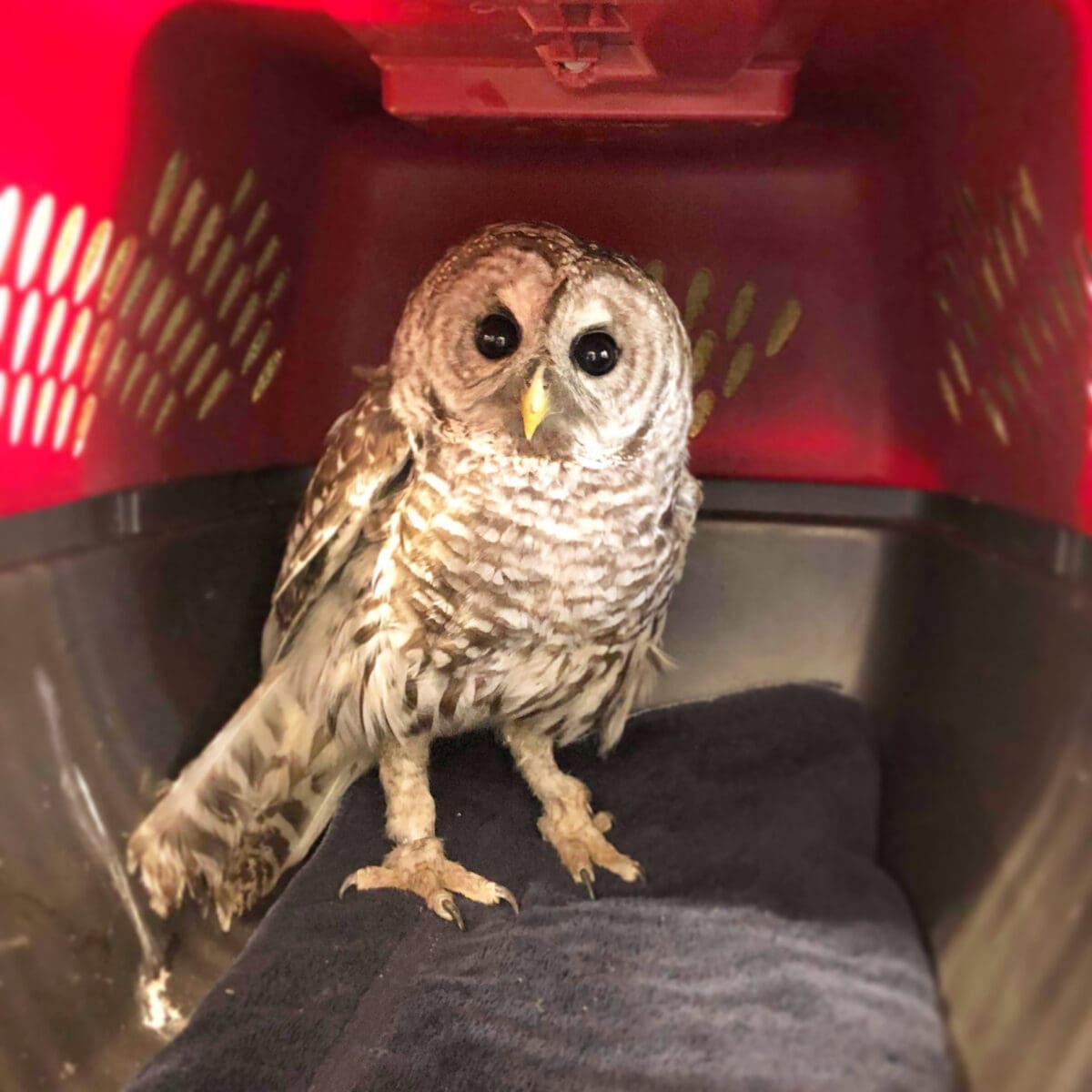
The story of Lucky the owl, who was found poisoned in North Vancouver not once, but twice in a matter of weeks, has revived public calls for a ban on anticoagulant rodenticides. Wildlife are often the victims of poisons used by businesses, landlords, municipalities and homeowners to control rodent populations. These “secondary poisonings” happen when birds of prey or other predators eat poisoned rodents, causing a slow and painful death.

Thankfully, Lucky survived and was released after receiving treatment, but other animals who encounter these poisons aren’t so fortunate. The good news is that a growing number of B.C. municipalities are now taking action. In the months following Lucky’s poisonings, several municipalities have banned rodenticides on municipal properties, including the District and City of North Vancouver, Port Moody, Victoria and a number of other Vancouver Island communities. Most recently, West Vancouver has voted to consider a ban. Given that the wider use of rodenticides is regulated at the provincial level, the next step will be for municipalities to urge the province to consider a B.C.-wide ban.

VHS has submitted letters of support for municipal rodenticide bans and will advocate for a province-wide ban. We’ve also joined Owl Watch BC, a coalition of wildlife advocates. To learn more about taking action to ban rodenticides in your community, email VHS Campaign Director, Emily Pickett, at emily@vancouverhumanesociety.bc.ca.  

Categories
News/Blog

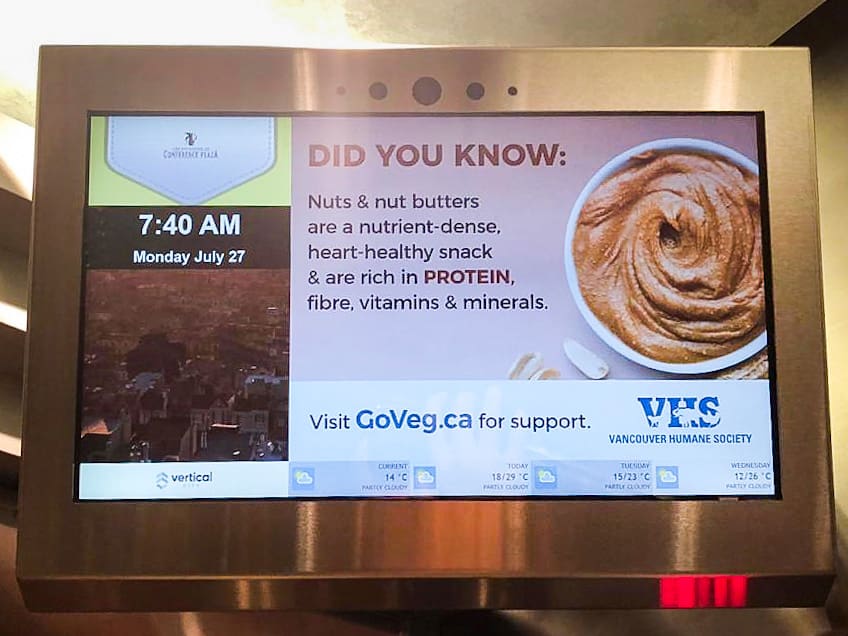
Go Veg ads hit streets (and elevators) in Metro Vancouver

With regular summer events and outreach put on hold this year due to COVID-19, VHS has been busy finding other avenues to share our Go Veg message. We’re pleased to report that the new ads have been running on billboards and elevator screens throughout Metro Vancouver this summer and we’ve received positive feedback about the new designs and messaging. You can see all of the new ads by visiting our Go Veg homepage.

We’ve also been busy online, presenting our plant-based programs to an audience of approximately 2000 people at an online music festival in July. In addition, we hosted a webinar, featuring VHS Executive Director, Amy Morris and Campaign Director, Emily Pickett. The discussion focused on powerful actions we can take as individuals to protect animal welfare. If you missed the webinar, you can watch the recording here.  

Categories
News/Blog

Horses and traffic don’t mix

In August, VHS launched a campaign calling on the Vancouver Park Board to remove the horse-drawn trolley from Stanley Park.

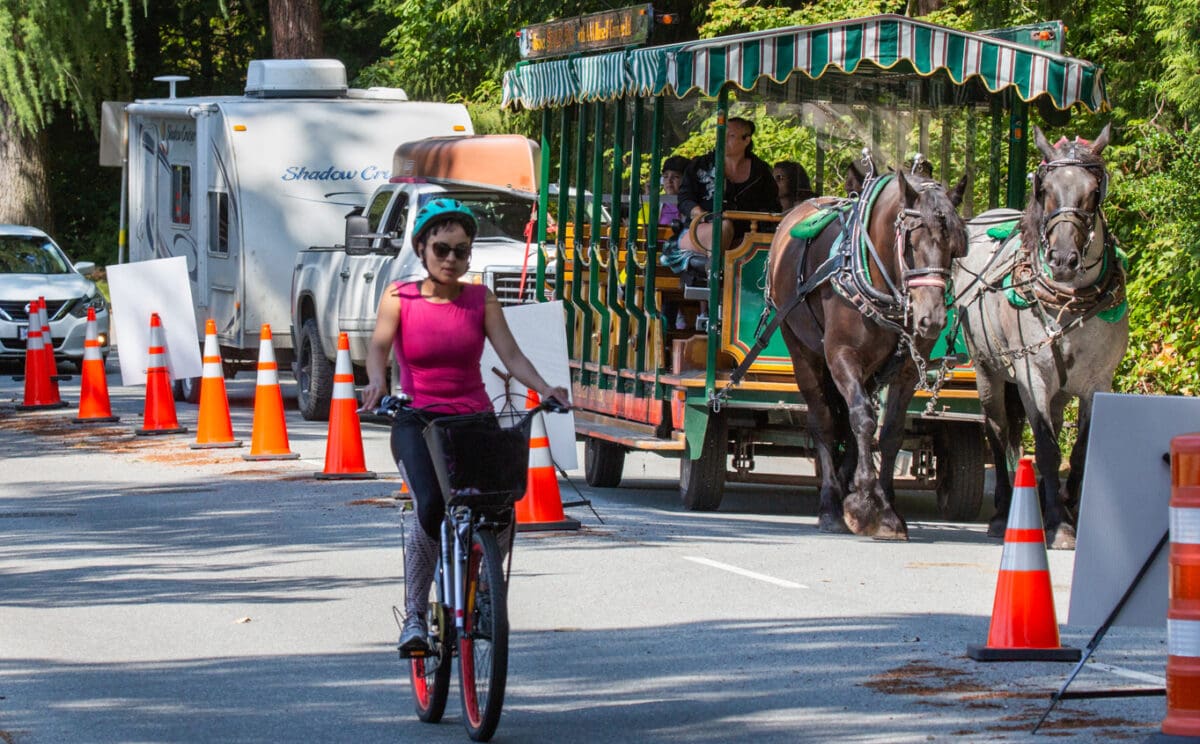
Having horse-drawn trolleys or carriages in urban settings is just not safe. This became clear in 2016, when the Stanley Park trolley’s horses were spooked by traffic noise and bolted, nearly taking a trolley full of tourists off the sea wall.

Due to a changed traffic configuration, the trolley was sharing the roadway through the park with motorist and cyclists. This created an additional safety hazard as drivers attempted to pass the slow-moving trolley by veering into the cycle lane.

The horses, who spend long hours on hard pavement in all weathers, are also exposed to vehicle exhaust.

Nearly 7000 people signed our petitions to the Park Board to remove the trolley.  To date, the board has not responded.

Categories
News/Blog

Speak up for animals!

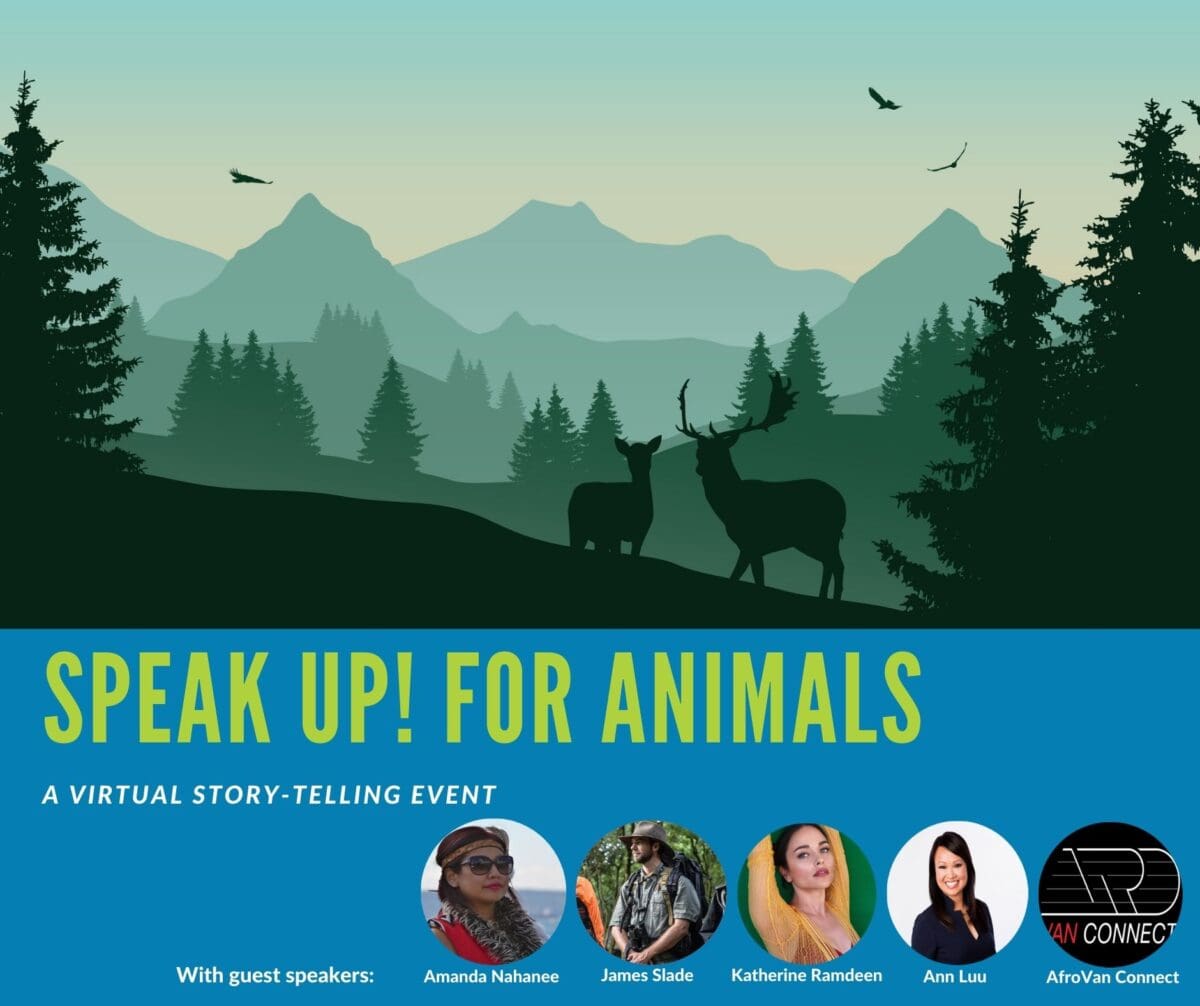
Join us on Tuesday October 20th for an evening of entertainment and learning at our first annual virtual storytelling event!

You can connect with fellow animal lovers in the community, as we hear stories from B.C. based advocates about their journeys through animal protection, animal advocacy and awareness raising.

Our guest speakers include Skwxwú7mesh Úxwumixw (Squamish Nation) storyteller and ambassador Amanda Nahanee; animal lover and CTV News Vancouver weather anchor Ann Luu; Squamish-local James Slade, a long-time conservationist specializing in the field of law enforcement, having worked in anti-poaching in Southern Africa for 10 years; actor, filmmaker and animal rights activist Katherine Ramdeen, who will share her plant-based journey; and there will be a live freestyle performance from Afro Van Connect, an organization that empowers the voices of African descent youth through conversation, collaboration, creation and performance.

You don’t want to miss it. Purchase your tickets today!