This new year brings new opportunities to make meaningful change for animals! As we prepare to build on last year’s momentum in 2026, here is a look back on how your support saved lives and built progress for a kinder world.
Watch the video
Keeping pets safe and healthy
More than 1,300 pets received life-saving care
Last year was tough for many animal guardians. A growing number of British Columbians struggled to keep up with the cost of living and save for emergencies for their animal family members. Meanwhile, shelters and rescues in Canada saw more rescued and surrendered animals flooding through their doors, leaving many organizations at or over capacity. For guardians who had nowhere else to turn, the VHS’s McVitie Fund was a lifeline offering emergency financial assistance for veterinary care.
Last year, 1,372 animals received life-saving care through the McVitie Fund. That’s nearly double the number of animals helped in 2024!
Demand for the program has exploded, with more than eleven times as many applications in 2025 compared to 2020. The surge in demand was featured on CTV News Vancouver in November. Still, despite demand outpacing all expectations, the support of generous animal lovers enabled the program to stay open until mid-December and distribute a record-breaking $642,000 in emergency funds.
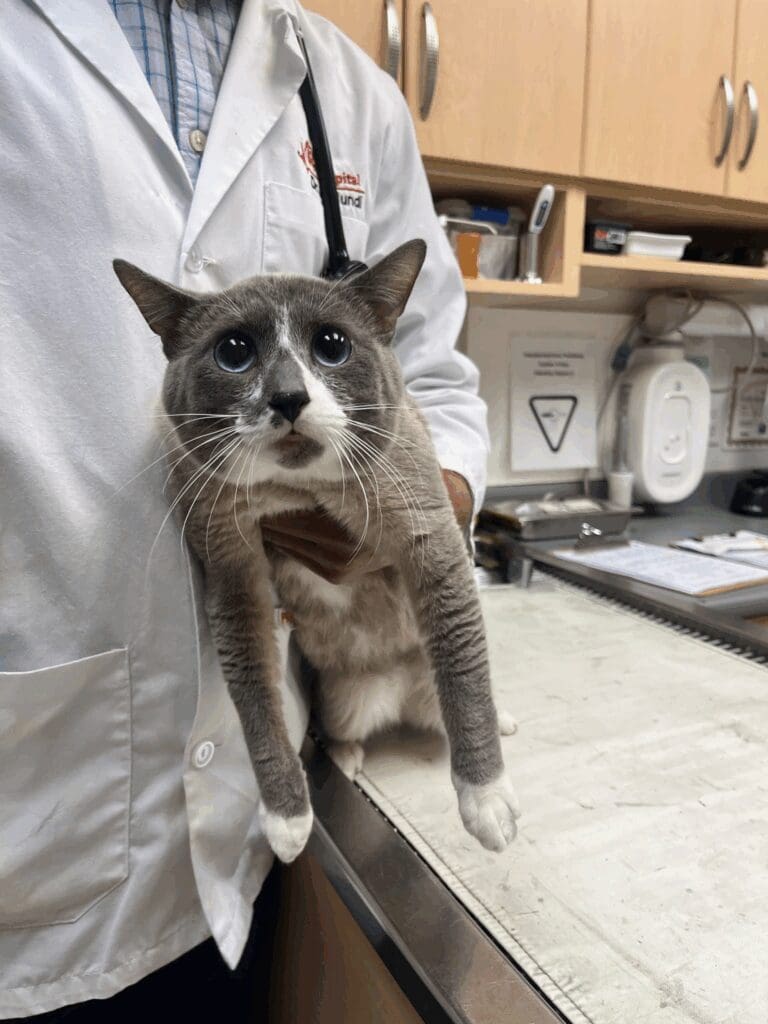
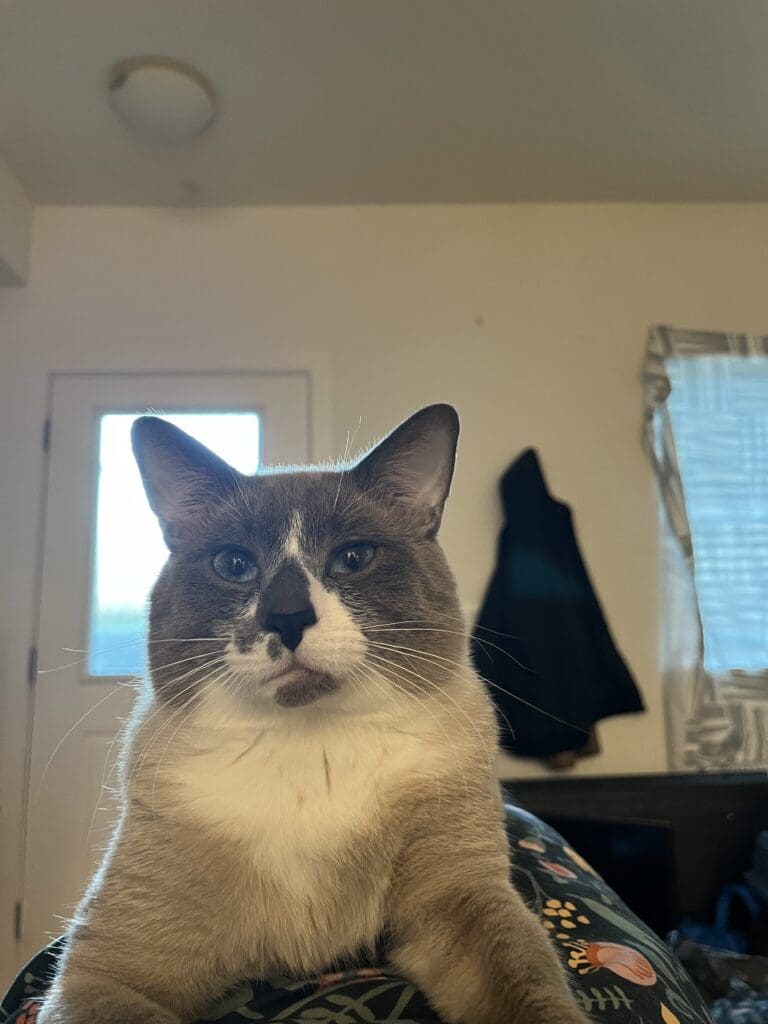
Thanks to caring people like you, beloved companion animals like Rafiki were able to get the urgent veterinary care they needed to return home to their loving families. After several attempts to resolve an issue with urinary crystals, Rafiki needed life-saving surgery. Thanks to the McVitie Fund, Rafiki was able to get his surgery and return to recover his adoring guardian, Sarah. “If it wasn’t for you, I don’t know what I would have done. Thank you SO much!” Sarah told the VHS. “He’s my baby boy. He means everything to me.”
2 pet-friendly motions passed in Vancouver
The VHS’s Executive Director, Amy Morris, spoke to Vancouver City Council in support of two motions to create a kinder city for companion animals, both of which were passed unanimously.
Vancouver City Council voted to push for more pet-friendly housing by asking the Province to eliminate no-pet clauses, and reviewing local housing policies to make sure renters aren’t punished for having a companion animal.
Council also passed a motion to formally consider funding for essential stray cat services, which have been pioneered by the Vancouver Orphan Kitten Rescue Association (VOKRA).
Outreach helped pets in Vancouver’s vulnerable communities
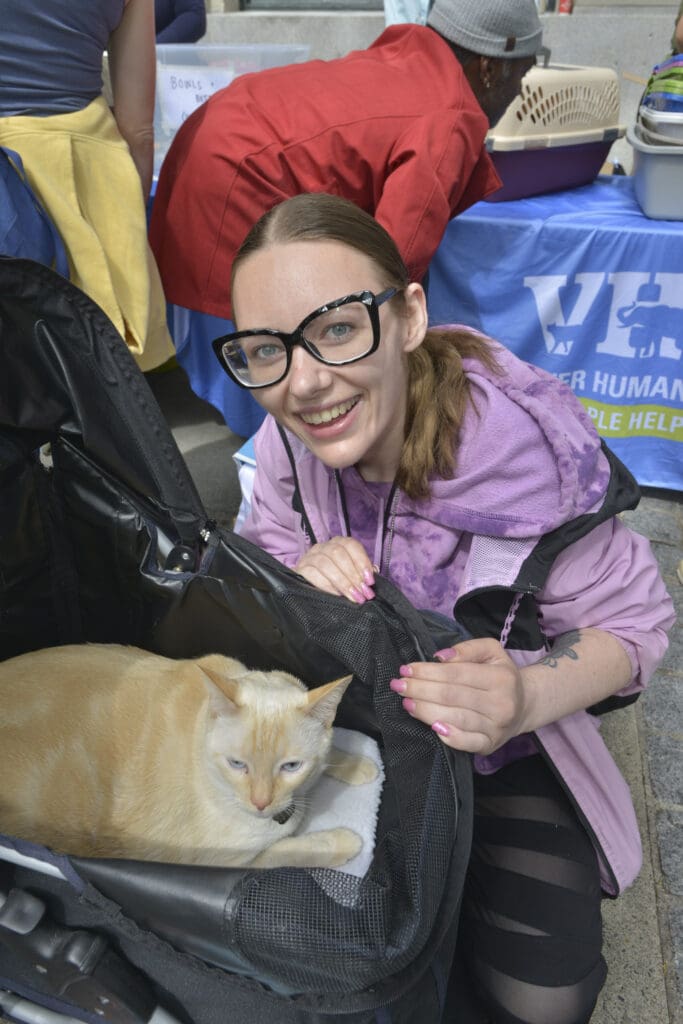
At the VHS’s annual Because They Matter event, staff and volunteers met in Vancouver’s Downtown Eastside community to share veterinary support resources, pet toys, leashes, harnesses, and more essential supplies with animals and their guardians who spend their days on the streets.
The team handed out thousands of pet supplies and hundreds of pamphlets sharing life-saving information about the VHS’s veterinary support programs!

Calling for a more pet-friendly Canada through federal policy change
In 2025, the VHS joined Humane Canada, MP Nathaniel Erskine-Smith, and advocates across Canada in calling for companion animals to be included in emergency planning. A federal e-petition, which aimed to ensure no animal is left behind in emergencies such as wildfires and floods, was signed by almost 7,300 Canadians, including more than 3,000 in B.C.!
The VHS also supported the Protecting Victims Act, which moves to criminalize the distribution of animal sexual abuse images while recognizing animals as victims and tools of coercive control.
Speaking up for animals in entertainment
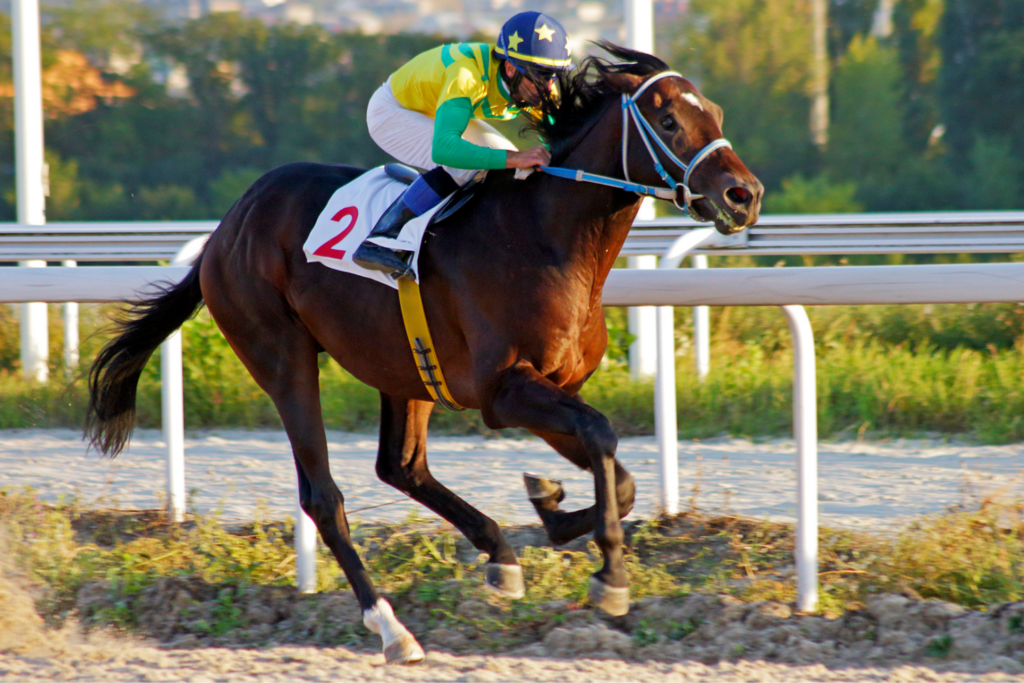
An end to horse racing in B.C.!
For years, the VHS has been raising awareness about the inherent welfare concerns around horse racing and the risk of injury and death to horses. In particular, the VHS has tracked the high fatality rate at Hastings Racecourse, which was almost double that of the average death rate at tracks with higher safety standards in 2024, and shared reports of tragic horse deaths with local media.
messages to decision-makers supporting an end to horse racing in 2025
In June, the VHS submitted a report to the City of Vancouver asking that the City not renew the operating agreement at Hastings when it was set to end in 2026, citing welfare concerns, declining attendance, and the track’s reliance on public subsidies to remain operational.
Following declining public support, both of B.C.’s racetracks announced their closure in 2025, saving thousands of horses from being bred into this risky and stressful industry!
Fraser Downs Racetrack in Surrey closed in August, followed by B.C.’s last track, Hastings Racecourse in Vancouver.
Following the track’s closure, the VHS supported the step away from the use of animals in entertainment and called on decision-makers to support a safe retirement for the horses and a transition out of the industry for workers.
Saying no to inhumane rodeo events
Last summer, the VHS’s advocacy around the Stampede rodeo made a stir in Calgary. After support for funding of rodeo events dropped by 16% over the course of the previous year’s campaign, 2025’s messaging about animal welfare was met with stiff corporate opposition.
Three of the VHS’s Calgary Stampede ad campaigns were cancelled by advertising companies after the contracts were signed, leading to media coverage on the censorship of animal welfare messages.
The VHS team ensured animal voices were heard around the Stampede by providing outreach materials at local protests and events around the city and running an in-depth online ad campaign.
The team shared with Calgary and national news outlets about the tragic death of Rider, a horse used in chuckwagon racing and the 110th animal known to have been killed in the Calgary Stampede’s events since the VHS began tracking fatalities in 1986.
A new Mayor and Council were elected in Calgary late last year, opening a new avenue to advocate for change with the municipal government.
Meanwhile, the VHS’s advocacy for animals used in rodeo continued in our home province. In B.C., for the second year in a row, the VHS filmed inhumane and potentially illegal use of electric prods and rough handling of animals at the Coombs rodeo. A cruelty complaint was again filed, leading to a BC SPCA investigation.
actions calling for an end to inhumane rodeo events
Calling for an end to horse-drawn carriages on Vancouver’s busy streets
In 2025, the VHS shone a light on the risks faced by horses used in carriage rides on busy city streets, and the conversation shifted because of it. Through sustained public outreach, media engagement, and direct advocacy to decision-makers, more people in Vancouver learned why noise, traffic, hard pavement, and constant stimulation from carriage rides are not compatible with horse well-being.
petition signatures calling to end horse-drawn carriages on busy city streets
While a ban wasn’t achieved last year, the issue stayed firmly in the public eye, building awareness, compassion, and momentum for change.
Thanks to the dedication of animal allies, carriage horse welfare is part of an ongoing, growing movement toward safer, more humane cities.
Keeping wild animals wild
Protecting exotic animals
messages calling to better protect exotic animals
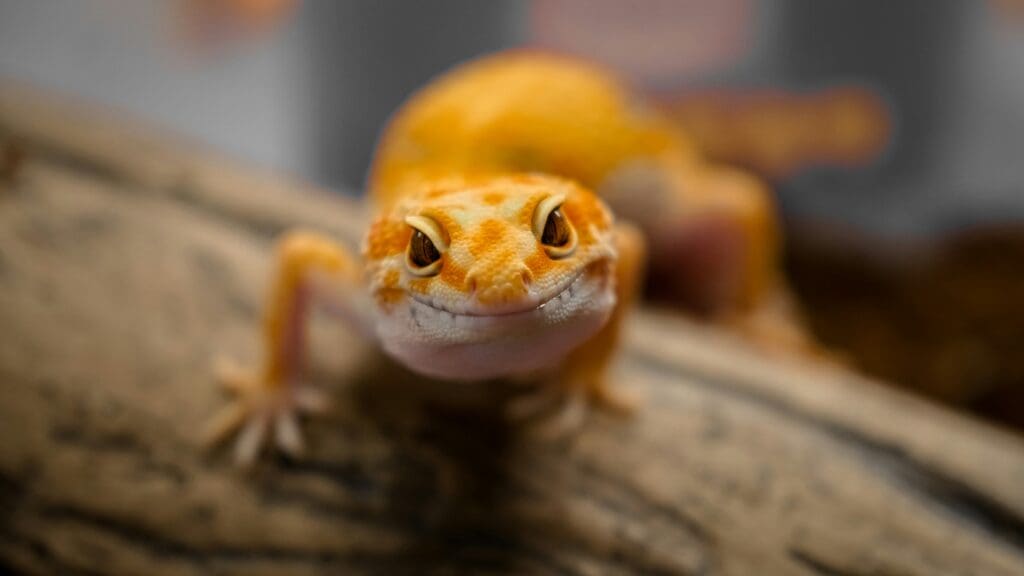
In 2025, our community came together in powerful ways to protect exotic animals. With the support of thousands of advocates, the VHS ran multiple campaigns calling for stronger protections for exotic, undomesticated animals kept as pets and those used in travelling animal programs.
That collective effort led to a major win: Port Moody banned mobile petting zoos and live animal programs, leading to a resolution that was later endorsed by the Union of British Columbia Municipalities. This milestone means fewer wild animals being transported, handled, and displayed for entertainment, and more recognition that exotic animals deserve safety, stability, and respect.
It’s a moment worth celebrating, and a reminder of what’s possible when people speak up together.

Protecting farmed animal well-being
Advocating for crucial policy changes for farmed animals
In January 2025, the VHS and supporters across B.C. spoke up for stronger provincial regulations to protect farmed animals after shocking footage led to an animal welfare investigation at a Chilliwack slaughterhouse.
messages sent to protect farmed animals
The VHS also supported calls for a national ban on the production, import, and sale of foie gras, which relies on painfully force-feeding ducks and geese. The federal e-petition received more than 7,200 signatures.
Calling for an end to fur farms
The Vancouver Humane Society joined The Fur-Bearers, MP Gord Johns, and other organizations in urging the federal government to end fur farming across Canada through two federal e-petitions in 2025. Together, the petitions received more than 17,800 signaures, almost 10,000 of which were from B.C. residents!
Speaking up for pigs in Canadian codes of practice
The National Farm Animal Care Council’s Pig Code of Practice provides guidance for the care and handling of pigs raised for meat and breeding on farms across Canada. Last year, this code of practice came under review.
VHS supporters shared crucial feedback during the public input period for the code, using the VHS’s tips sheet to ensure animal well-being is considered in the review process.
Giving Tuesday donors helped farmed animals today and in the future
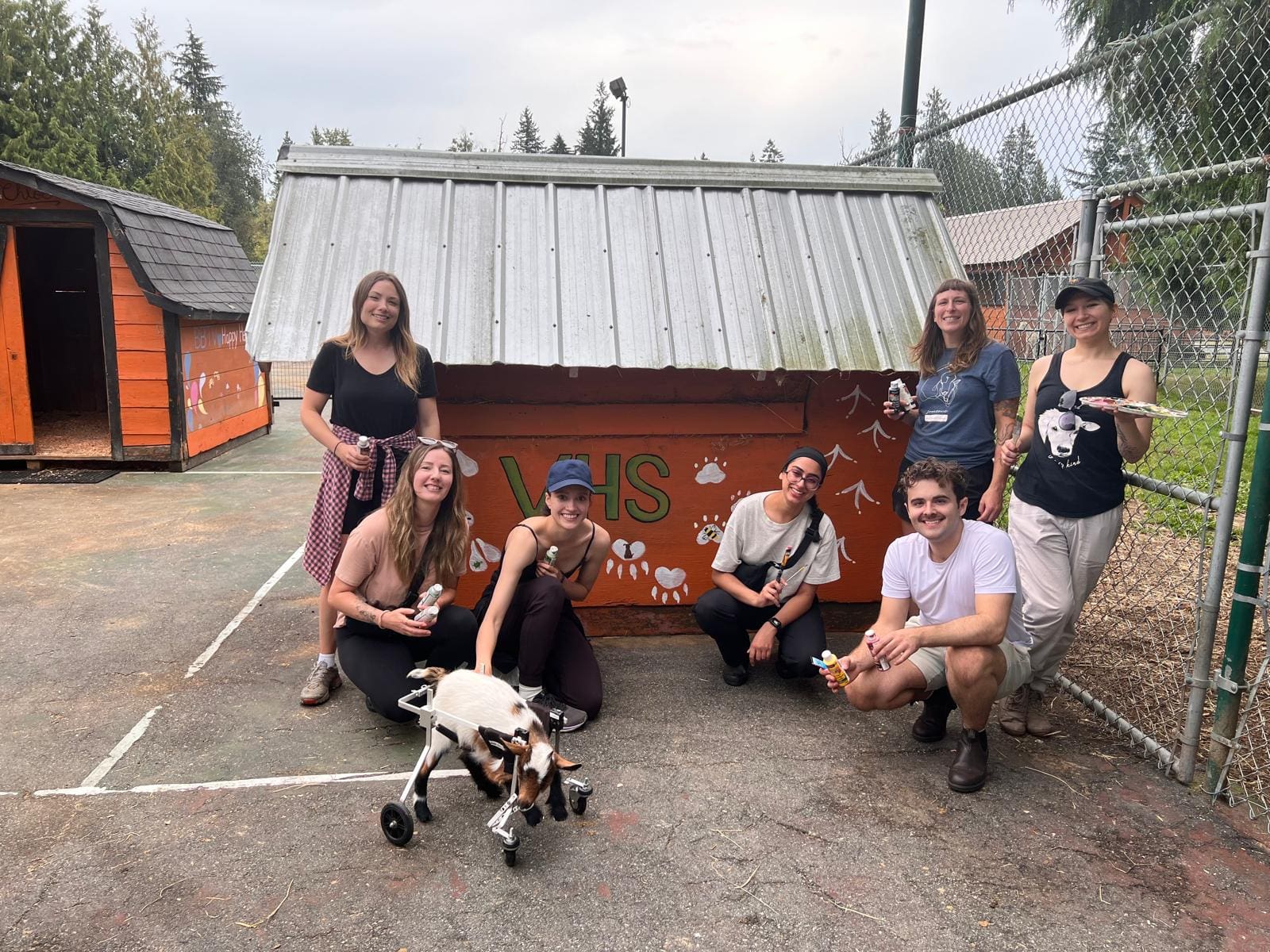
On Giving Tuesday, the VHS once again partnered with The Happy Herd Farm Sanctuary to raise funds for vital animal supplies to care for rescued animals in a loving forever home, life-saving veterinary support, and advocacy to create meaningful changes for animals.
Incredible allies helped keep animals safe and healthy by donating or shopping at participating businesses, and the first $8,000 in donations were matched by generous local animal lovers.
With the support of the community and matching donors, an amazing $21,612 was donated to help animals in need. Supporters of the Vancouver Humane Society and the Happy Herd’s Giving Tuesday campaign helped provide funds…
- …to cover food for all the chickens of the Happy Herd for two years
- …AND to reach 100,000 animal allies to advocate for meaningful policy changes to improve animal lives
- …AND to cover 12 medical appointments for the cows at the Happy Herd
- …AND to feed all the pigs of the Happy Herd for a year and a half
- …AND to fund the life-saving veterinary care for 18 pets in need through the VHS’s McVitie Fund.

Saving animals through plant-based advocacy
Helping a new generation of diners choose kinder foods
In fall 2025, the VHS updated the long-running PlantUniversity project to reach a new audience: postsecondary students in the Lower Mainland. The fresh focus of the program aims to make plant-based eating more accessible to young people, many of whom are making their own food purchasing decisions for the first time.

Choosing plant-based more often is one of the most effective ways to reduce suffering while also supporting our planet and personal health.
The PlantUniversity team trained student leaders on how to break down barriers to plant-based eating with their peers, conducted in-class guest lectures, hosted outreach events for students, displayed informational materials on campuses, and created an online resource designed to help students across Canada advocate in their school communities.
Plant-forward win in Burnaby
A cost-benefit analysis created by the VHS for the City of Vancouver was used to support a recommendation to explore more plant-based options in Burnaby.
This recommendation from the city’s Environment committee prompts municipal staff to explore more plant-forward food options at City facilities, and report back with new ways to promote these sustainable options.
Did you know: If each person in Burnaby ate plant-based just one more day per week, nearly 1.6 million land animals’ lives could be saved each year?

A kinder future for all species
Thank you for making a difference for animals in 2025! Your support is helping to build a more compassionate and humane future. Will you keep the momentum going by taking action on current campaigns to end animal suffering or contributing to vital animal programs and advocacy?